The Cascade — History & Analysis
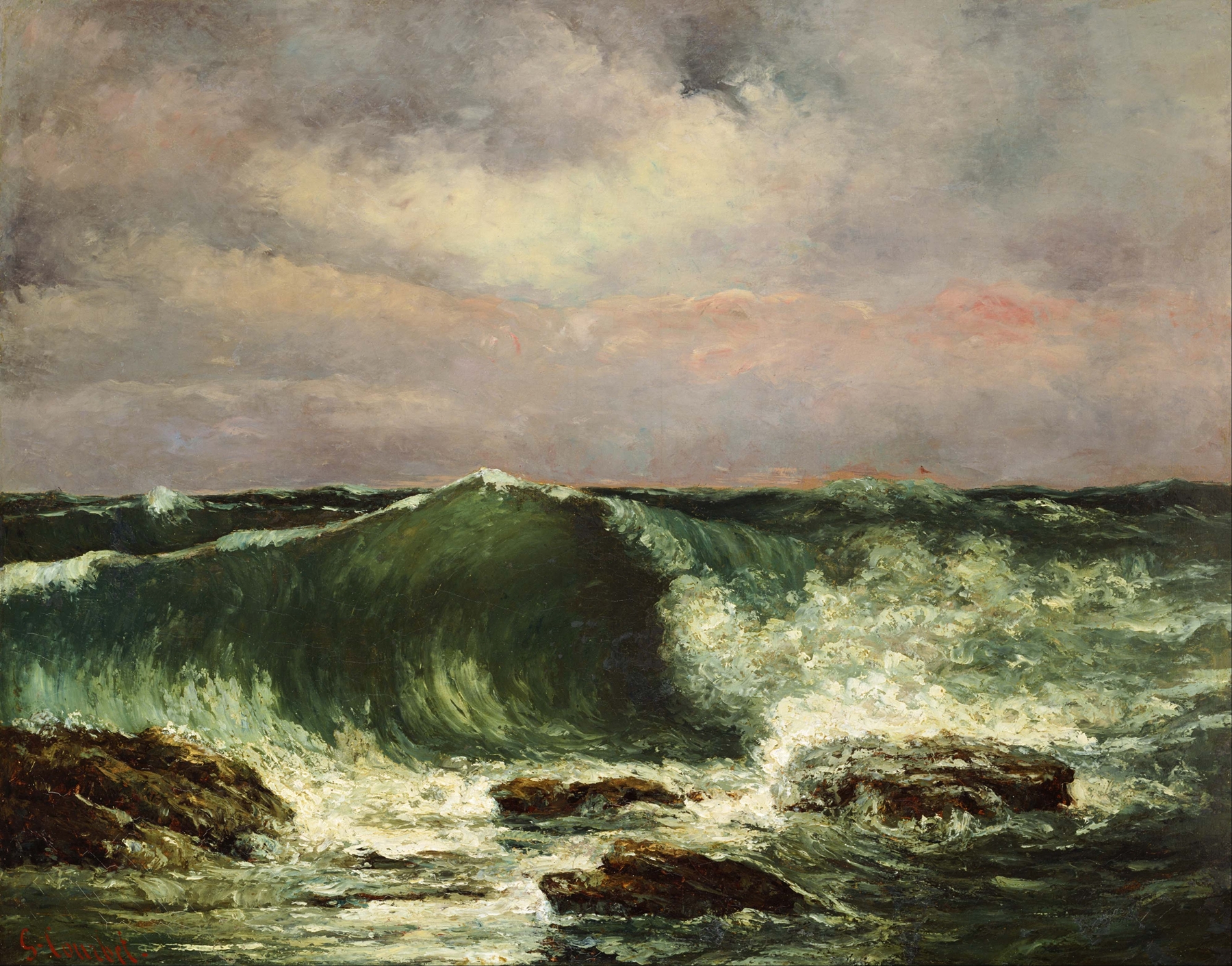
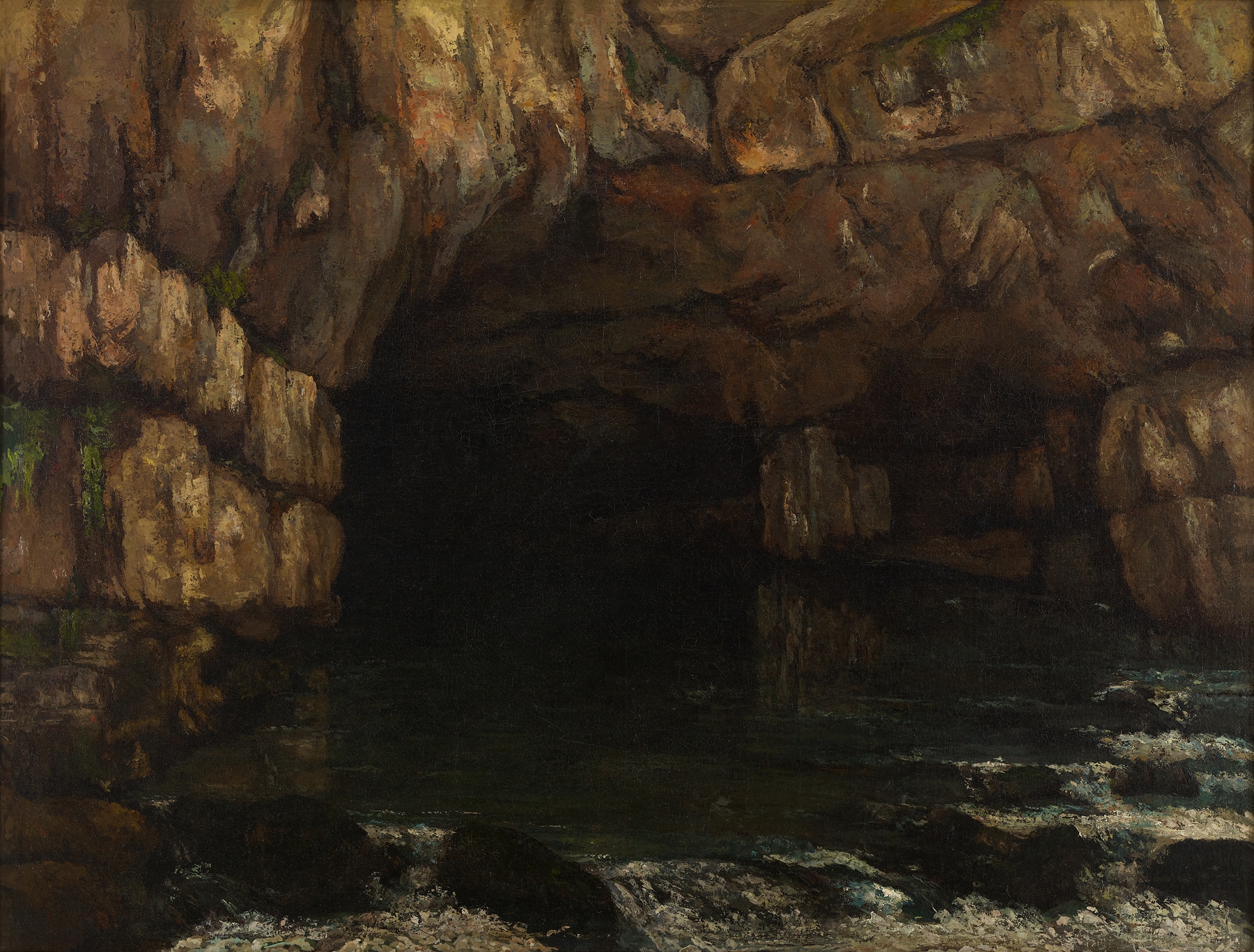
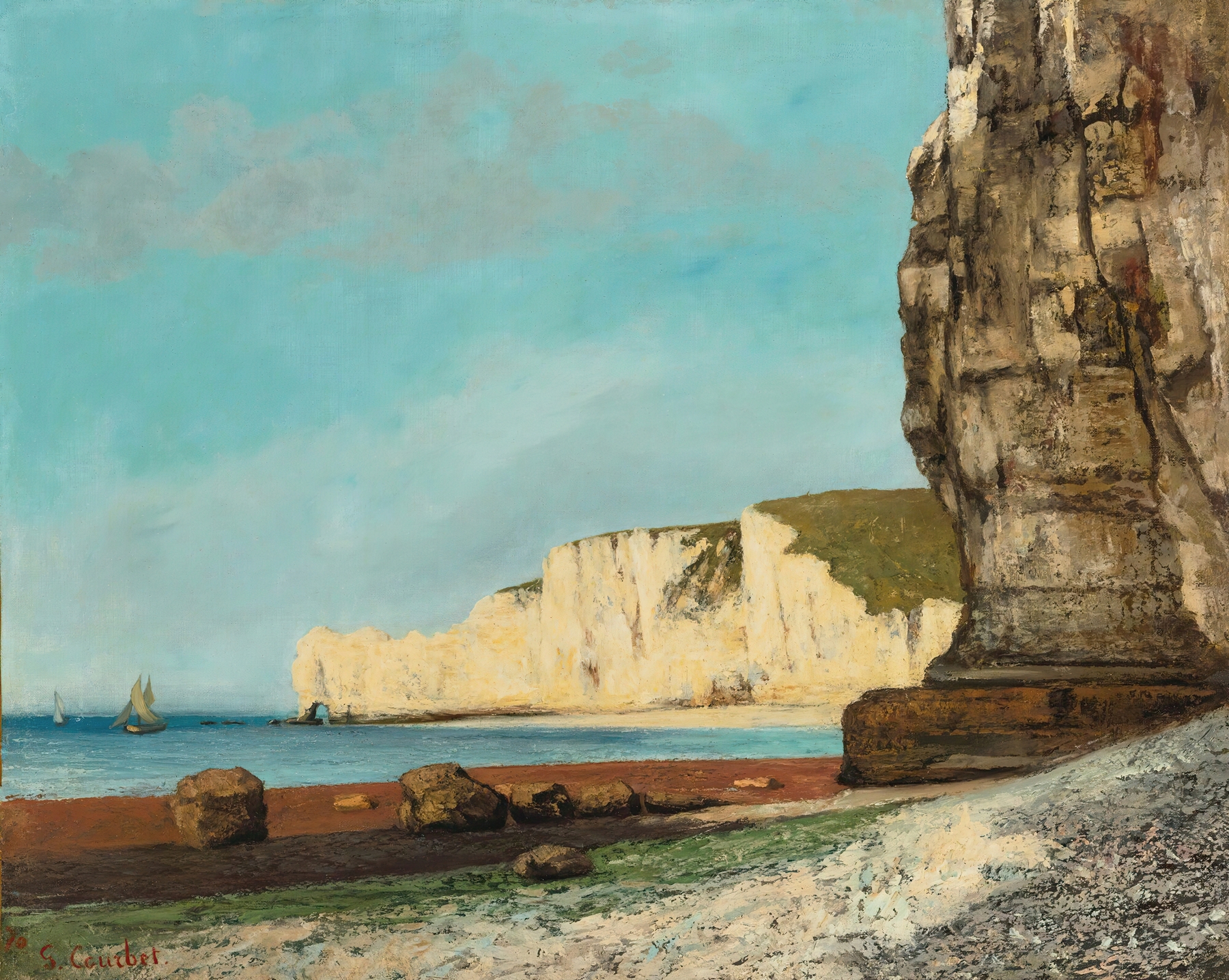
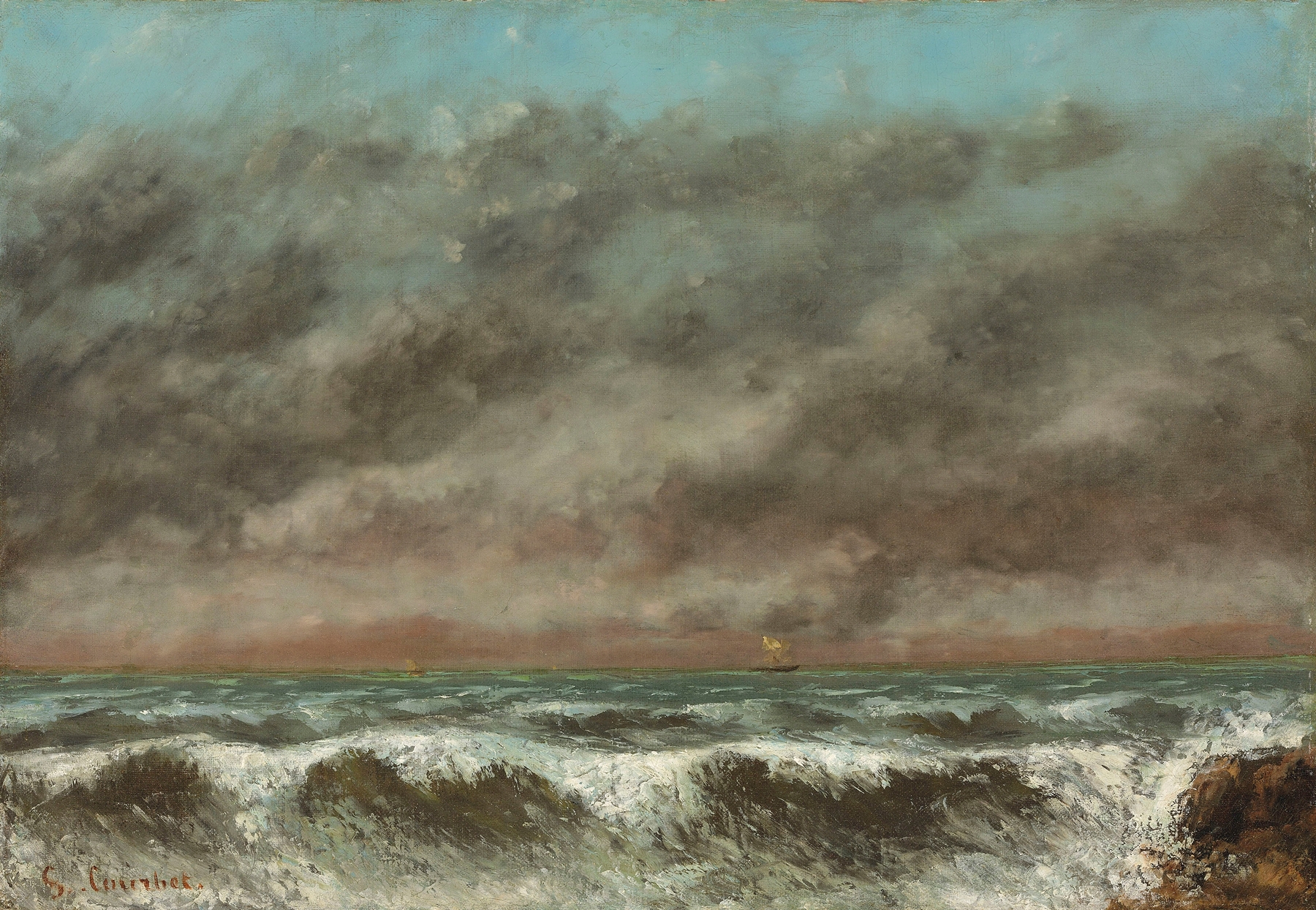
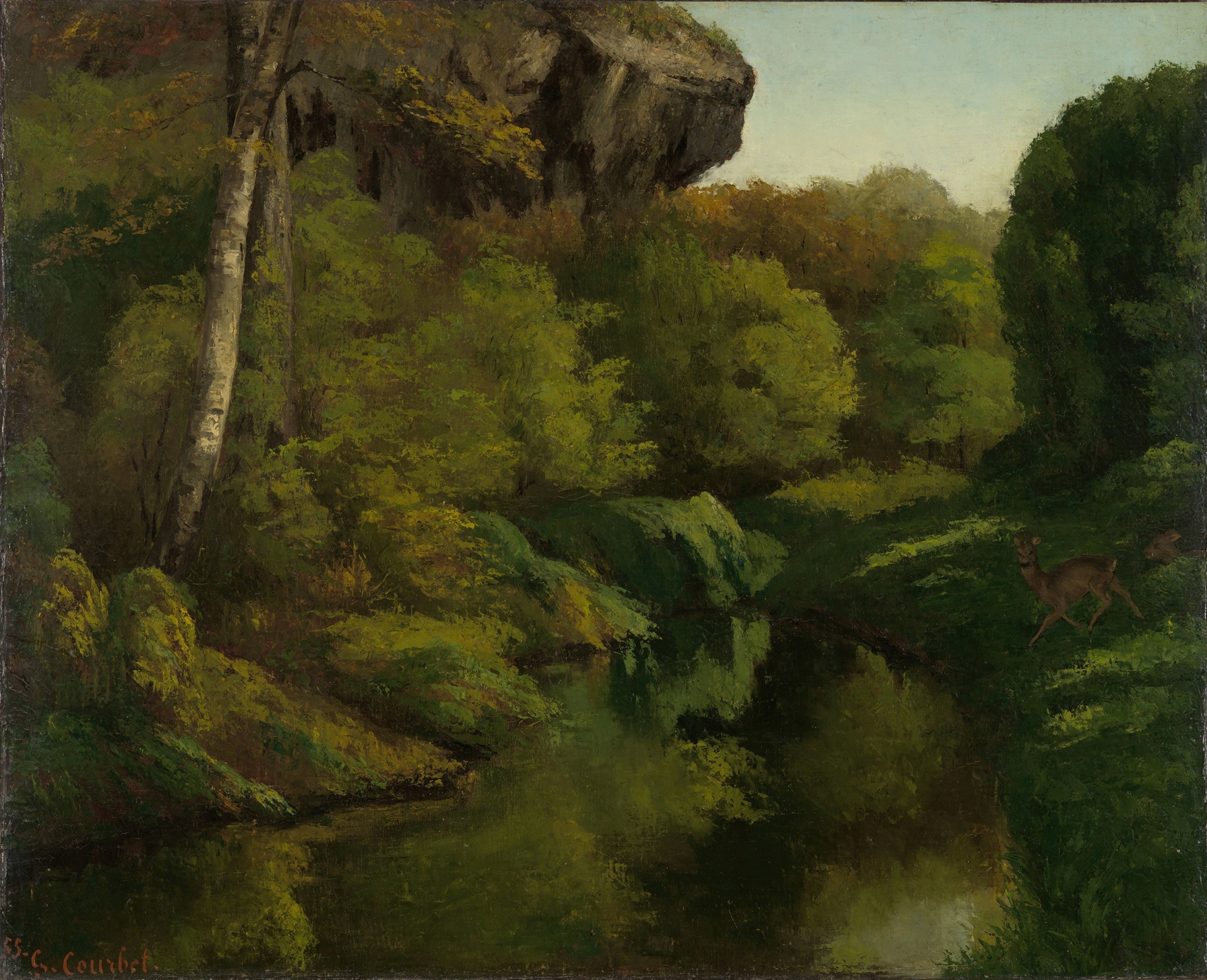
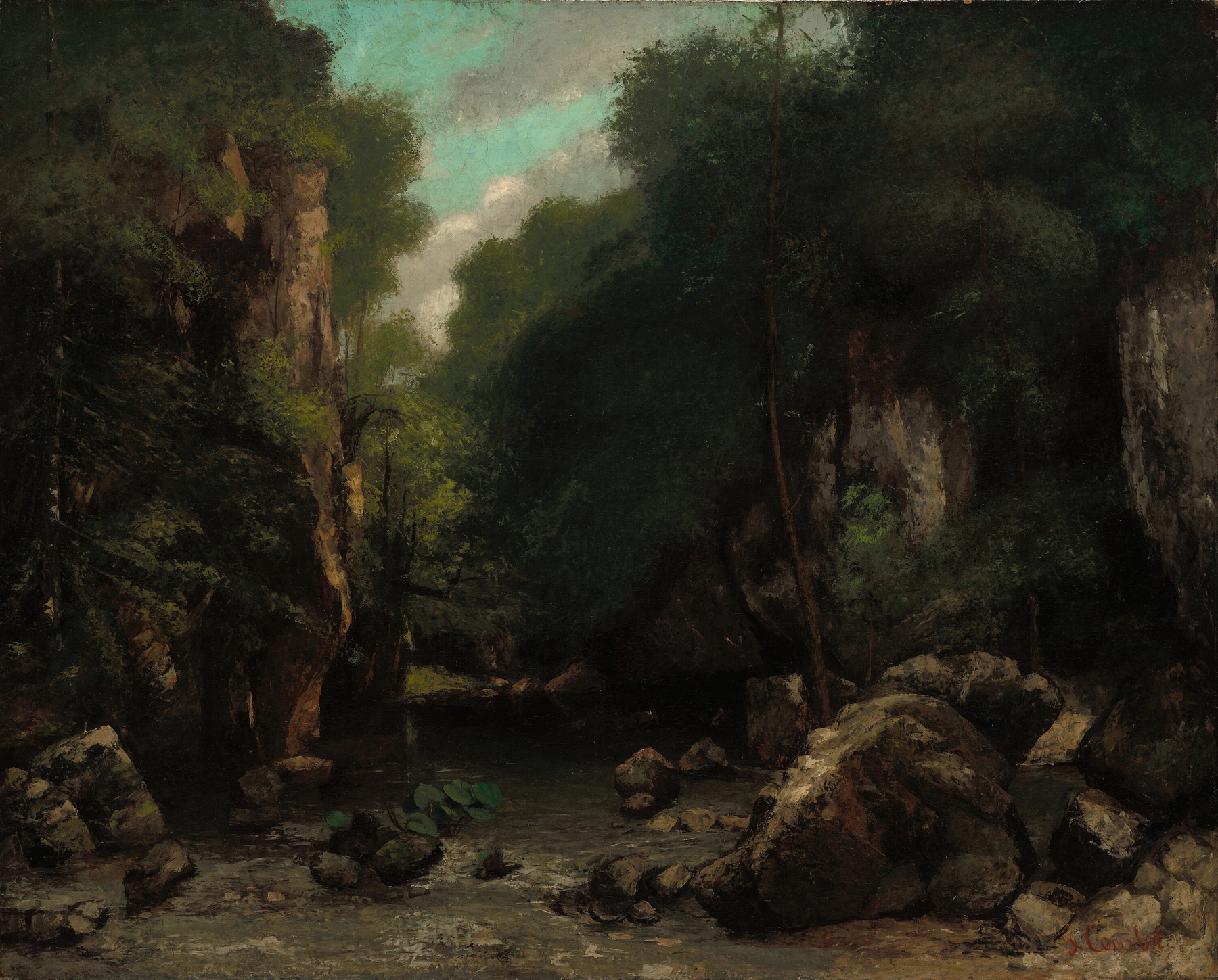
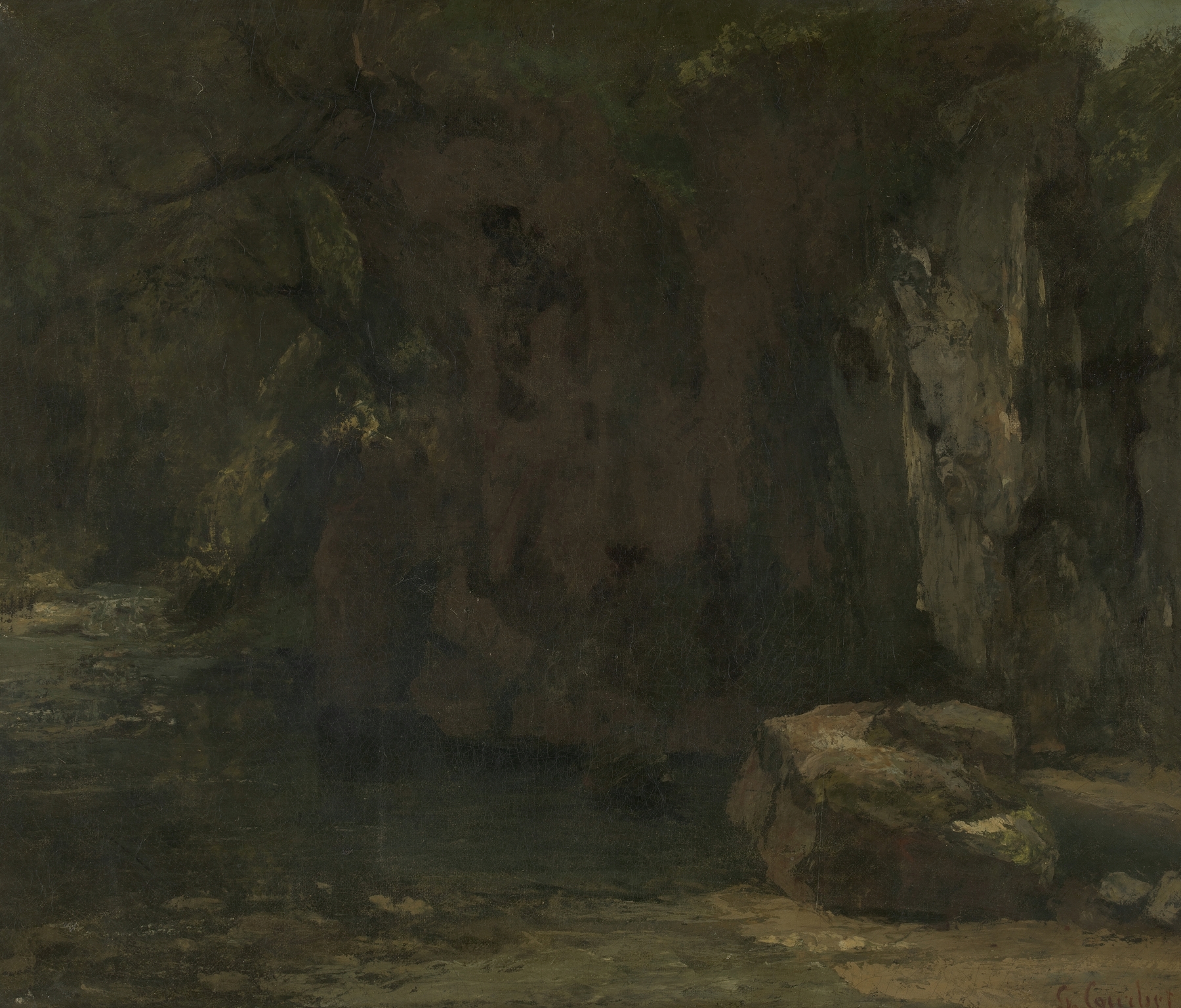
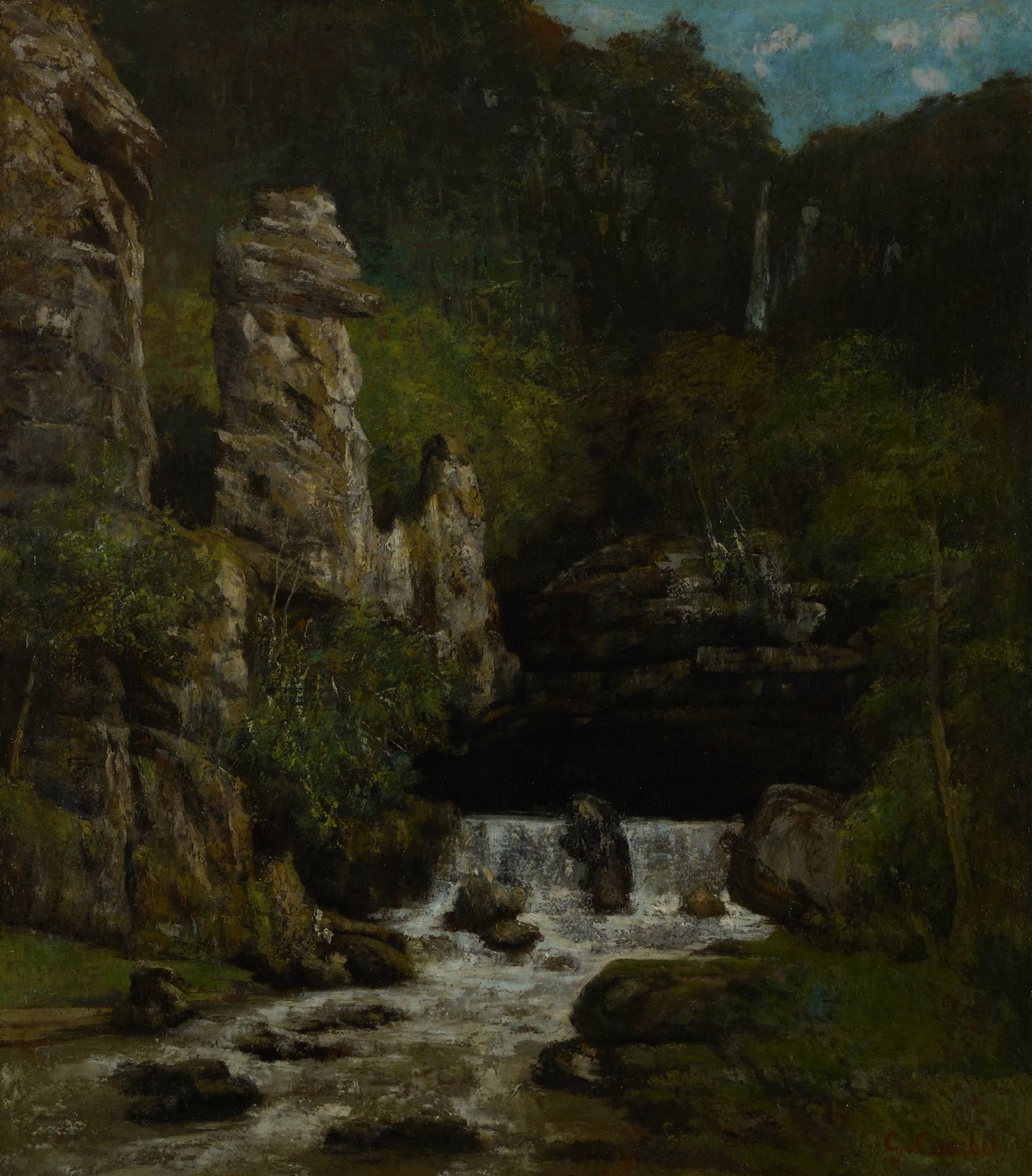
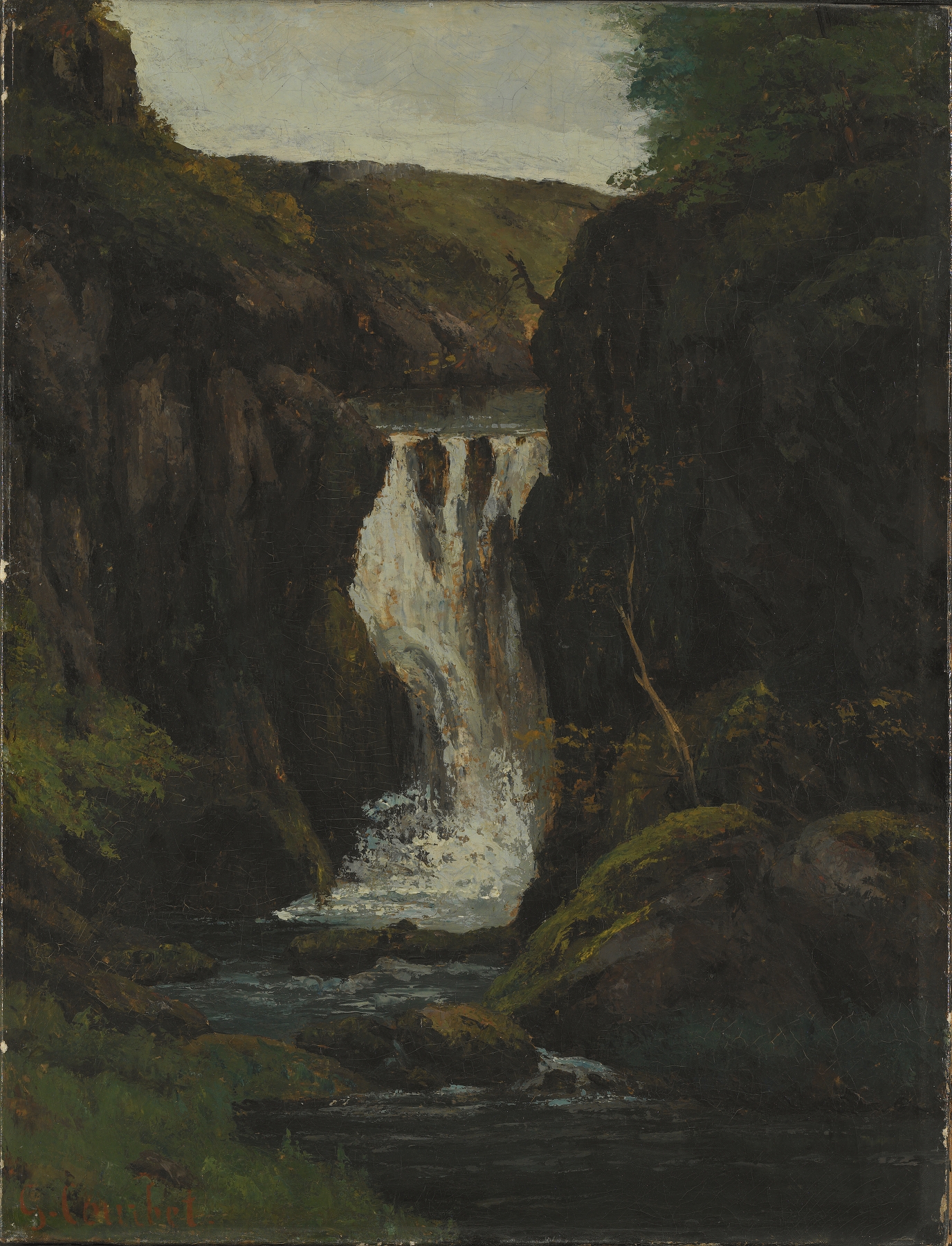
When did color learn to lie? In the depths of desire, hues whisper secrets and dreams—in this work, truth dances just beyond reach. Look to the right at the graceful curves of the cascading water, rendered with such rich, deep blues and greens that they seem to pulse with life. The play of light on the surface creates an illusion of movement, drawing your eye upwards to the rocky ledge, where strong, earthy browns anchor the scene.
Notice how the artist's brushwork, both fluid and deliberate, captures the interplay of shadow and illumination, revealing the intensity of nature’s beauty and the longing it inspires. The imagery encapsulates the tension between nature's raw power and an underlying yearning for serenity. The tumultuous rush of the waterfall symbolizes desire itself—uncontainable and fierce—while the surrounding stillness of the landscape hints at an ache for tranquility. Each element, from the turbulent water to the resilient rocks, reflects the complexity of human longing, suggesting that passion can be both exhilarating and overwhelming.
Created in the mid-19th century, this work emerged during a transformative period for Courbet, who was at the forefront of the Realism movement. He sought to depict the world around him with honesty, rejecting the idealism of previous art periods. As he crafted this piece, he was likely responding to the changing social landscape of France, a time marked by both industrial progress and a yearning for connection to nature.