Seaside landscape — History & Analysis
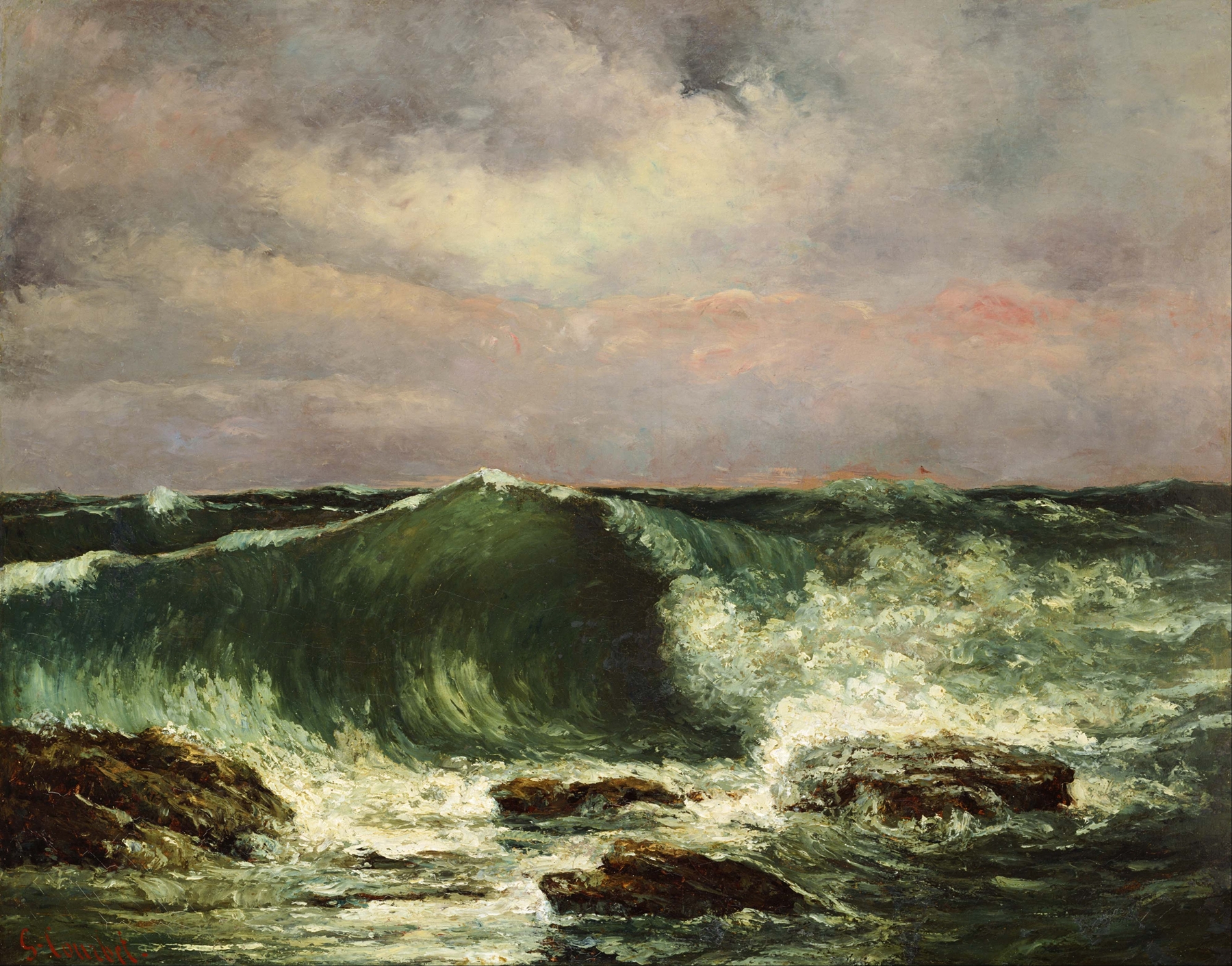
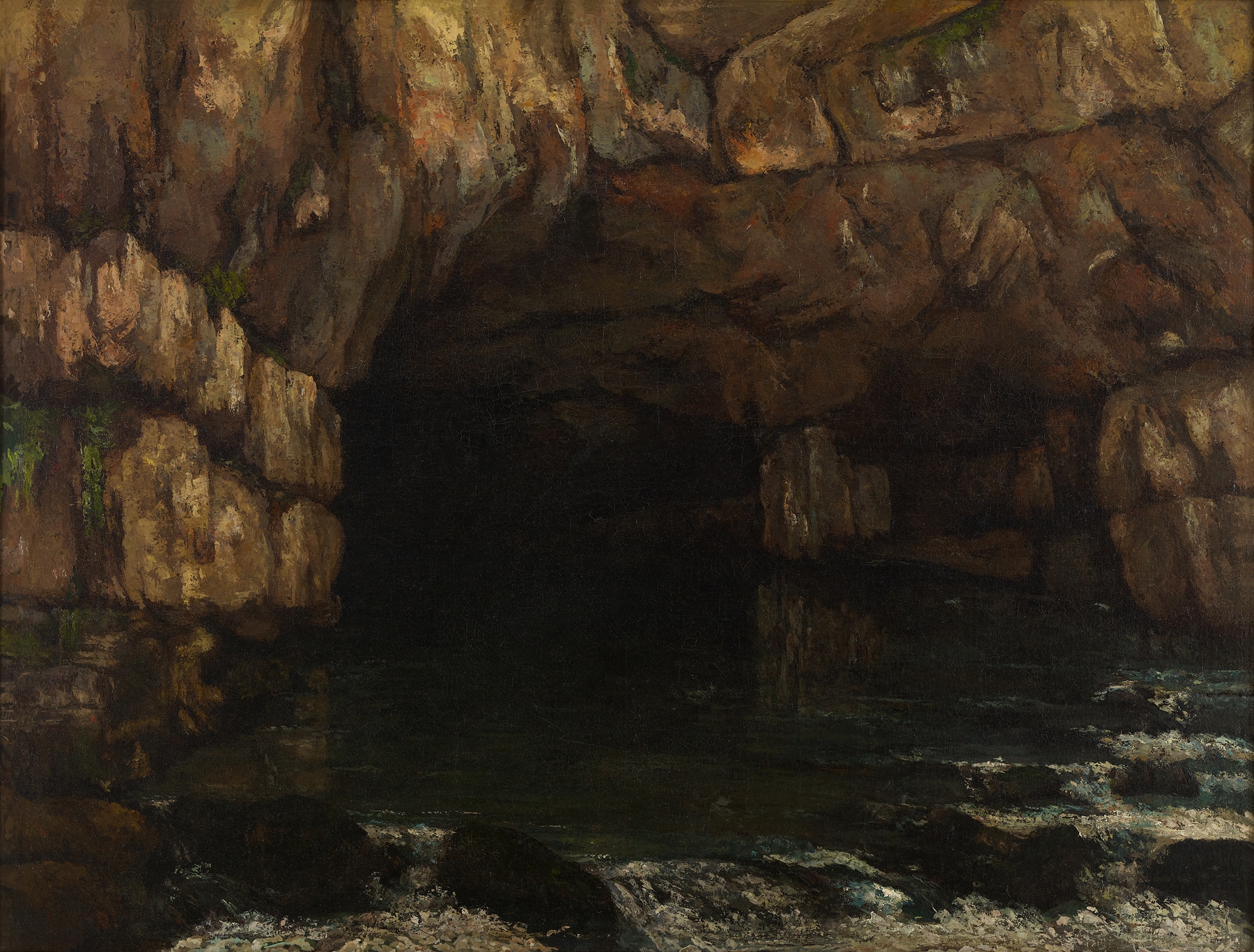
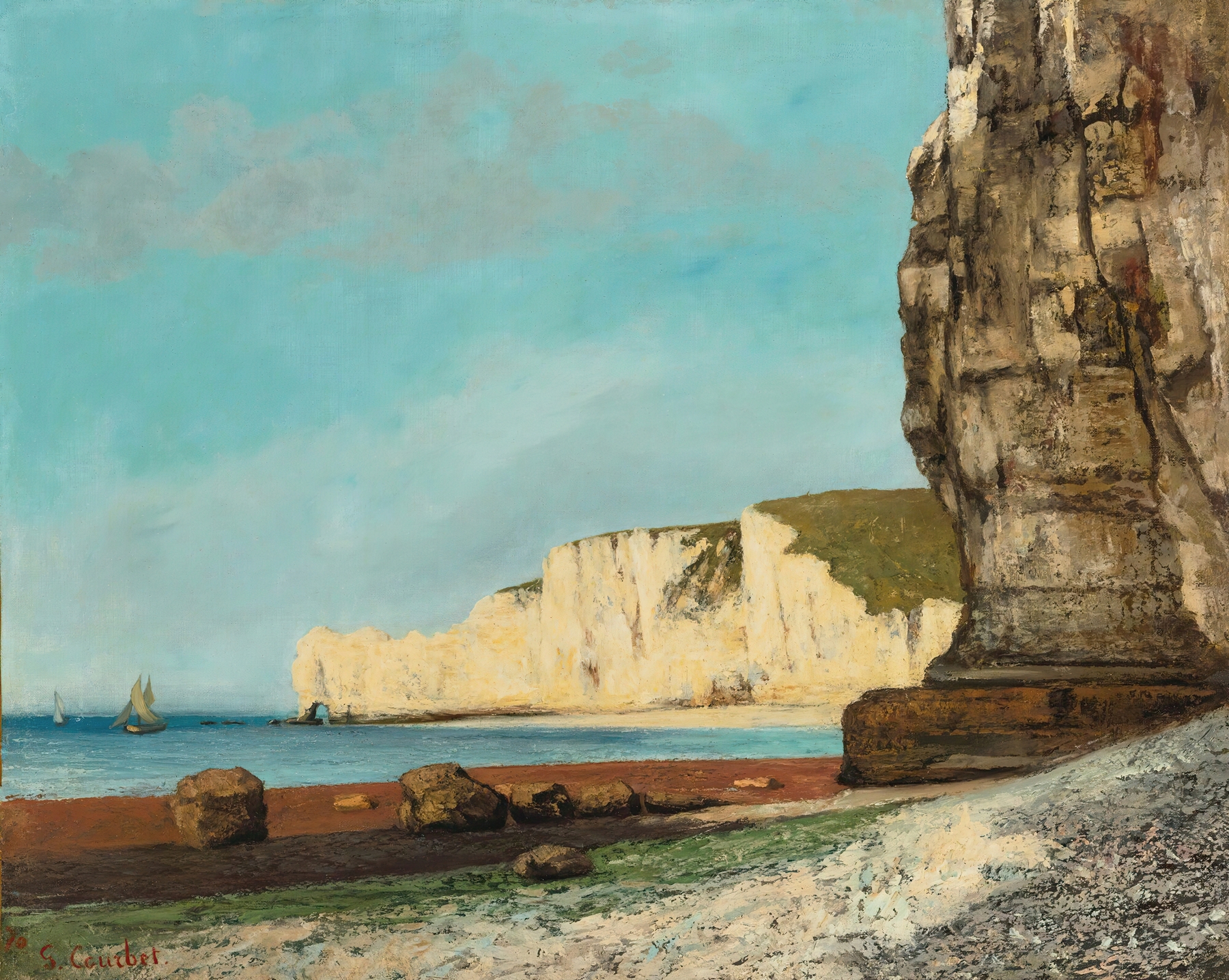
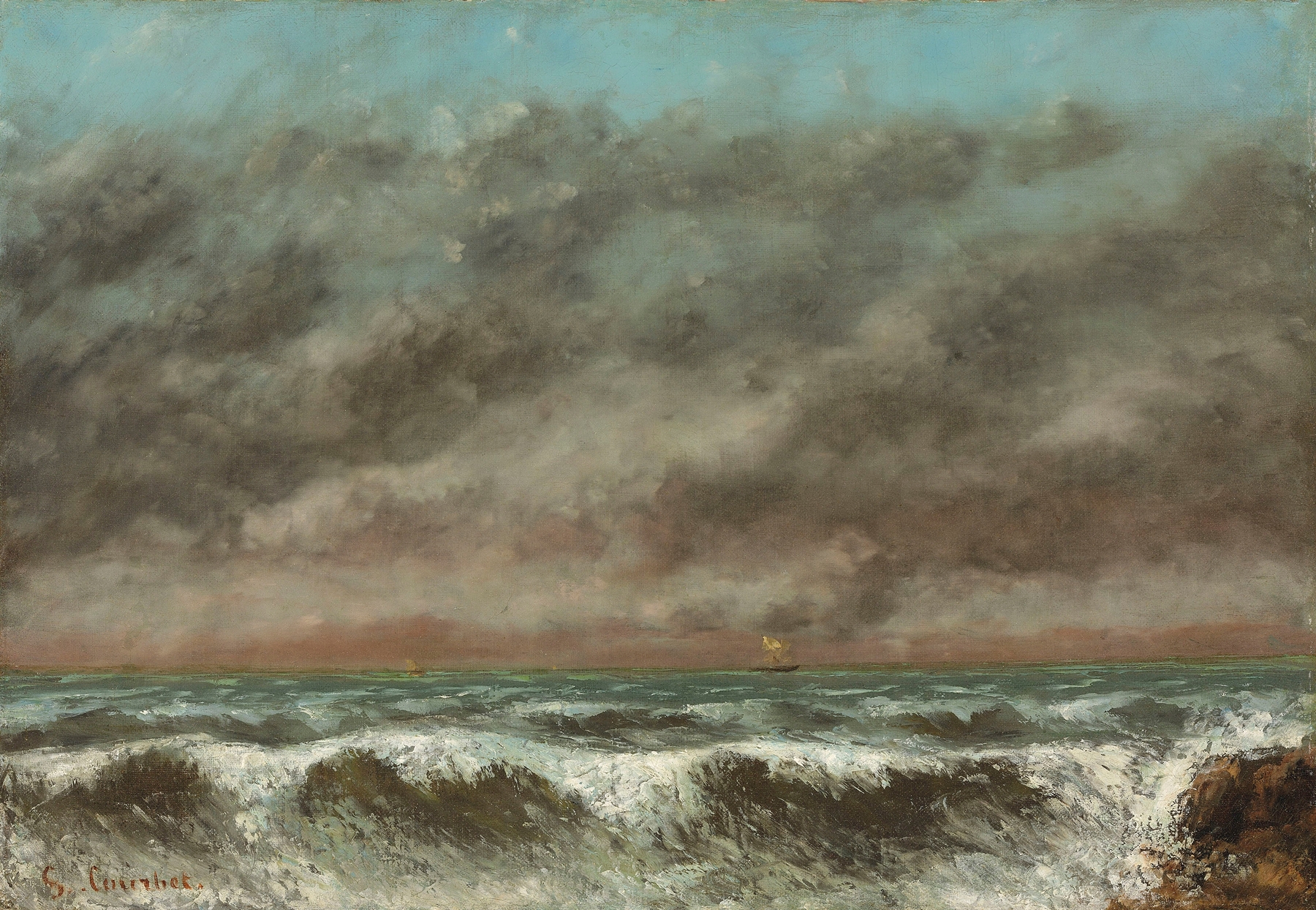
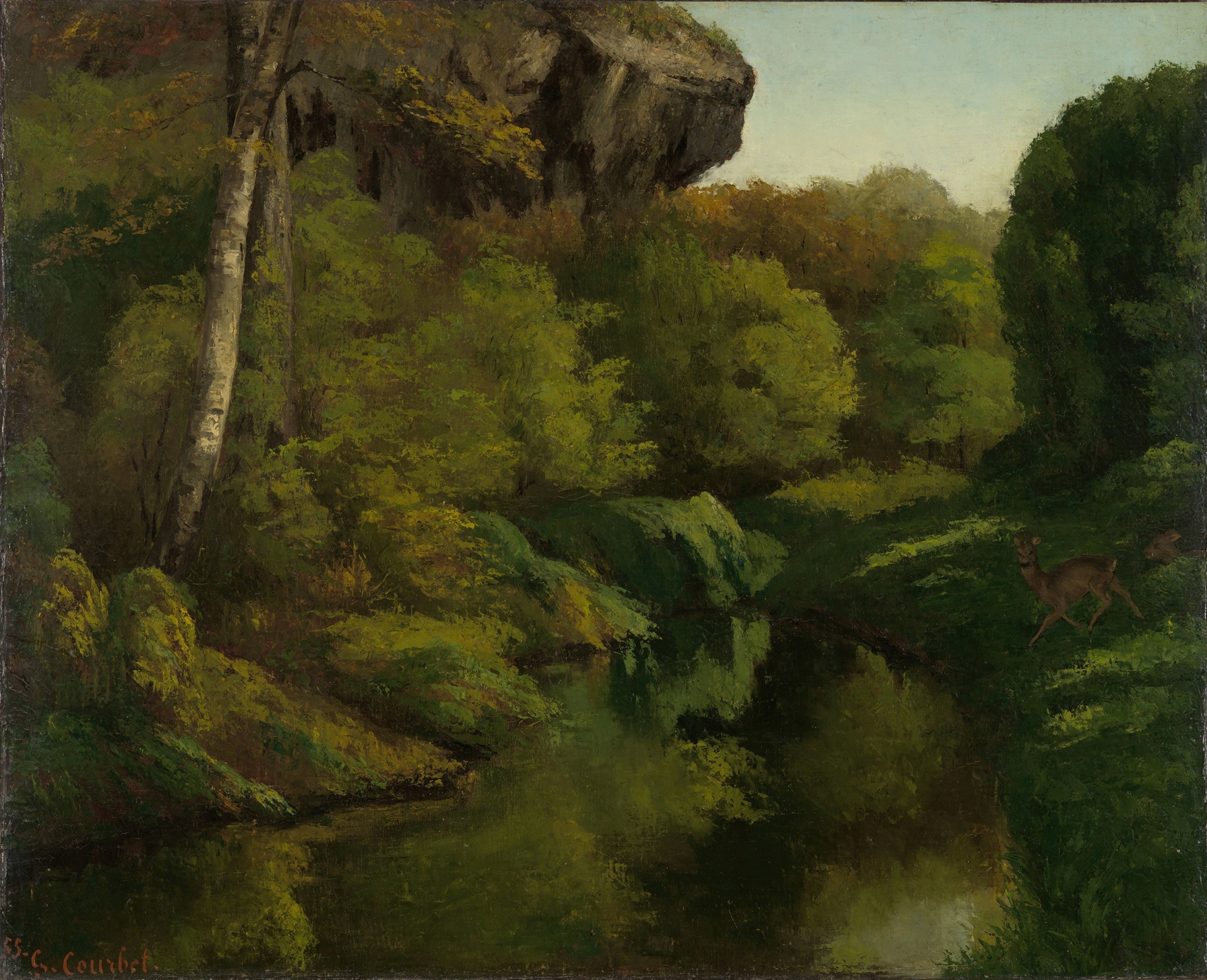
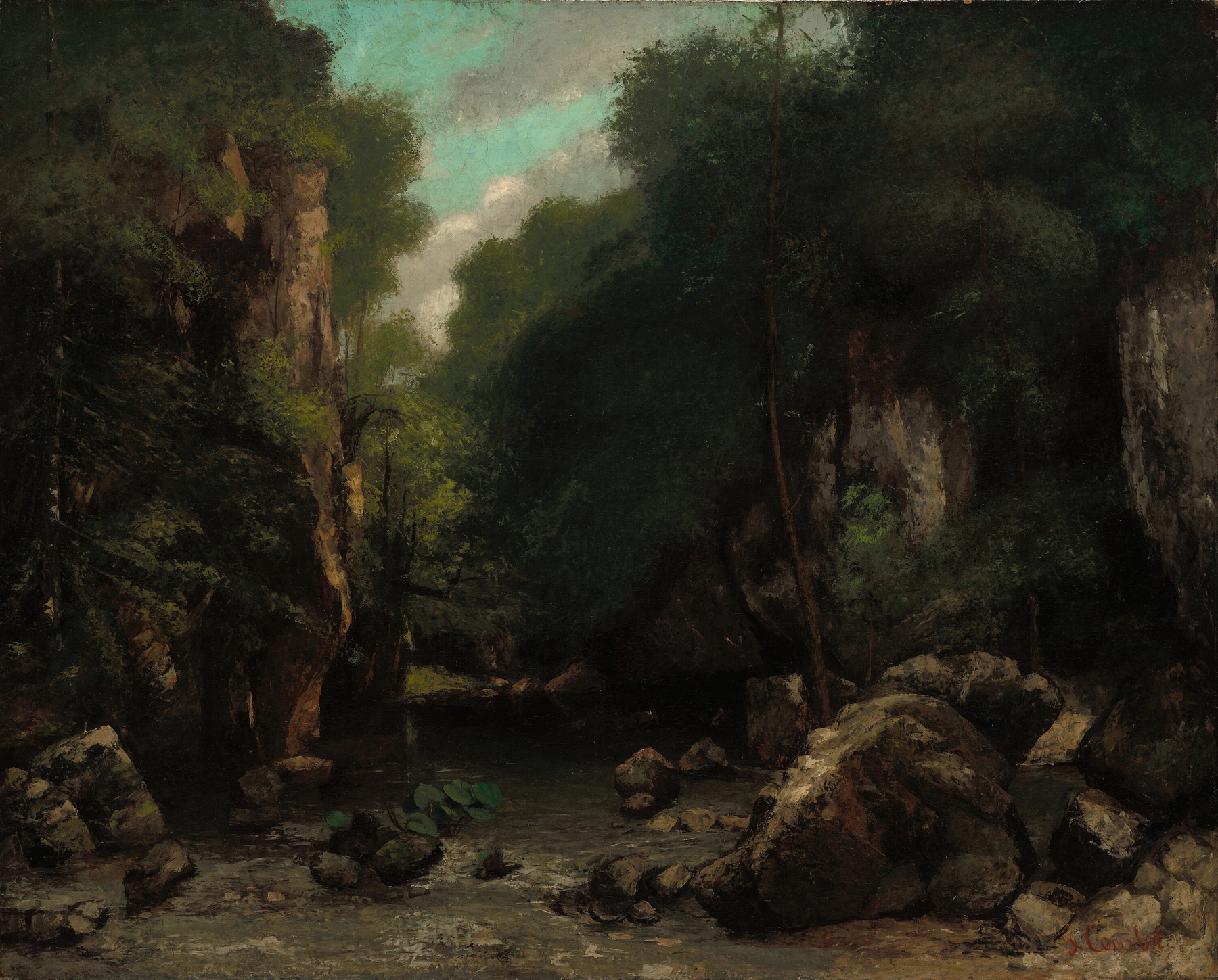
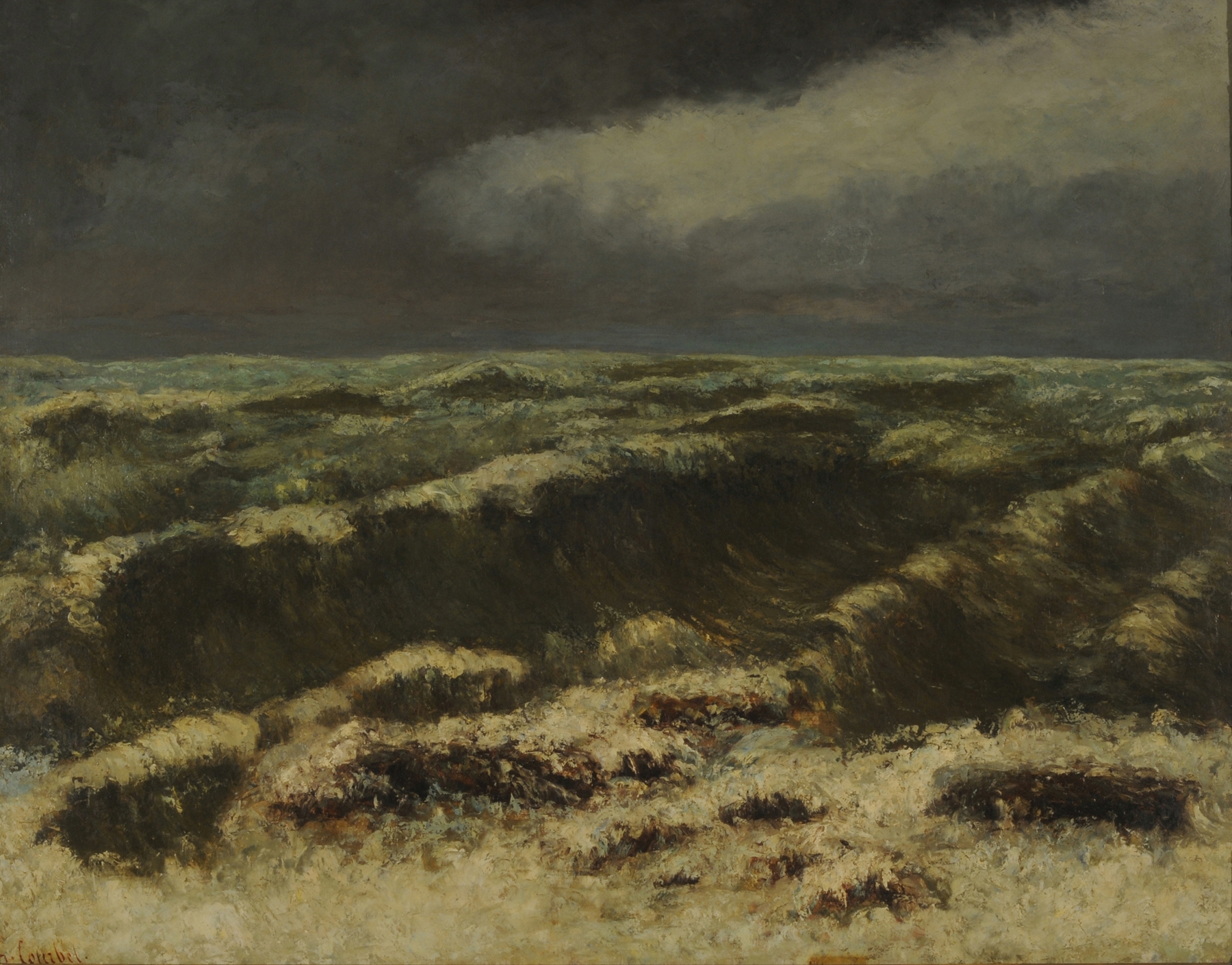
What if silence could speak through light? In the stillness of a seaside landscape, nature holds its breath, revealing the destiny of the world in gentle hues and whispered waves. Look to the horizon where the soft blue sky kisses the shimmering sea, each brushstroke delicately capturing the interplay of light and water. Notice how the clouds, painted with a blend of whites and grays, drift lazily, mirroring the serene yet profound stillness of the moment.
The vibrant greens of the grass and the rocky foreground invite you to wander closer, while the rhythmic waves hint at stories untold, evoking a sense of timelessness that beckons the viewer. Hidden within this tranquil scene lies the tension between the ephemeral and the eternal. The contrast between the lively, warm tones of the land and the cool, calming blues of the ocean signals a harmony between earth and water, yet reminds us of life’s fleeting moments. Each subtle detail—the texture of the rocks, the glint of light on water—suggests that even in stillness, there is an undercurrent of movement and destiny waiting to unfold.
Completed in 1863 while Courbet was in his native France, this painting emerged during a pivotal time in the artist's life. The year marked a moment of artistic rebellion, as Courbet began championing realism against the prevailing romantic ideals. His focus on capturing nature without idealization reflected both personal conviction and broader shifts in the art world, as artists sought to depict truth over embellishment.