The Valley of Les Puits-Noir — History & Analysis
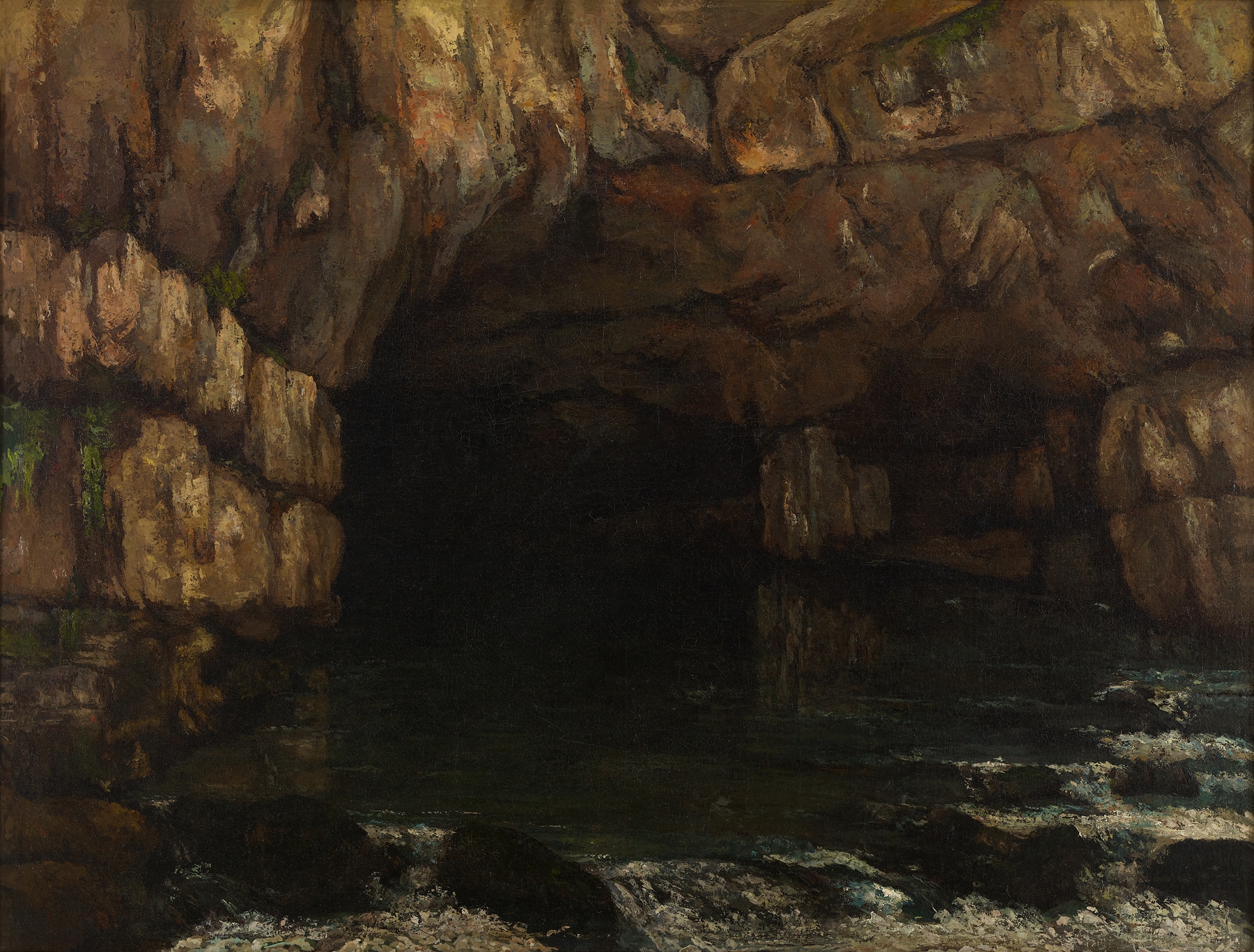
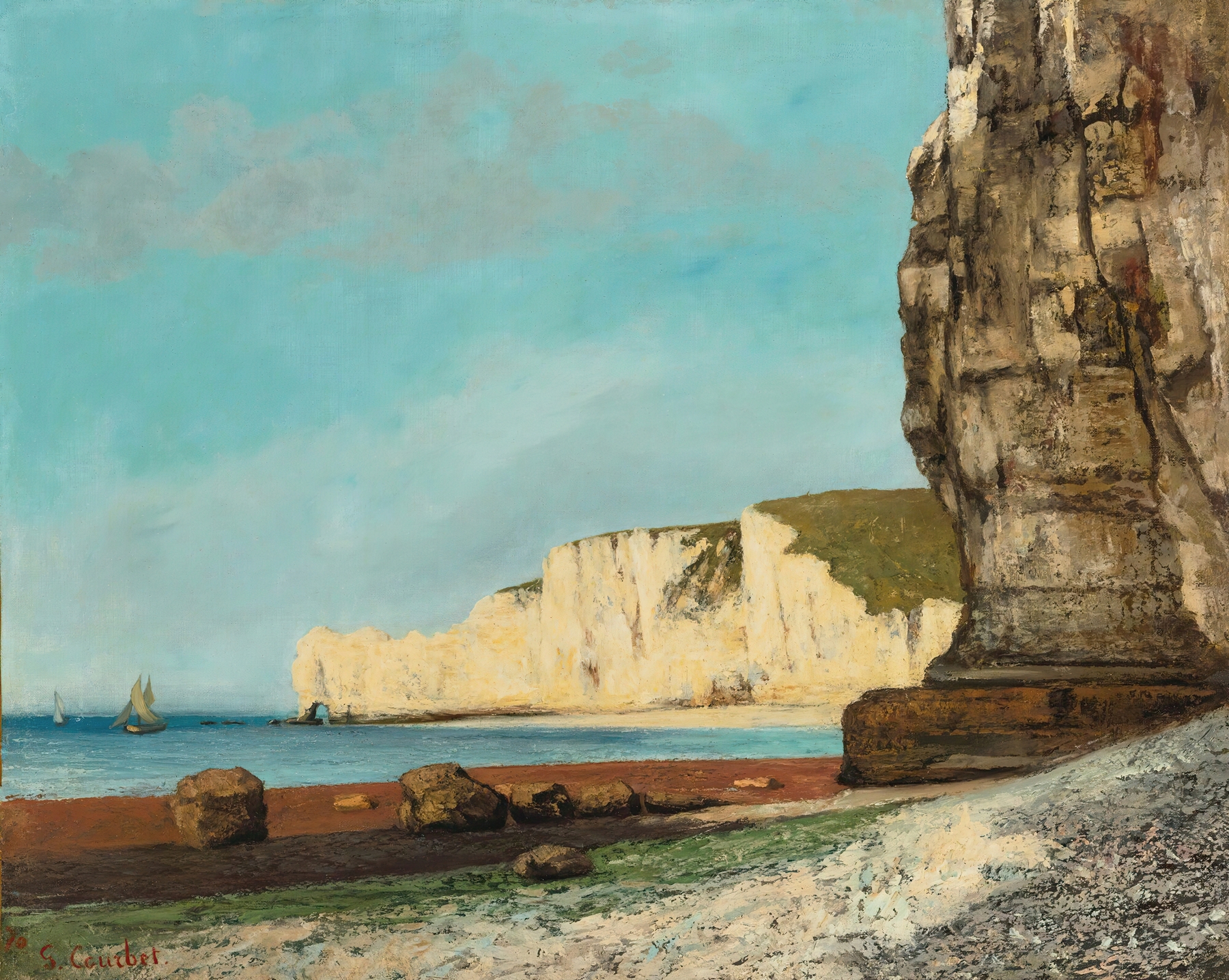
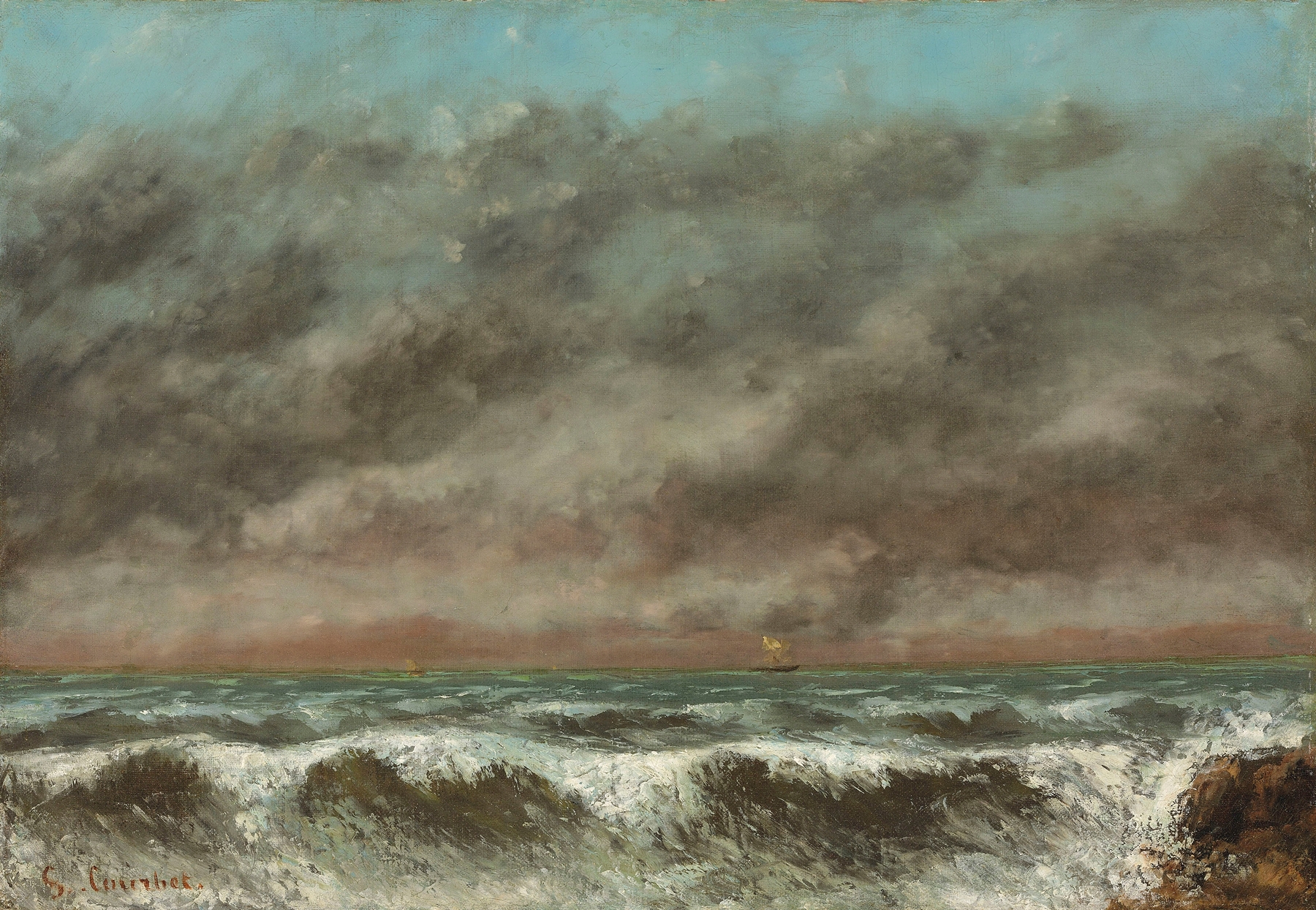
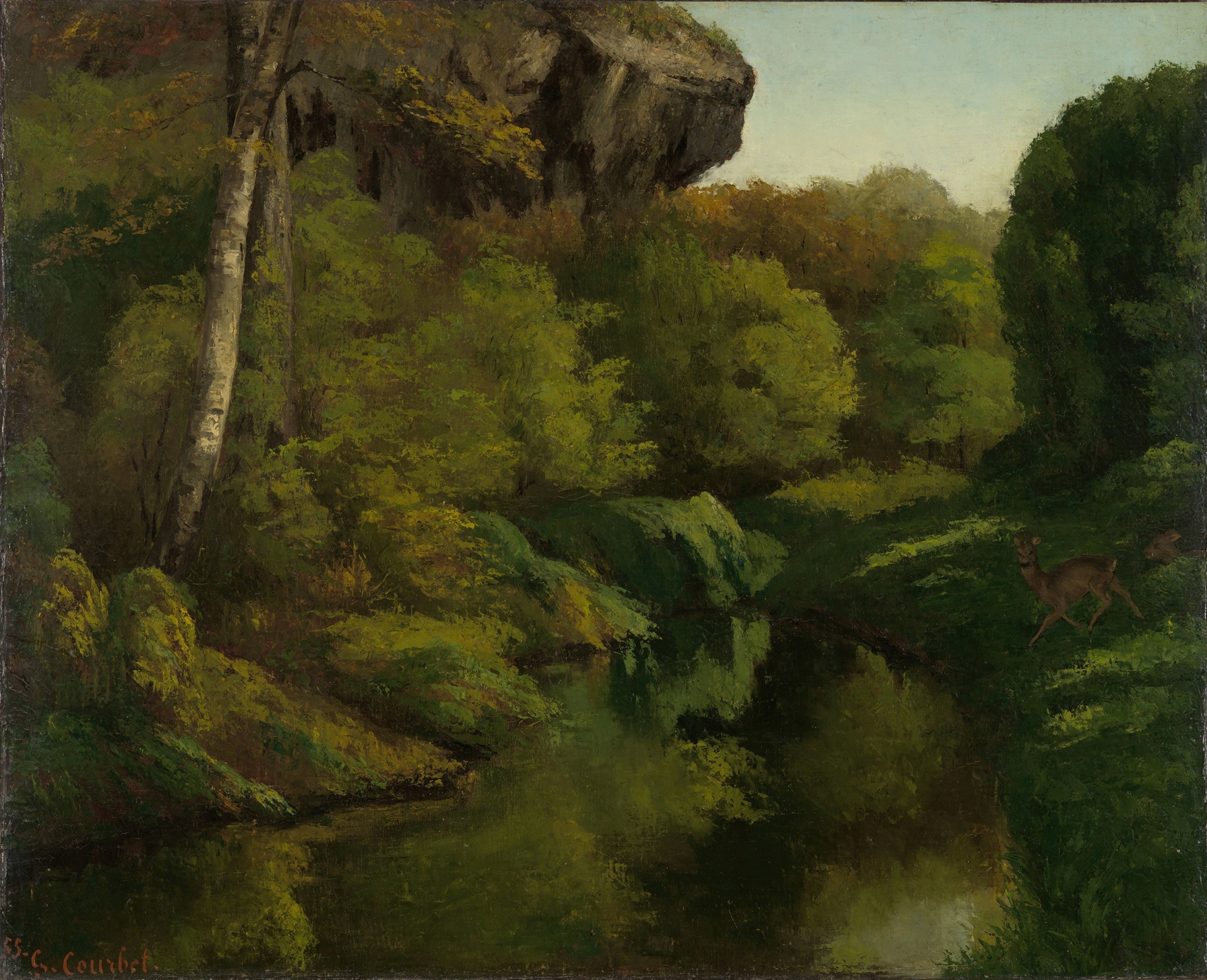
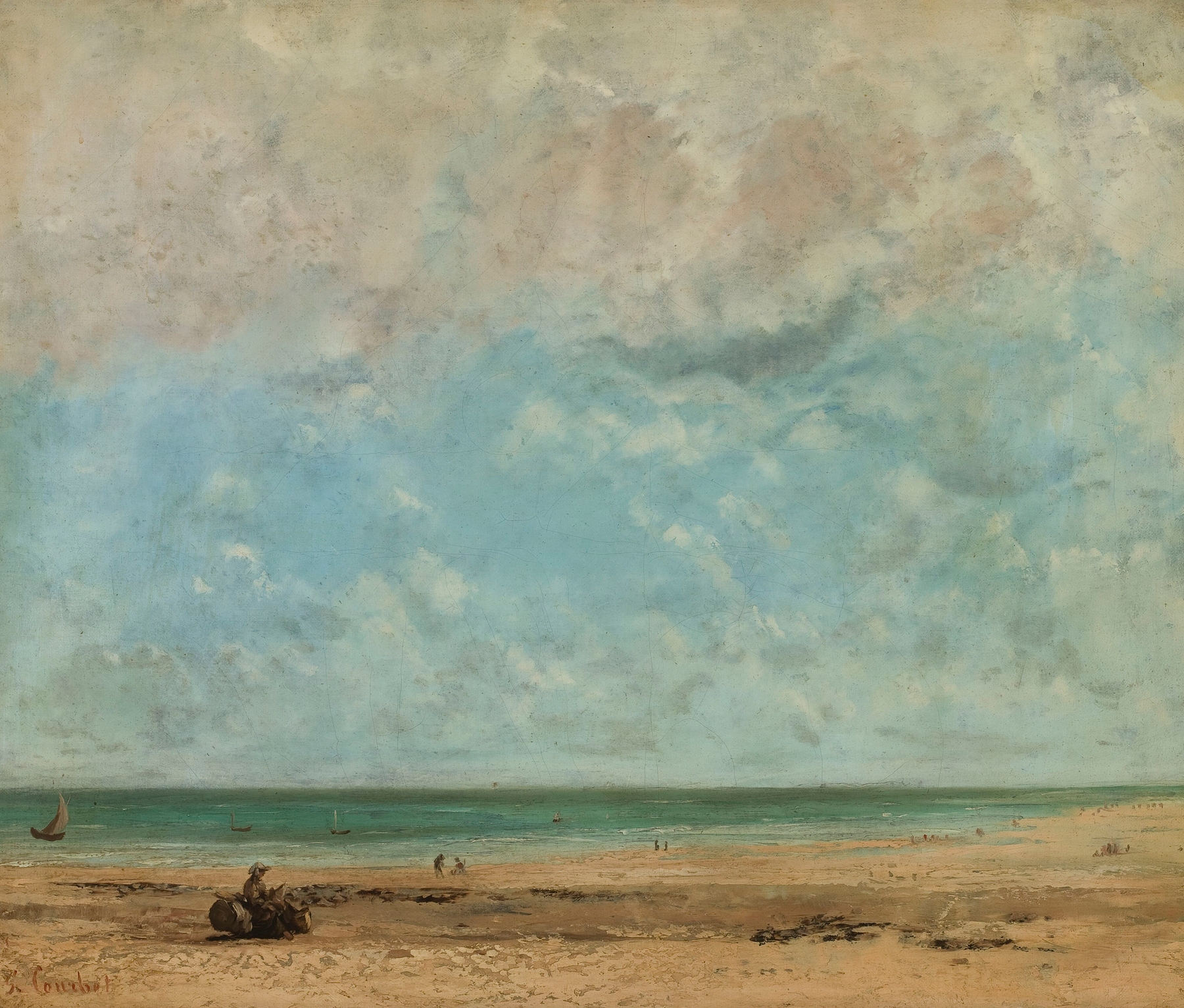
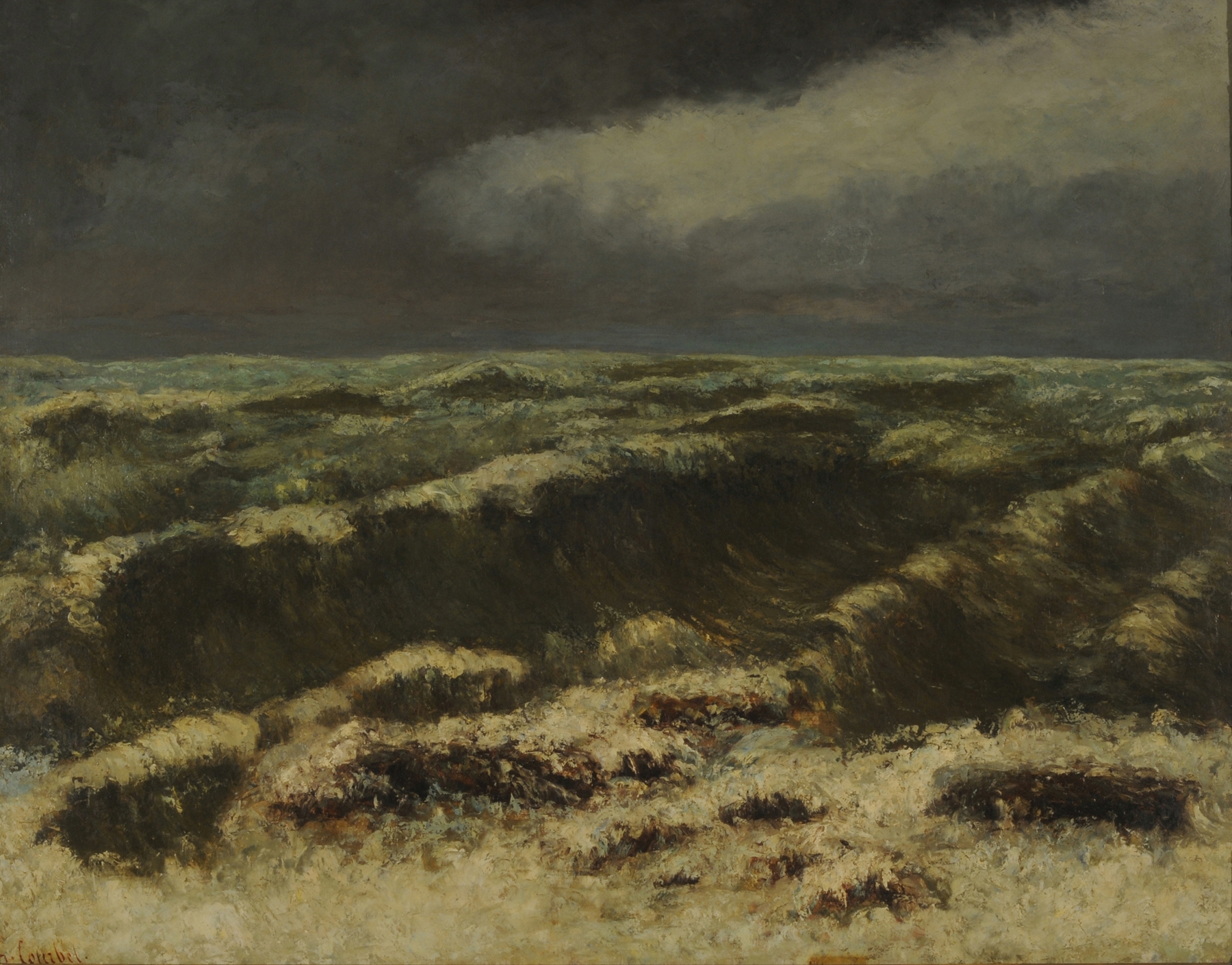
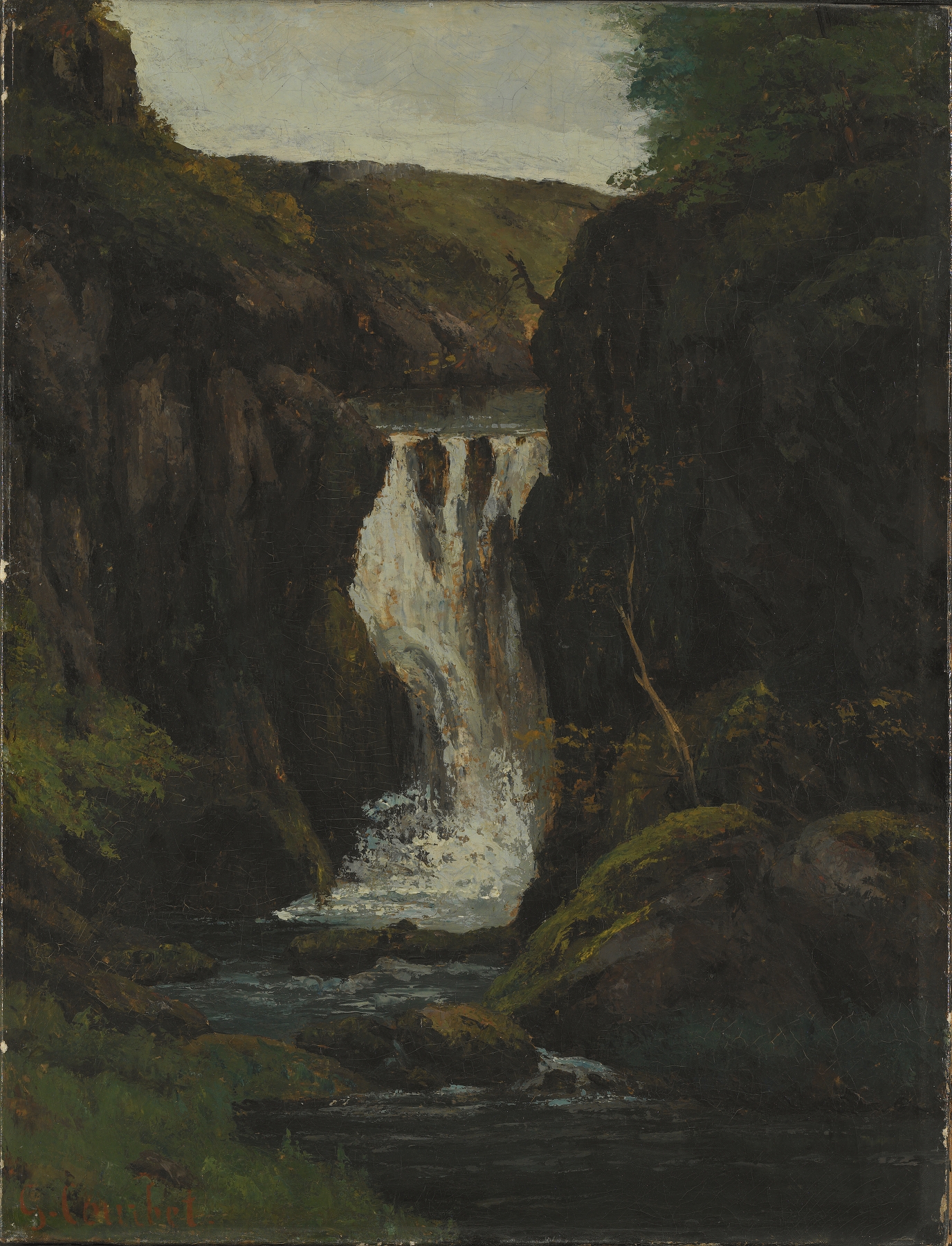
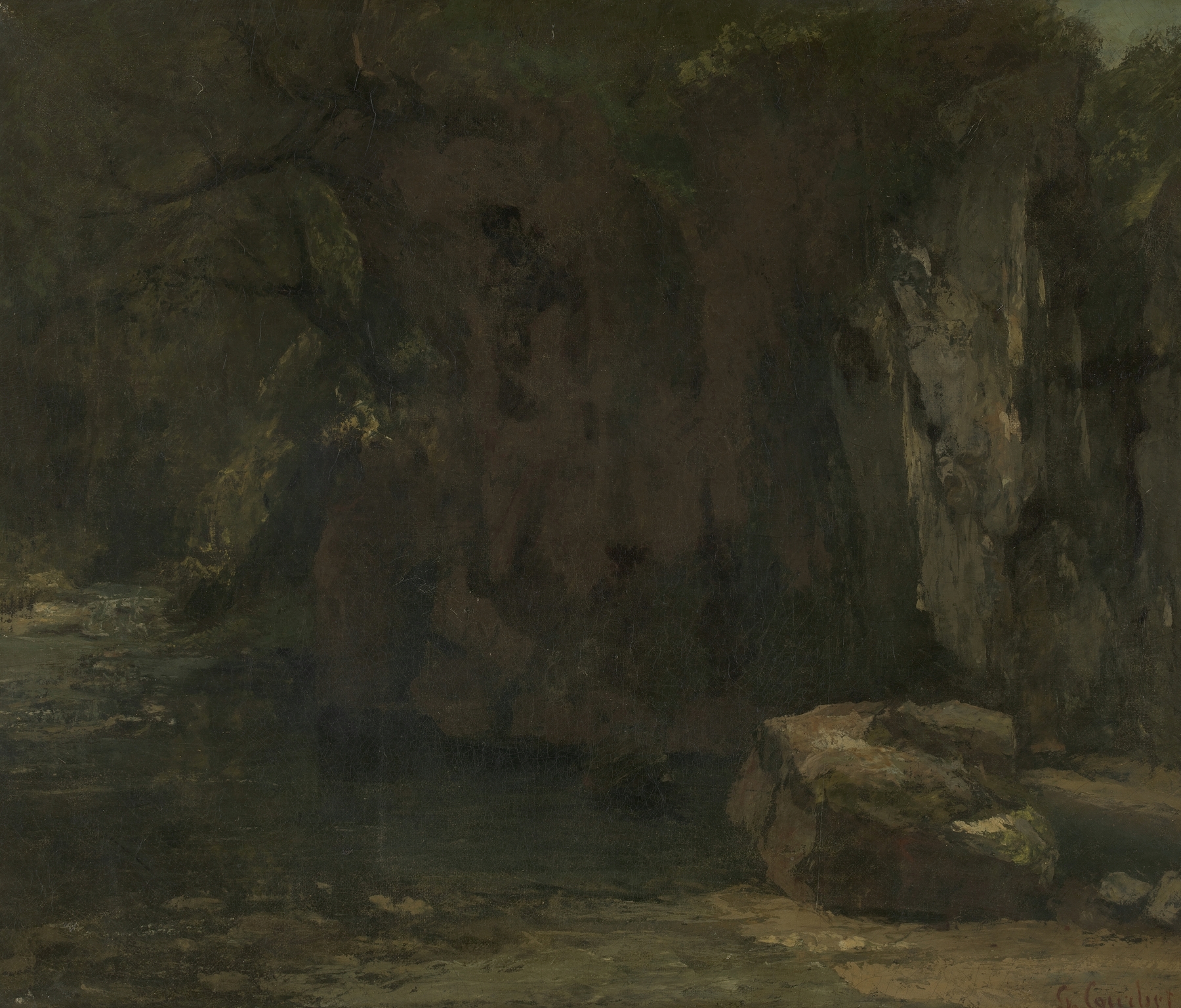
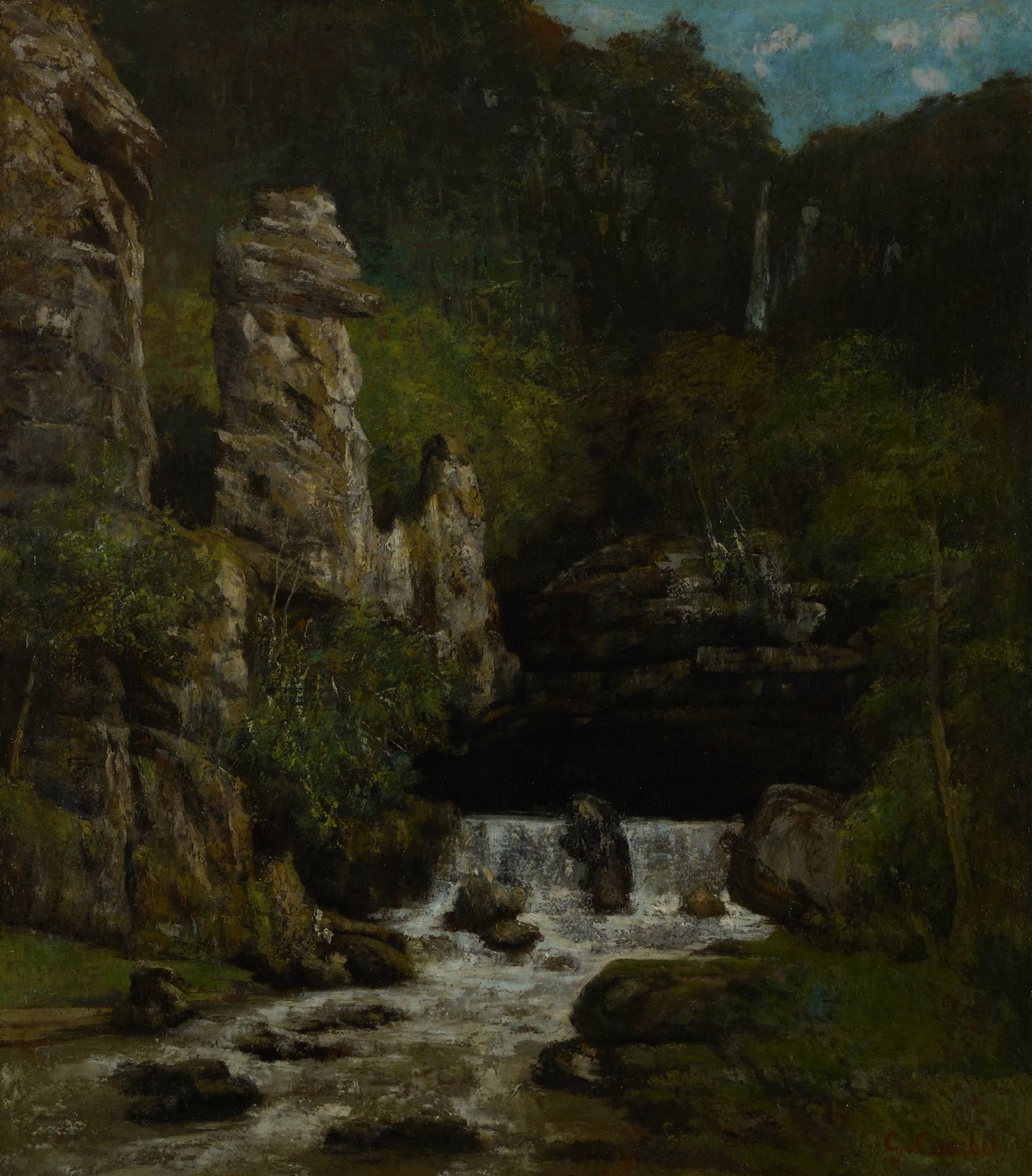
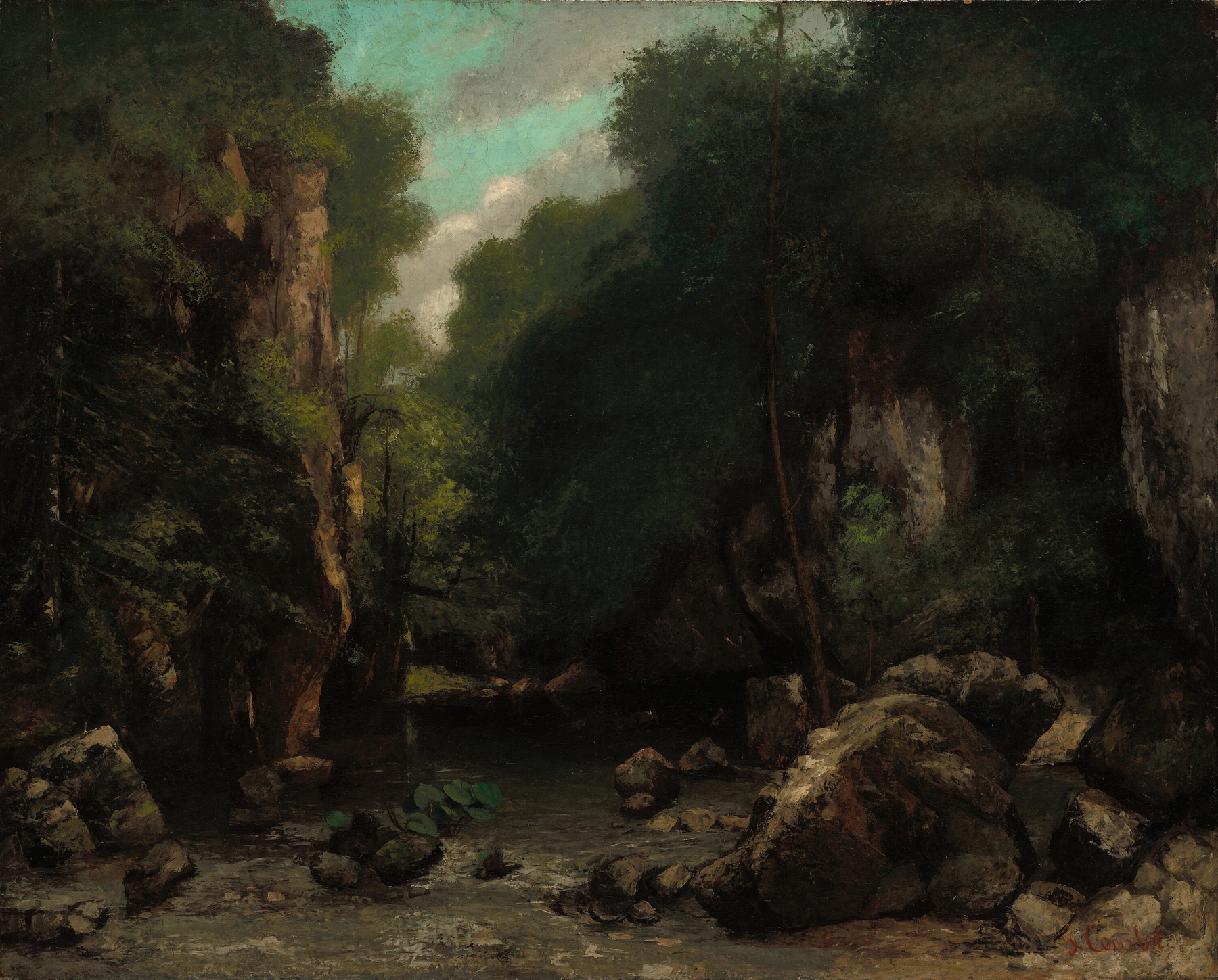
Could a single brushstroke hold eternity? Gustave Courbet’s The Valley of Les Puits-Noir exemplifies the awe of nature, inviting viewers to lose themselves in the grandeur of the landscape. Focus on the sweeping horizon that stretches across the canvas, where rich greens and browns intertwine under a softly illuminated sky. Look to the left, where textured brushstrokes create a sense of depth in the forested hills. Notice how the light dances on the foliage, enhancing the vibrant hues and giving life to the rugged terrain.
This interplay of light and shadow reveals Courbet’s masterful technique, capturing the authenticity of an untouched natural world. Yet, beyond the beauty lies a poignant tension. The valley, while idyllic, hints at isolation, as if it stands apart from the passage of time. The gentle curve of the landscape invites contemplation, urging the viewer to reflect on the impermanence of human existence compared to nature’s eternal presence.
This duality of tranquility and solitude infuses the scene with a sense of longing, urging one to consider both the fleeting and the infinite. In 1868, Courbet created this work during a pivotal moment in his career, while firmly establishing himself as a leader of the Realist movement. At a time when Romanticism still lingered in the art world, he sought to depict nature as it truly was, reflecting a growing fascination with authenticity. Painted in the French countryside, The Valley of Les Puits-Noir captures both personal and collective aspirations, echoing his desire to connect deeply with the world around him.