The Cliffs of the Loue — History & Analysis
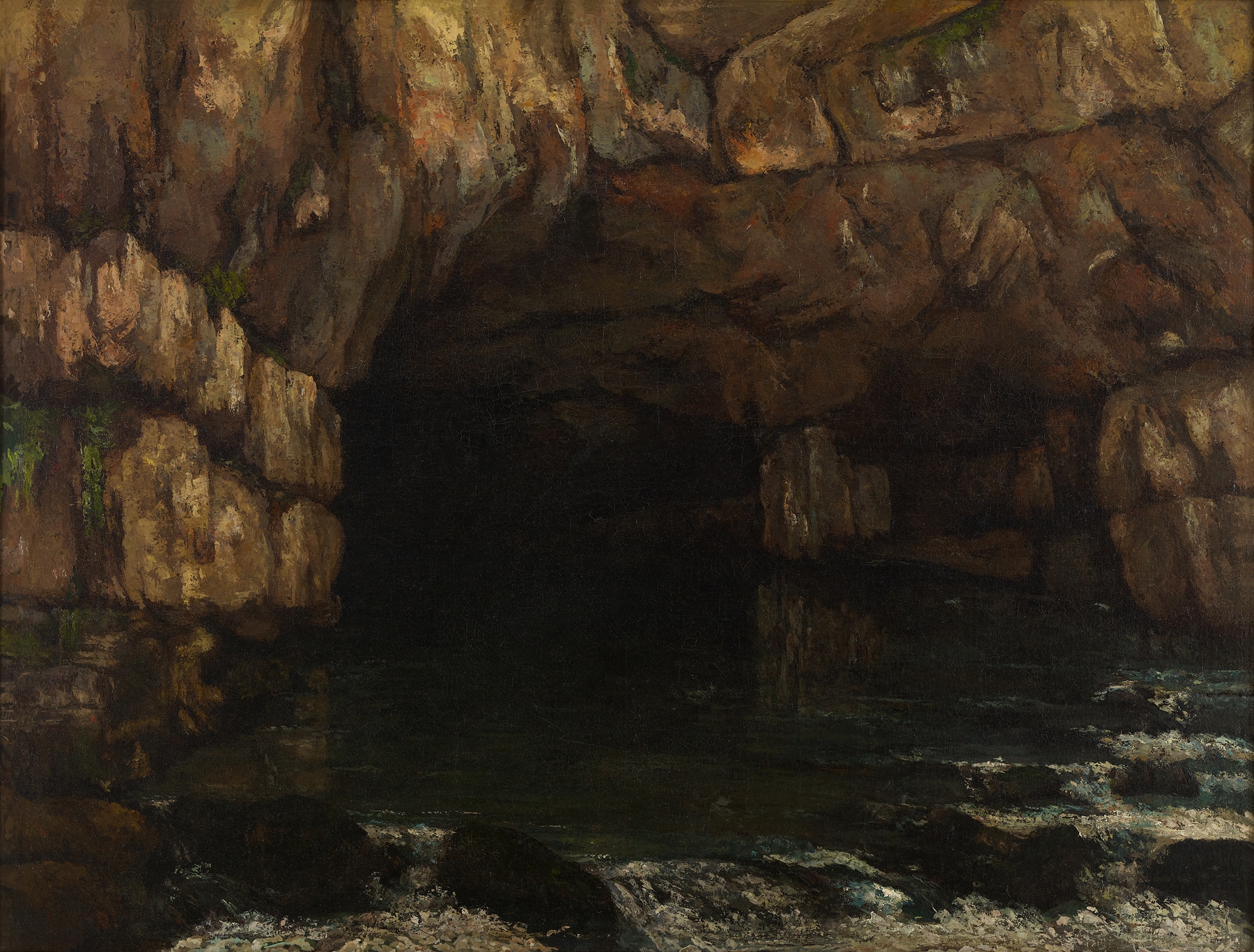
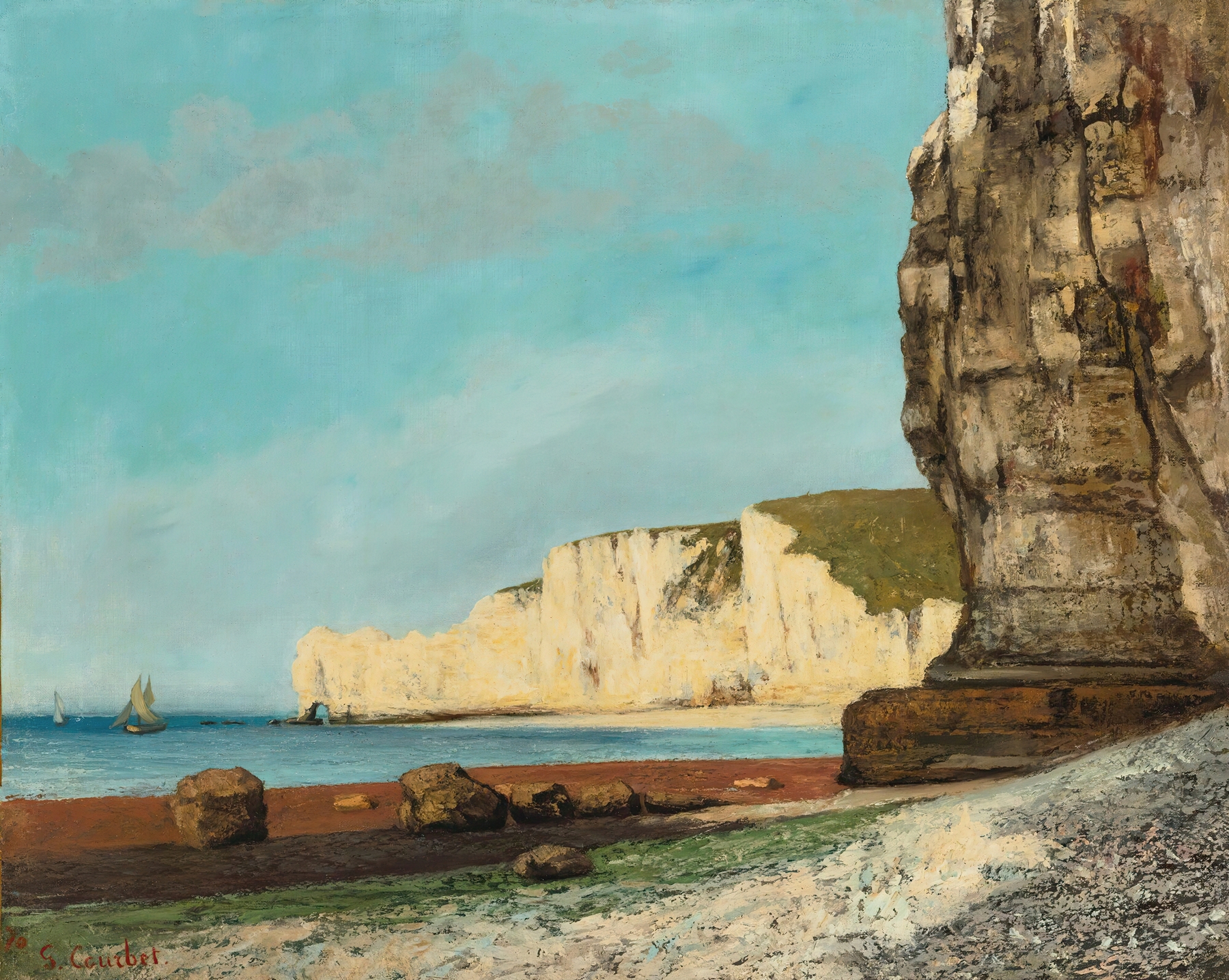
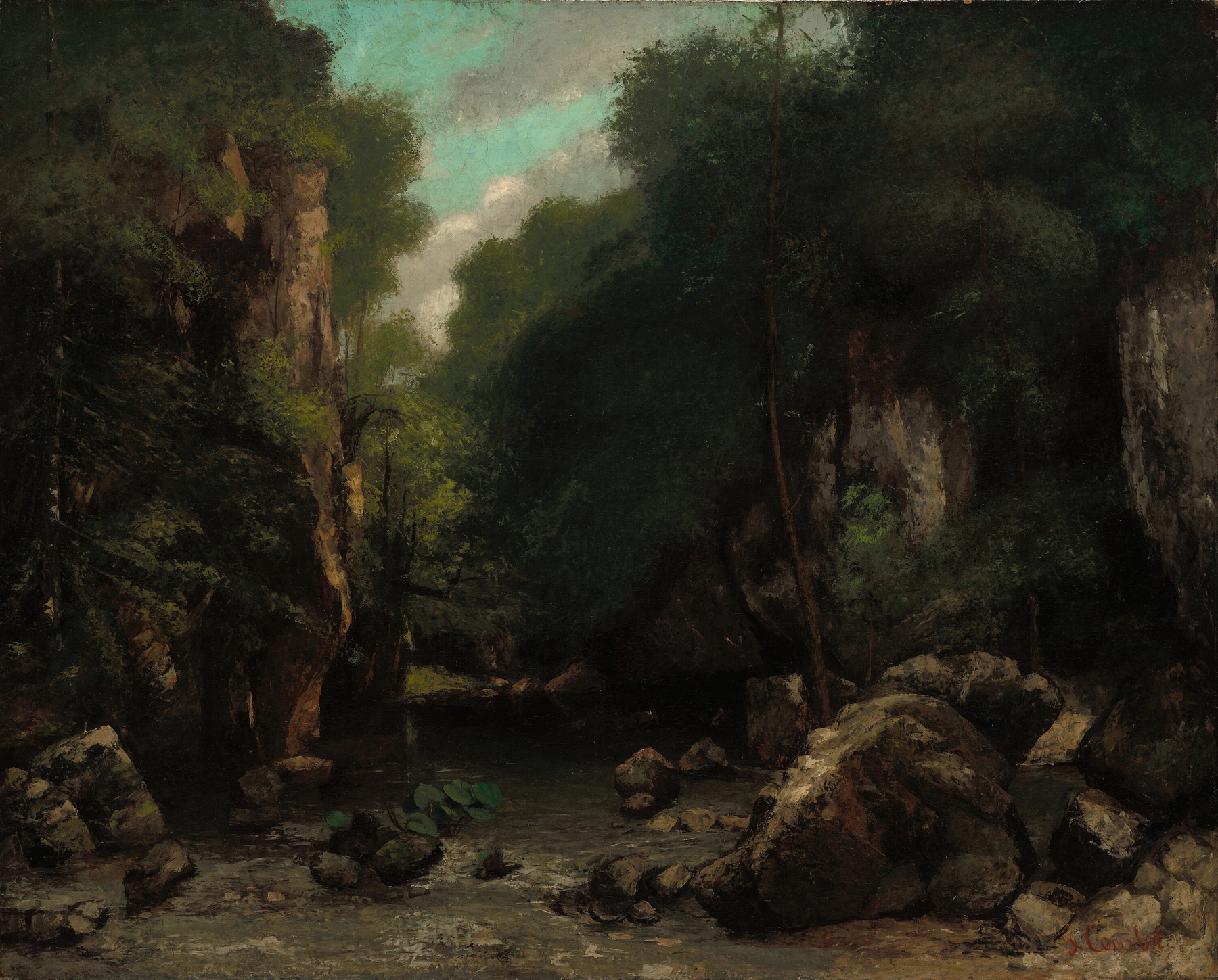
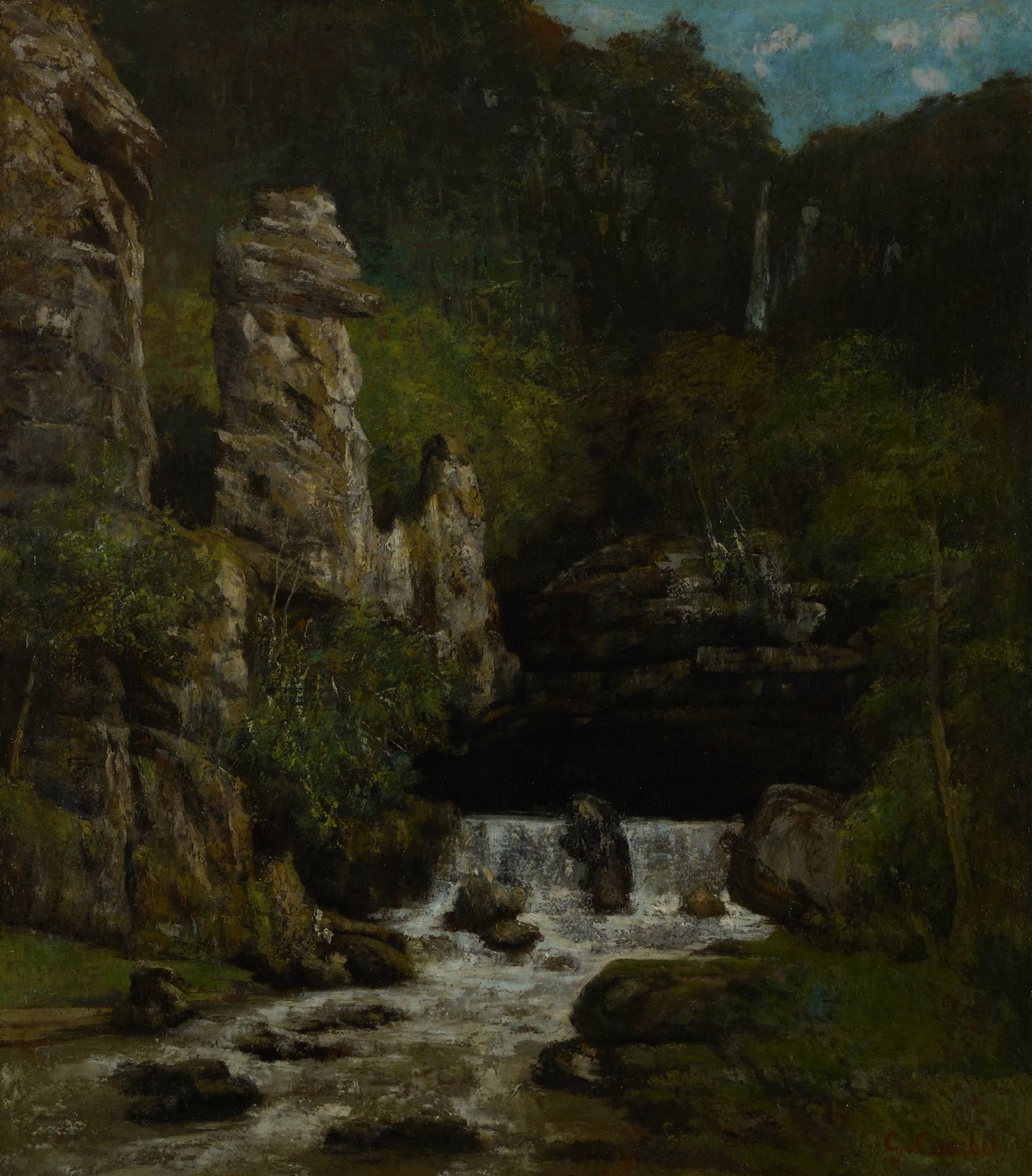
“Every brushstroke is a heartbeat remembered.” In the realm of dreams, landscapes morph into emotional landscapes, where the mind wanders freely through hues and forms. Focus on the cascading cliffs at the center of this mesmerizing piece, where rough textures evoke the ruggedness of nature. Notice how the deep greens and browns contrast with the cerulean sky, creating a tension between earth and air. The bold brushstrokes draw the viewer's eye upward, guiding us through the rocky formations that rise dramatically, as if reaching for something just beyond our grasp.
This interplay between the solid earth and the airy expanse overhead gives the painting its breathing, living quality. Delve deeper into the details, where hidden meanings emerge. The serene yet foreboding cliffs symbolize both the stability and isolation of existence. The soft currents of the water below reflect an inner peace that belies the jagged edges above, highlighting life’s contradictions between tranquility and turmoil.
Courbet’s choice to represent these contrasts invites viewers to reflect on their own dreams and struggles, urging them to confront the beauty and harshness of the world. In 1872, this work was created during a period when Gustave Courbet was immersed in the Realism movement, challenging conventions and inviting raw, unfiltered views of nature. Living in France, he was simultaneously grappling with personal challenges and the tumult of a society in transition. By capturing these cliffs with such intensity, he not only showcased the natural landscape but also his inner world, a testimony to the dreams that linger in the heart of every artist.