Mer Orageuse — History & Analysis
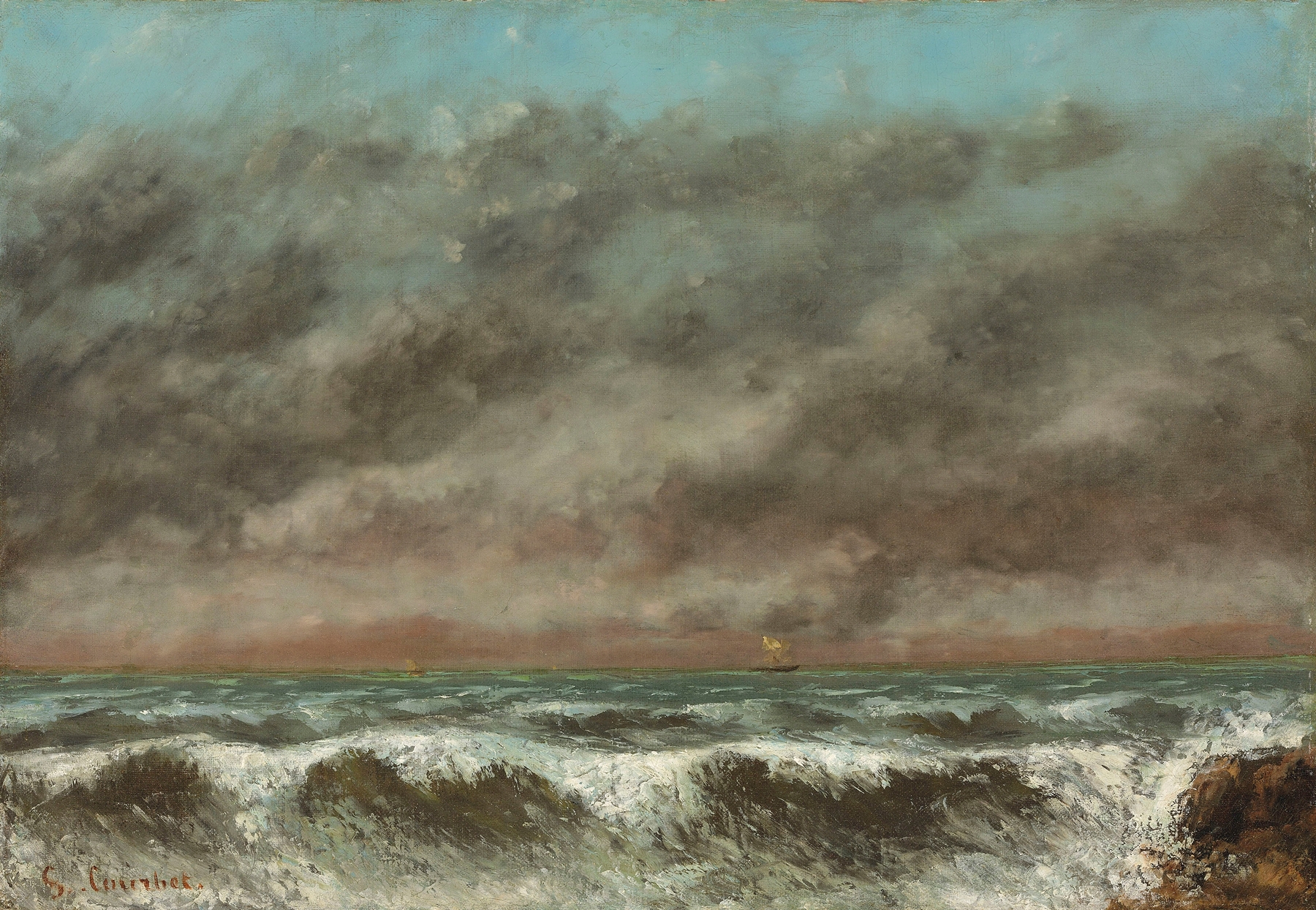
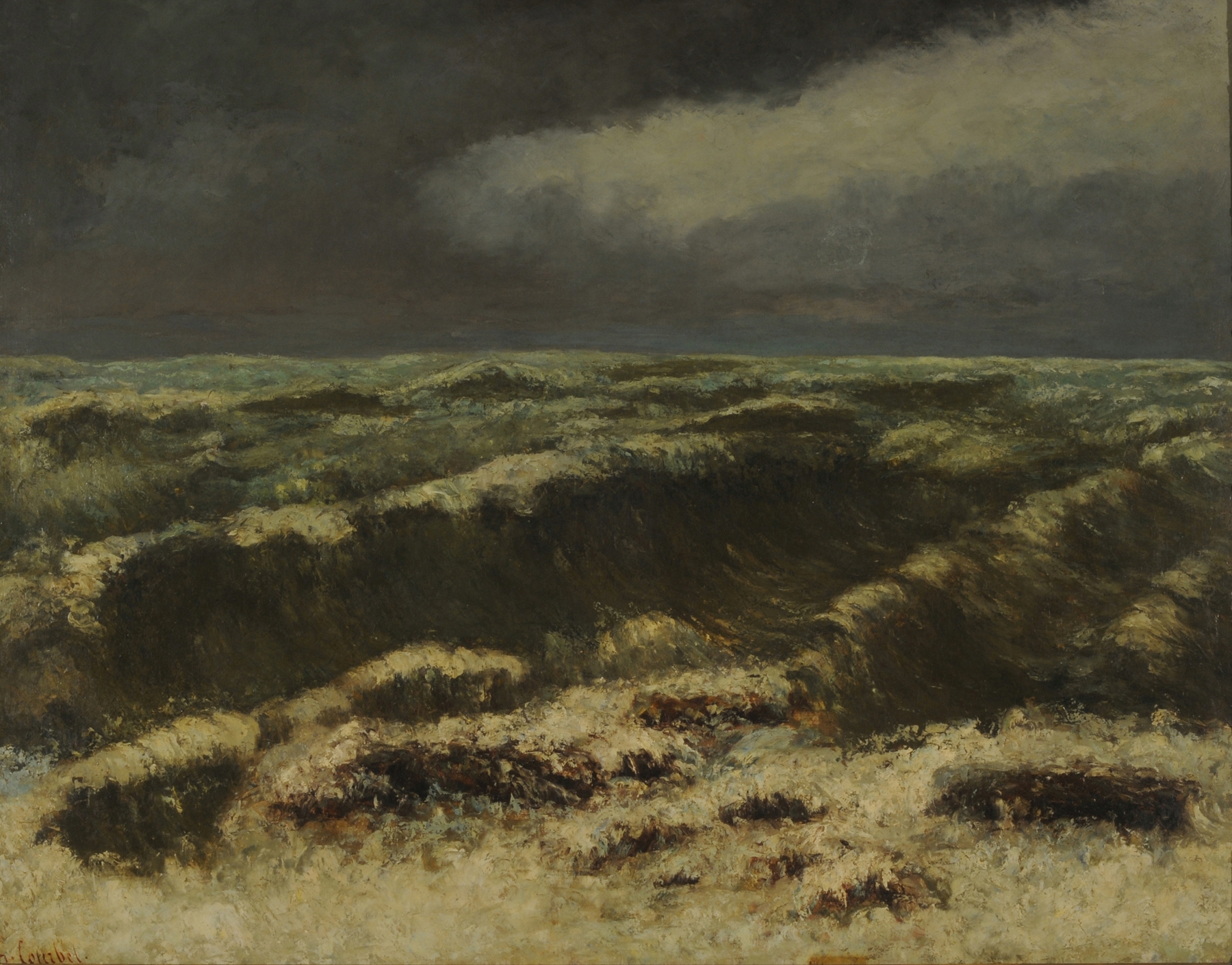
Who listens when art speaks of silence? In Mer Orageuse, the tumultuous waves and brooding sky become a haunting symphony of melancholy that resonates deeply with the viewer’s soul. Look to the center of the canvas, where the dark, roiling waters churn with wild abandon, each wave painted with vigorous strokes that suggest both movement and chaos. Notice how the deep blues and grays, interspersed with violent whites, create a dramatic contrast, drawing your eye into the heart of the storm.
The horizon, ominously low, looms over the sea, while the muted light peering through the clouds seems to cast a somber veil over the scene, enhancing the overall sense of unease. As you explore the edges of the composition, subtle details emerge: a faint hint of a distant shore outlines the potential for safety, while the darkened clouds above suggest an impending tempest. The interplay of light and shadow not only highlights the volatility of nature but also mirrors human emotion—an invitation to contemplate our own turbulence in moments of despair. This tension between the vastness of the ocean and the encroaching storm hints at a deeper emotional struggle, where surrendering to the forces of nature becomes an act of both fear and acceptance.
Courbet painted this piece during the mid-19th century, a time when he was redefining realism in art. He sought to capture the visceral experience of the natural world, distancing himself from romantic ideals. Living in France while navigating the rapidly changing art landscape, he found inspiration in the raw power of life and nature, capturing the essence of human emotion through the tumult of the sea.