Marine — History & Analysis
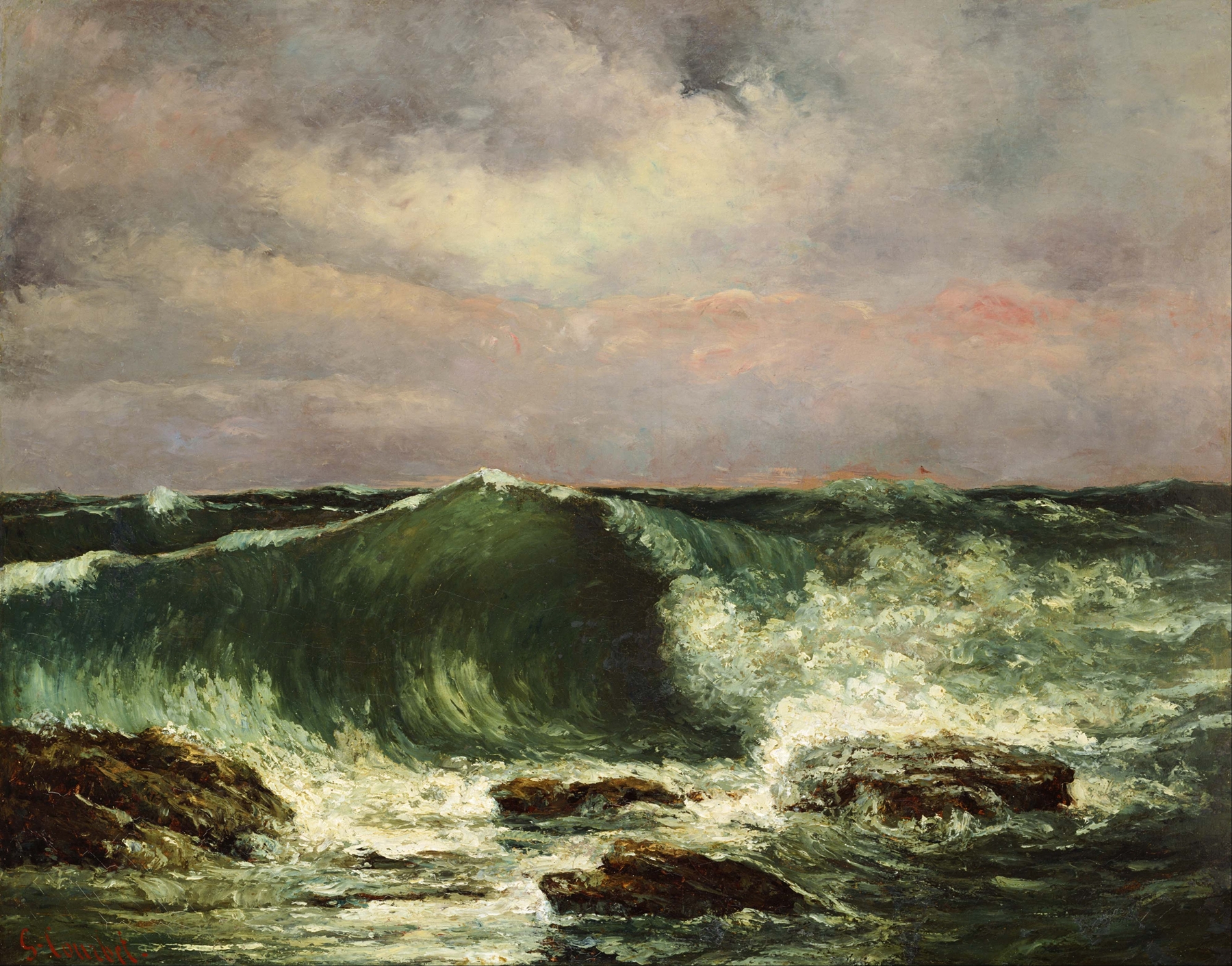
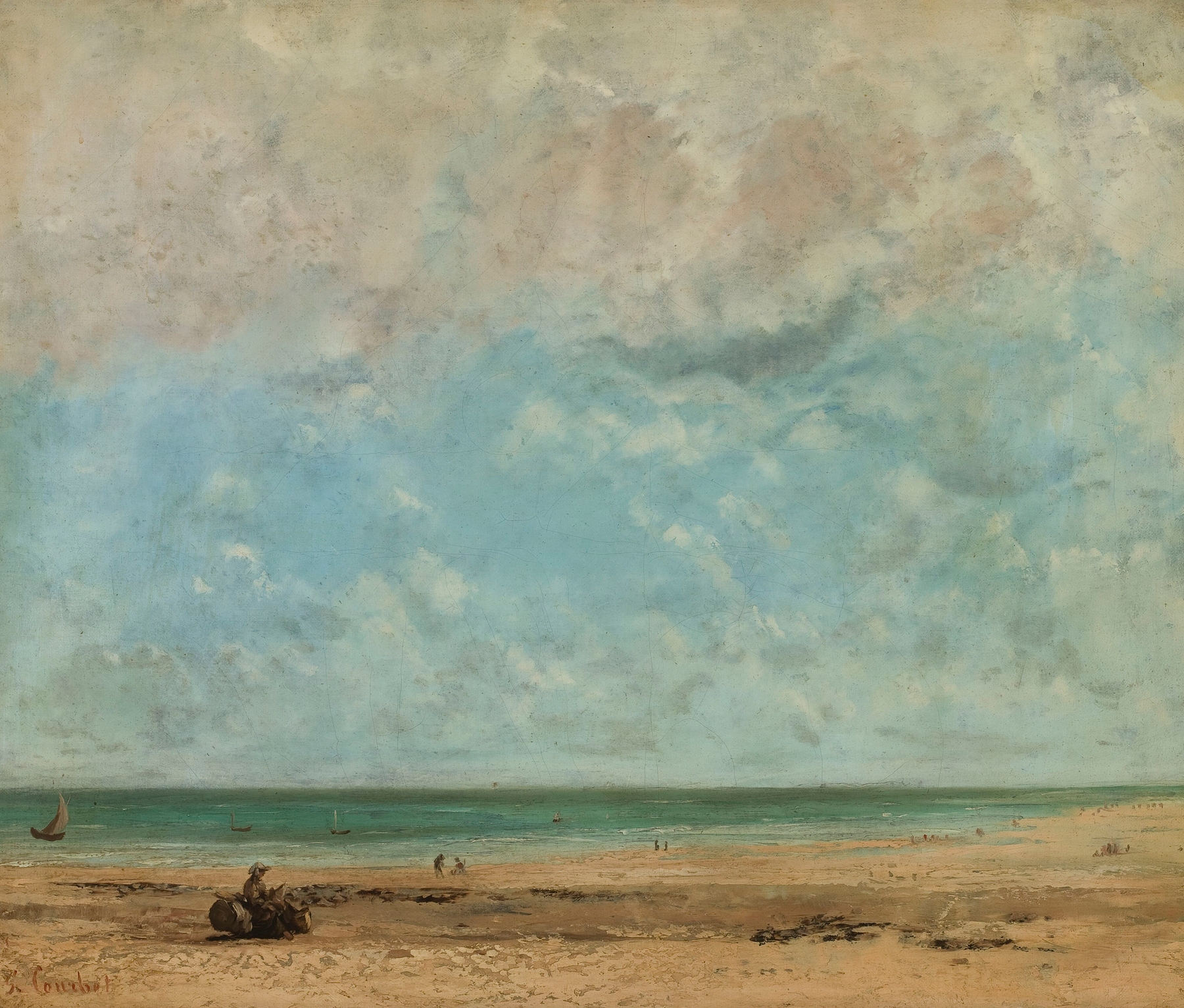
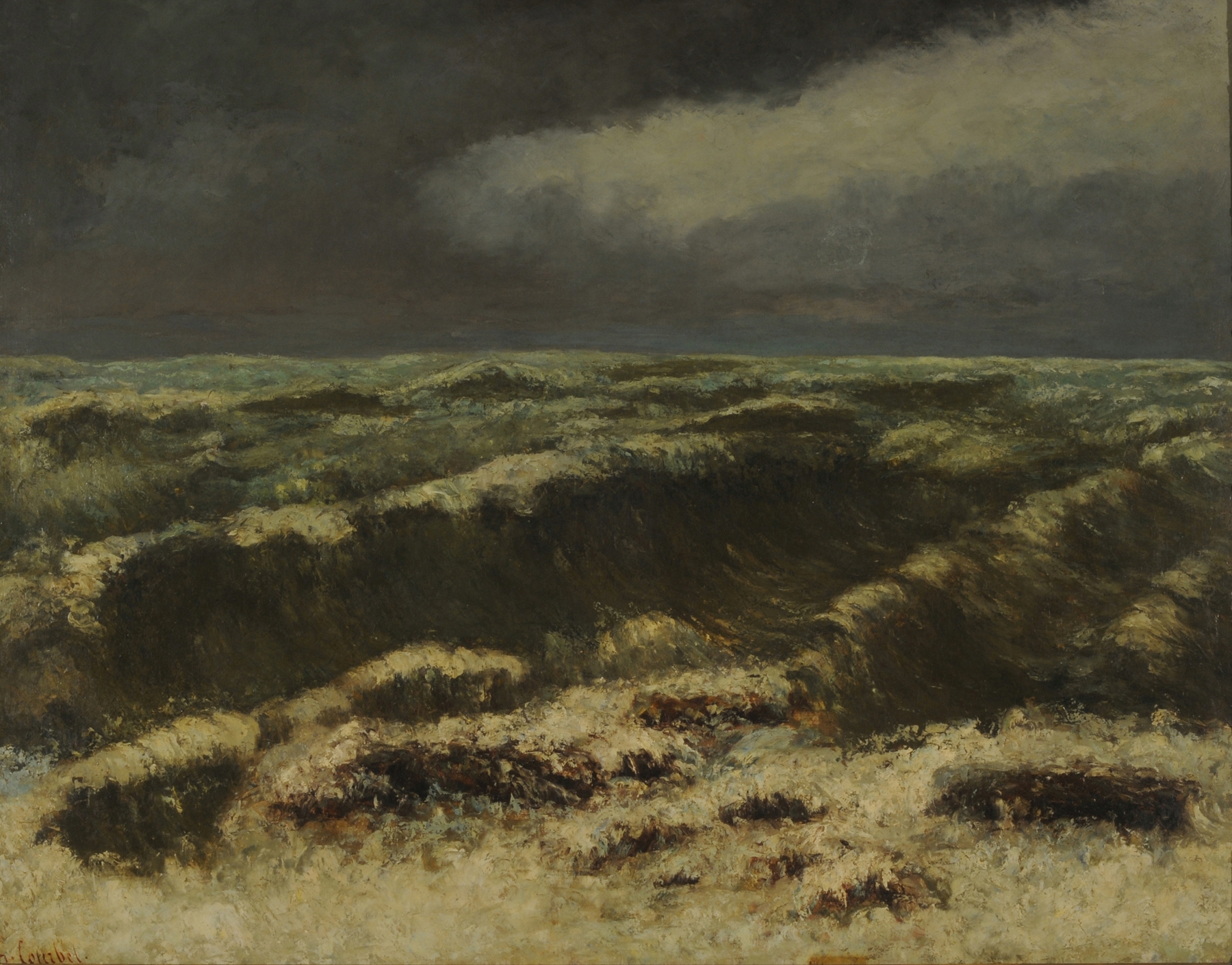
What if beauty was never meant to be finished? In the depths of melancholy, Marine captures the transient essence of nature, where every brushstroke whispers both completion and longing. Look to the left at the roiling waves, their tumultuous forms painted with a rich palette of deep blues and greens, contrasting sharply against the soft greys of the sky. Notice how the light breaks through the clouds, illuminating the crest of a wave, while shadows hint at the chaos lurking beneath. The horizon stretches out, inviting viewers to gaze into infinity, creating a sense of vastness that underscores the fragility of the scene.
This interplay of color and texture draws you deeper, revealing the artist’s mastery in conveying both serenity and unrest. Hidden within this seascape lies a profound reflection on the duality of nature. The turbulent sea symbolizes the tumult of human emotion, ever-changing and unpredictable, while the distant horizon represents hope and unattainable beauty. The subtle shifts in color evoke a feeling of nostalgia, as if the viewer is caught between the past and the present.
Each wave carries a whisper of unfulfilled desires, a reminder that life, like the sea, is both beautiful and melancholic. In 1869, while living in France, Courbet painted Marine amidst a backdrop of artistic upheaval and personal introspection. The burgeoning Realist movement sought to challenge traditional romantic ideals, favoring a more honest depiction of nature. During this period, Courbet was exploring the complexities of emotion through his landscapes, using the sea as a powerful metaphor for the human experience, reflecting both his inner struggles and the world around him.