
Waves — History & Facts
In the fluidity of waves lying on the canvas, one can sense the eternal dance between nature and memory, an awe-inspiring moment captured in pigment. Look to the tumultuous sea, where deep blues and greens come together to create an undulating rhythm. The brush strokes, vigorous yet controlled, evoke the movement of water with remarkable authenticity. Notice how the foamy crests of the waves catch the light, shimmering like scattered diamonds under a sun that seems almost ethereal.
This contrast of texture, from the smoothness of the water to the jagged edges of the rocks, invites the viewer to experience the visceral power of the ocean. Beneath the surface of the painted waves lies a profound commentary on nature's relentless force and humanity's insignificance. The waves seem to whisper secrets of time and tide, hinting at the passage of life and the inevitability of change. The interplay between calm and chaos in the work mirrors our own struggles, capturing moments of introspection amid the turmoil of existence.
It is a reminder that awe can often be found in the unpredictable beauty of the natural world. Courbet painted this work during the mid-19th century, a time when the Realist movement was challenging the conventions of Romanticism. Living in France amidst political upheaval and social change, he sought to depict truth and authenticity in his art. This piece reflects not just his skill in representing nature, but also his desire to evoke raw emotion and connection with the viewer, capturing a moment in time that resonates across generations.
More Artworks by Gustave Courbet
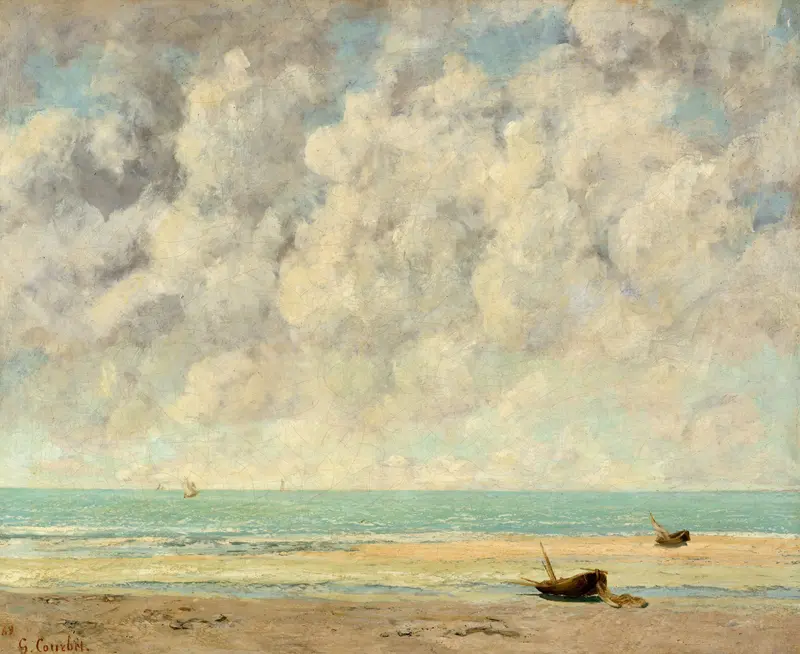
The Calm Sea
Gustave Courbet

A Burial at Ornans
Gustave Courbet
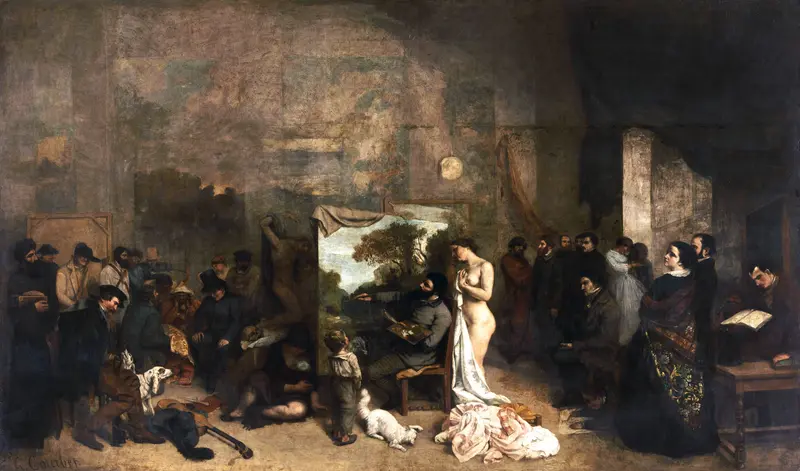
The Painter's Studio
Gustave Courbet
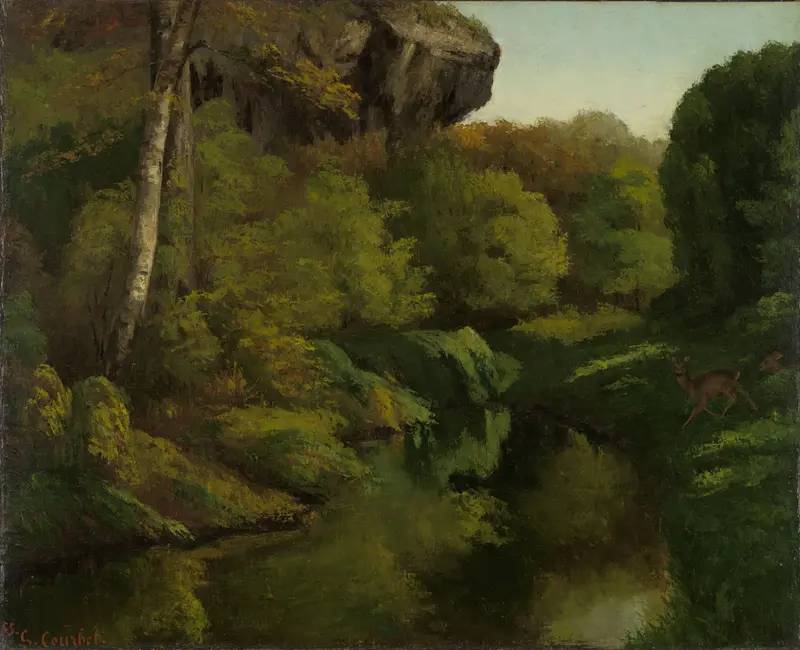
View in the Forest of Fontainebleau
Gustave Courbet
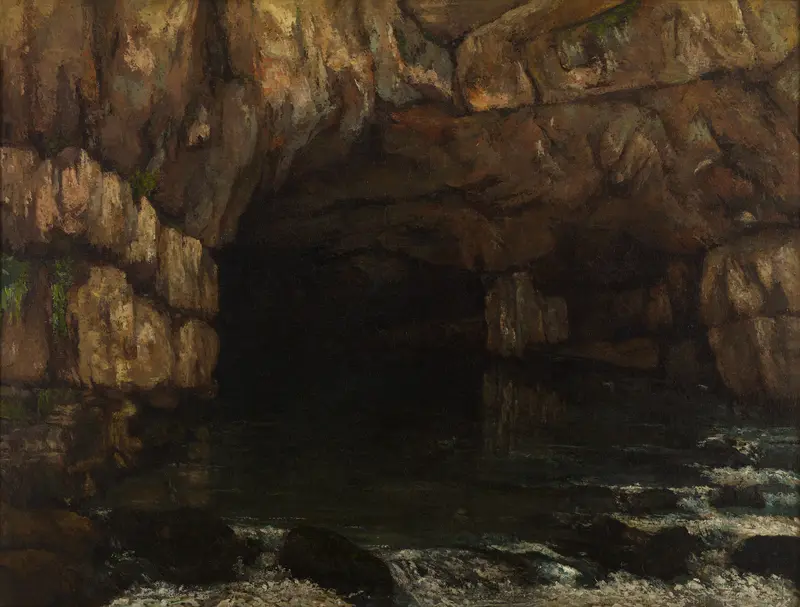
La source de la Loue (The Source of the Loue)
Gustave Courbet
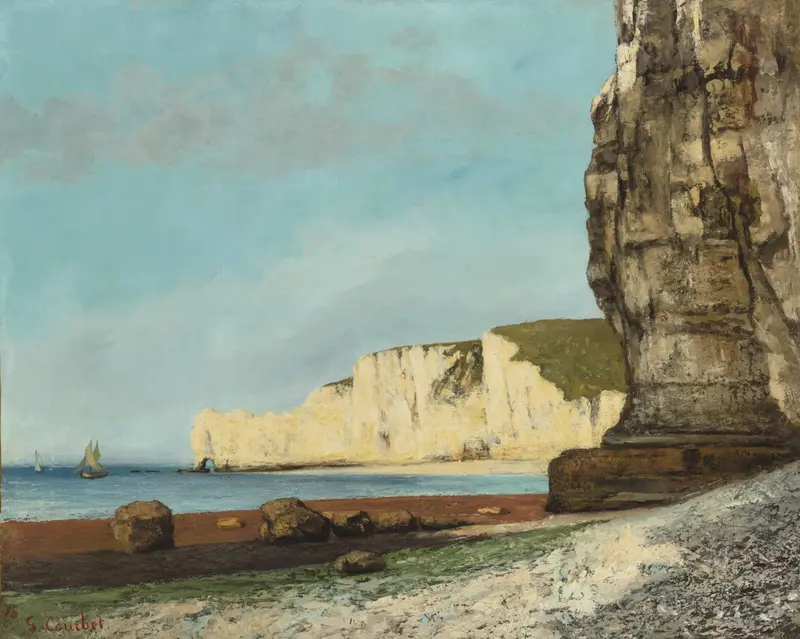
Étretat; Les Falaises
Gustave Courbet
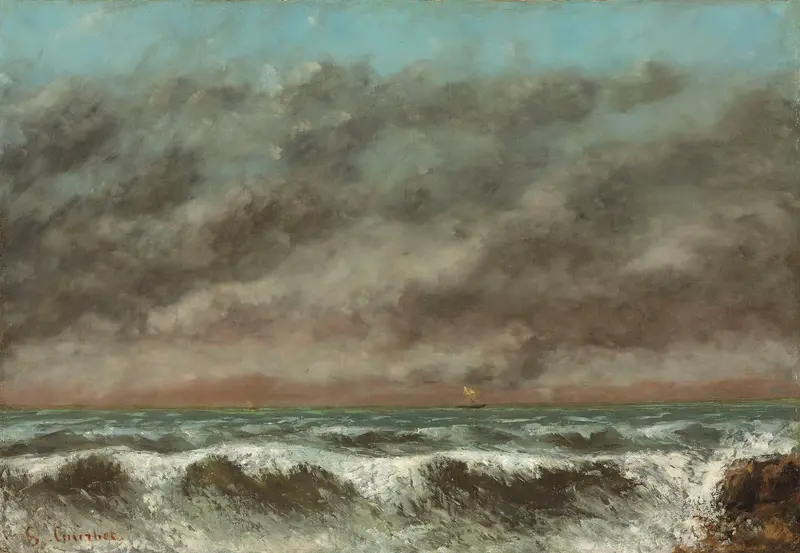
Marine
Gustave Courbet
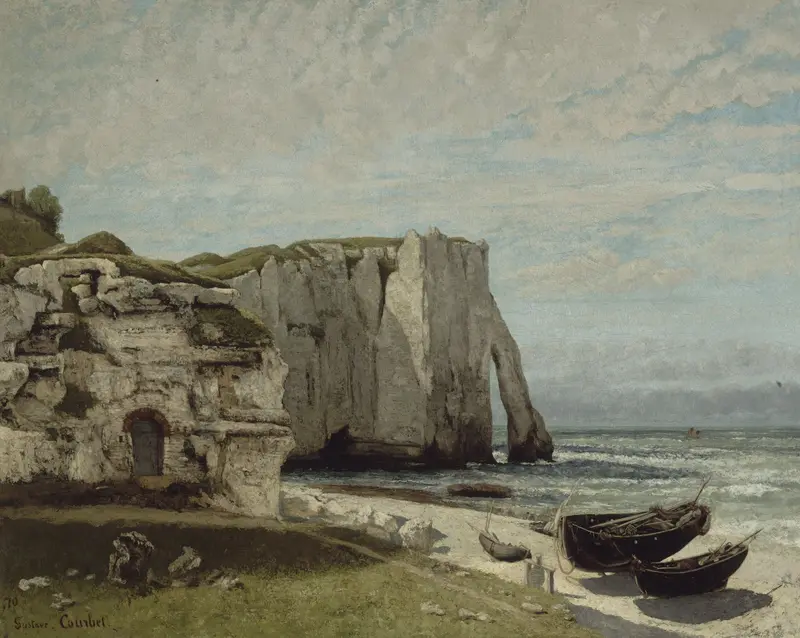
The Etretat Cliffs after the Storm
Gustave Courbet
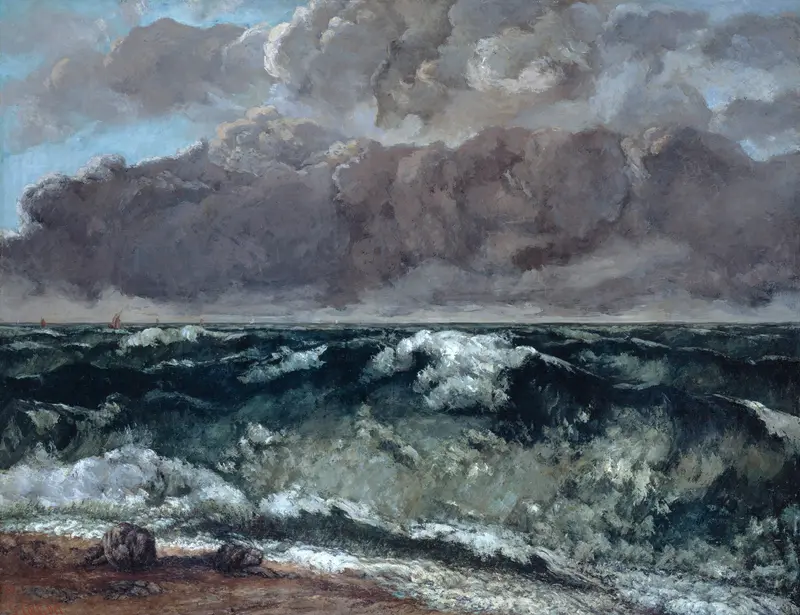
The Wave
Gustave Courbet
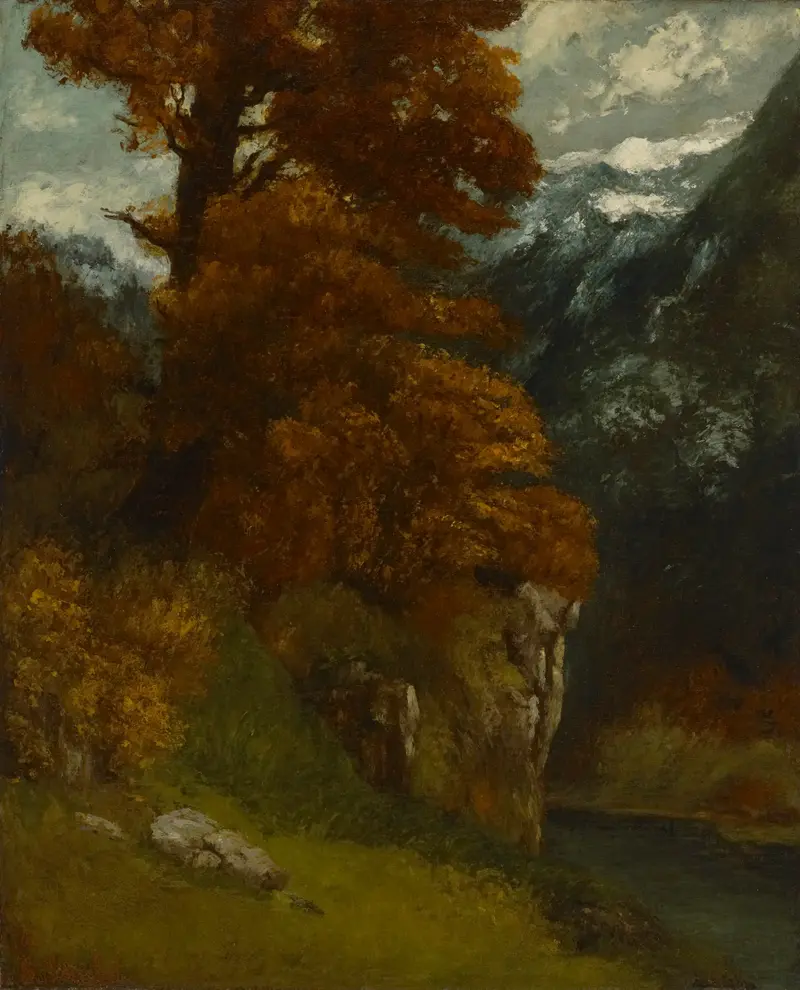
The Glen at Ornans (Bords du Doubs; Effet d’Automne)
Gustave Courbet





