Les Barques — History & Analysis
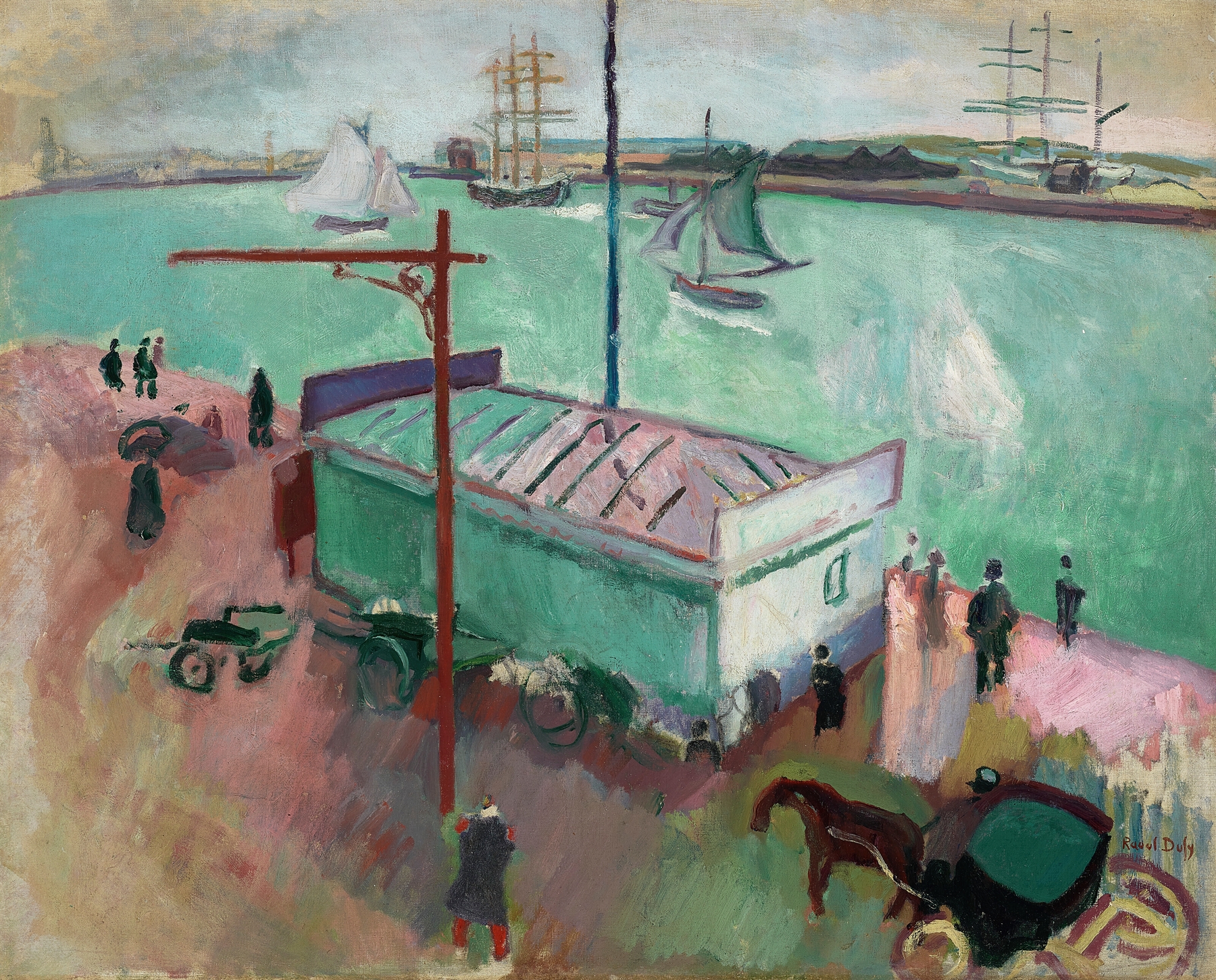
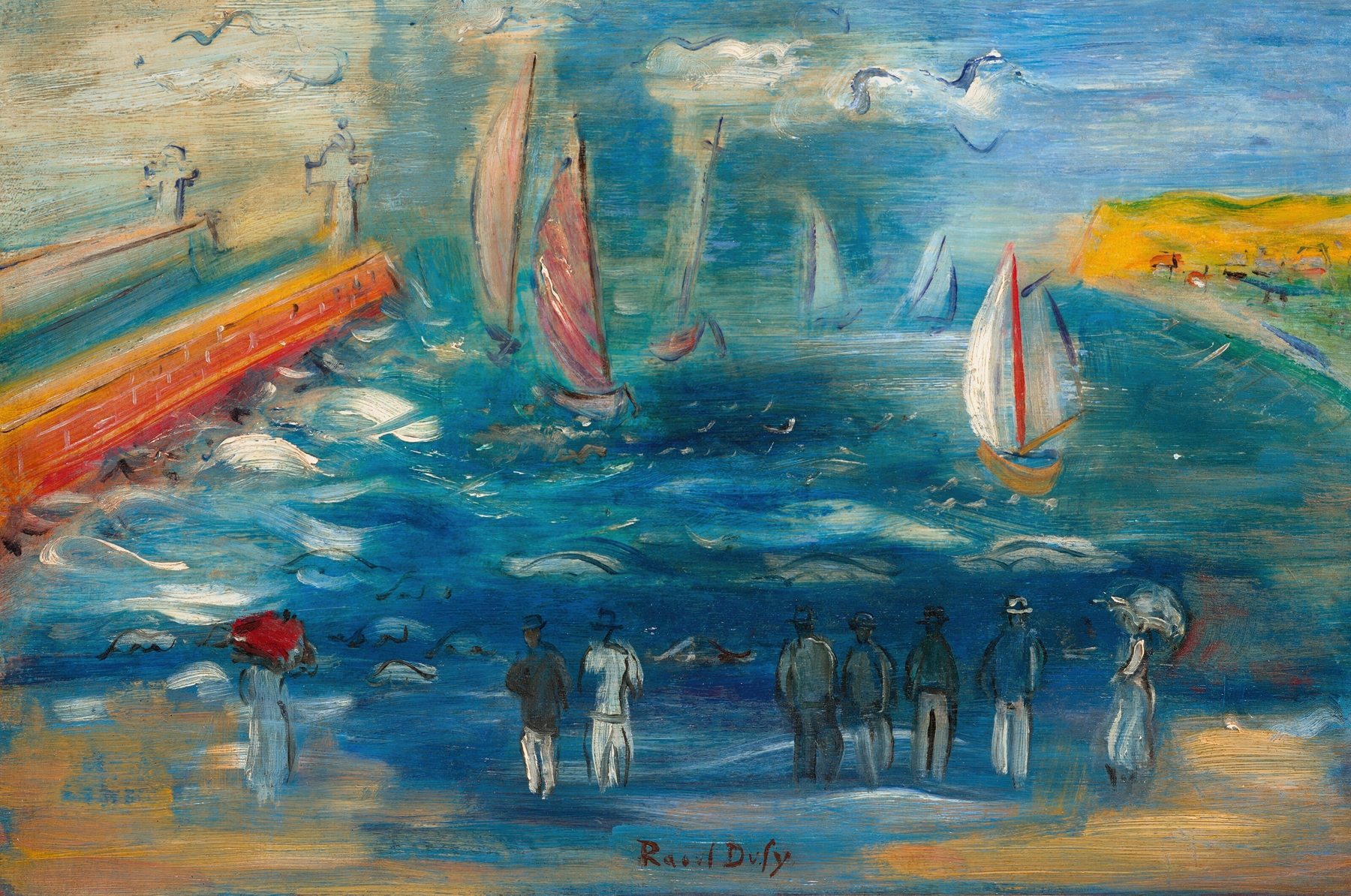
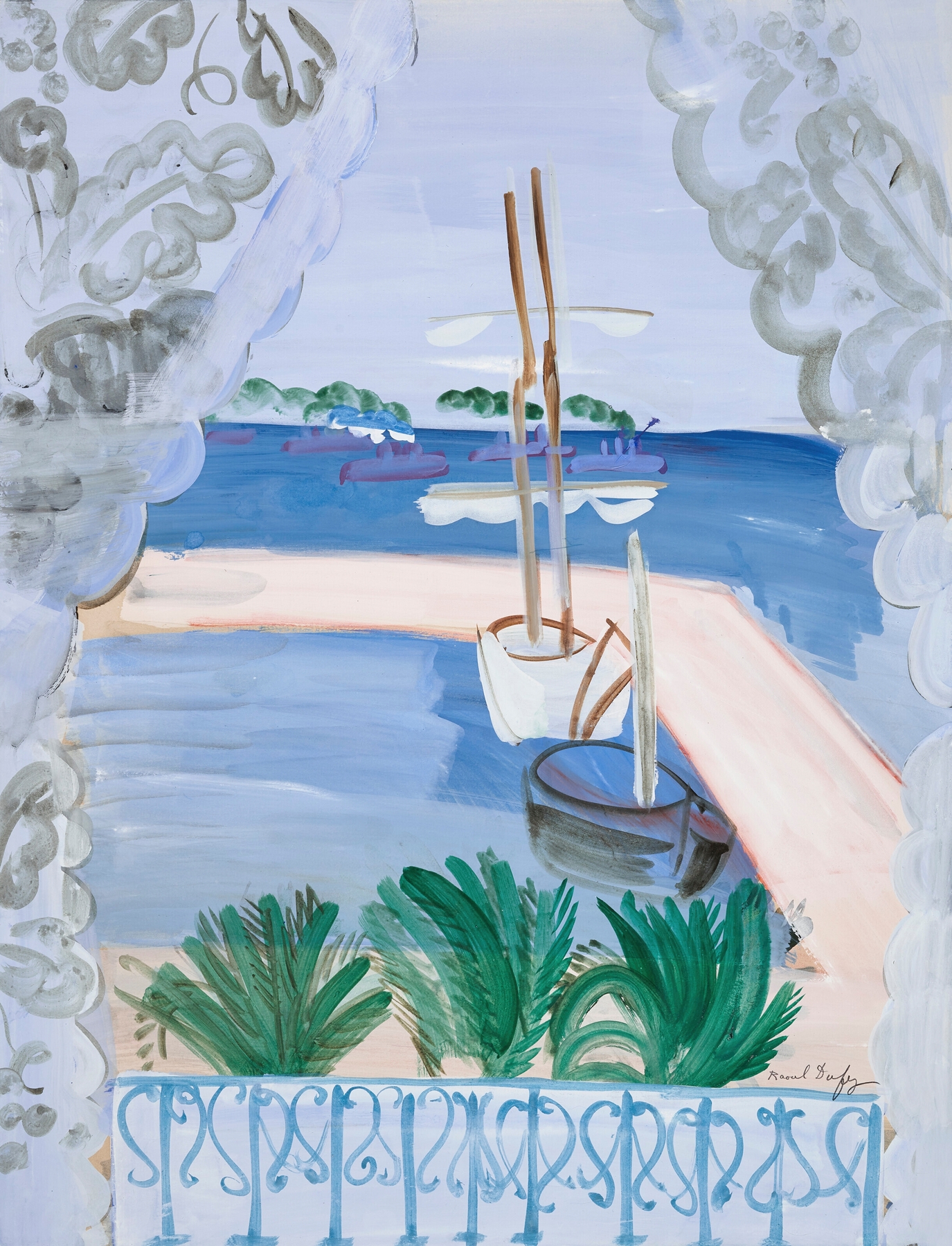
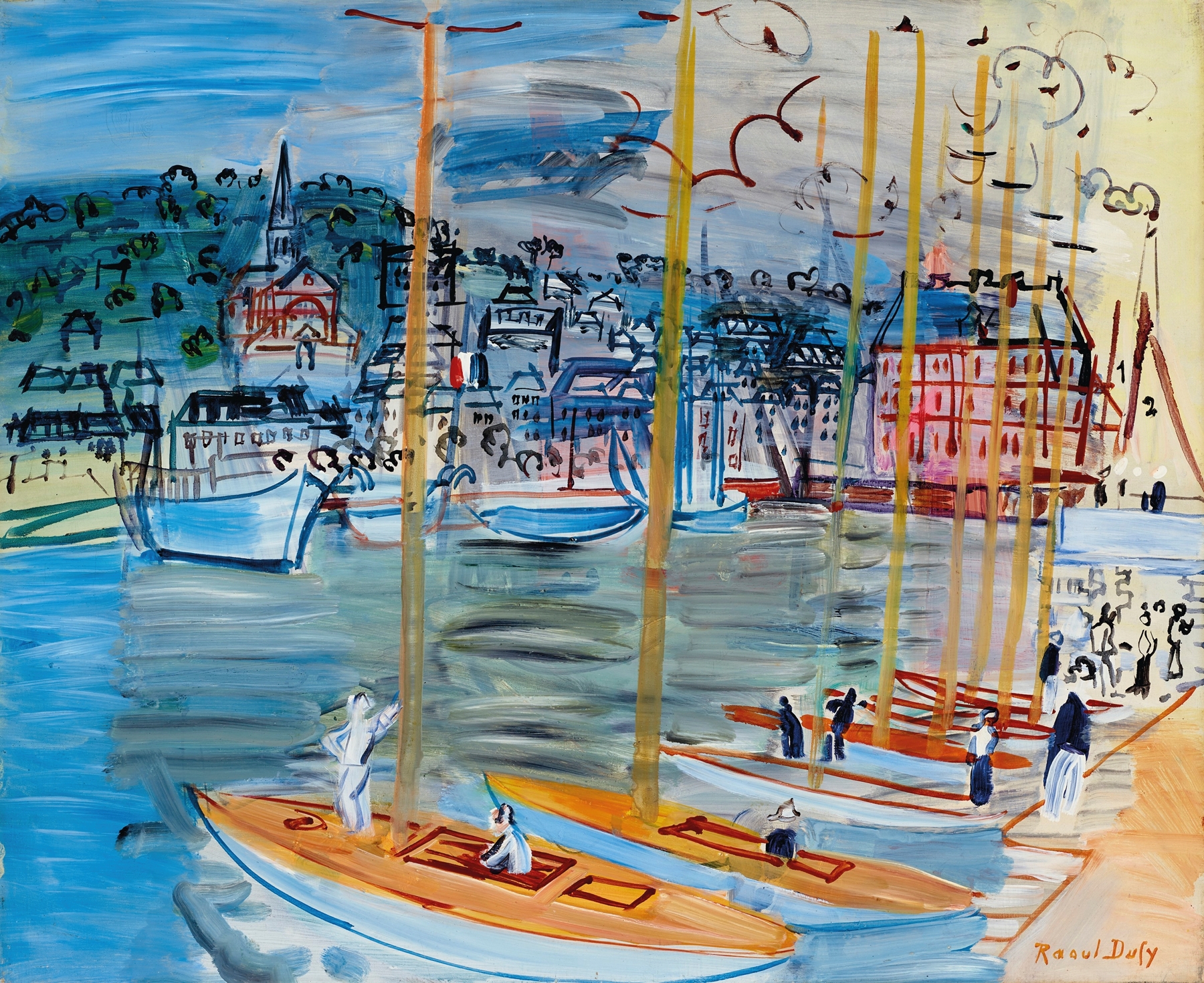
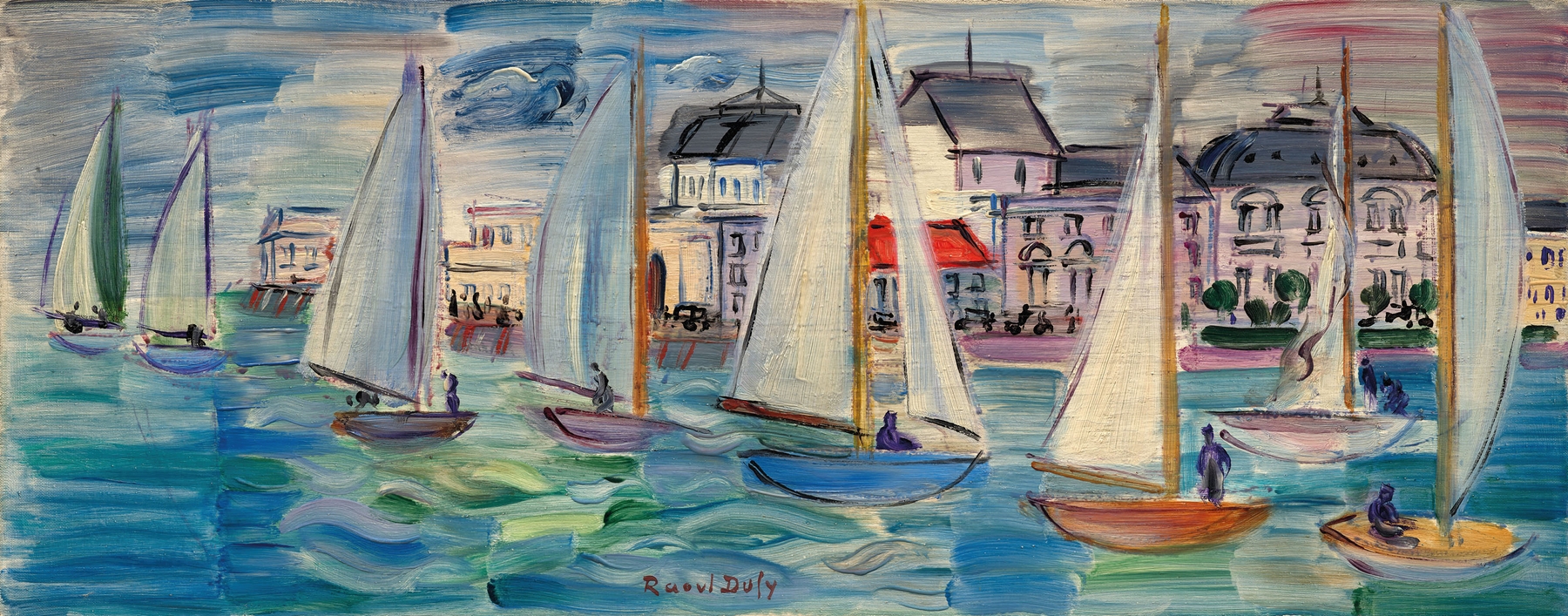
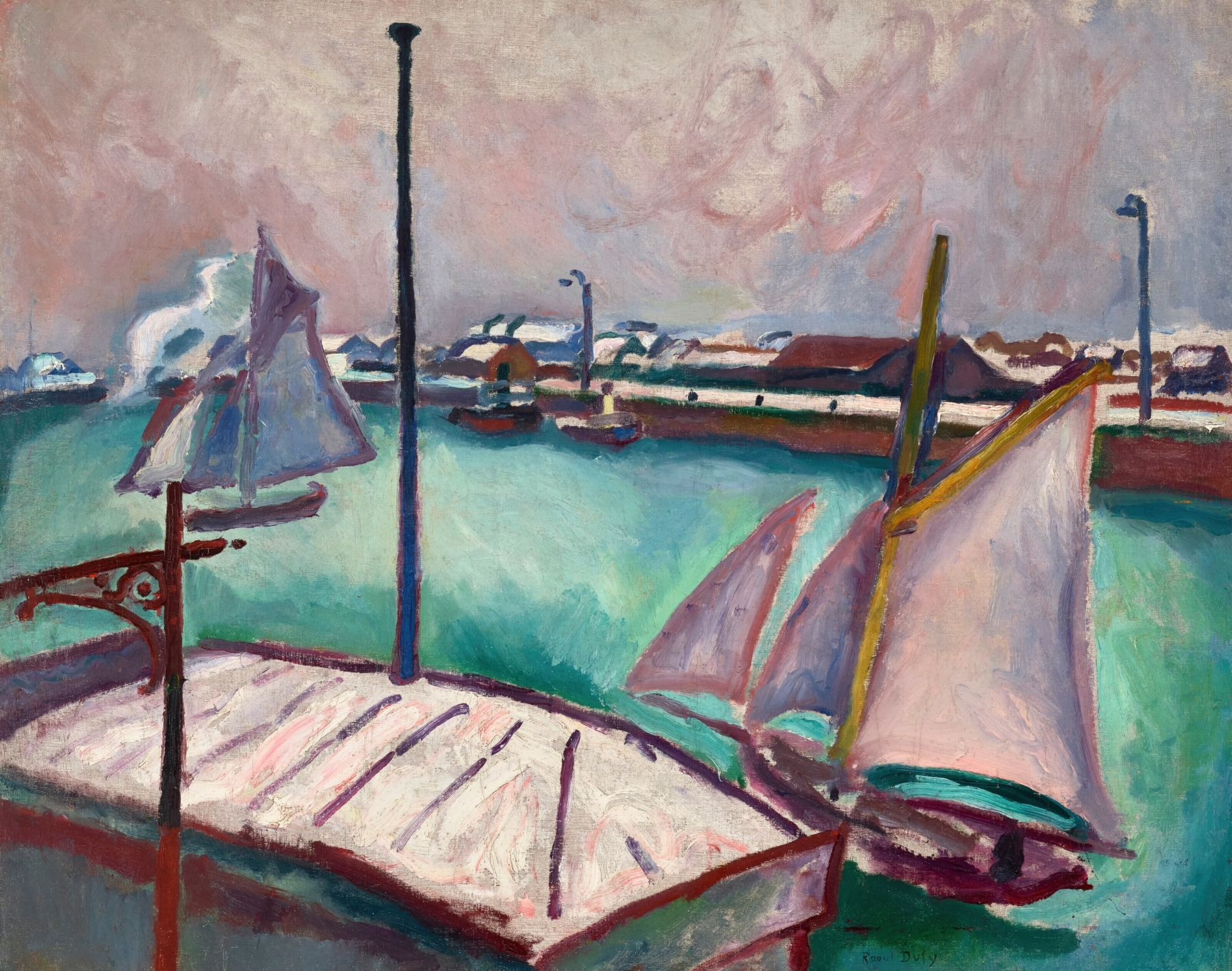
The canvas doesn’t lie — it simply waits. In Les Barques, the essence of rebirth whispers through the vibrant hues and rhythmic forms that dance across the surface. Look to the lower half of the painting, where a fleet of boats gently sways upon the water's shimmering embrace. The radiant blues and greens bleed into one another, creating a serene backdrop that suggests both movement and stillness.
Notice how the sailboats, rendered in lively strokes, invite your gaze as they strut with an effortless grace against the canvas, their sails billowing in an unseen breeze. The interplay between the warm sunlight and the cool shadows evokes a sense of vitality, as if the vessels themselves are awakening from a slumber. Delve deeper into the details, and you’ll discover the delicate tension between calmness and excitement. The boats, though tethered to the water, seem poised for adventure, embodying a promise of freedom and exploration.
The juxtaposition of the fluid water with the sturdy forms of the vessels reflects a harmony between nature and human endeavor, suggesting that every new journey begins with a single, courageous step. Each stroke tells a story of potential, encapsulating the transformative power of art to represent hope and renewal. In 1906, Raoul Dufy painted this work during a pivotal moment in his career in France, where he was embracing the Fauvist movement's liberation of color and emotional expression. At a time when the world was grappling with rapid change, Dufy found solace and inspiration in the coastal landscapes, reflecting both the beauty of the moment and the possibilities that lay ahead.