Les oliviers à Cagnes — History & Analysis
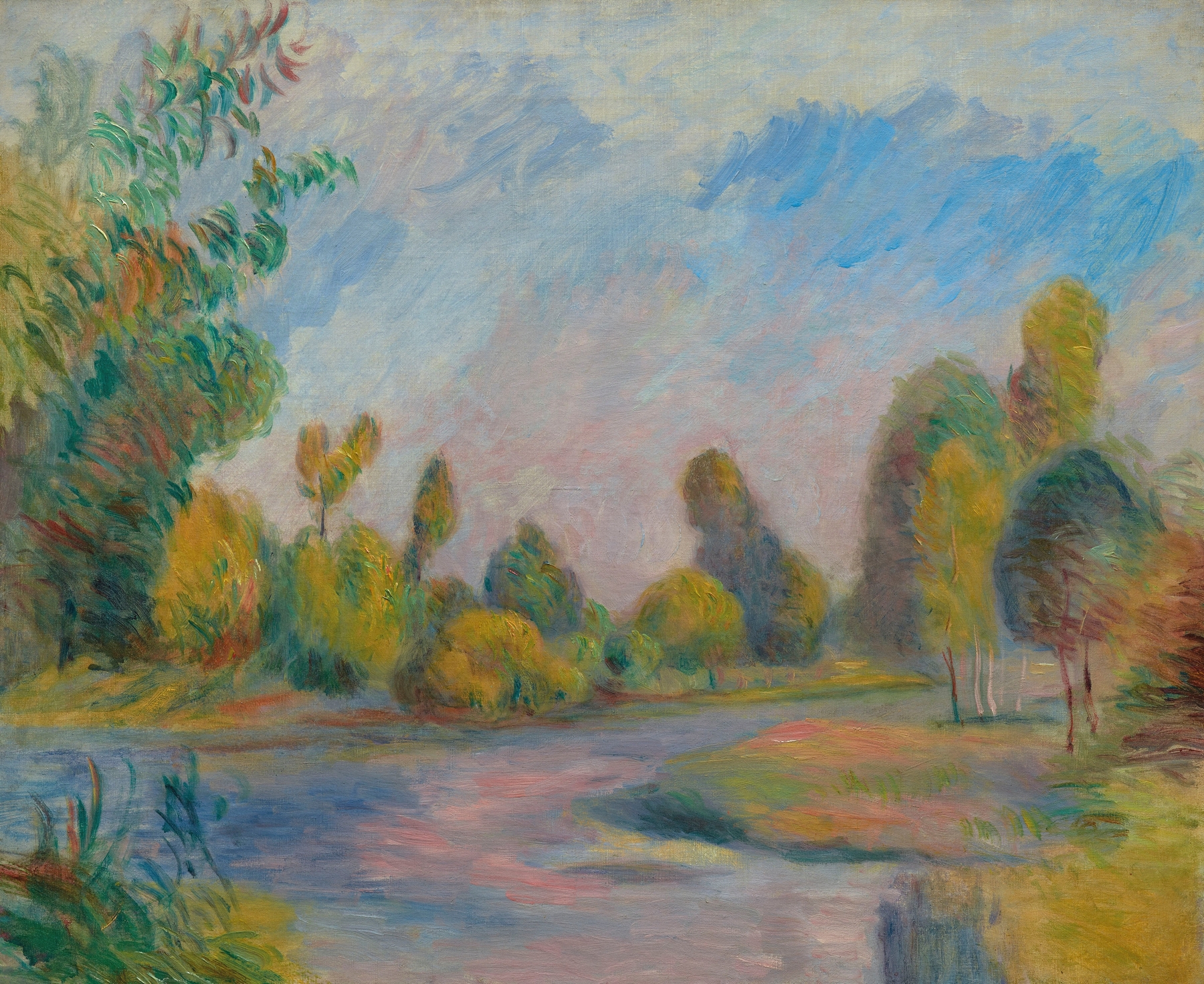
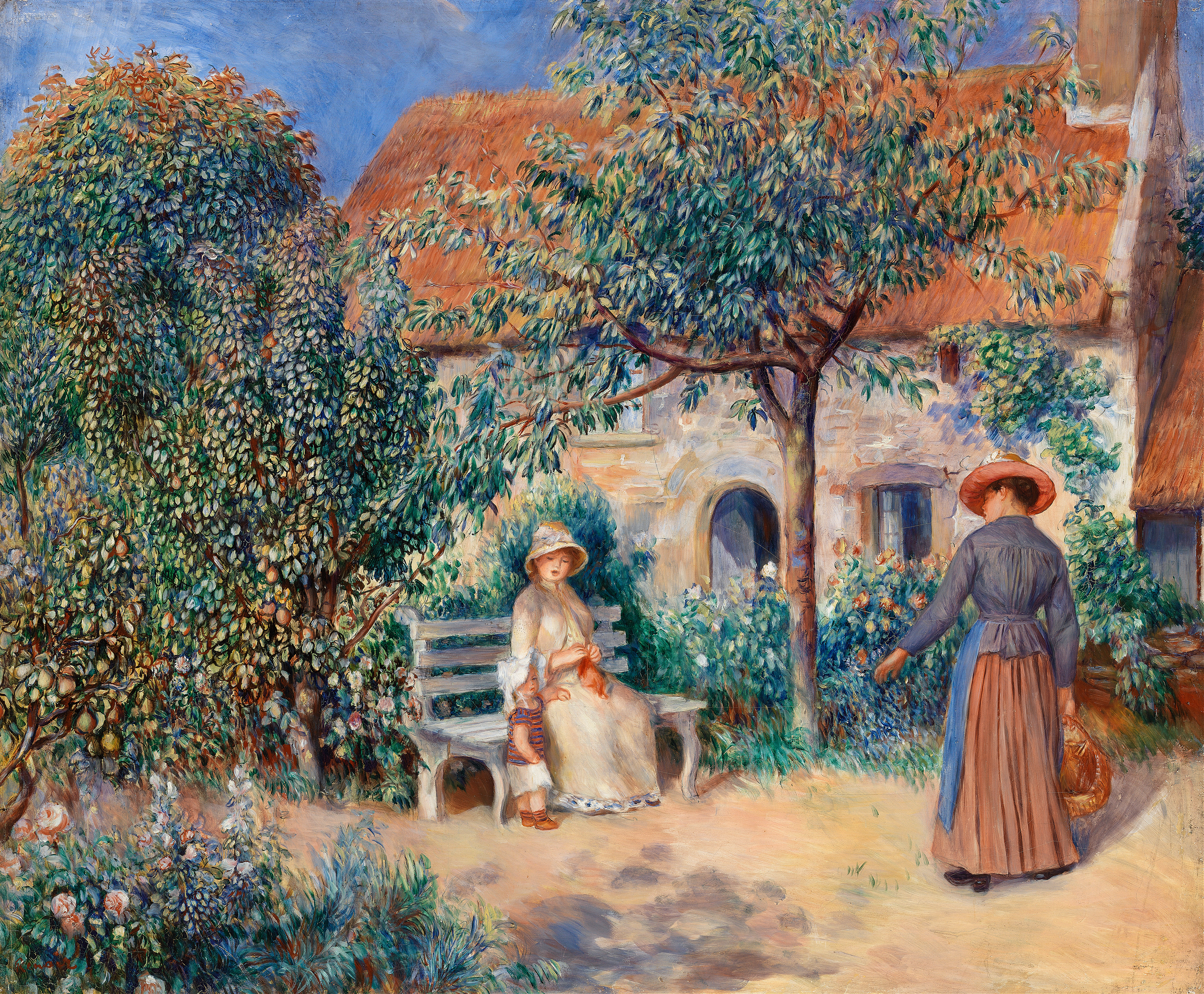
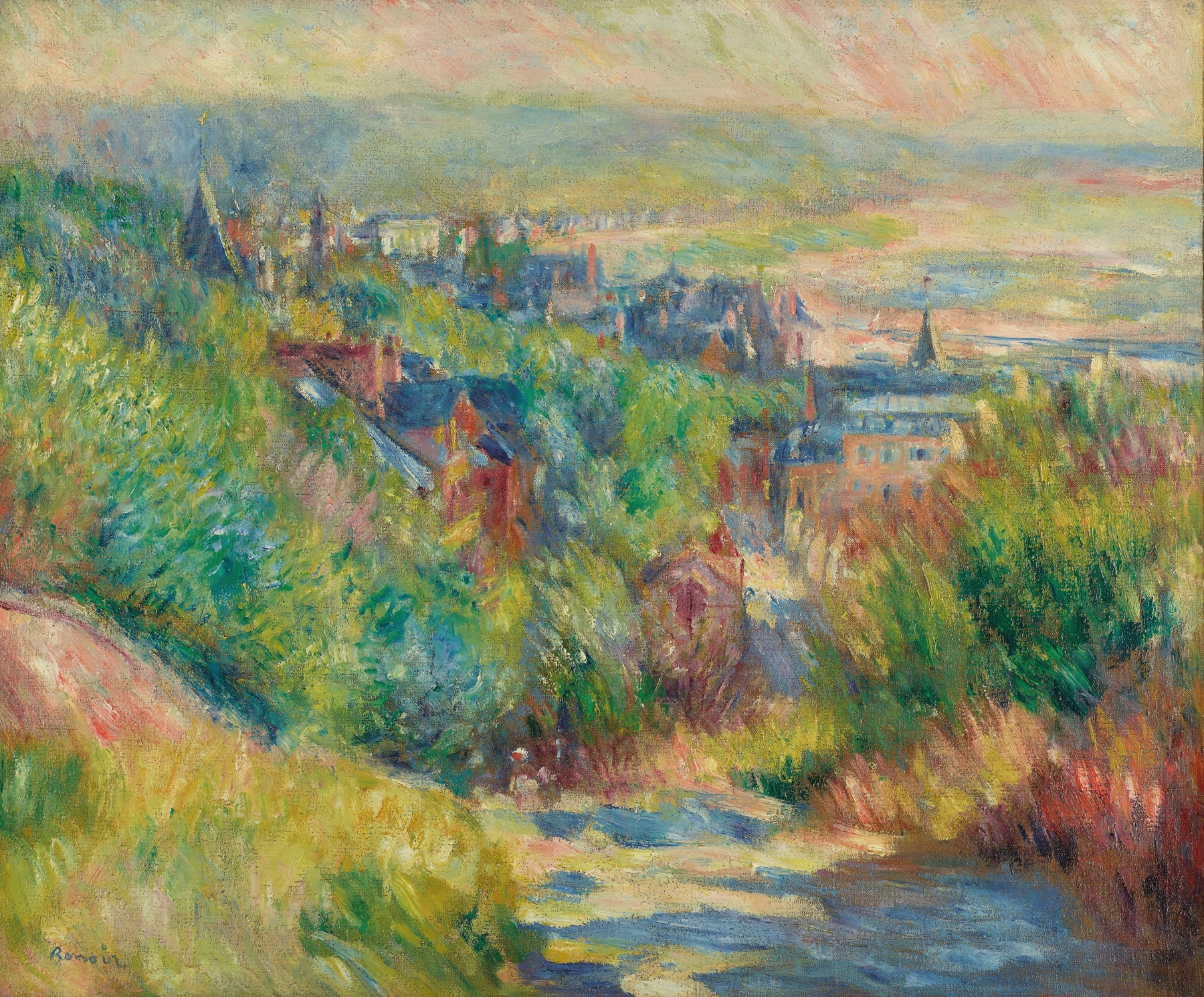
“Every brushstroke is a heartbeat remembered.” In a world that often forgets the spiritual essence of nature, the faithful embrace of olive trees stands strong, whispering secrets of resilience and renewal. Look to the left at the clusters of verdant green leaves, each brushstroke layered with deft precision. The sunlight filters through, dappling the ground and creating a harmonious interplay of light and shadow. Notice how the thick, impasto technique captures the texture of the tree bark, inviting you to reach out and feel the enduring strength.
Renoir’s palette, with its vibrant greens and soft yellows, evokes a sense of warmth and life, drawing you into a serene dialogue with the landscape. As you absorb the scene, consider the symbolism embedded in the olive trees, which represent peace and hope. The soft, curvaceous lines convey a sense of gentleness against the tumult of the outside world, suggesting that amidst chaos, nature offers solace. The juxtaposition of the strong, gnarled trunks against the delicate branches signifies a balance between endurance and fragility, urging the viewer to reflect on their own journey through life’s struggles.
Painted during a period of transition in the art world, Renoir created this work while living in Cagnes-sur-Mer in the early 1900s. At this time, he was exploring a more personal style, shifting from the Impressionist movement towards a deeper exploration of emotion and color. The world was on the cusp of modernity, and his connection to the land became a refuge, allowing him to capture the timeless beauty and essence of the olive trees that surrounded him.