Lexington 2 — History & Analysis
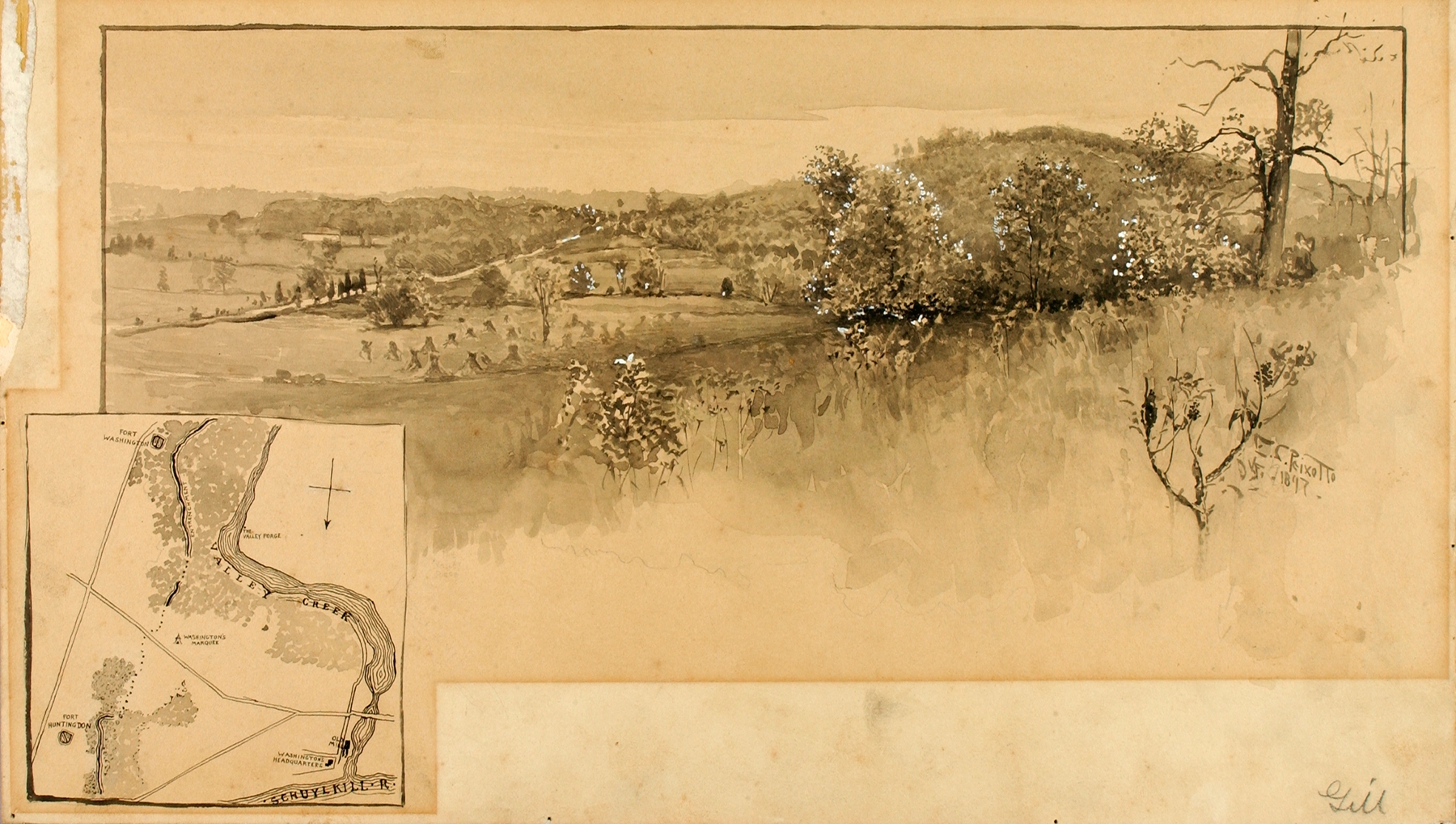
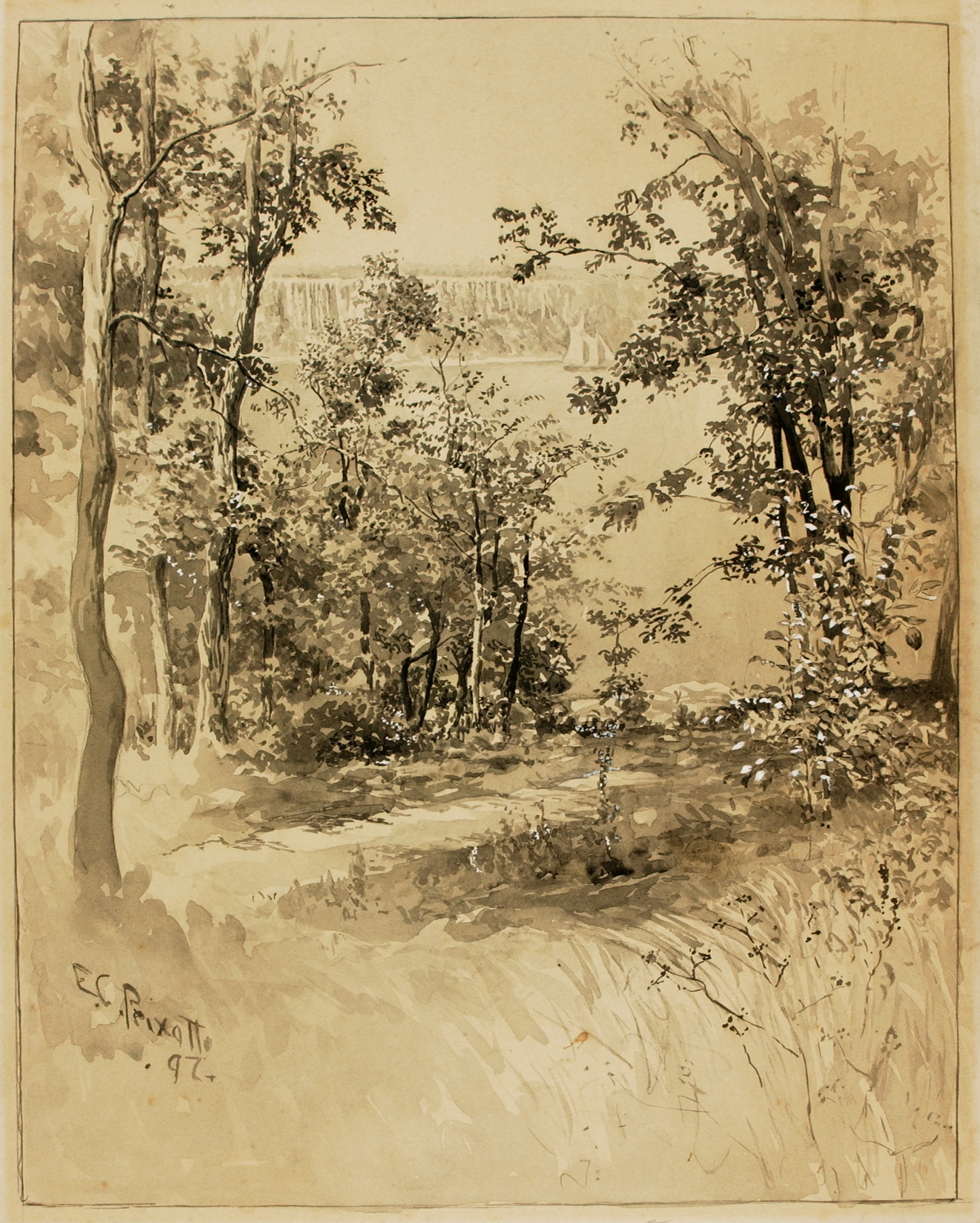
What if silence could speak through light? Each brushstroke in Lexington 2 resonates with an unspoken truth, inviting us to ponder the depths of stillness and its quiet revelations. Focus first on the warm, golden hues that envelop the scene, casting a soothing glow over the landscape. The delicate interplay of light and shadow creates a sense of serenity, drawing your gaze to the distant horizon where the sun meets the earth. Notice how the painter balances vibrant colors—subtle greens and soft browns—against the broader expanse of the sky, a harmony that speaks to nature’s tranquility.
The composition guides your eye through the landscape, leading it as if on a gentle stroll, encouraging contemplation. Delve deeper into the artwork's emotional landscape. The elongated shadows hint at the passage of time, evoking feelings of nostalgia and reflection. The vast, open space suggests freedom, yet the stillness holds a sense of longing, perhaps a connection to memories or aspirations left unfulfilled.
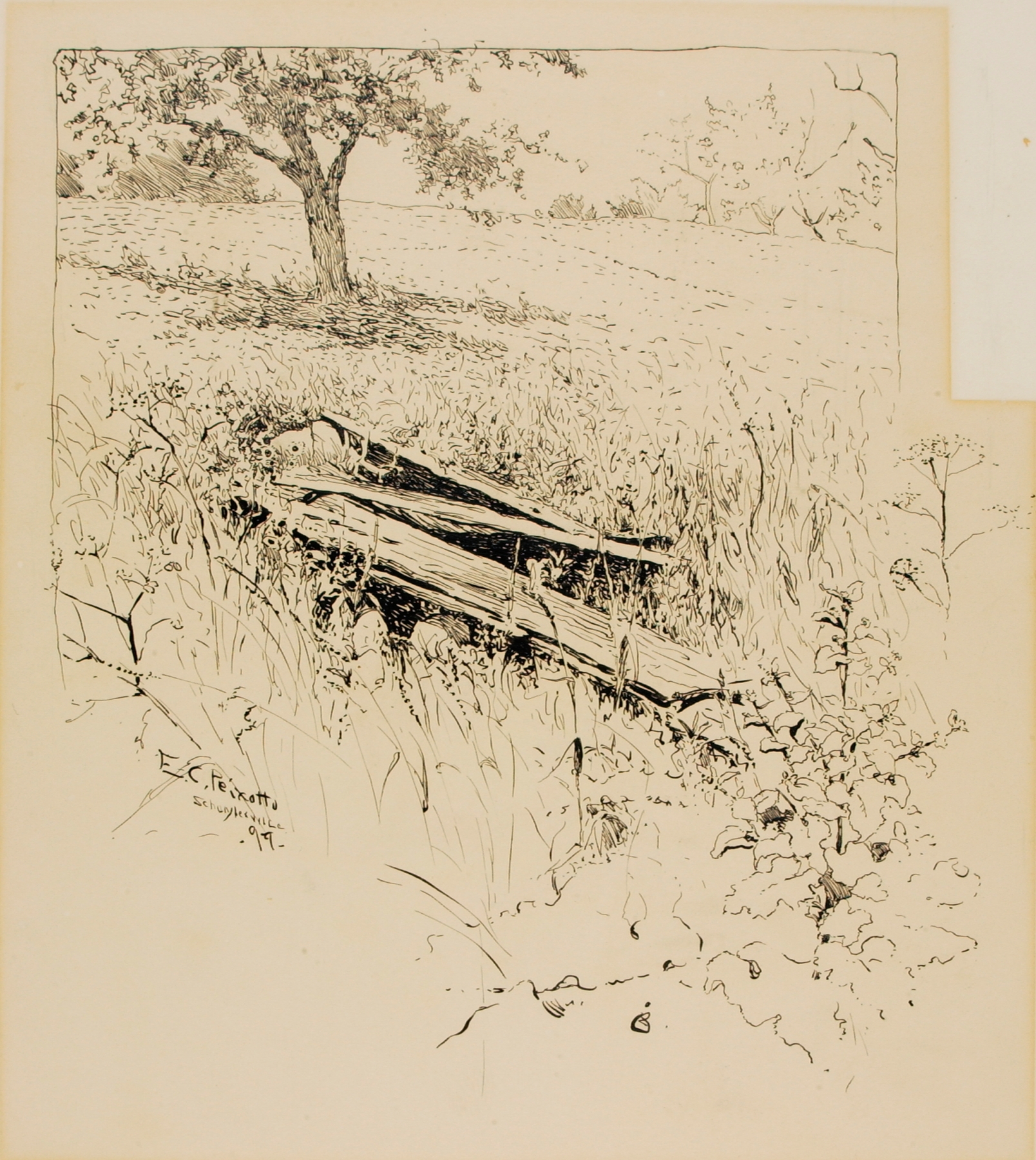
Each element, from the whispering grass to the expansive sky, contributes to a narrative that speaks of both peace and an underlying tension—a fight between the desire for movement and the comfort of stillness. In 1897, during a transformative period in American art, Peixotto embraced the Impressionist techniques that were resonating among his contemporaries. Based in California, he was drawn to capture the unique light and landscapes of the West, reflecting a burgeoning American identity in art. This era was marked by a shift toward capturing the natural world with emotional resonance, making artworks like this a testament to both personal and collective truths.