Lichfield Cathedral, Staffordshire — History & Analysis
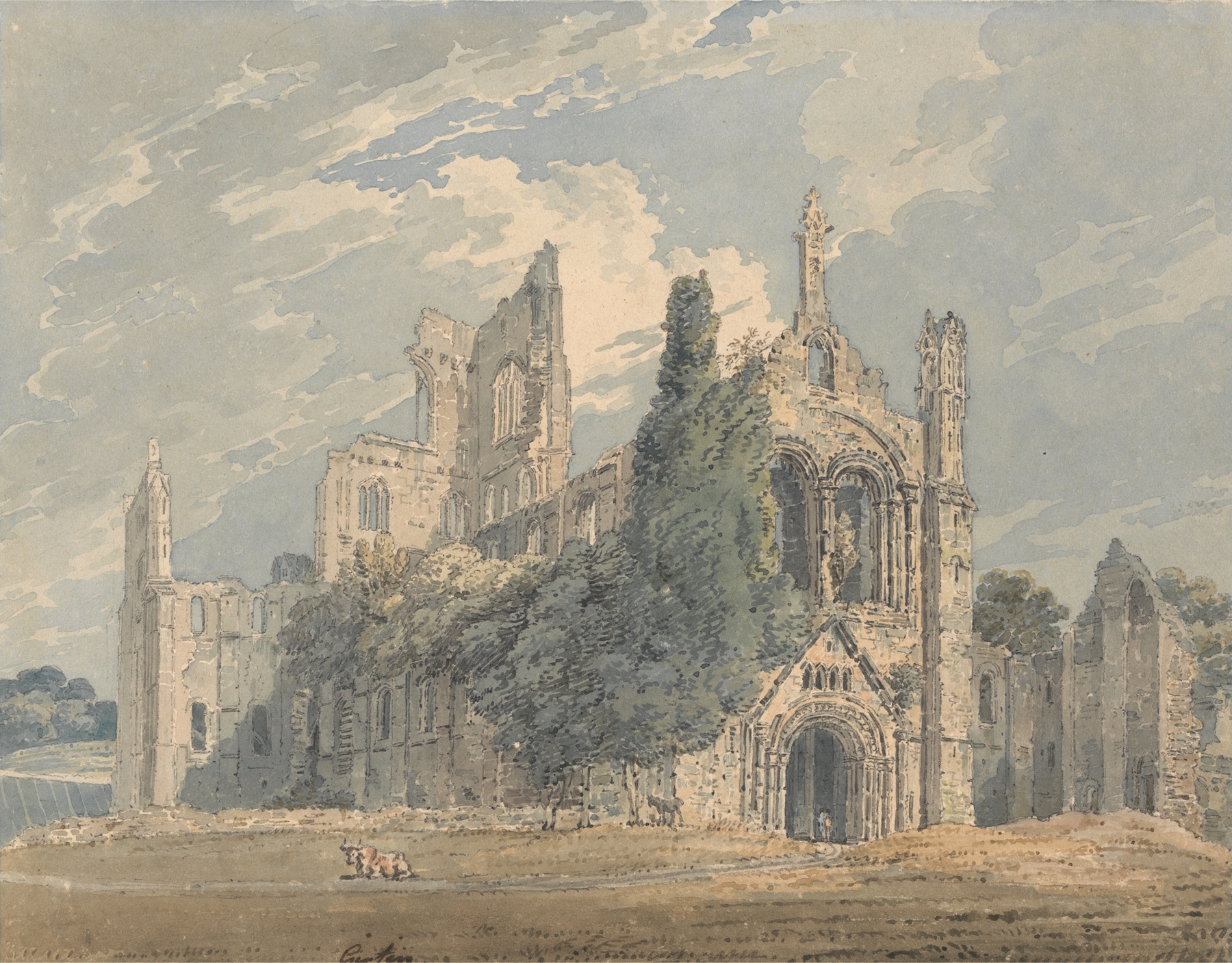
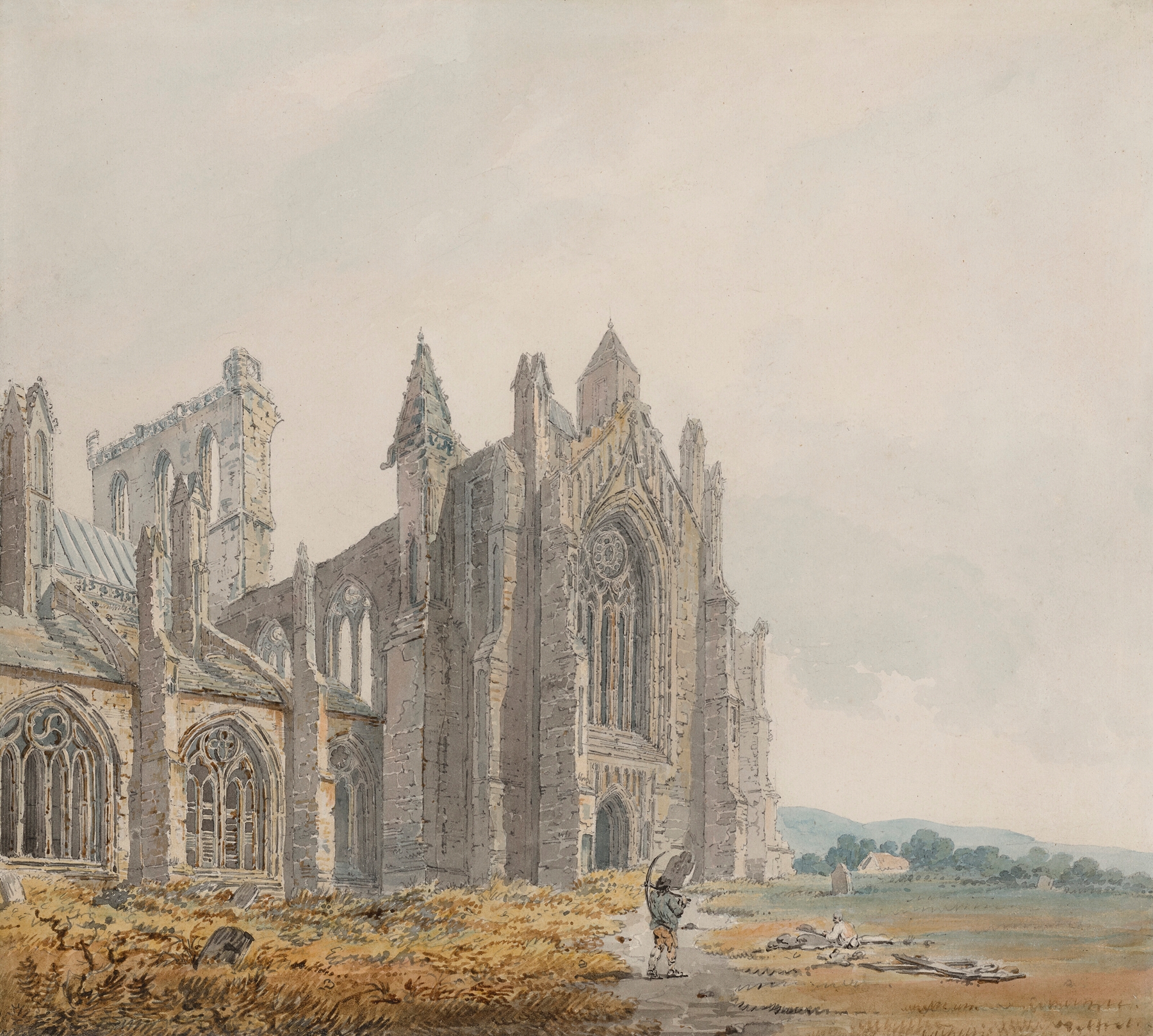
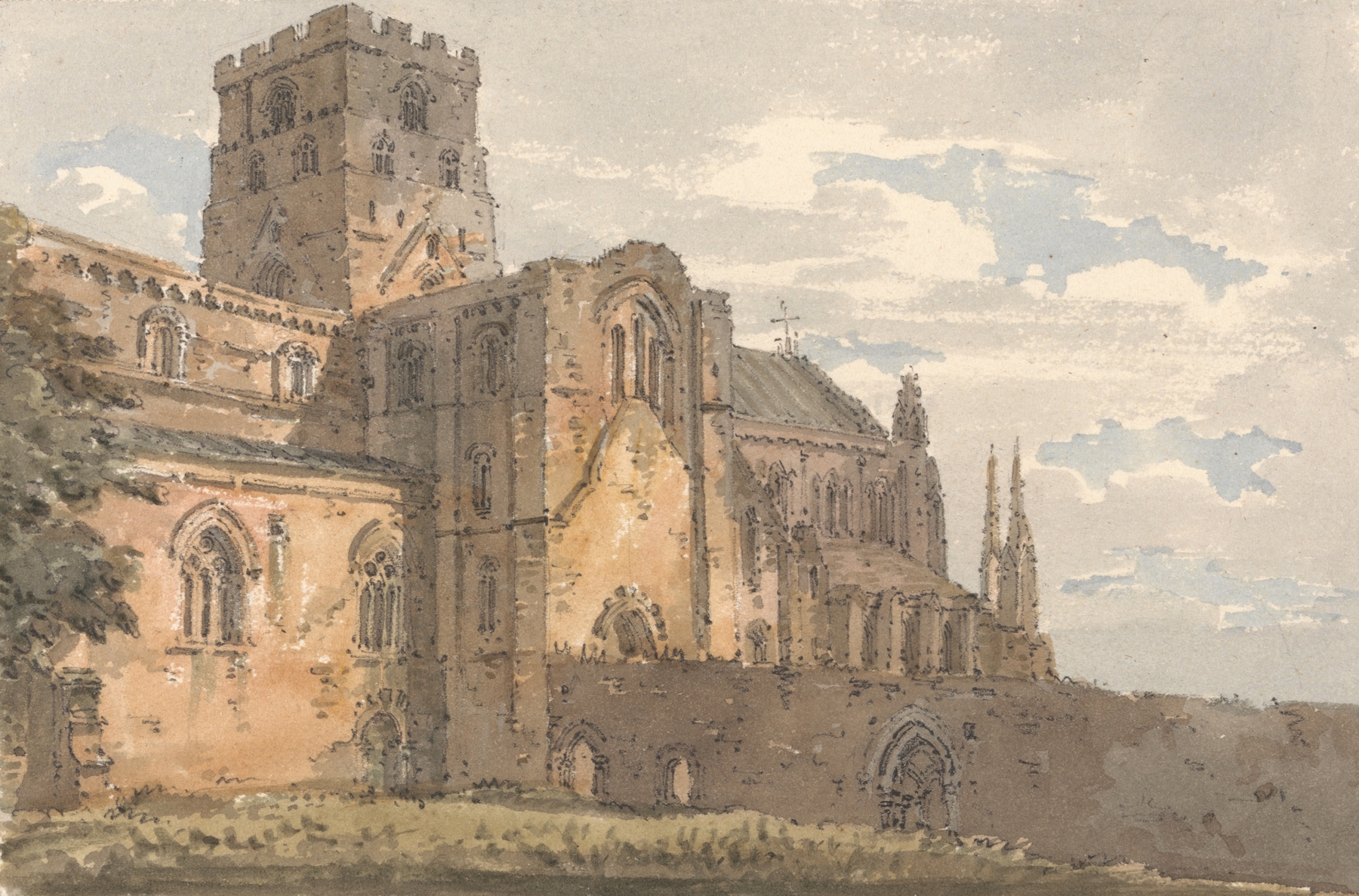
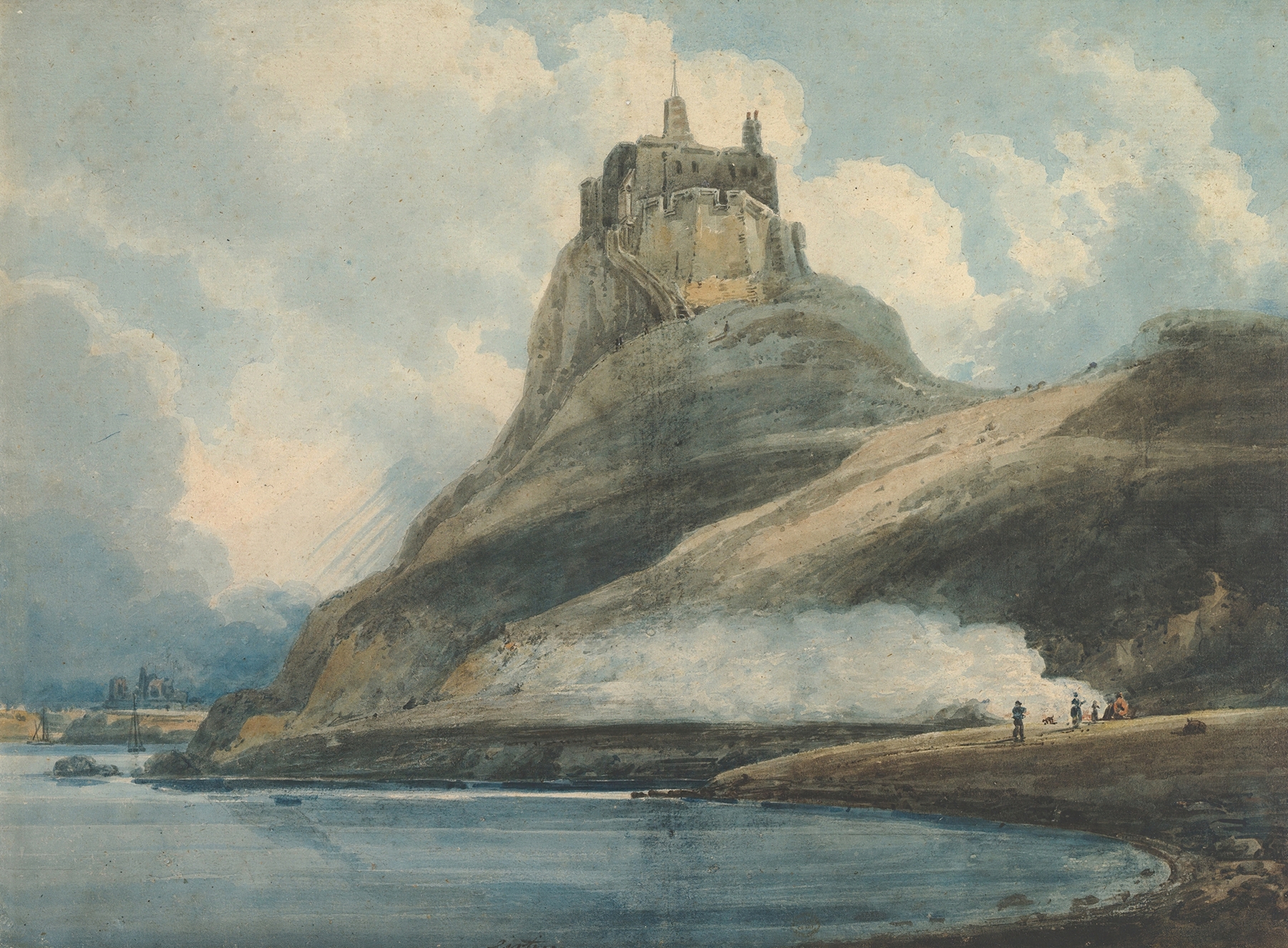
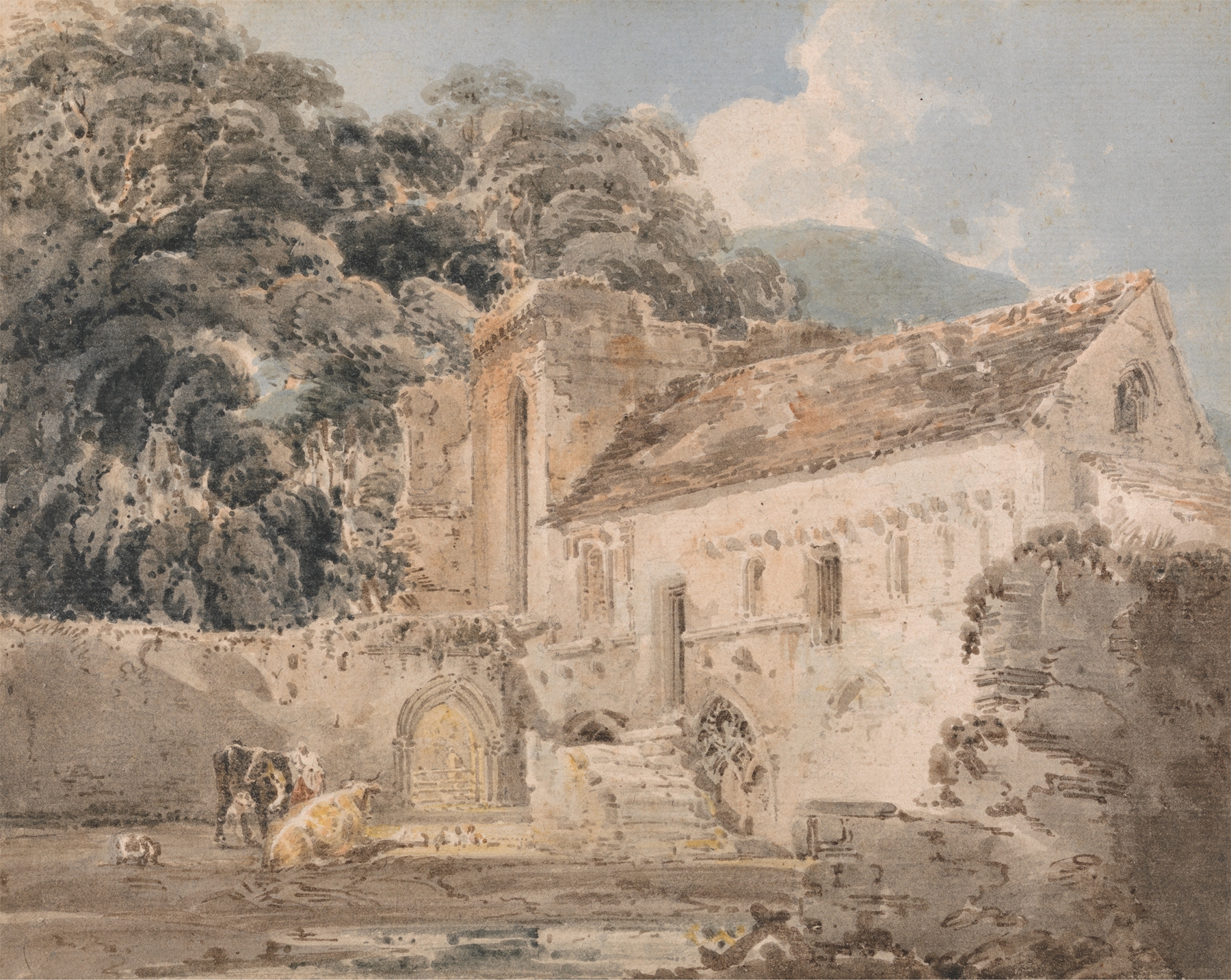
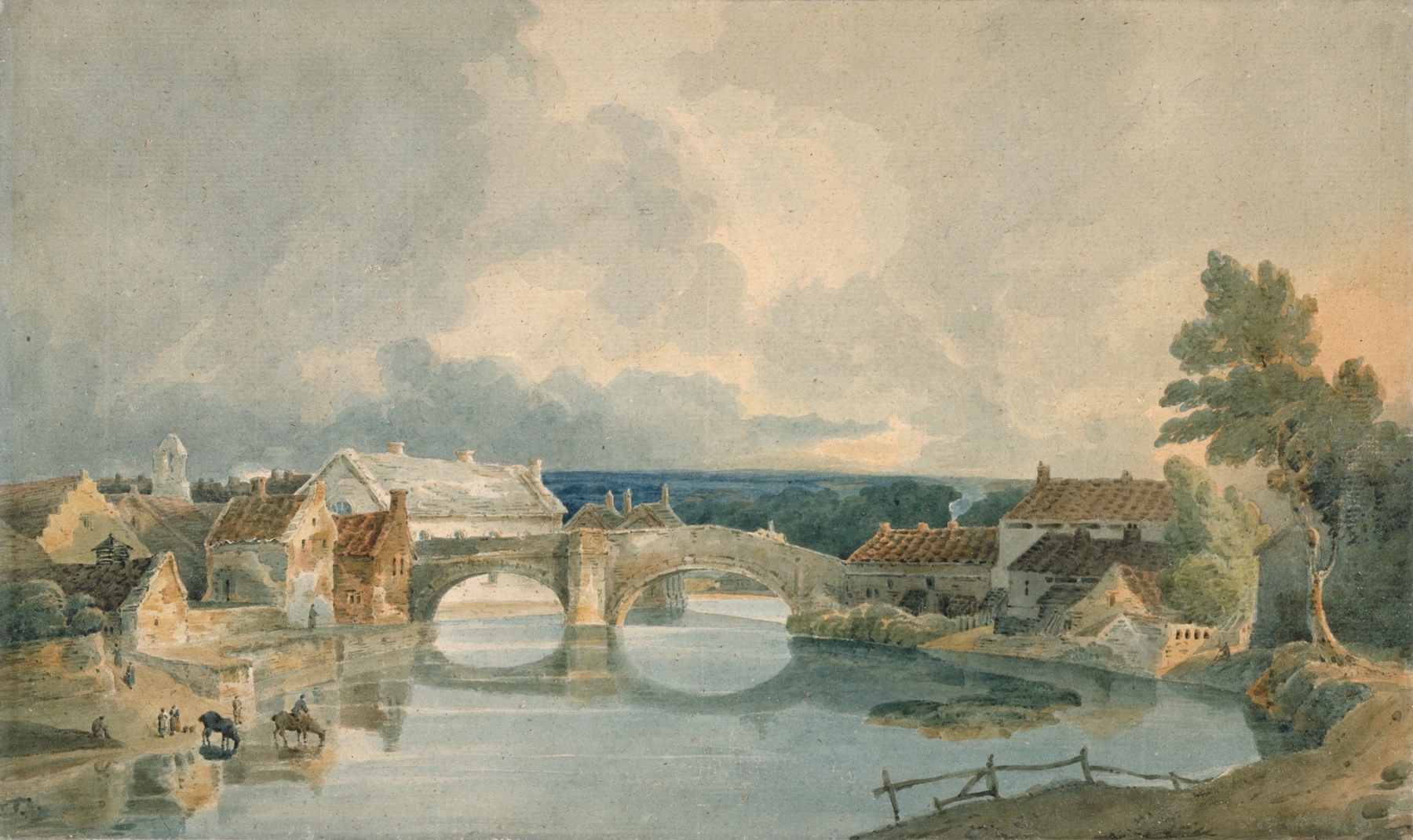
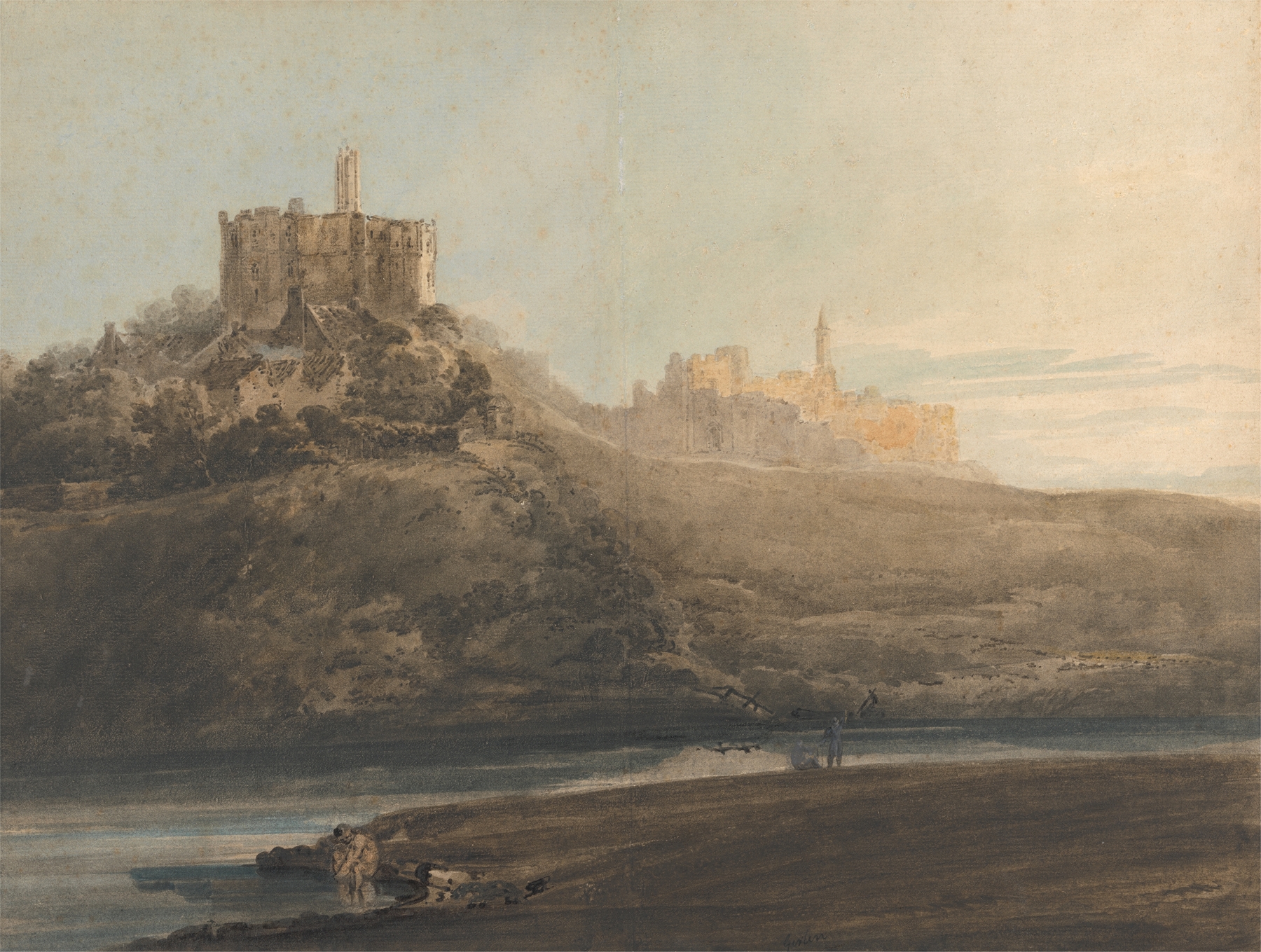
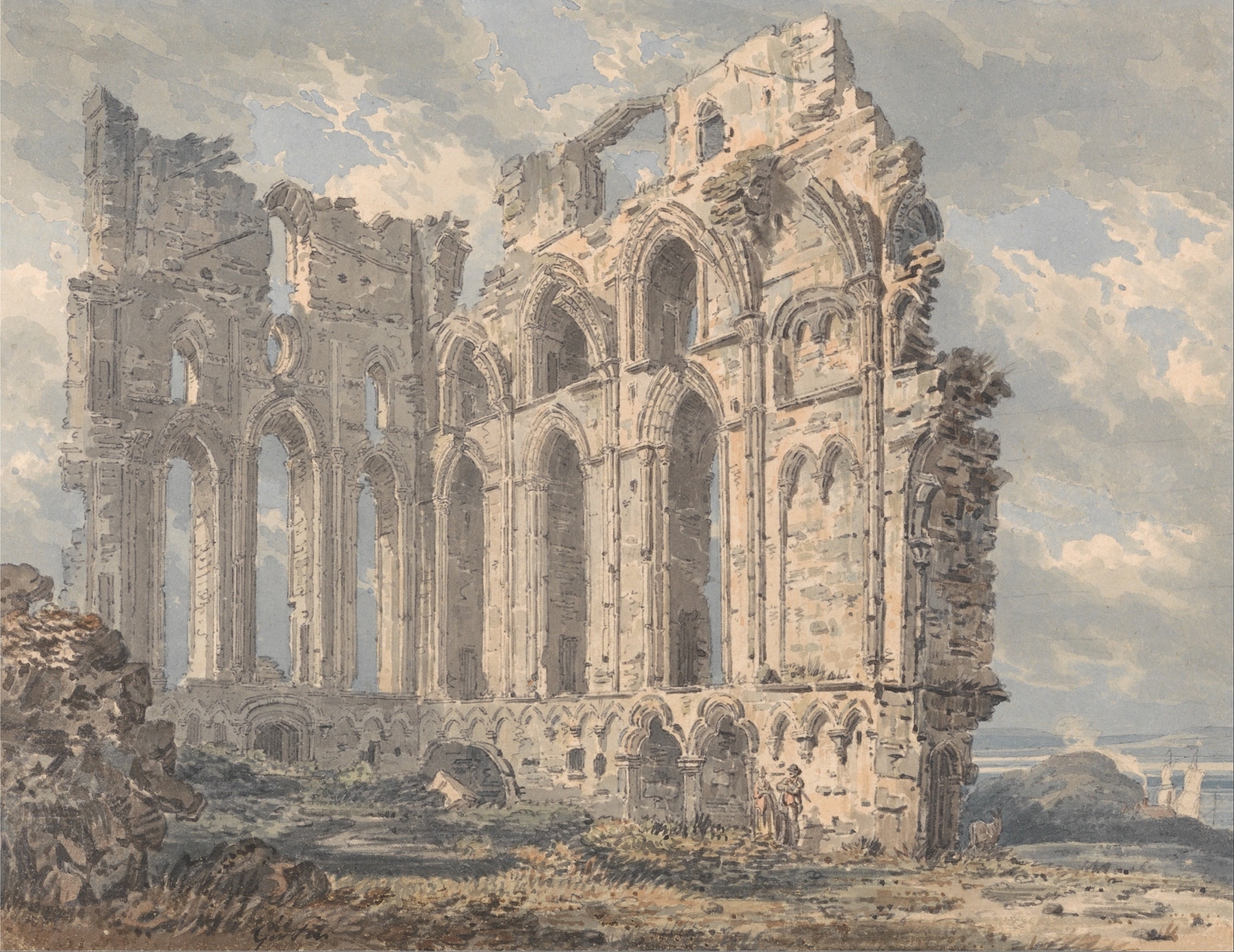
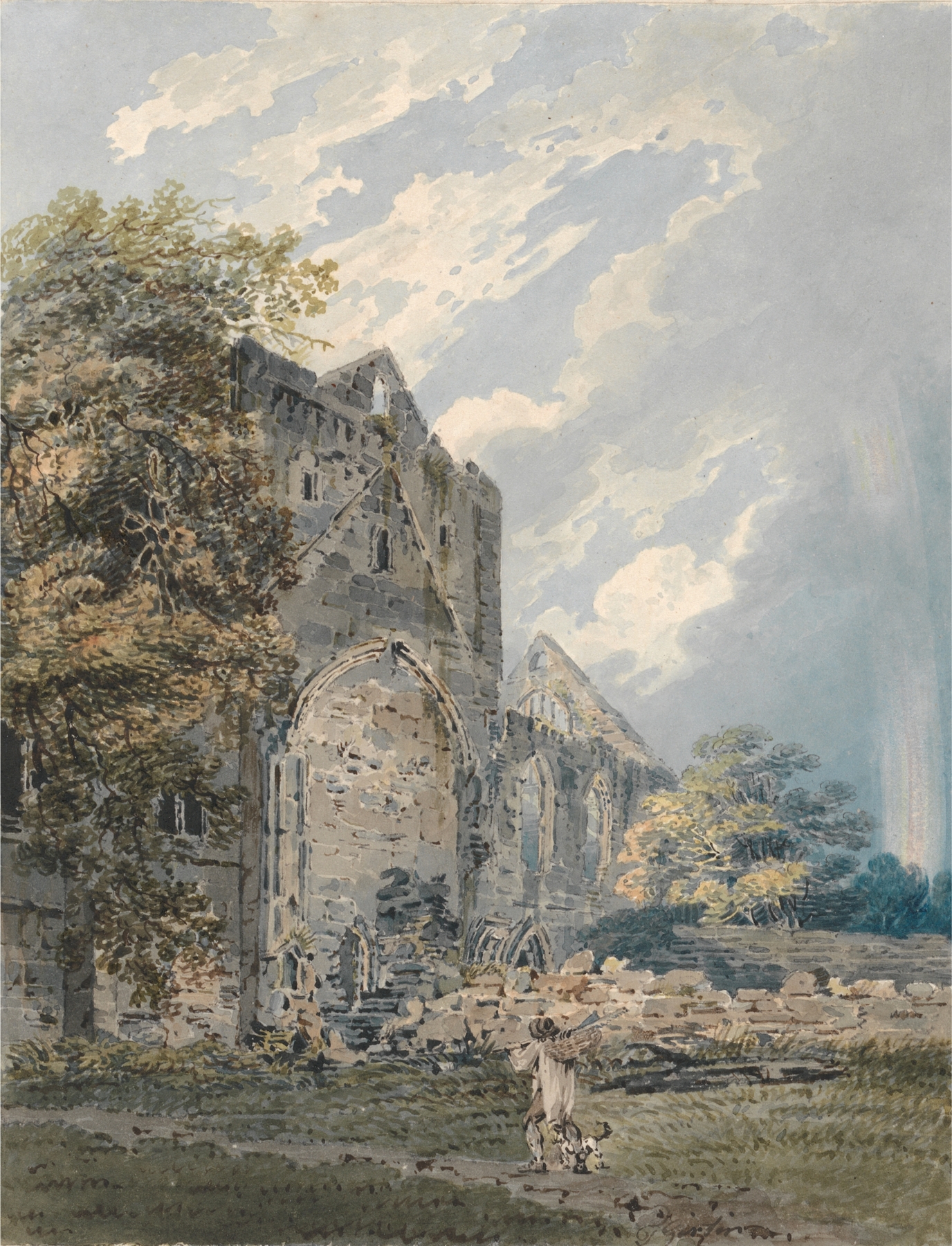
“To paint is to remember what time wants us to forget.” In the stillness of a cathedral, echoes of the divine linger in the air, intertwining the sacred with the ephemeral. Look to the left; there, the towering spires of Lichfield Cathedral ascend, their Gothic architecture reaching toward the heavens. Notice how the artist captures the delicate interplay of light and shadow across the stone façade, the warm sun illuminating the intricate details while darker hues convey the weight of history. The soft blues and greens in the surrounding landscape cradle the structure, creating a harmonious backdrop that heightens the cathedral’s grandeur.
Beneath the surface lies a profound contrast between the permanence of the cathedral and the fleeting nature of human life. The artist’s choice of muted tones evokes a sense of reverence, suggesting that while the cathedral stands as a monument to divinity, the world outside is subject to the relentless passage of time. Elements like the wispy clouds in the sky serve as a reminder of the ephemeral, inviting viewers to ponder their own existence within this eternal space.
Created in 1794, this piece reflects Thomas Girtin's deepening interest in capturing the sublime quality of architecture within landscapes. During this period, he was exploring watercolors, emphasizing their emotional resonance amidst the backdrop of Romanticism, a time when art began to prioritize personal experience and the beauty of nature. The work stands as a testament to both his craftsmanship and the evolving dialogue about the divine within the artistic and cultural milieu of late 18th-century England.