Life Saving Patrol — History & Analysis
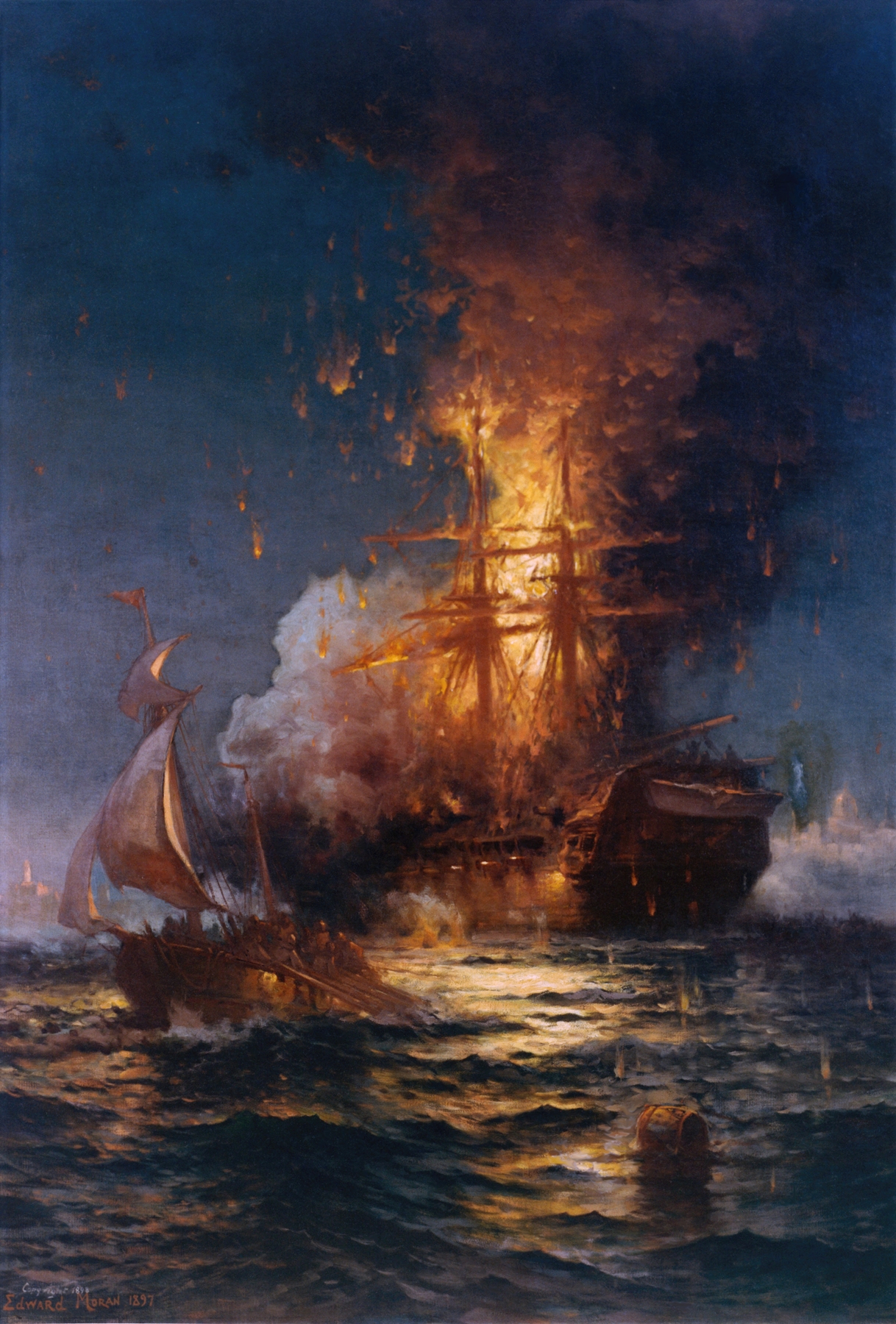
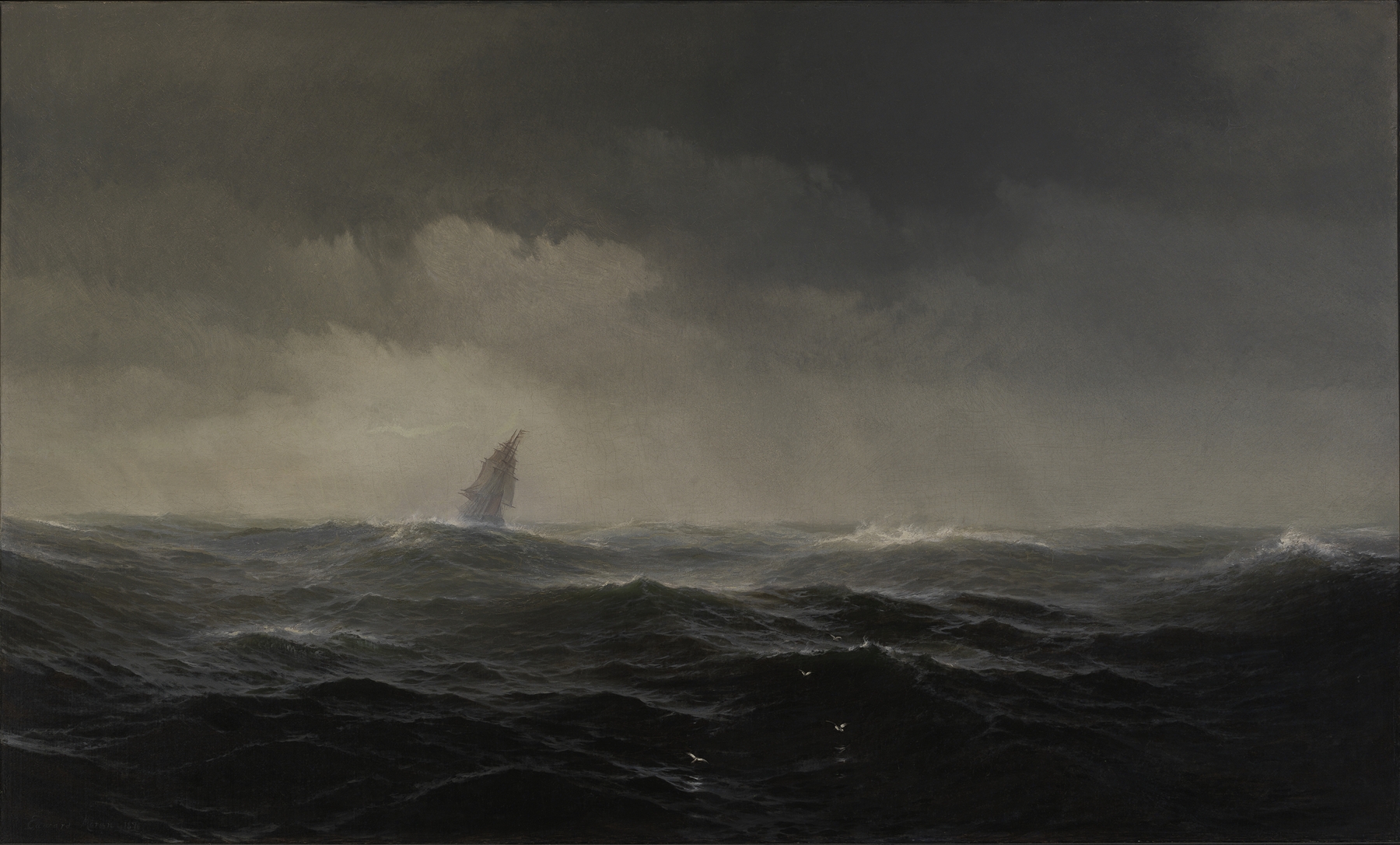
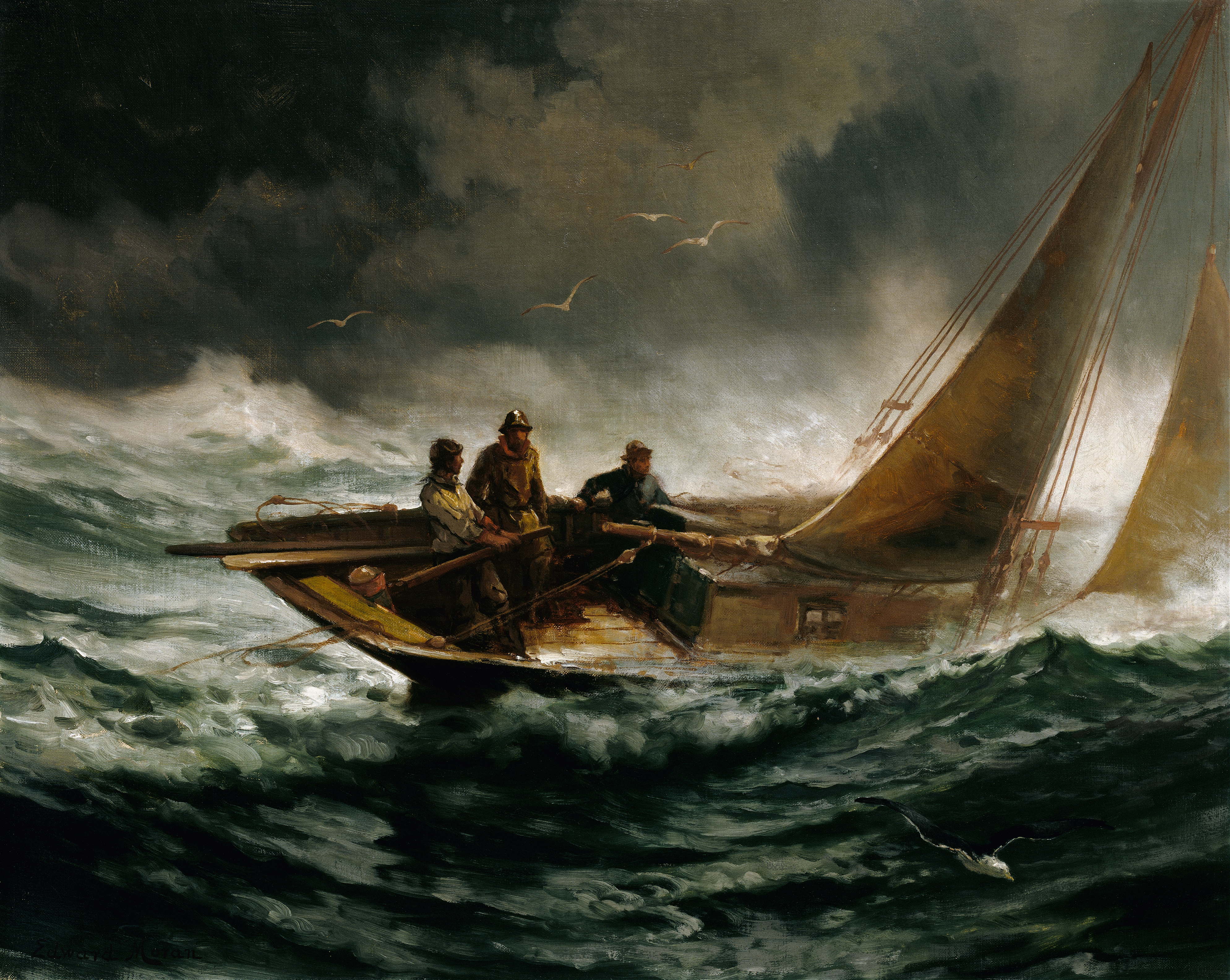
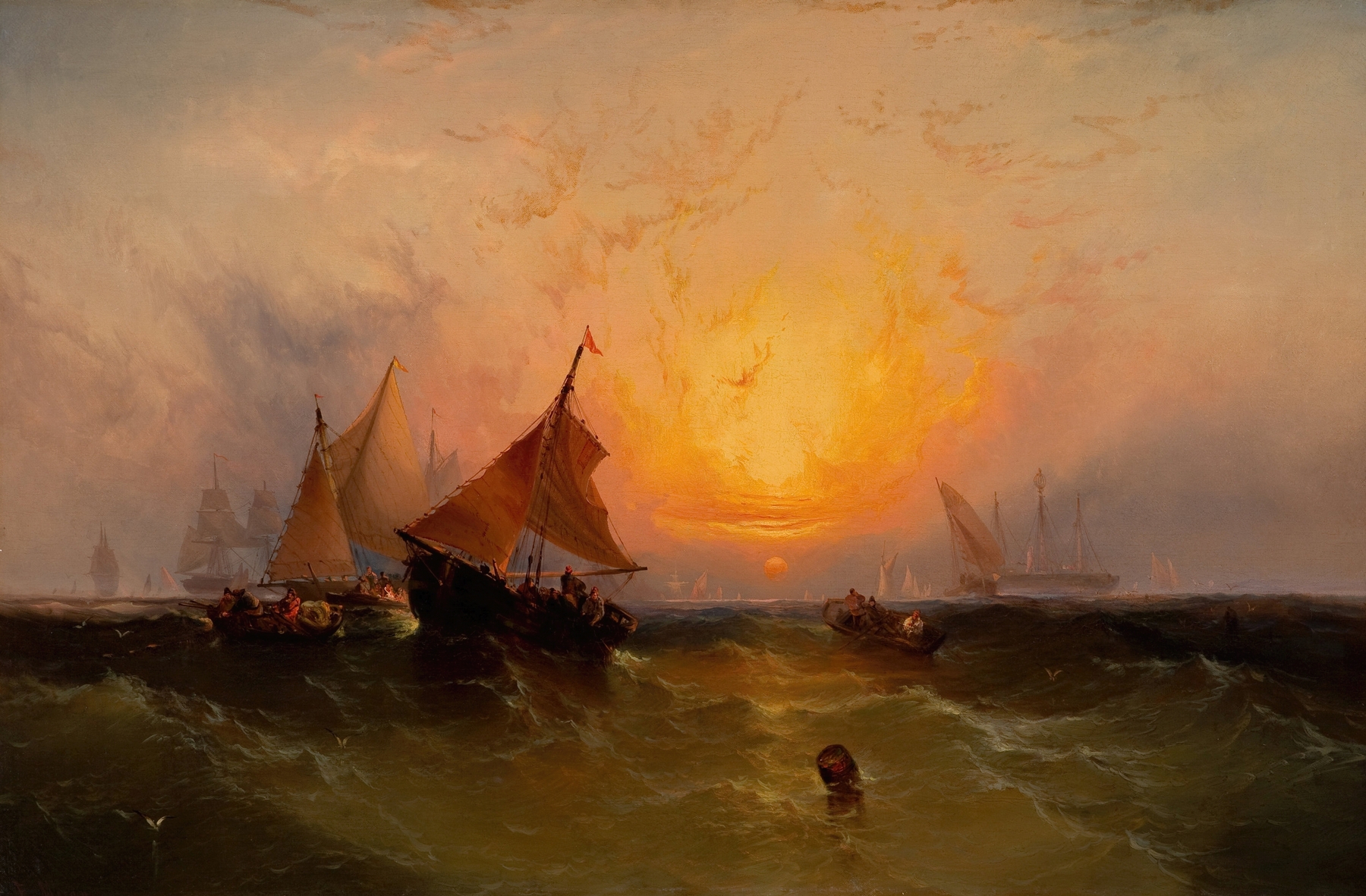
“The canvas doesn’t lie — it simply waits.” In the stillness of a moment captured in oil, we find a testament to the resilience of hope amidst despair. Each stroke beckons the viewer to pause and reflect on the fragility of life and the courage embedded in humanity's spirit. Look to the center, where a lifeboat, buoyed by relentless waves, emerges from the depths of the tumultuous sea. The figures aboard, their taut bodies etched with determination, extend their arms toward the unseen—a gesture of salvation. The whirl of cerulean and foamy whites vividly contrasts against the dark, ominous clouds hanging overhead, framing the urgency of their mission.
Moran’s deft brushwork captures the tumult of the ocean, echoing the emotional tempest faced by those who risk their lives in service of others. Yet, beyond the visual tumult lies a profound narrative of dualities—hope and despair, chaos and calm. The precarious balance on the edge of the waves embodies the tension between life and death, while the light breaking through the clouds hints at a miraculous dawn. Each sailor’s focus reveals a shared commitment, an unspoken bond forged in the face of adversity.
These small details transcend the moment, resonating with the universal human struggle for survival and connection. In 1893, during a period rife with technological advancements and societal change, the artist was deeply influenced by themes of heroism and sacrifice. Moran, a prominent maritime painter, sought to encapsulate the valor of those who dedicate their lives to saving others, reflecting not only the perilous world of the sea but also the inner workings of the human heart. His work emerged as a beacon of inspiration, urging viewers to recognize the enduring light of hope in the darkest of circumstances.