Liggend meisje bang voor geesten van overledenen — History & Analysis
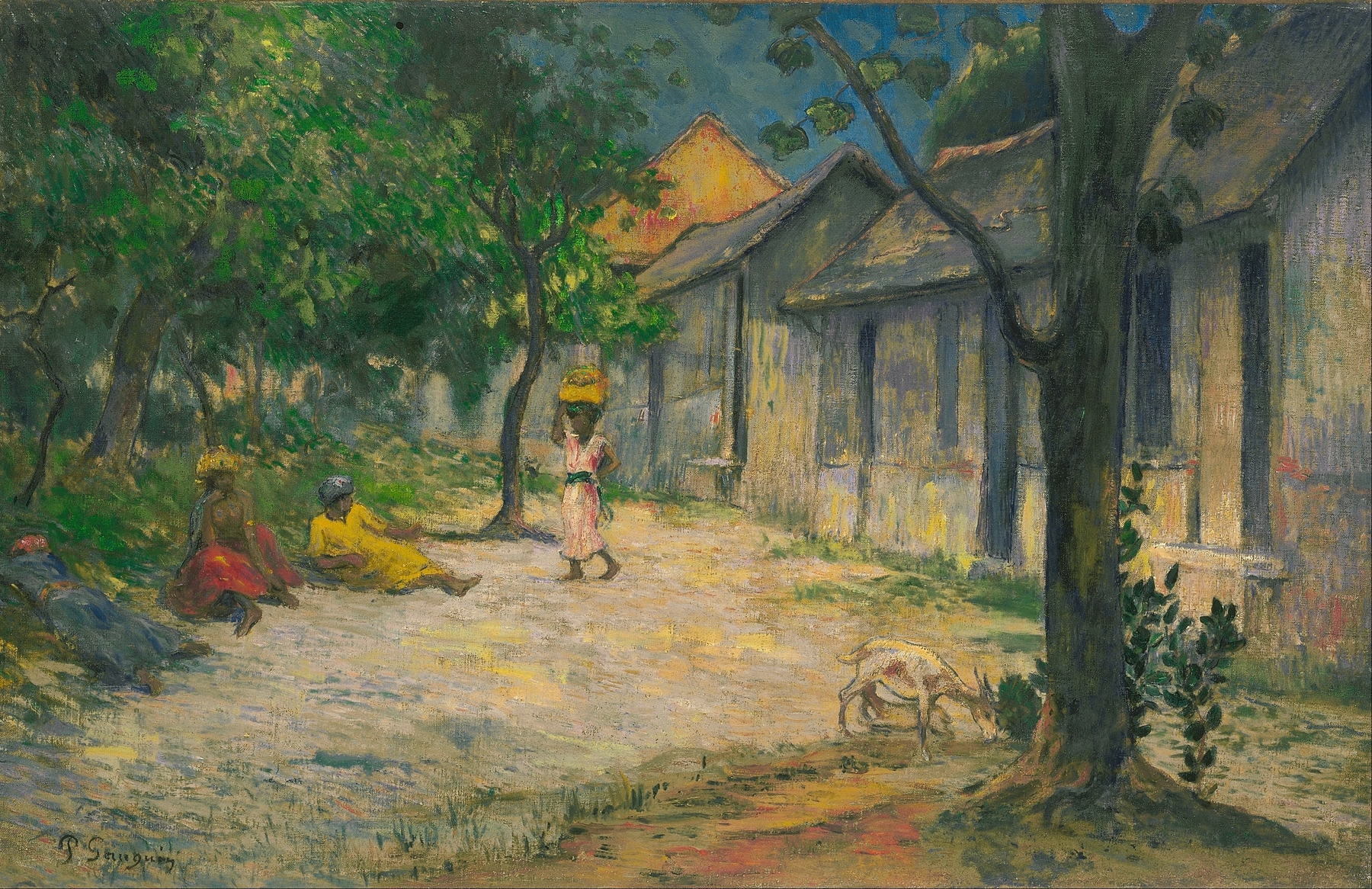
Could a single brushstroke hold eternity? In Liggend meisje bang voor geesten van overledenen, the very essence of faith and fear intertwines, inviting the viewer to explore the spiritual depths of existence. Look to the center, where a young girl reclines, her body relaxed yet her expression fraught with unease. The warm, earthy tones of her skin contrast starkly with the cool blues and greens surrounding her, creating a visual tension.
Notice how the light gently caresses her form, illuminating her face while casting shadows that suggest her inner turmoil. The swirling patterns of the background evoke a sense of movement, as if unseen spirits are circling just beyond her awareness, heightening the emotional stakes of the piece. The girl’s gaze is both vulnerable and defiant, betraying her struggle between innocence and the weight of the supernatural. The ethereal, ghostly figures in the backdrop symbolize not only past lives but also the weight of heritage and memory that can haunt the living.
Gauguin’s choice of colors and swirling forms draws a parallel between the natural and the otherworldly, suggesting that faith is as much about confronting fears as it is about embracing the unknown. In 1894, Gauguin was living in Tahiti, seeking solace and inspiration away from European conventions. He was exploring themes of spirituality, often drawing from the cultural beliefs of the islanders. This painting reflects his desire to capture the essence of existence beyond the mundane, revealing the intersections of life, death, and the haunting grip of faith in a world that often feels ephemeral.