Little Falls — History & Analysis
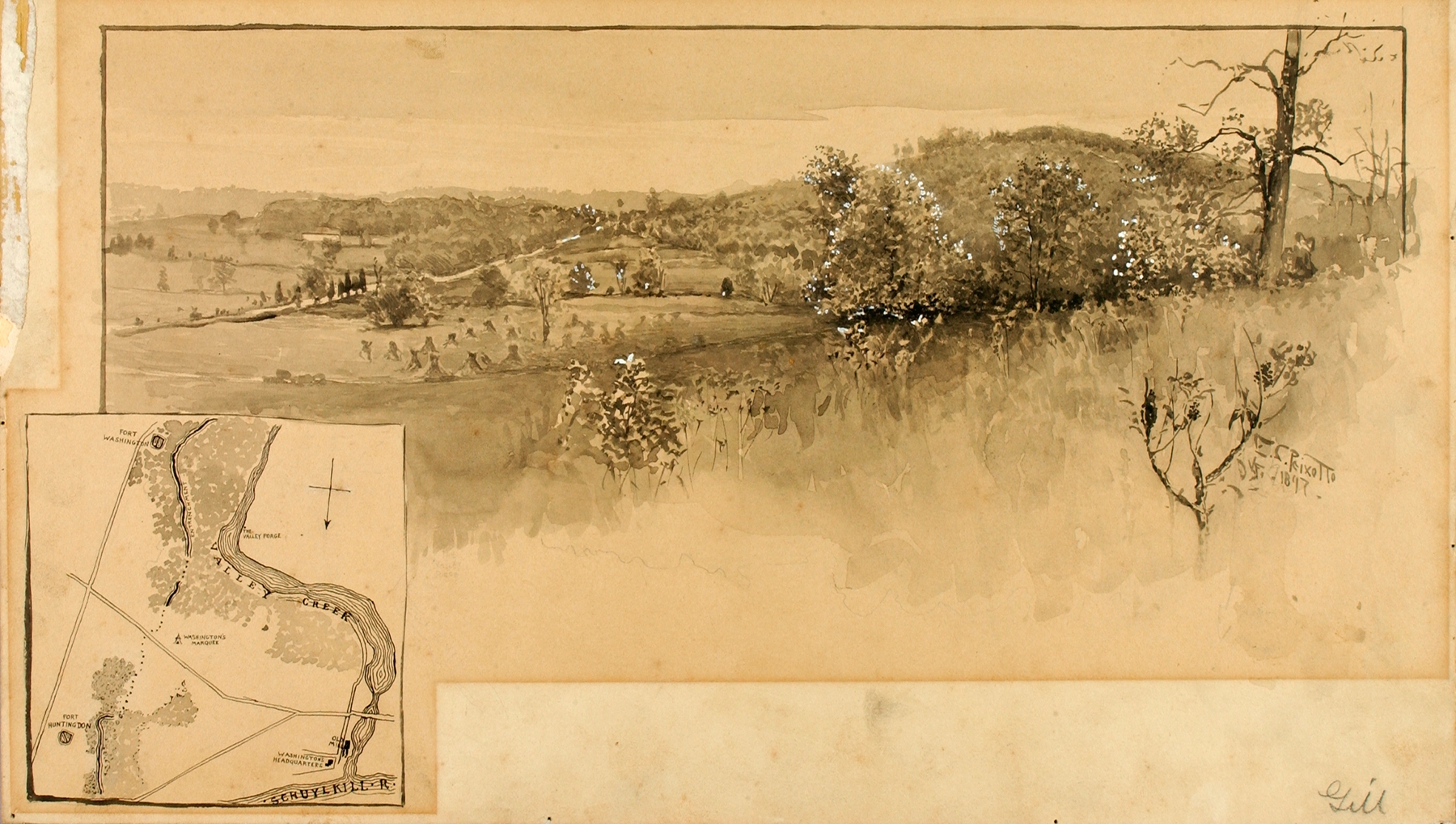
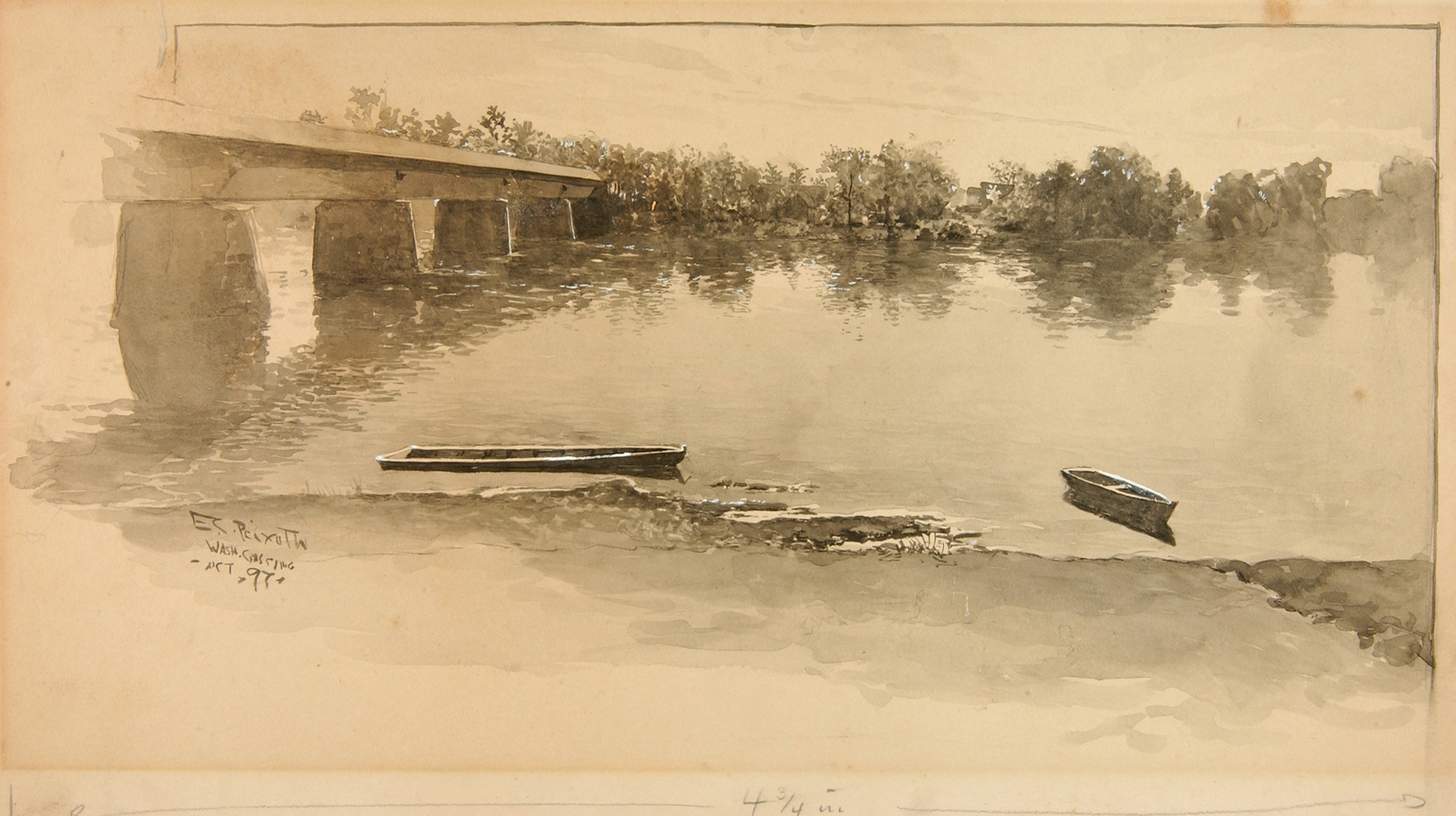
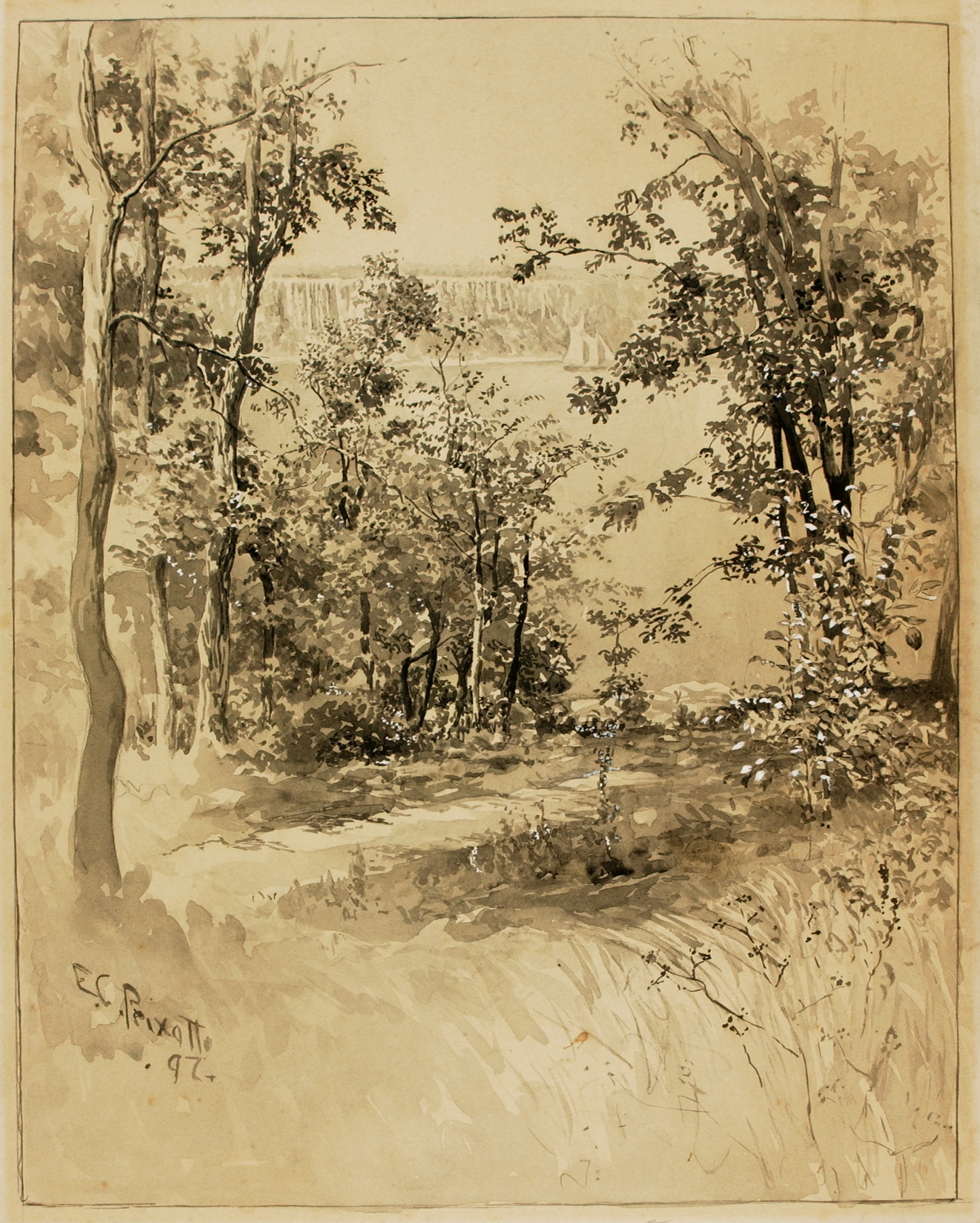
Is this a mirror — or a memory? In Little Falls, the interplay of light and water captures a serene transformation, inviting contemplation of nature's constant flow and our place within it. Look to the left at the gentle cascade of water, where the sunlight dances on the surface, creating a dazzling array of sparkles that beckon the eye. Notice how the lush greenery frames the scene, grounding the ephemeral movement of the water in a vibrant embrace of life.
The contrasting dark rocks below anchor the composition, while the soft blues and greens paint a tranquil harmony, suggesting a moment of stillness amid nature's dynamism. The painting reveals deeper narratives through its vivid contrasts. The rush of the water symbolizes not only the passage of time but also the inevitable changes we face. The juxtaposition of the solid rocks against the fluid water reflects the tension between permanence and transience, highlighting the beauty found in life's fleeting moments.
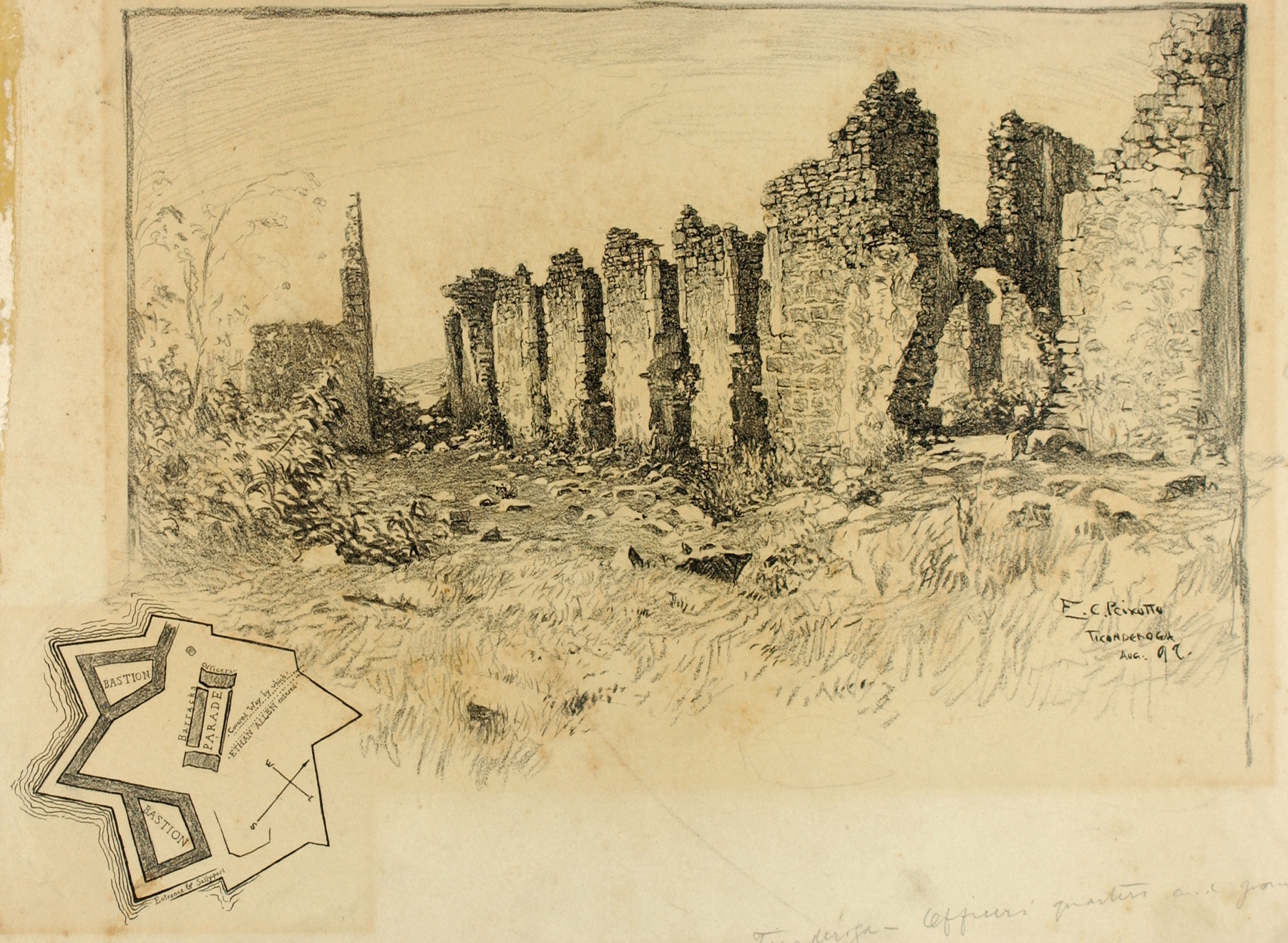
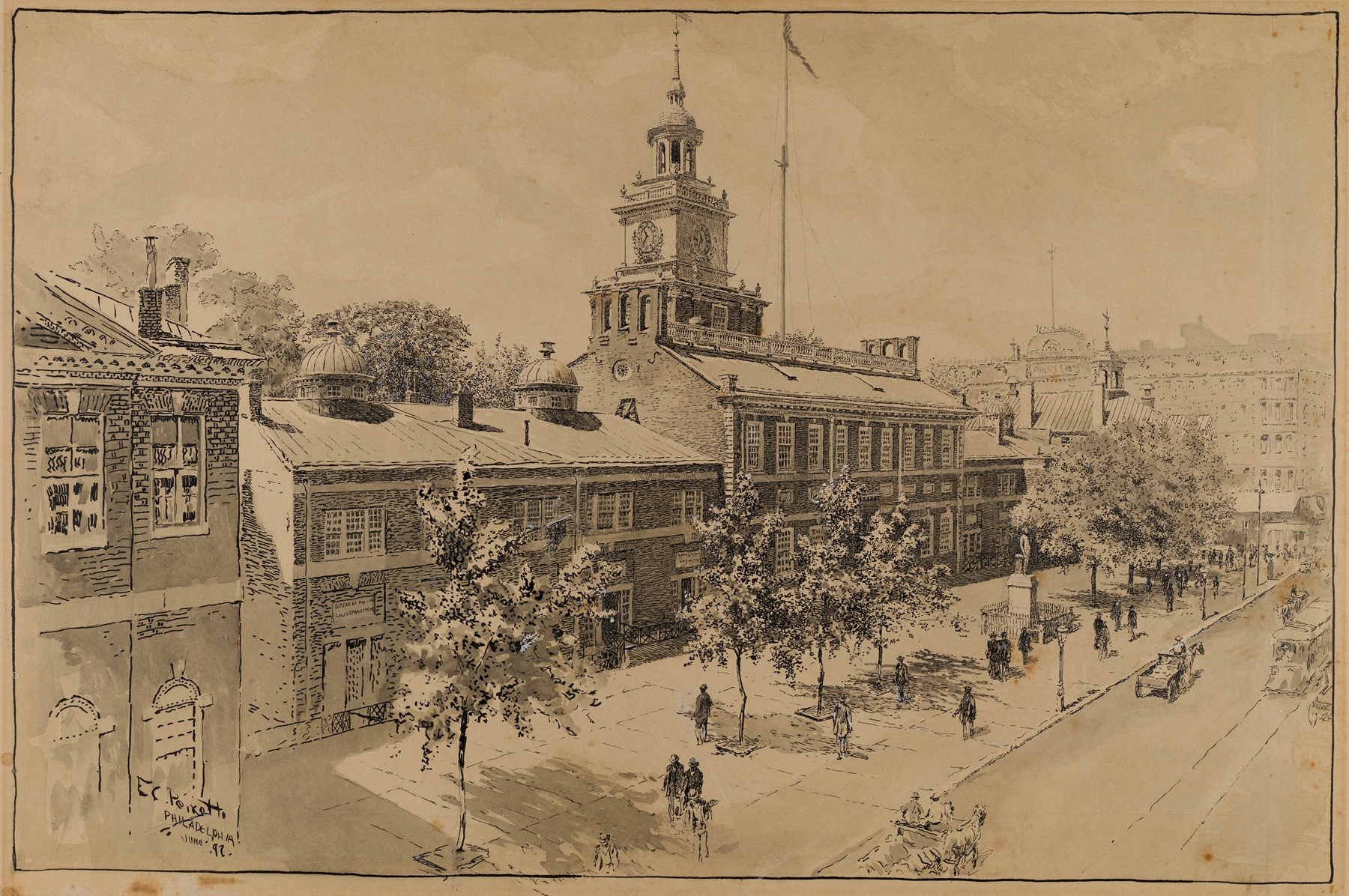
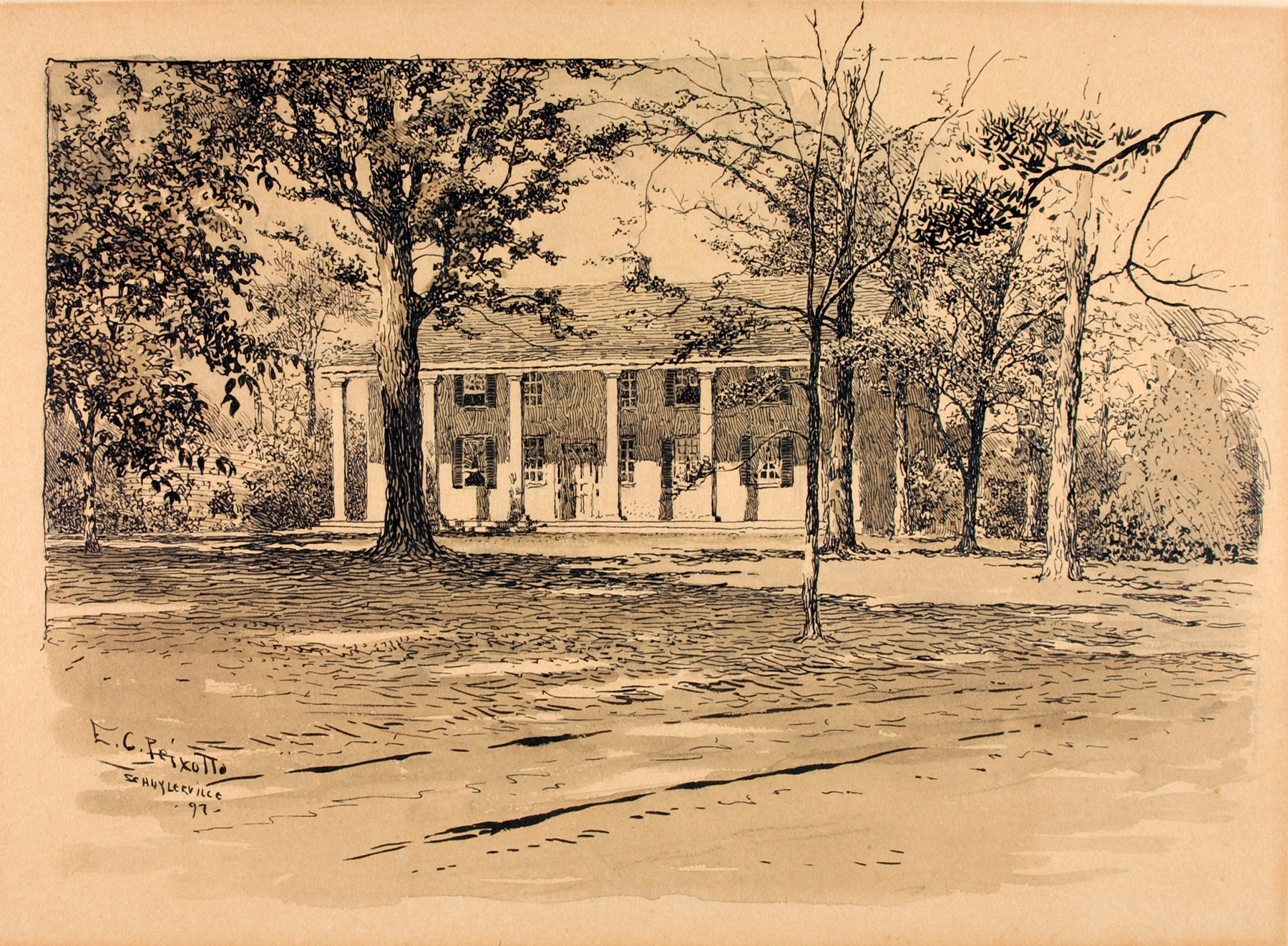
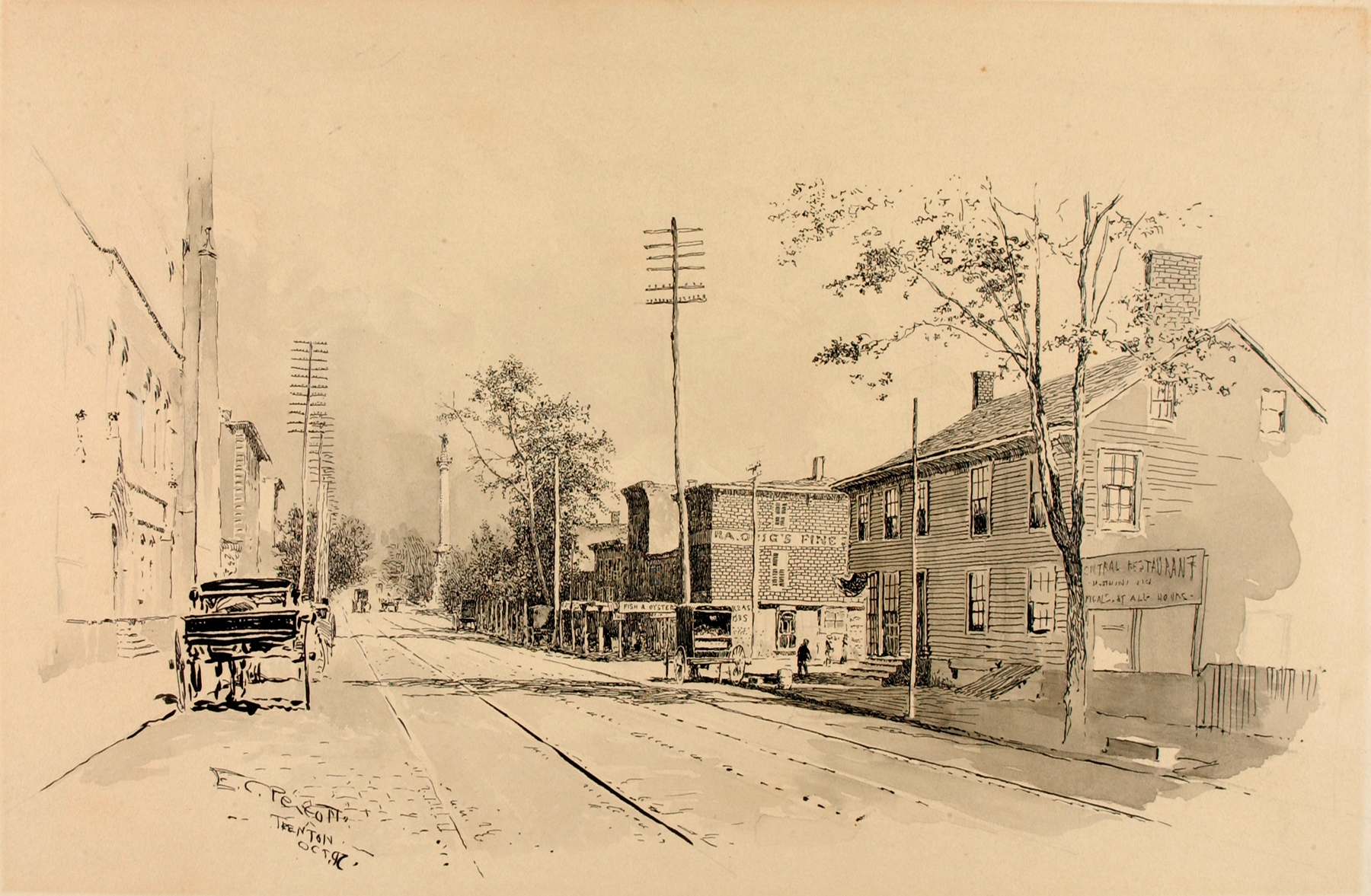
Each brushstroke seems to whisper stories of transformation, echoing the cycles of nature and the human experience. Ernest Peixotto created Little Falls in 1892 while living in the artistic community of California. During this time, he was influenced by the burgeoning American Impressionist movement, which embraced a direct observation of light and color. The world was shifting, as were artistic conventions, and Peixotto sought to capture the vibrant landscapes around him, infusing his work with a sense of place and time that resonated deeply with the era's quest for authenticity in art.