Little Pitch Pine — History & Analysis
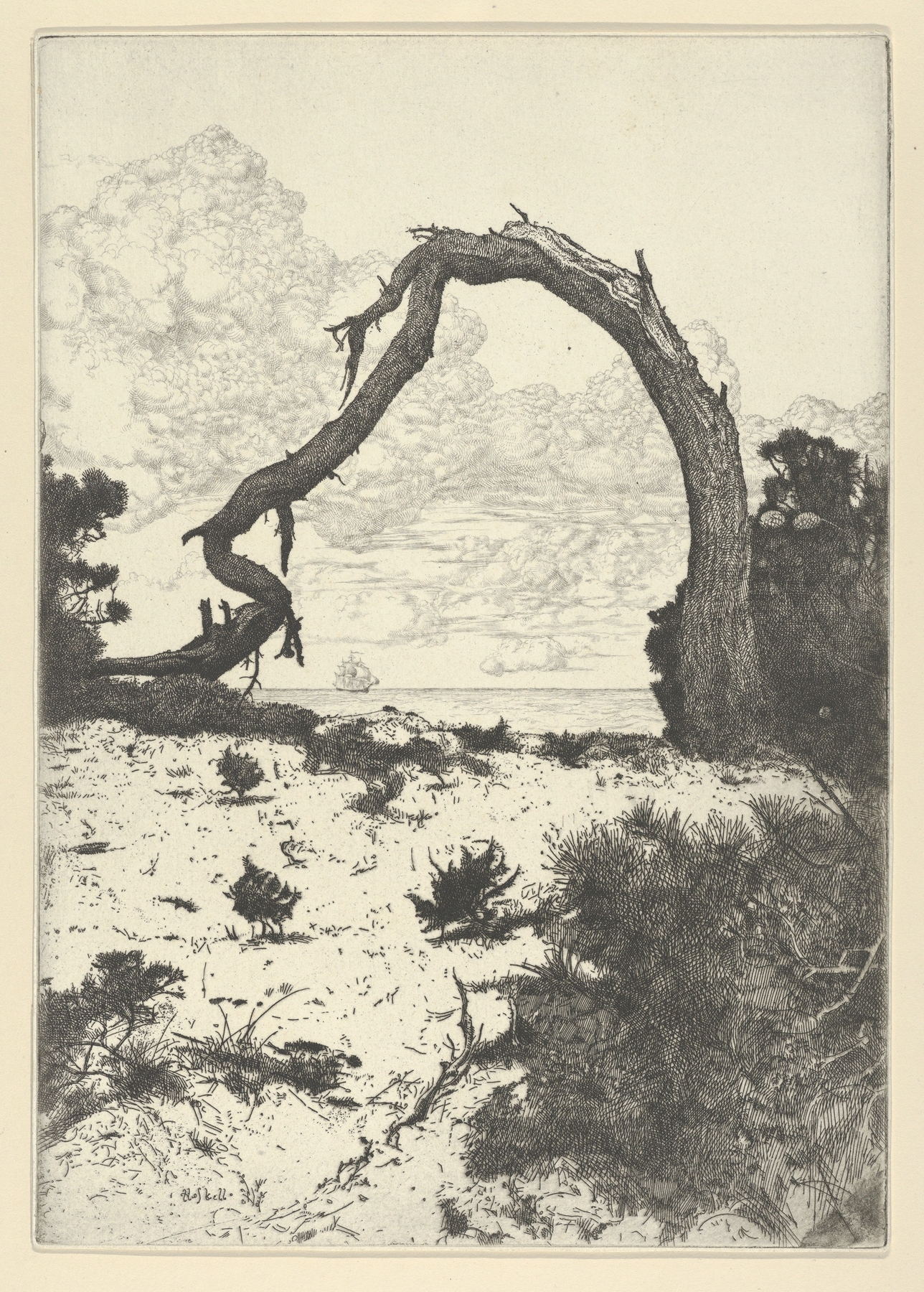
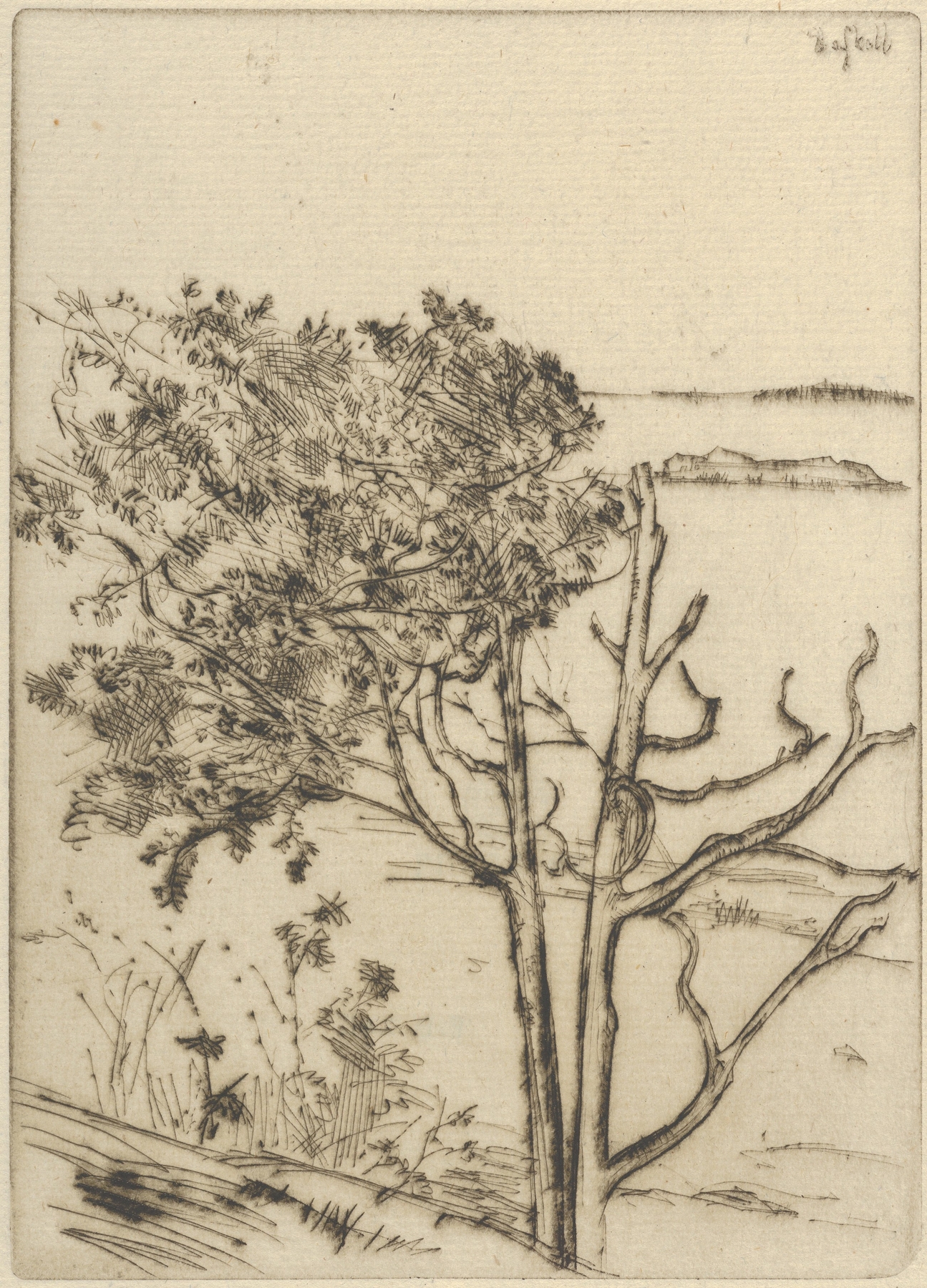
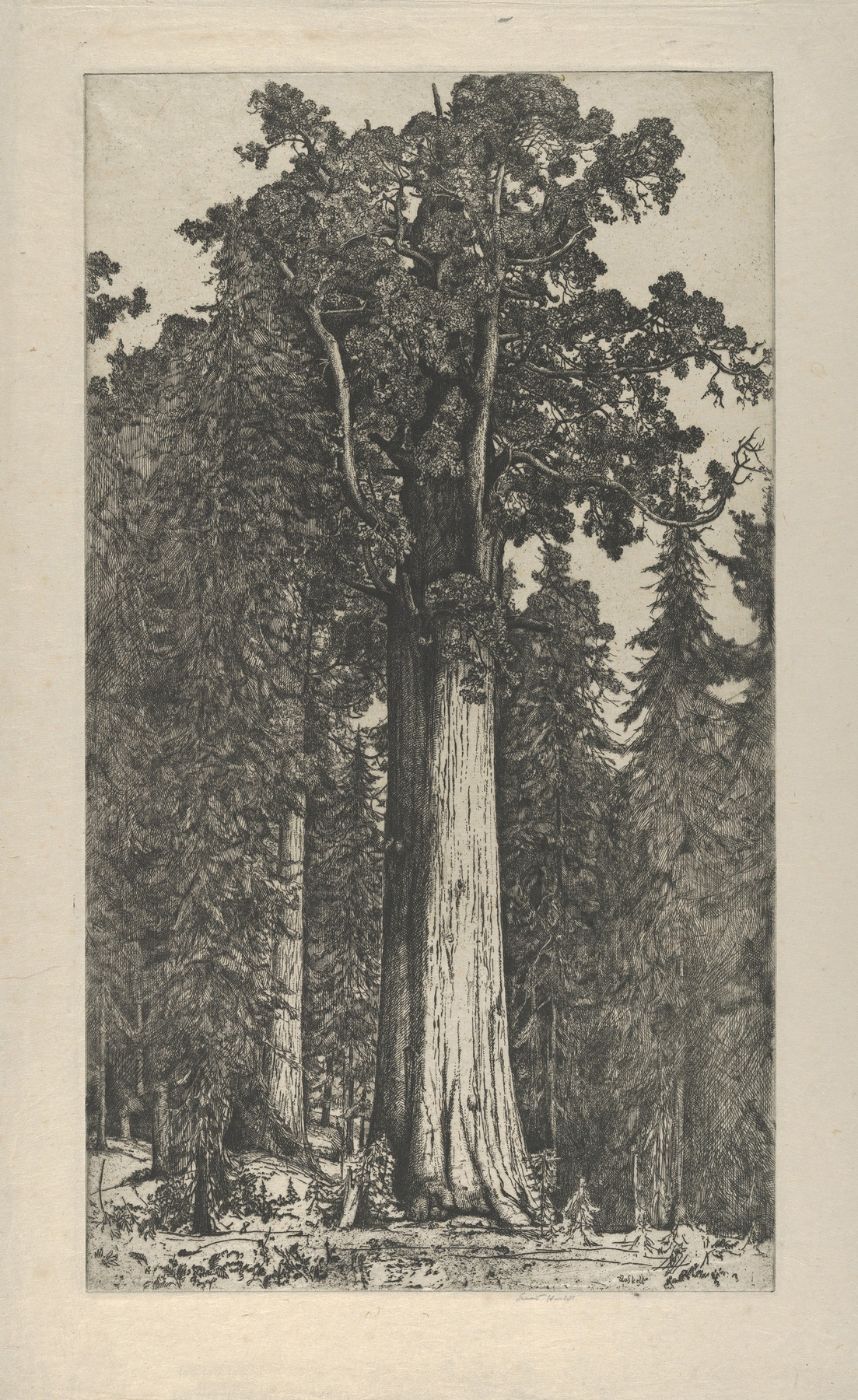
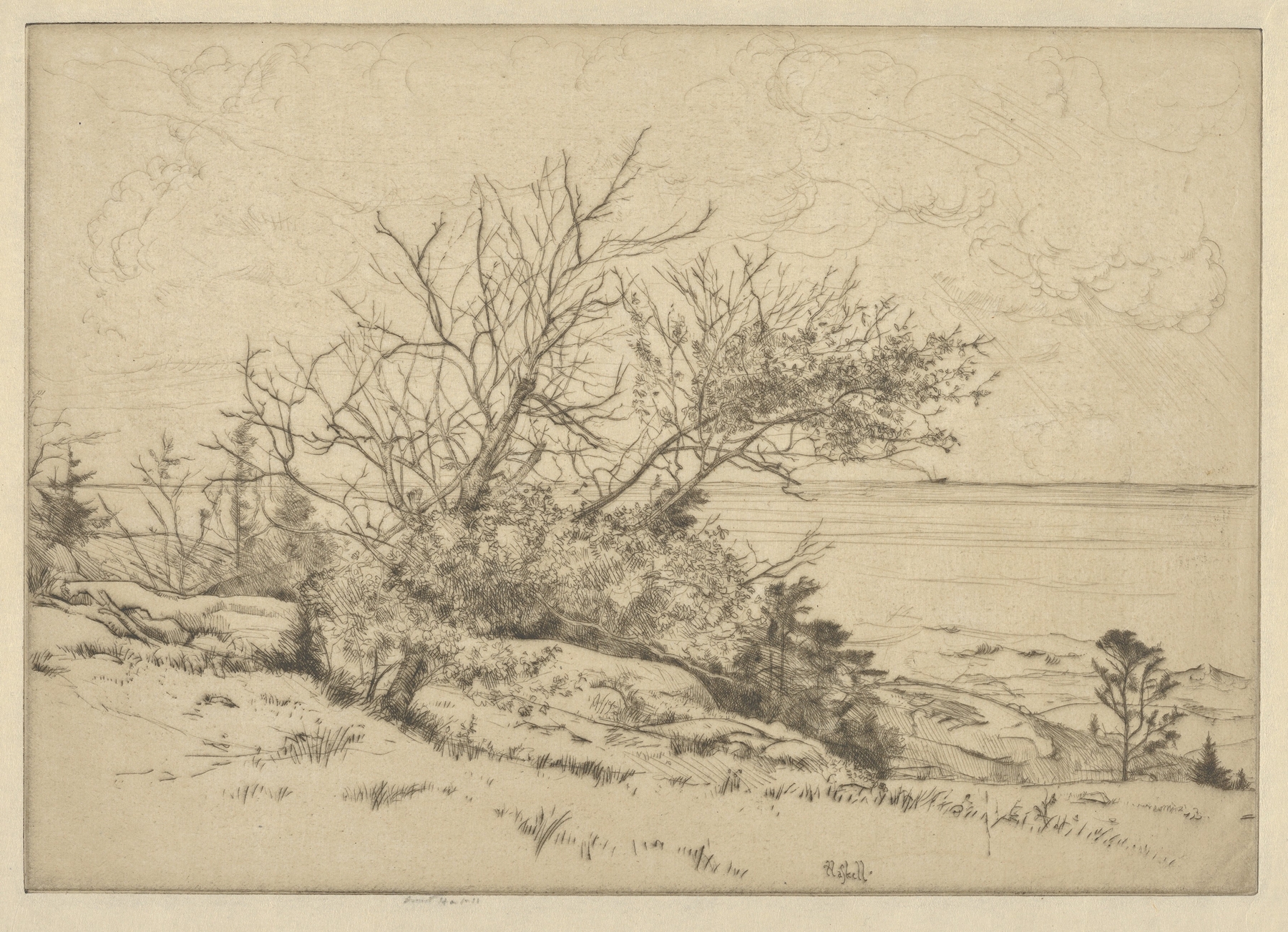
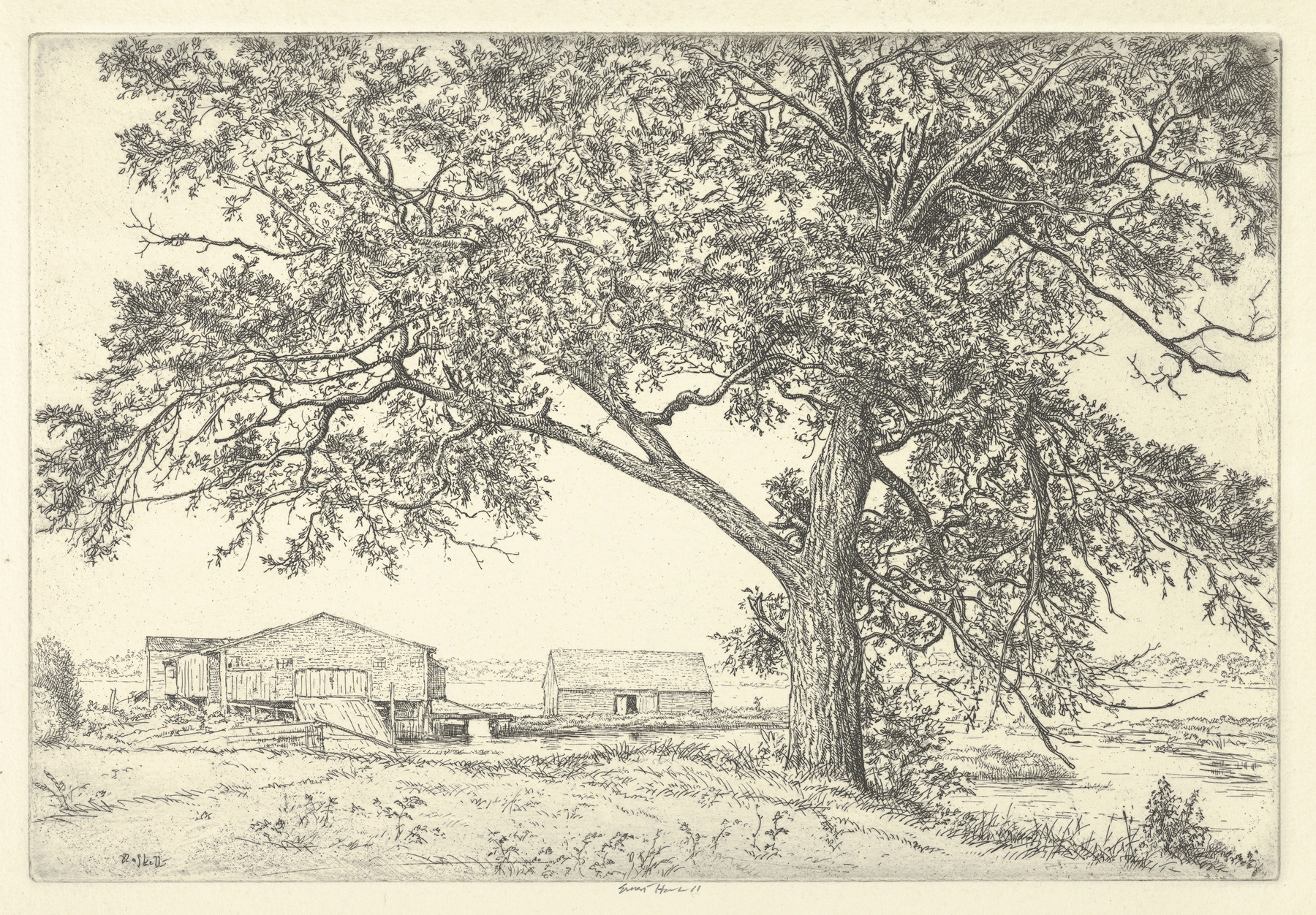
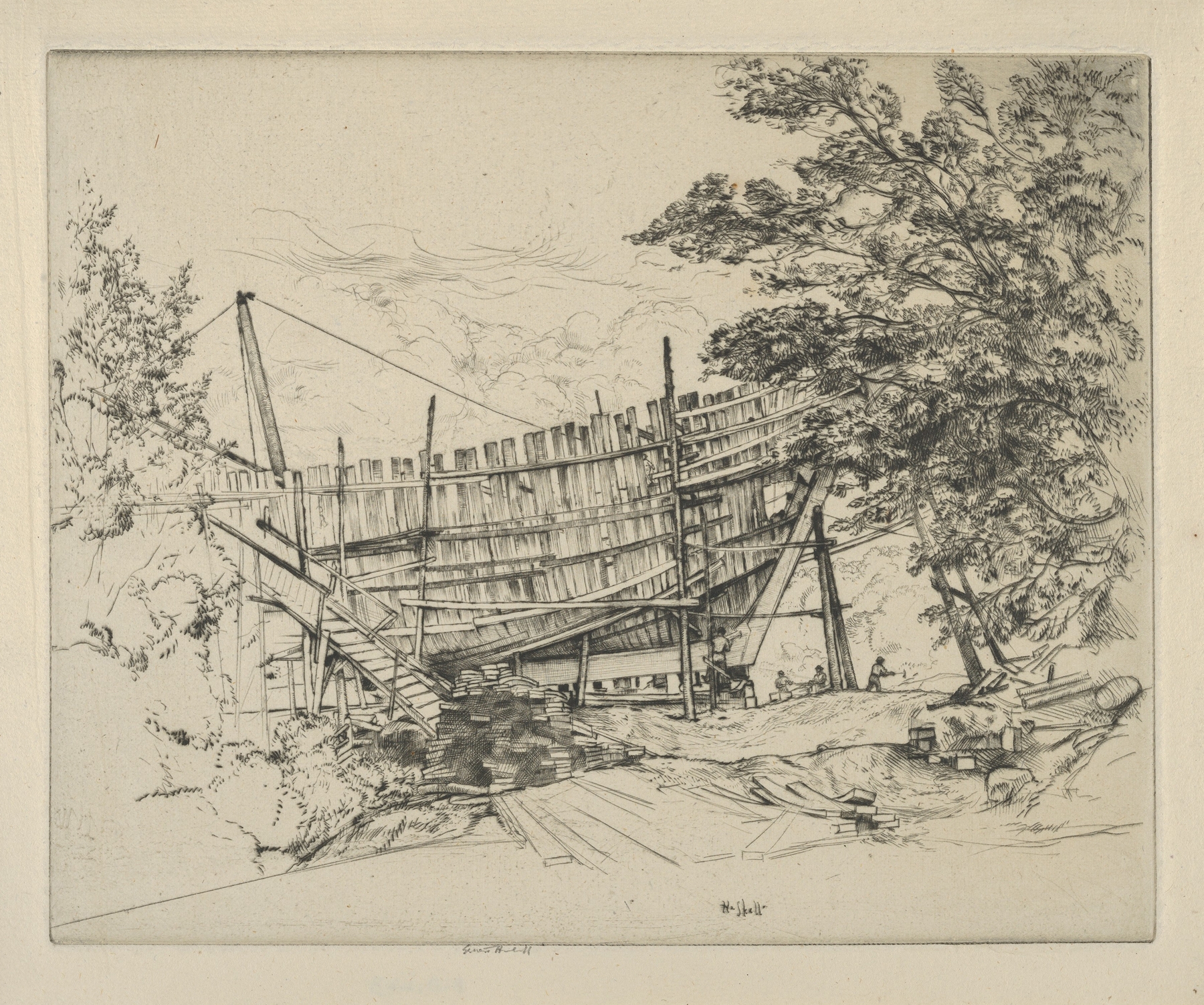
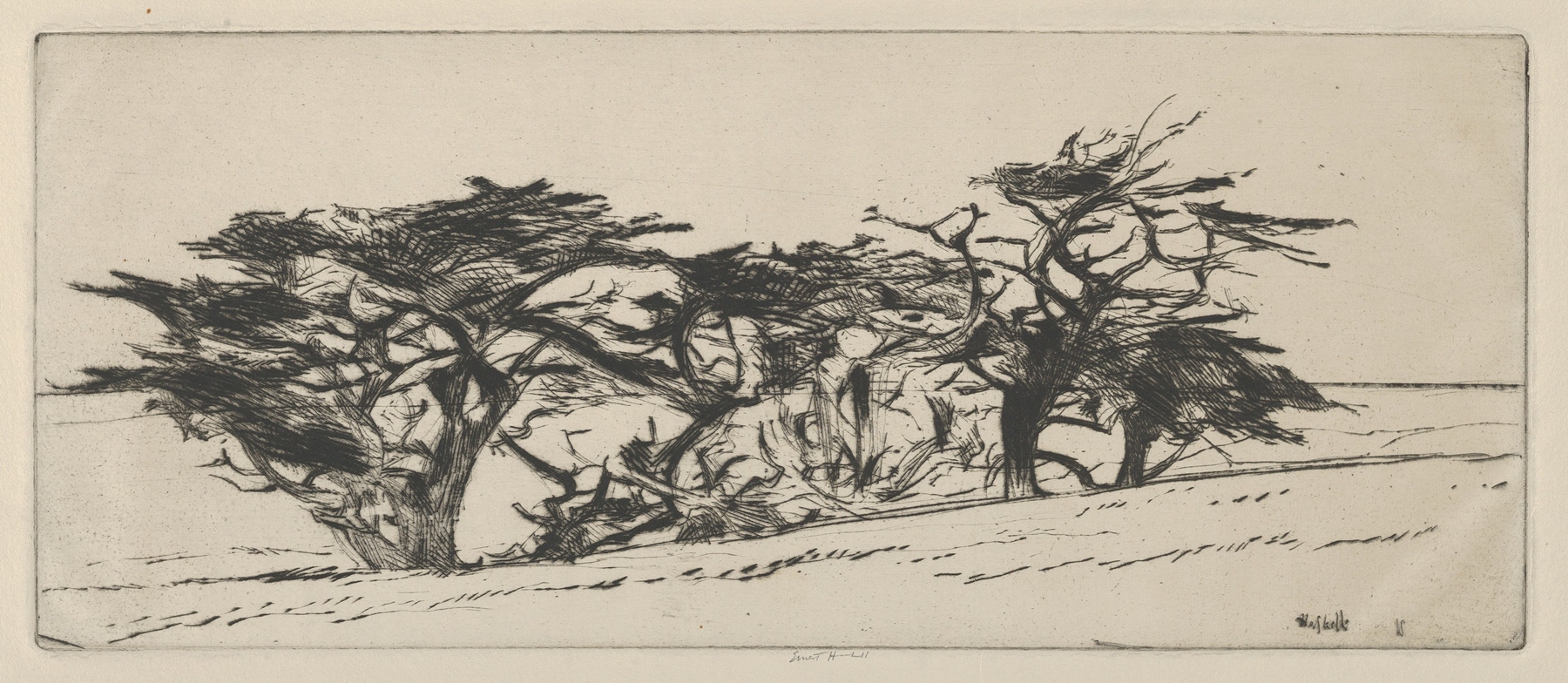
“Art reveals the soul when the world turns away.” In the stillness of creation, the artist channels the chaotic whispers of the mind into a vibrant dialogue of color and form. Here, in Little Pitch Pine, the brush dances between restraint and wildness, inviting us into a space where sanity and madness intertwine. Look directly at the center of the canvas, where the gnarled trunk of the pitch pine stands resolute against a backdrop of swirling greens and browns. Notice how the texture of the bark is rendered with a tactile precision, capturing the essence of the tree’s struggle yet resilience.
The light filters through the branches, casting dappled shadows on the forest floor, evoking a sense of peace that belies the undercurrents of emotional turmoil swirling just beneath the surface. As your gaze wanders, you might sense the tension between order and chaos—a juxtaposition of serene beauty against the madness of nature’s unpredictability. The dark hues of the bark suggest the weight of time and trauma, while the vibrant greens pulse with life, almost as if they're alive with energy and unrest. This duality calls to mind the inner battles we all face, making the viewer confront the often-overlooked emotional complexities of existence.
Created between 1900 and 1925, Haskell painted during a period marked by significant artistic evolution, where traditional forms began to blend with emerging modernist styles. Immersed in a world grappling with change, he sought solace in the natural landscape, capturing the raw essence of life amid the chaos of a rapidly transforming society. The artwork stands as a testament to his personal journey, reflecting both the external world and the internal struggles of the artist himself.