Lobster Cove, Manchester, Massachusetts — History & Analysis
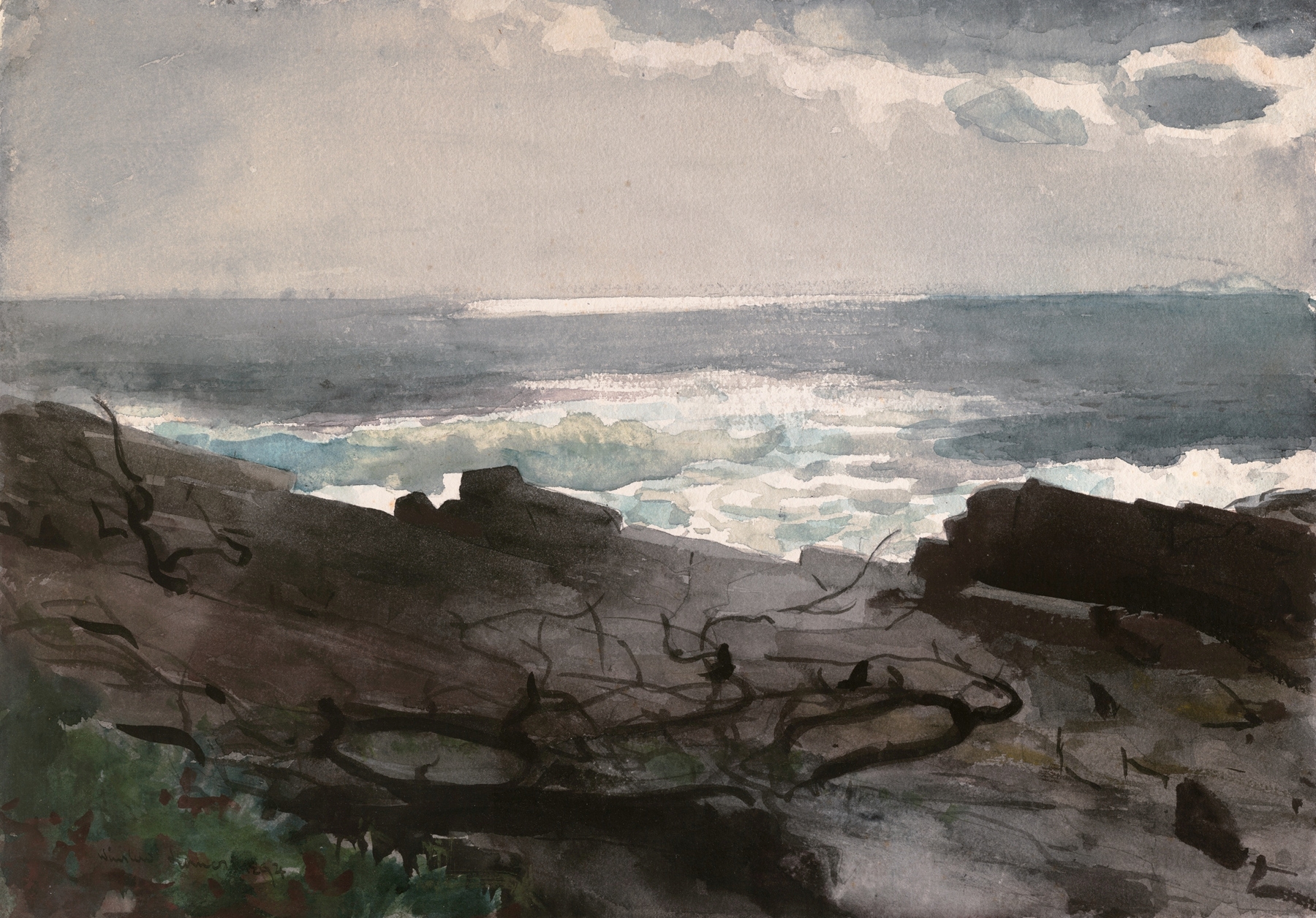
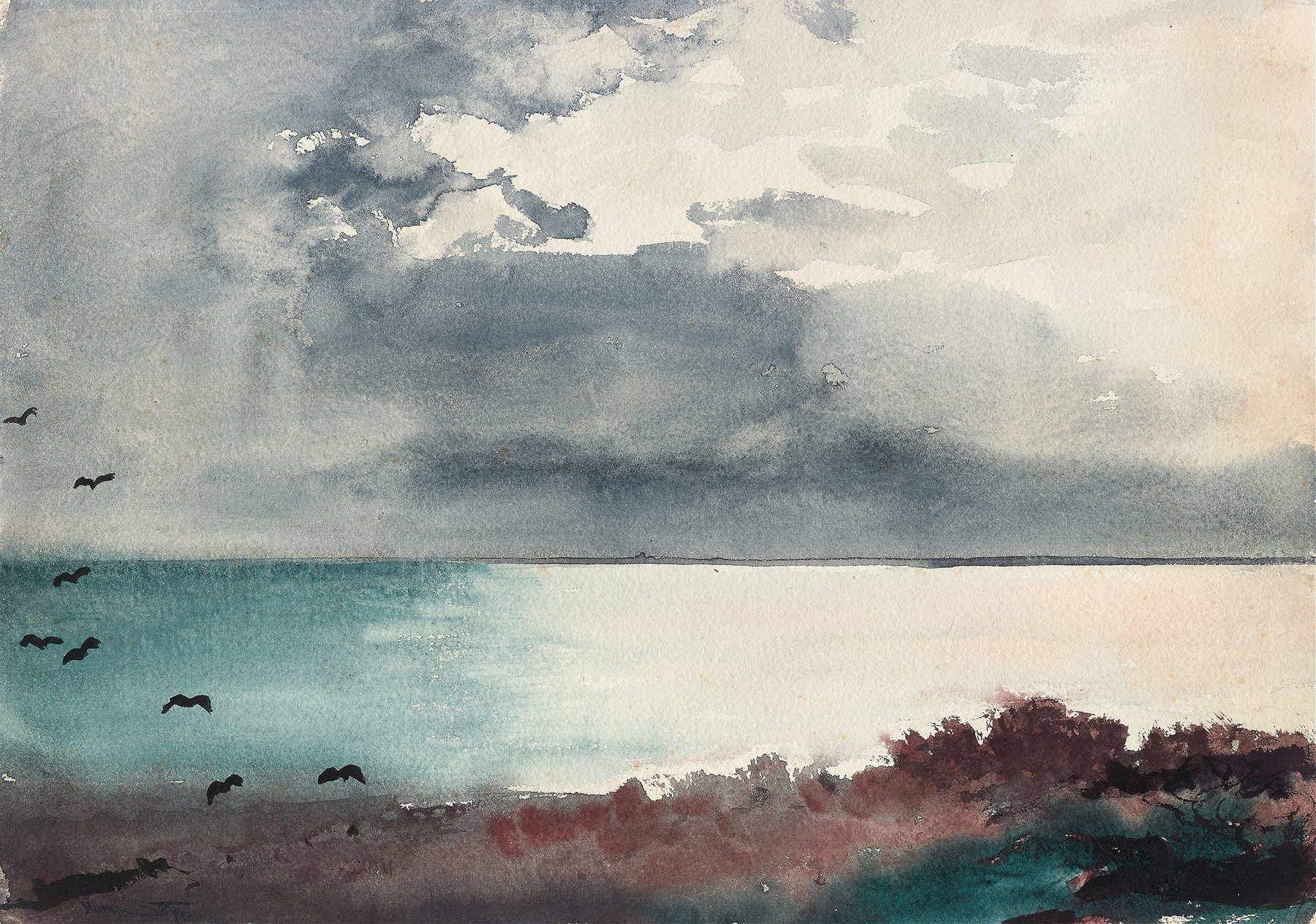
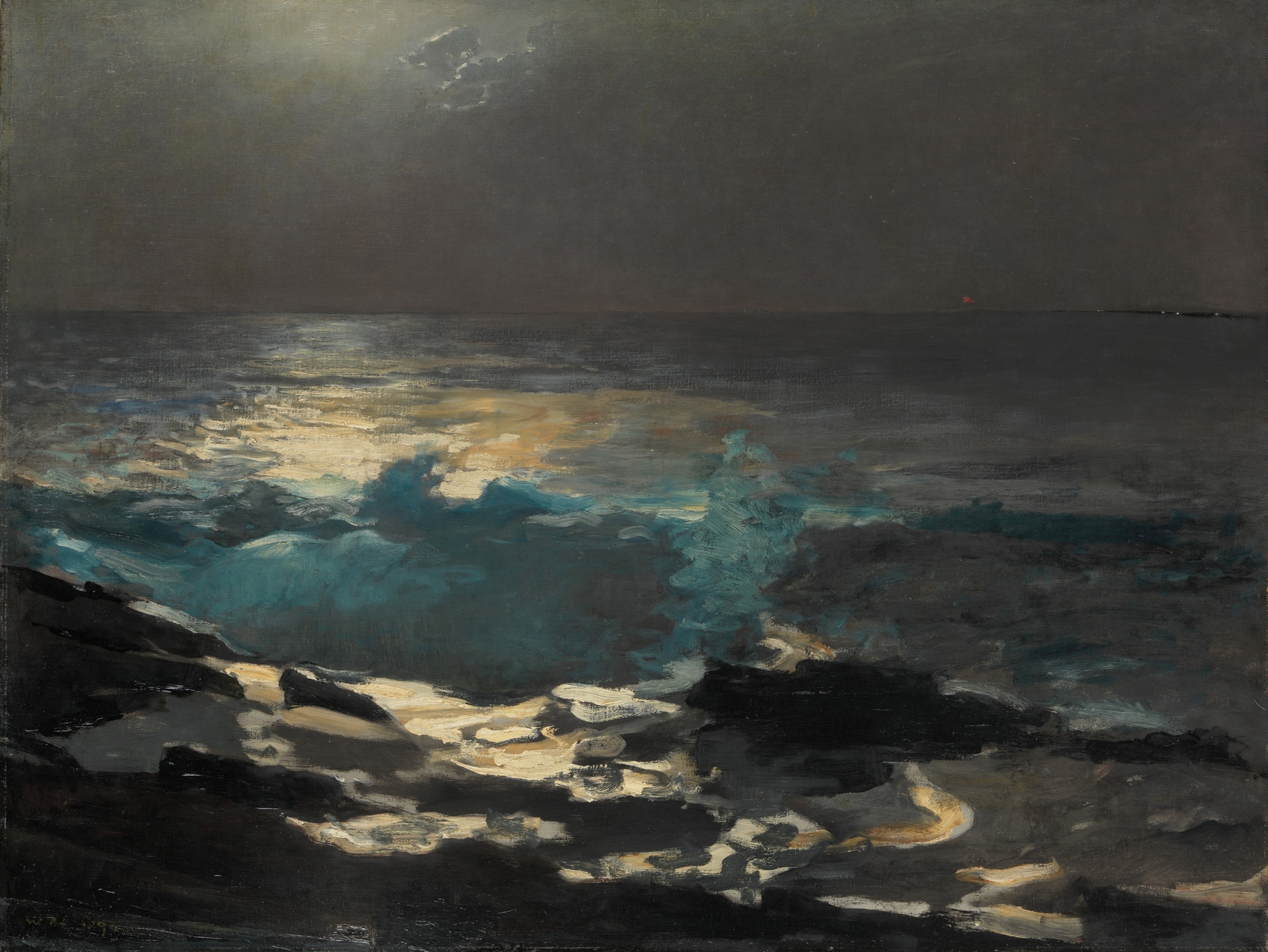
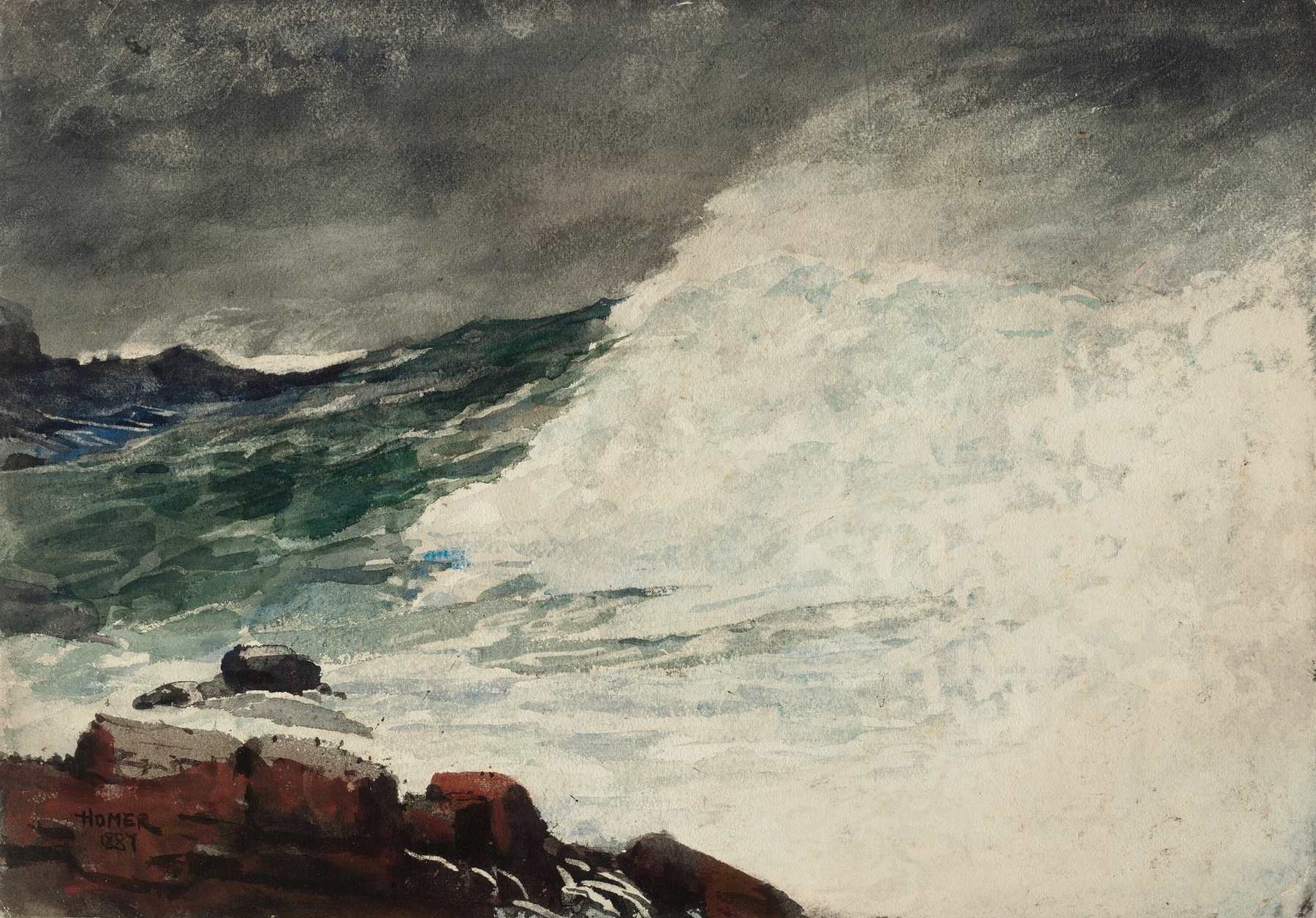
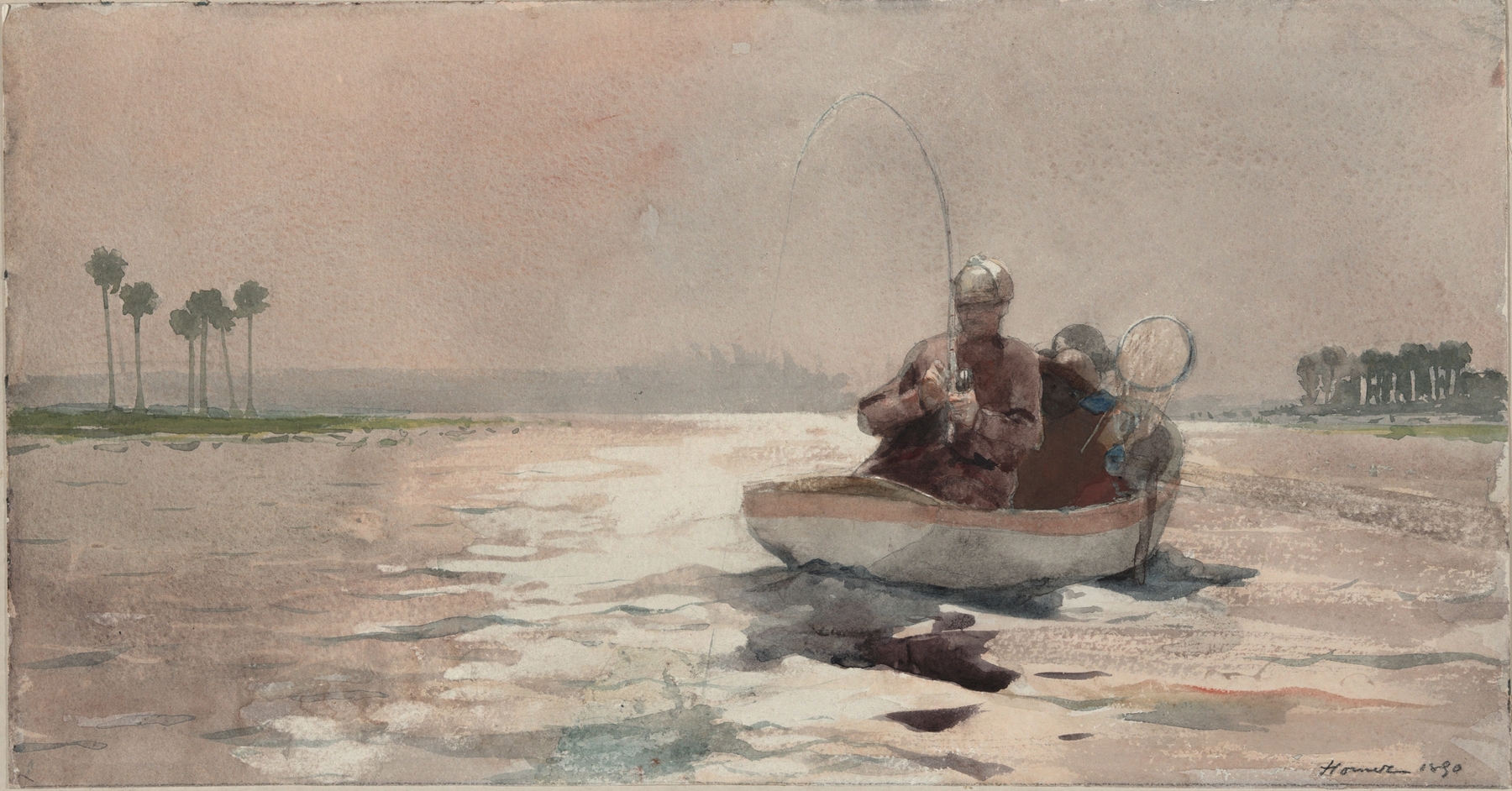
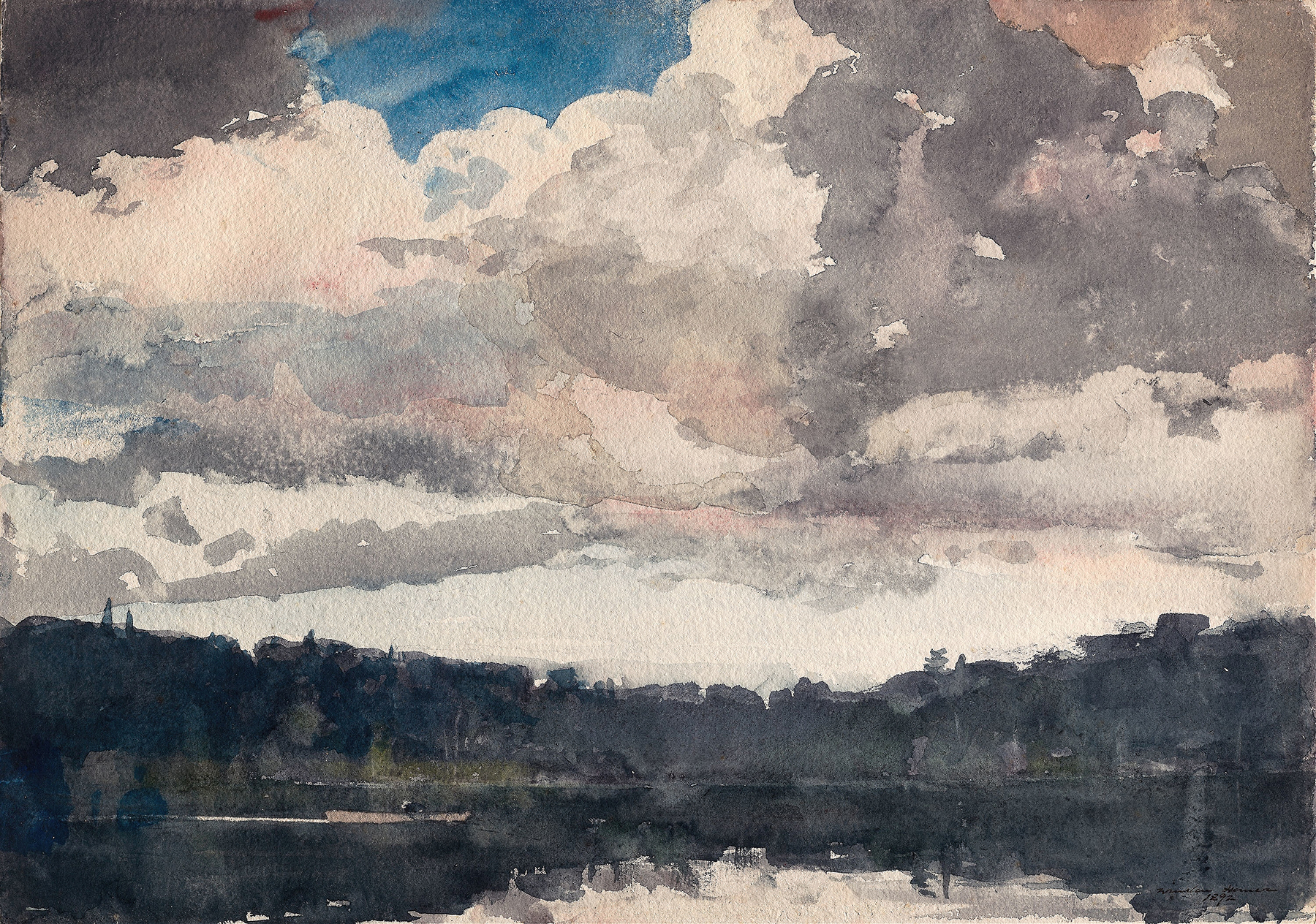
What secret hides in the quiet of the canvas? The stillness of Lobster Cove evokes a sense of melancholy, whispering stories of solitude and introspection beneath its tranquil surface. Look to the left at the gentle curve of the shoreline, where muted greens and soft grays mingle with the crisp cerulean of the sea. The horizon stretches languidly, a delicate line that invites your gaze to wander over the water’s surface, reflecting the muted light of an overcast day. Note how the figures in the foreground, silhouetted against the vastness, become mere whispers of humanity, their forms blending into the landscape.
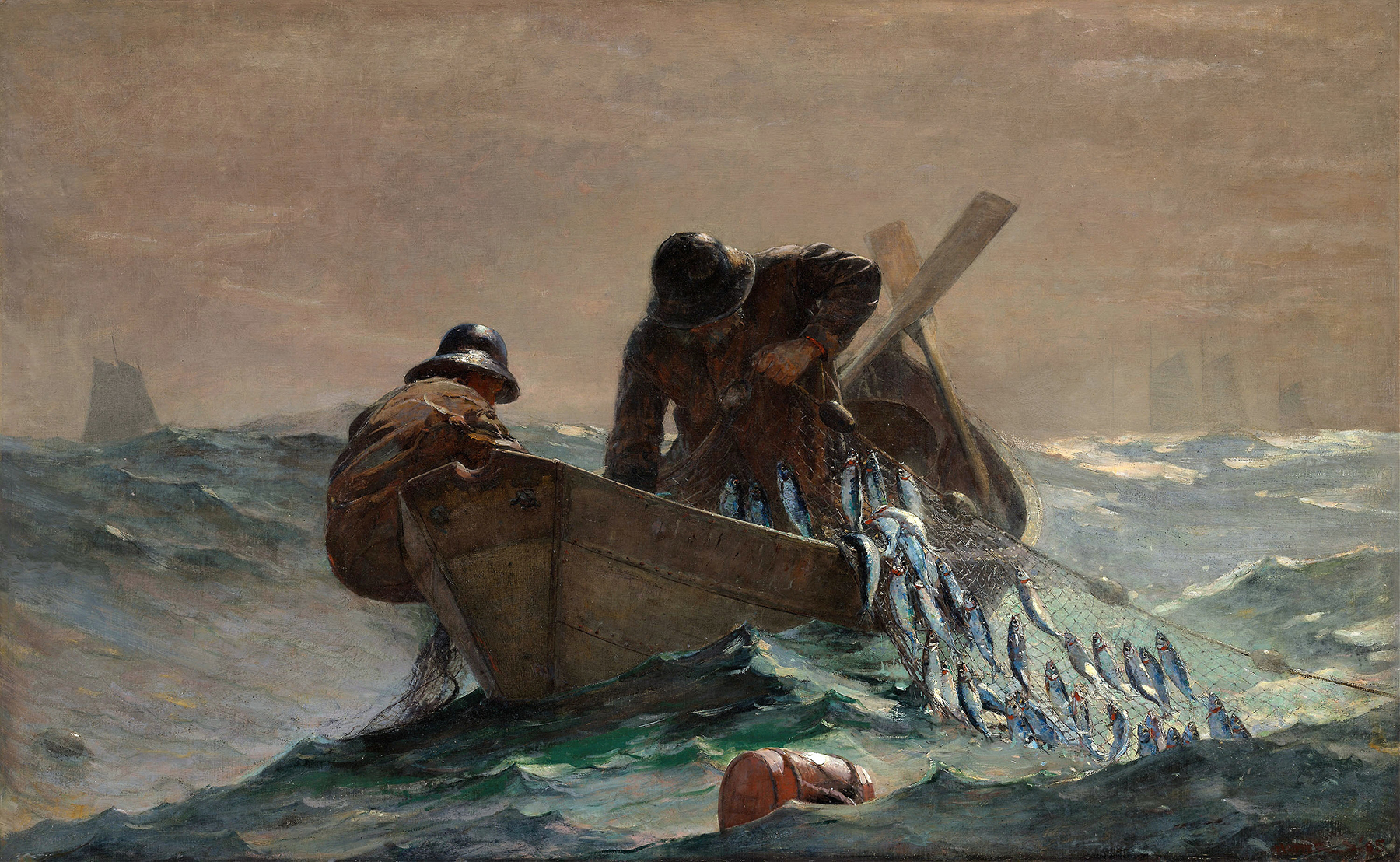
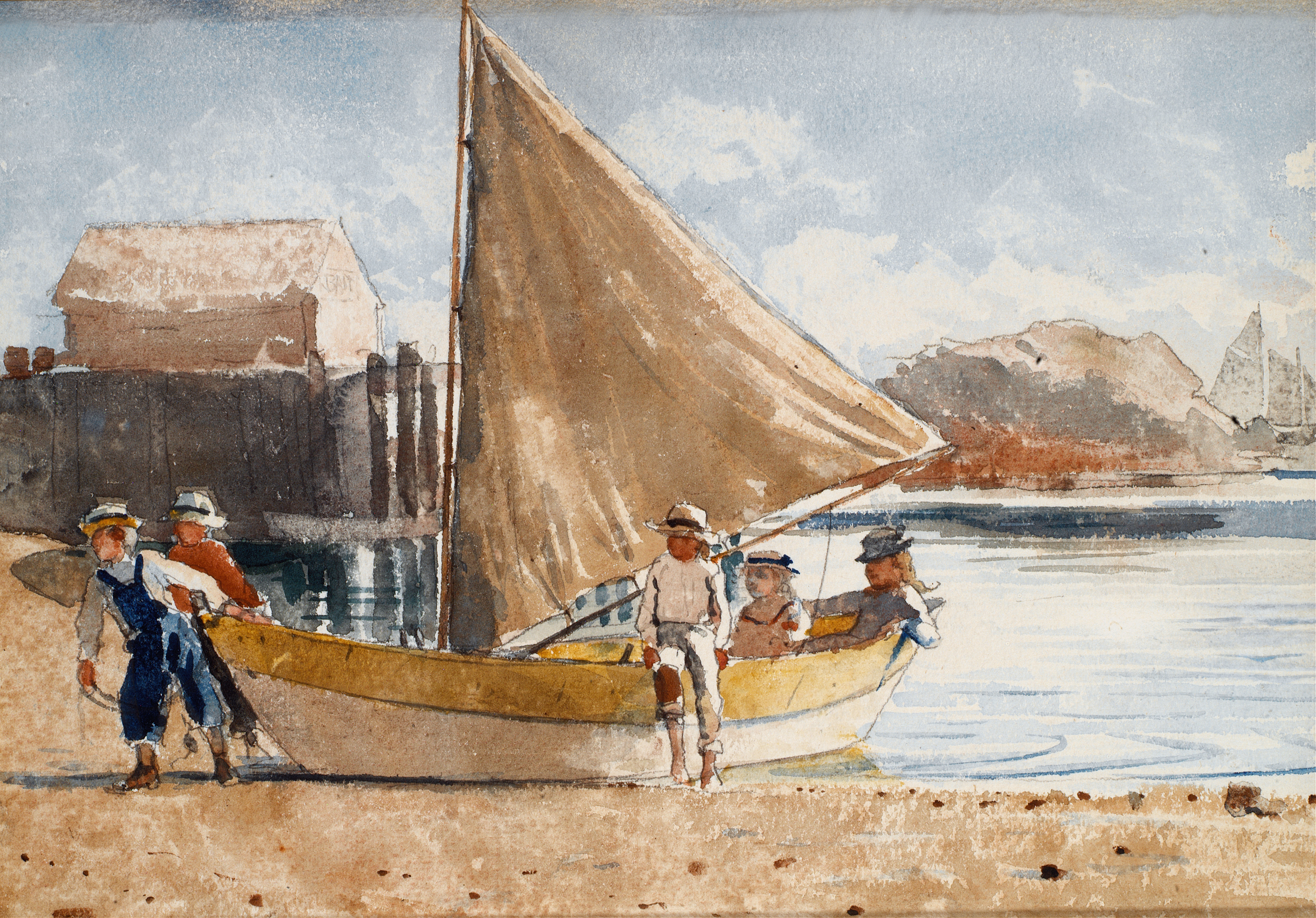
This composition, rich in texture and layered with subtle brush strokes, speaks to the isolation intrinsic to the coastal scene. Hidden beneath this serene exterior lies an emotional tension, revealed through the contrast between the active waves and the static figures. The fishermen appear absorbed in their tasks, yet their stance conveys a sense of waiting, as if time itself has paused in this moment. The dispassionate sky looms above them, a reminder of nature's indifference.
It is as if the world outside the cove holds secrets that these men are both part of and apart from, mirroring the duality of connection and solitude. Winslow Homer painted Lobster Cove in 1869 during his time in Massachusetts, a pivotal period in his evolving career. Following his successes in illustration, he began to explore more nuanced themes that reflected the complexity of human experience in the face of nature. This artwork emerged amidst a post-Civil War America, a nation grappling with loss and searching for identity, mirroring the emotional depths that define this coastline scene.