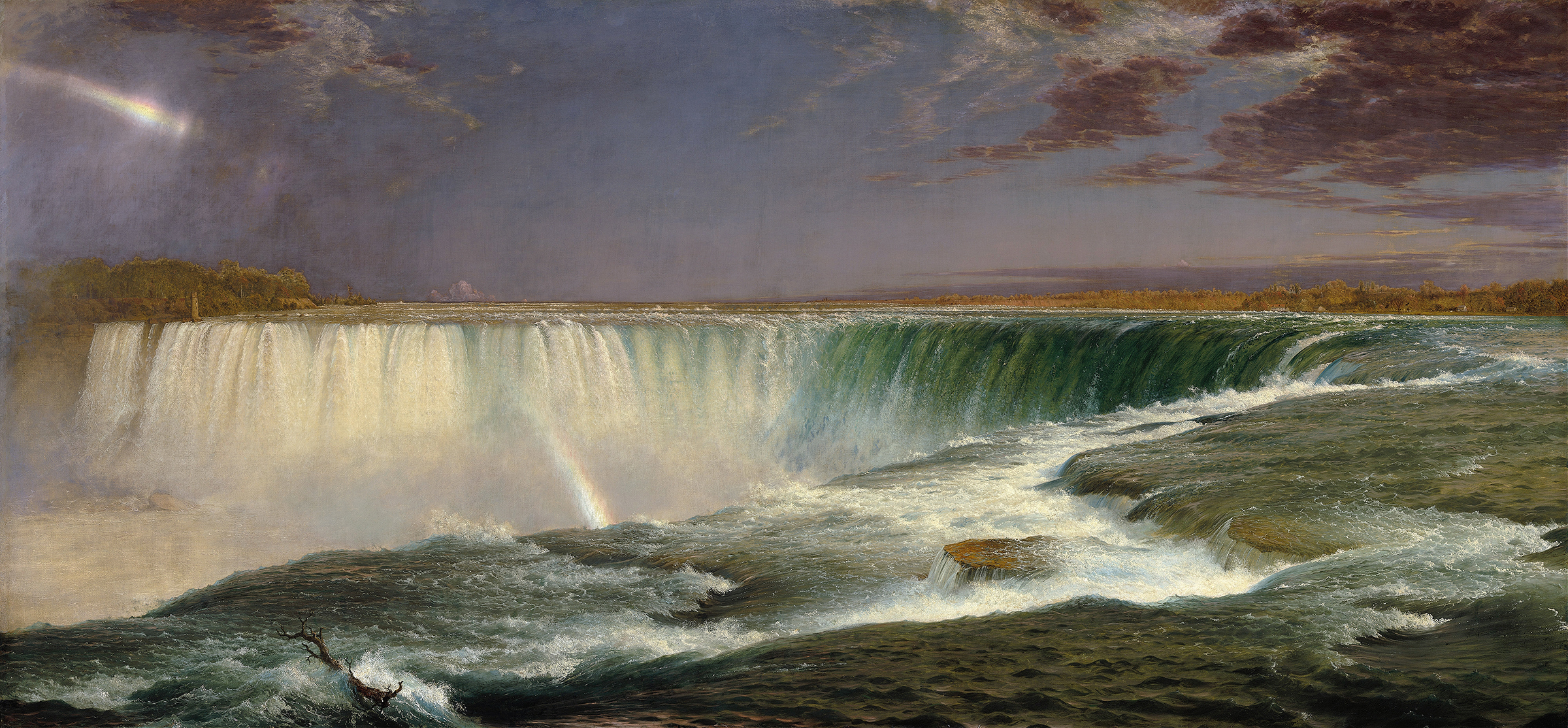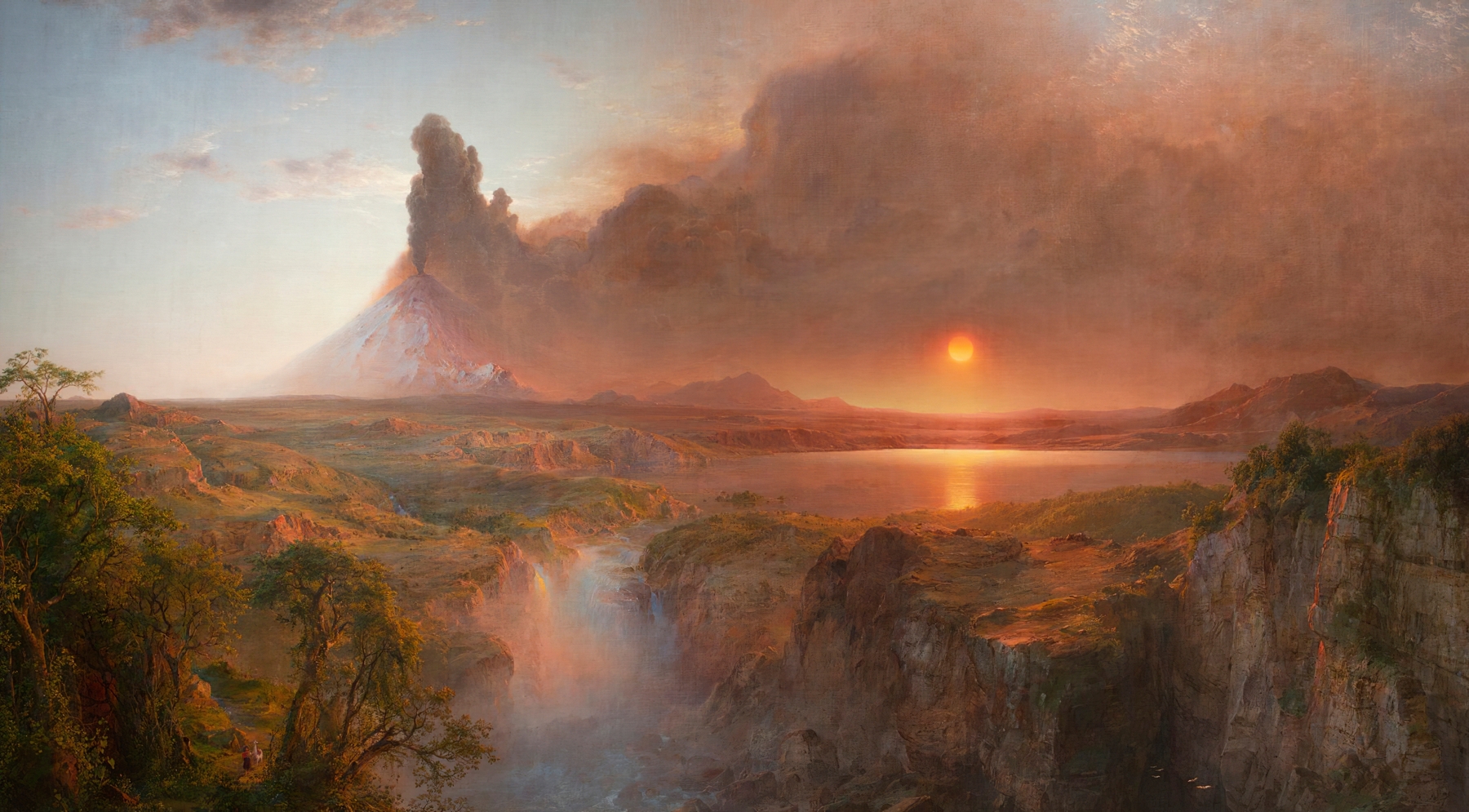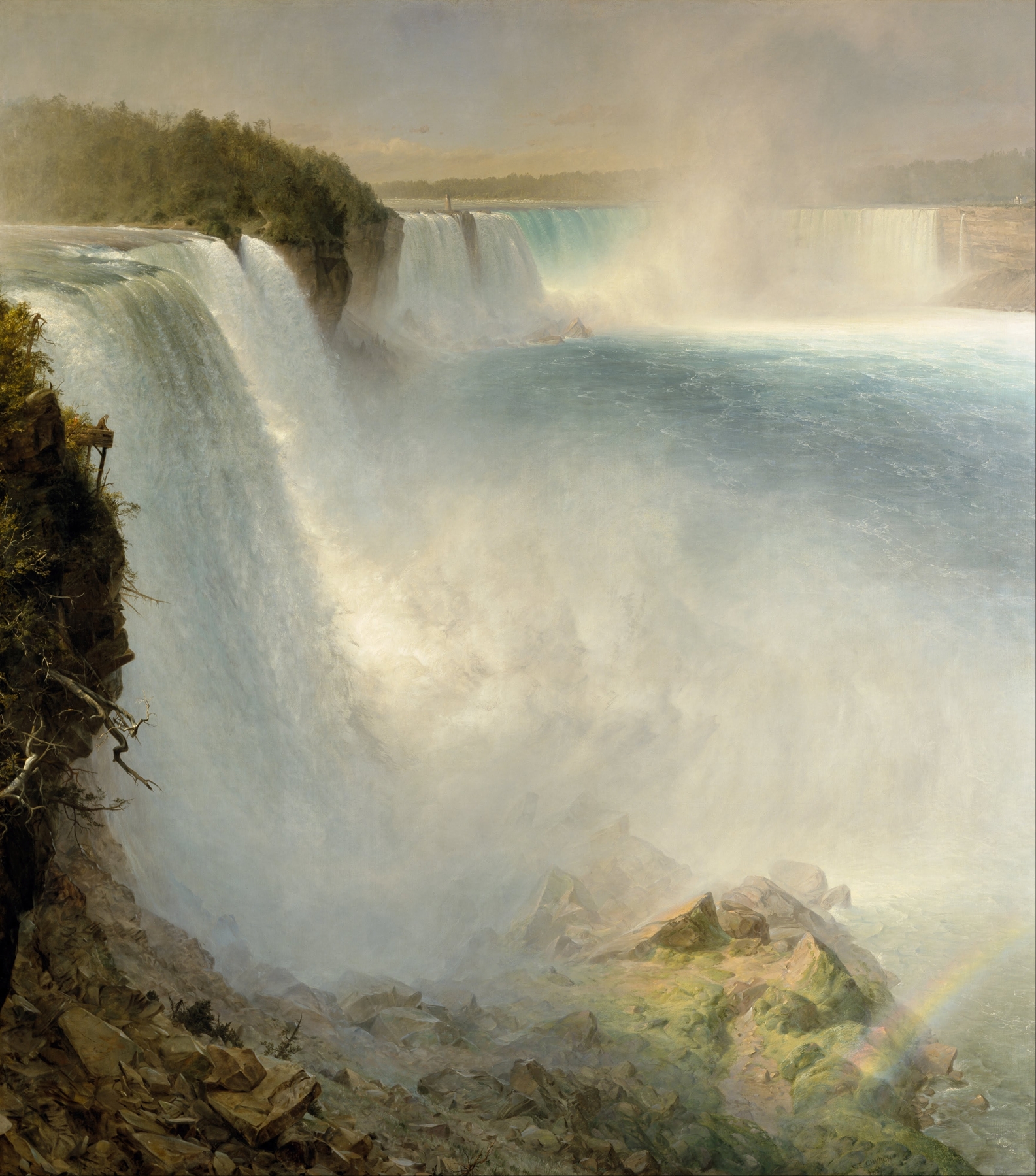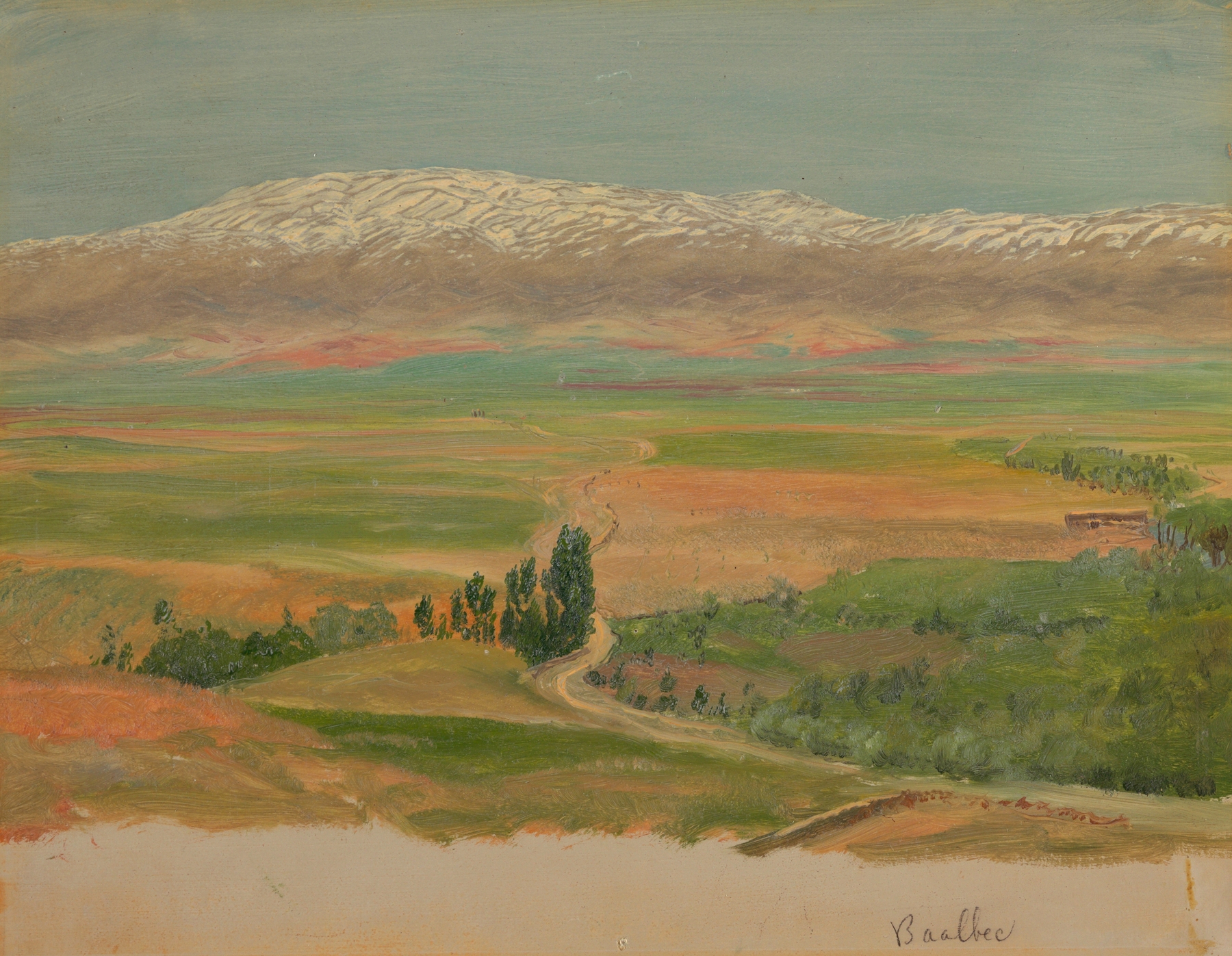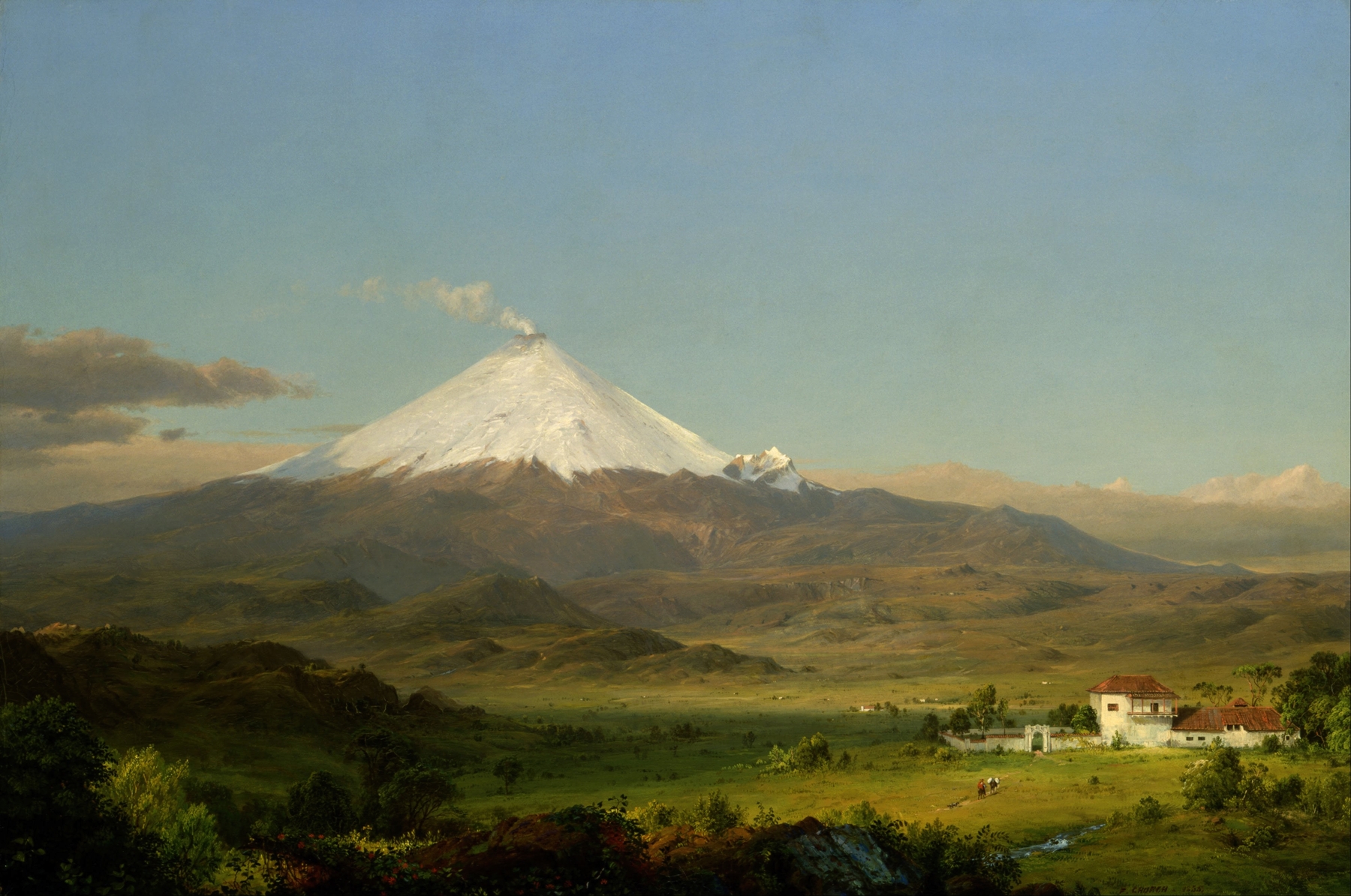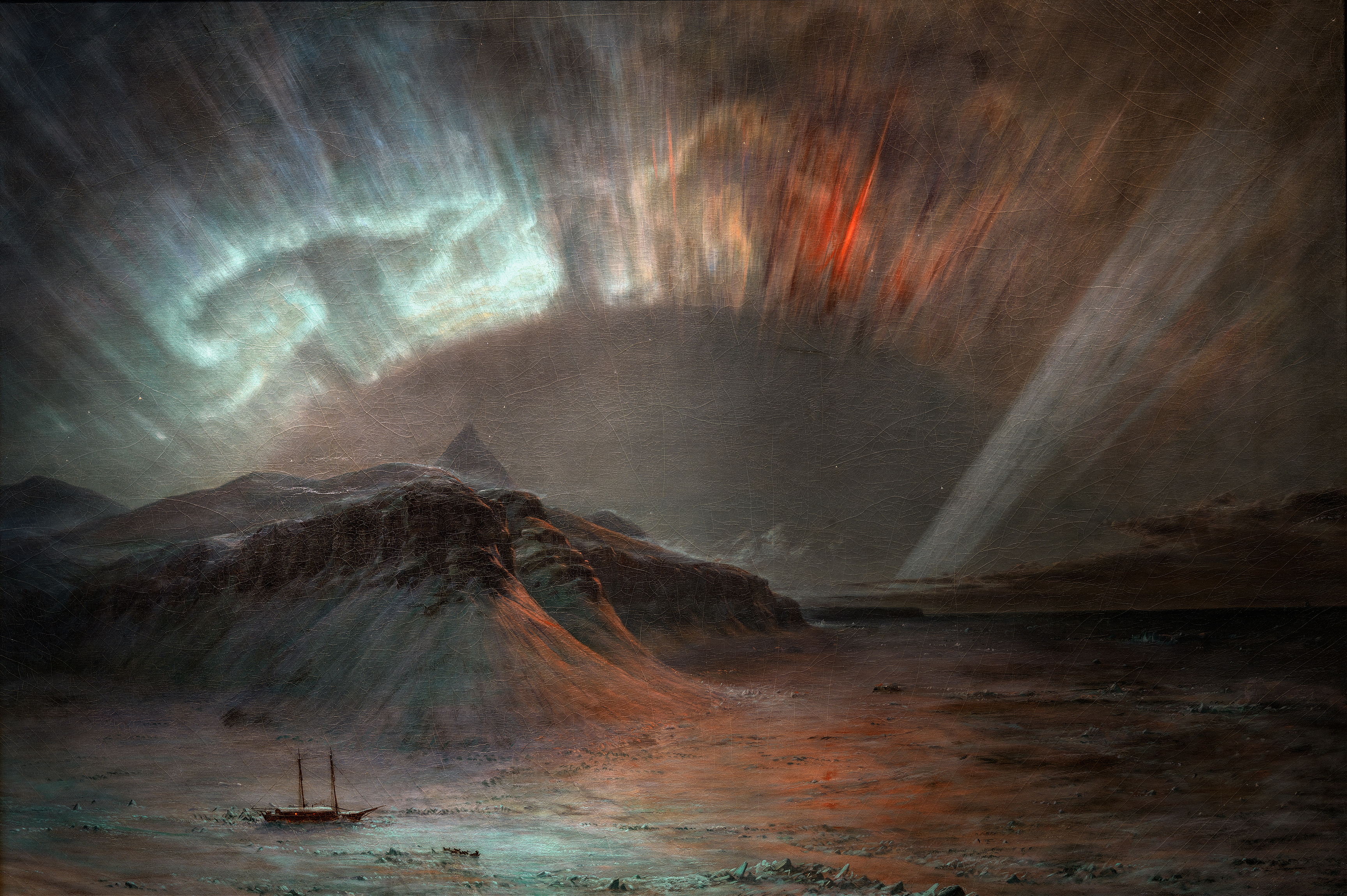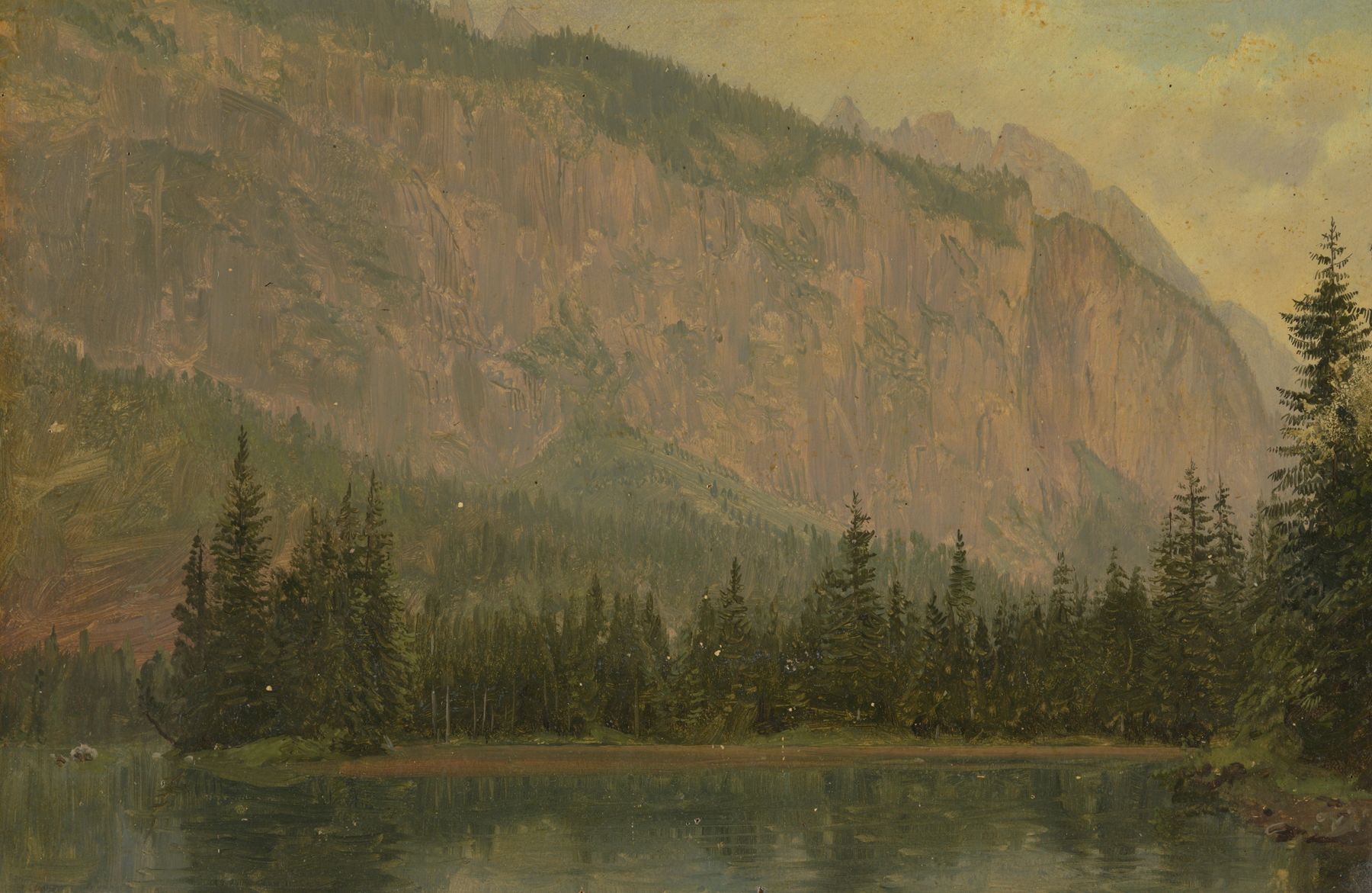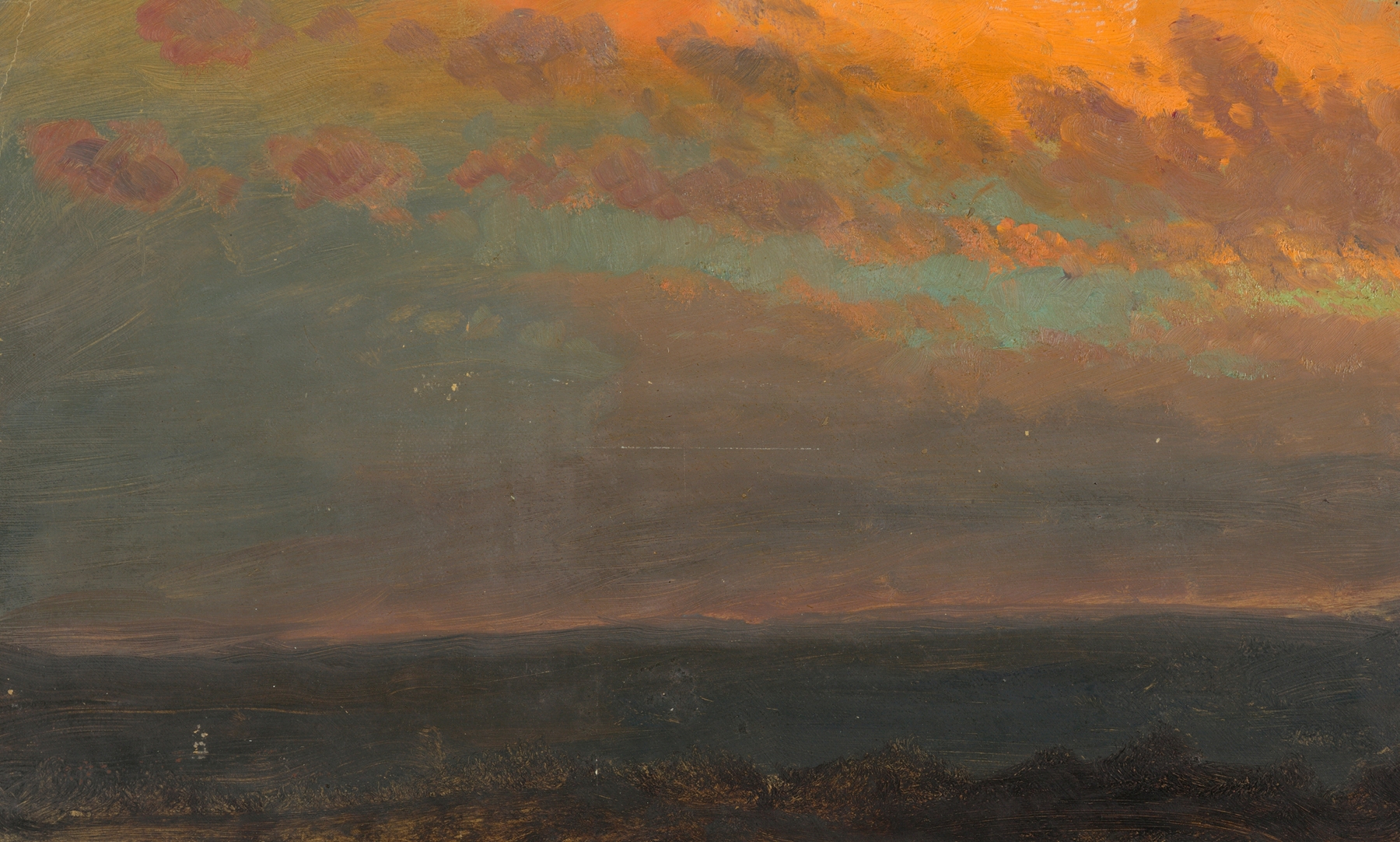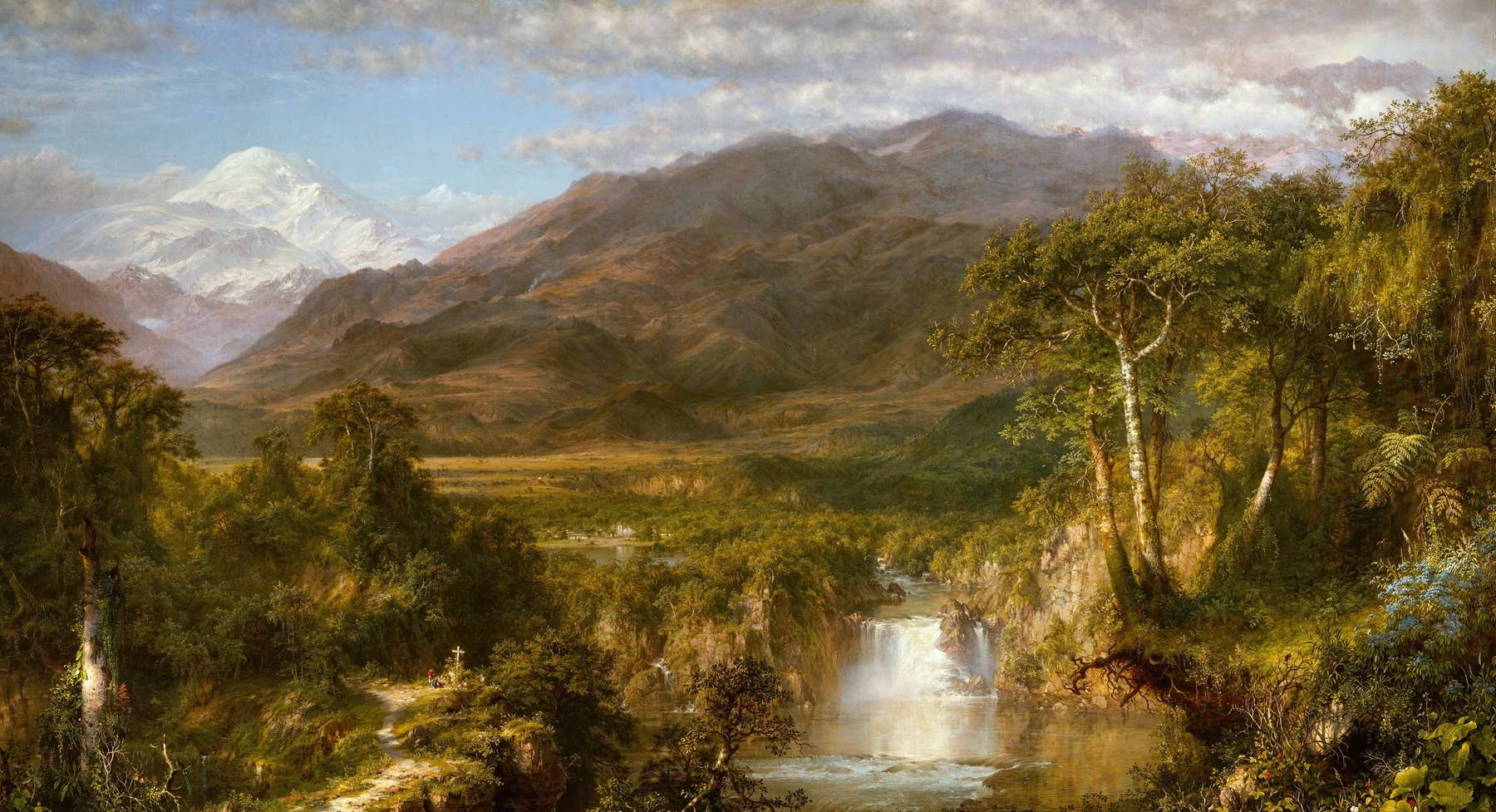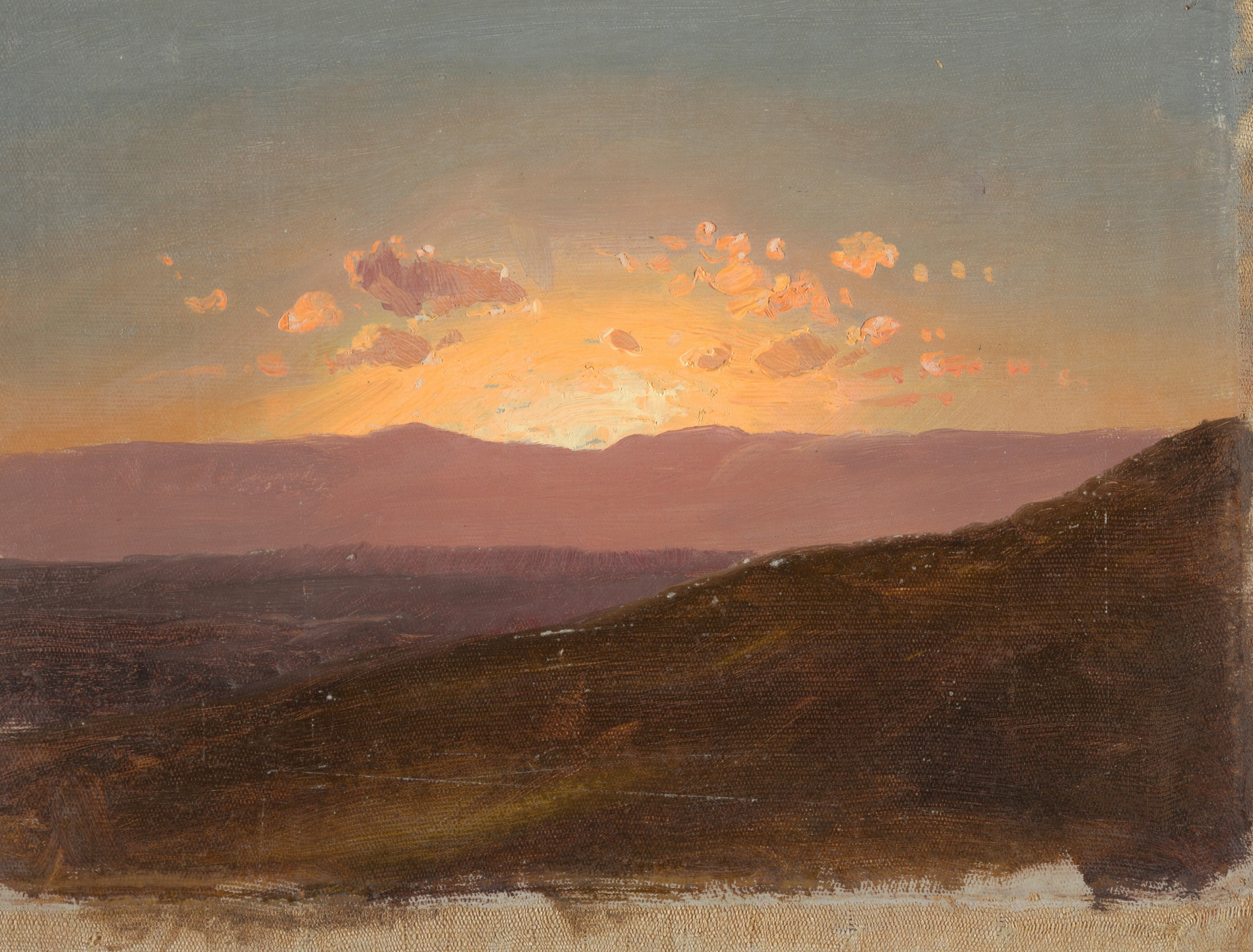
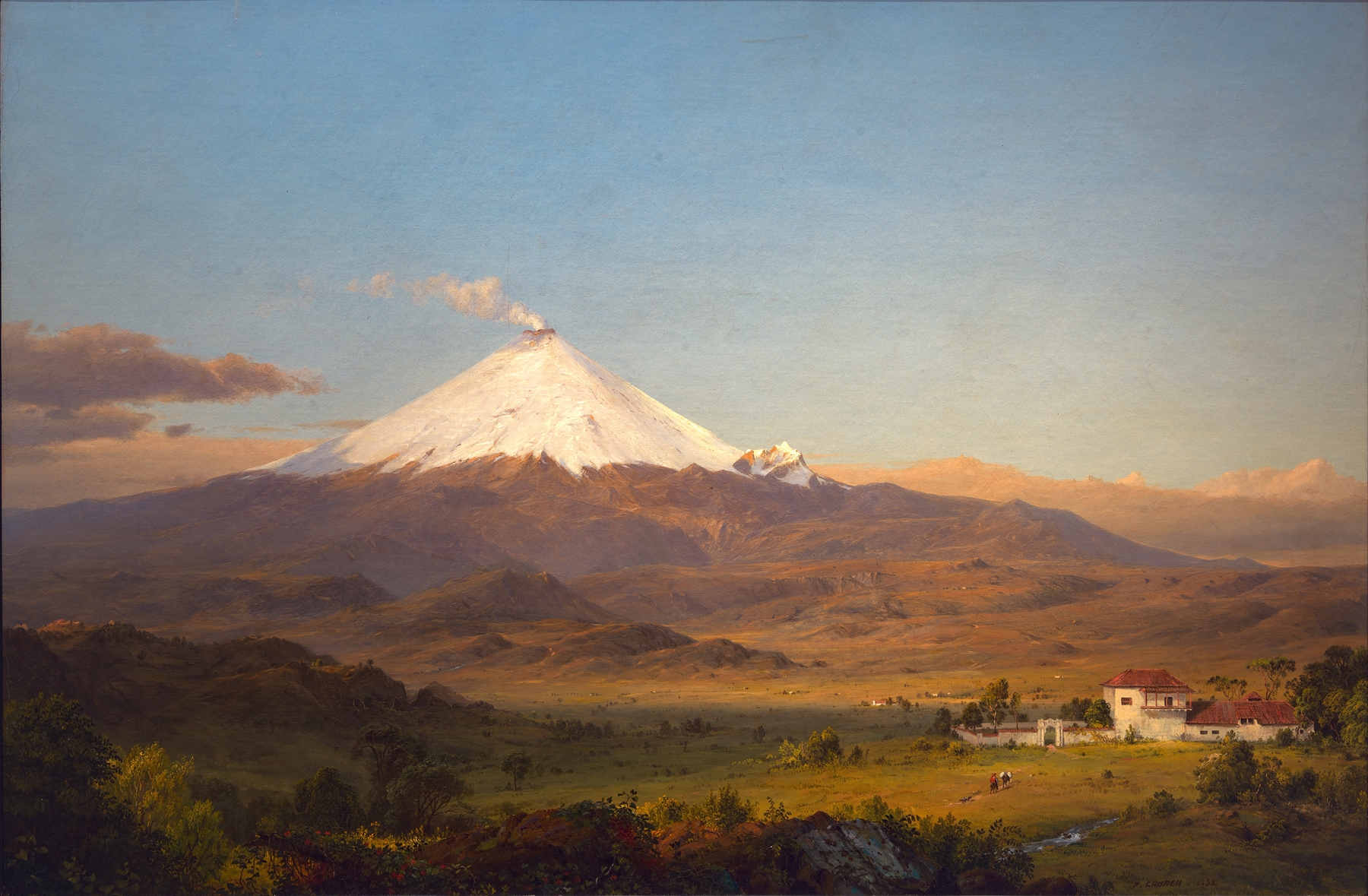
“To paint is to remember what time wants us to forget.” In the act of creation, the artist beckons us to confront the shadows of loss while capturing nature's enduring beauty. Look closely at the foreground, where a panoramic view unfolds across the still waters of the Hudson. Mirroring the clouds above, the water reflects a luminous sky, infused with shades of gold and deep blue. Notice how the gentle brushstrokes create an almost palpable texture, inviting you to reach out and touch the landscape, while the soft light filters through clusters of trees, casting delicate shadows that speak of quiet solitude. Beneath the scenic beauty lies a poignant tension: the contrast between the vibrant, thriving landscape and the stillness that hints at an unseen absence. The powerful mountains loom in the background, majestic yet distant, as if bearing witness to memories long faded. Each stroke conveys a sense of nostalgia, echoing the loss of a simpler past when nature felt more untouched—an elegy for what once was. Frederic Edwin Church painted this remarkable piece in 1867, during a period marked by societal change and industrial growth in America. Working from his studio in the Hudson River Valley, he was deeply influenced by the Romantic movement, focusing on the sublime qualities of nature. This painting reflects both personal and collective sentiments of the time, capturing the beauty of a landscape that was not only a source of artistic inspiration but also a reminder of the fragility of existence.