Love of Winter — History & Analysis
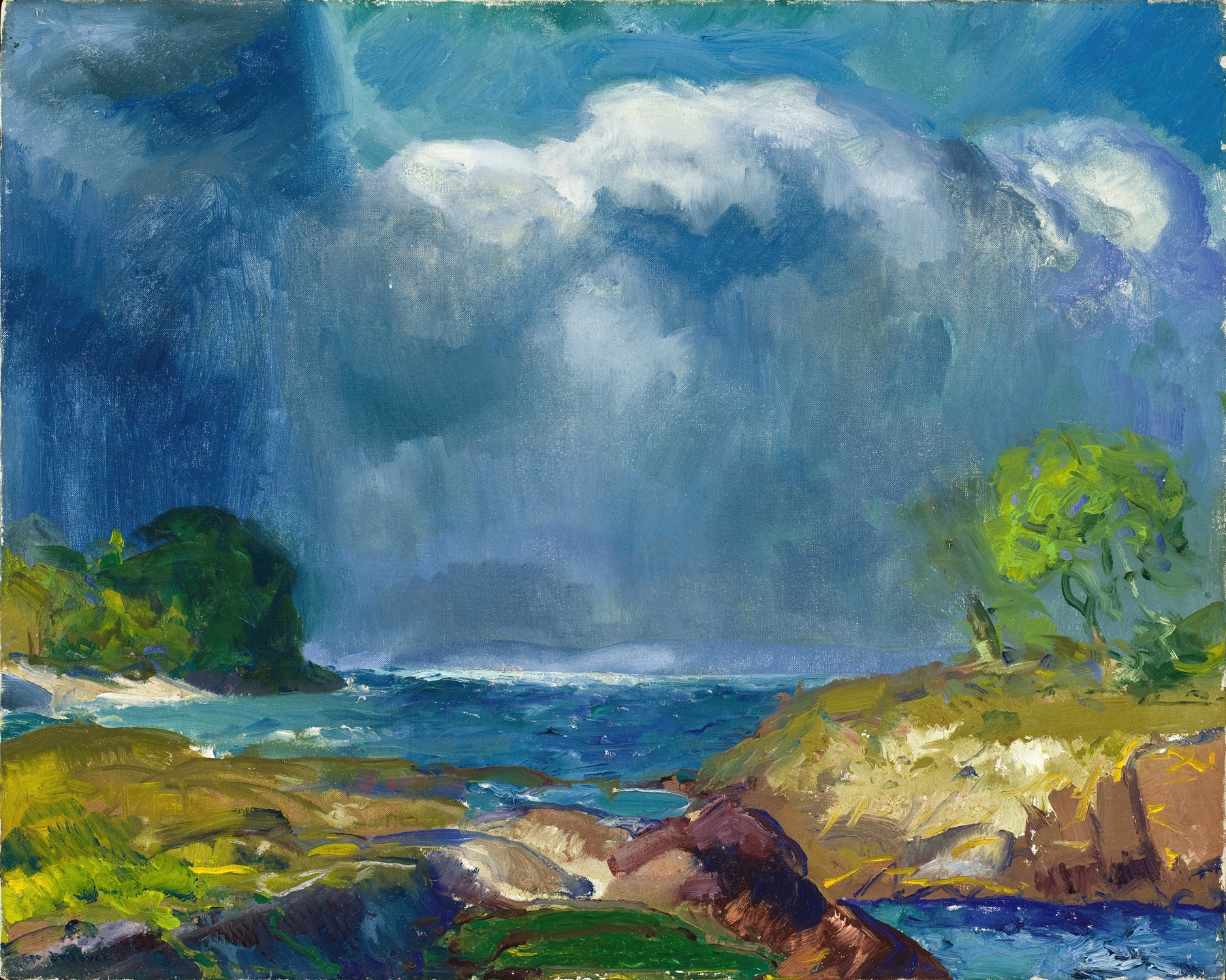
Who listens when art speaks of silence? In the hush of winter’s embrace, a world unfolds where destiny flickers like the faintest glimmer of light against a white canvas. Look to the center, where the figures emerge from the snow, their forms blurring with the landscape around them. The cold light dances delicately over the soft contours of their faces, while muted greens and blues swirl in the shadows, hinting at a warmth just beneath the surface.
Notice how the brushstrokes are both vigorous and tender, creating a rhythm that suggests movement yet holds stillness. The composition captures the essence of human connection amidst the isolating beauty of winter, drawing you deeper into the emotional core of the scene. In this work, contrasts abound: the vibrant life of the figures against the starkness of the winter backdrop, warmth battling the chill. The playful gestures of the children suggest joy, yet there’s an undercurrent of respite, a reminder of the fragility of such moments.
Every detail, from the textures of the snow to the expressions on their faces, conveys a poignant blend of happiness and the inevitable passage of time, reflecting our own encounters with destiny. In 1914, George Wesley Bellows painted this piece during a period when he was extensively exploring urban life and its complexities. Living in New York City, he experienced the tumult of societal change, and this winter scene reveals a quieter, intimate moment amidst the chaos. The early 20th century was a pivotal time for artists, pushing boundaries in technique and theme, and Bellows' work stands as a testament to the enduring dialogue between humanity and nature.