Maisons à Essoyes — History & Analysis
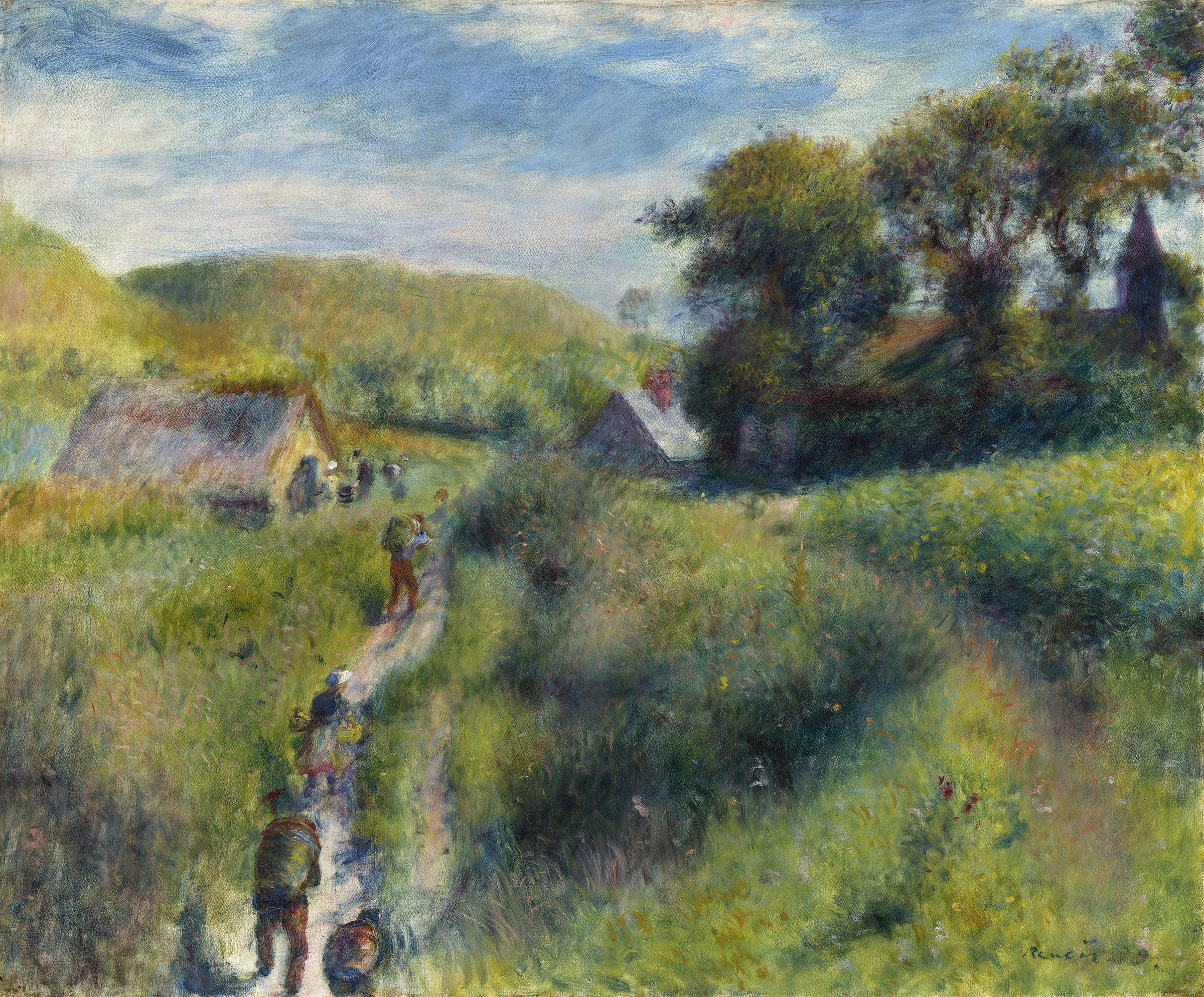
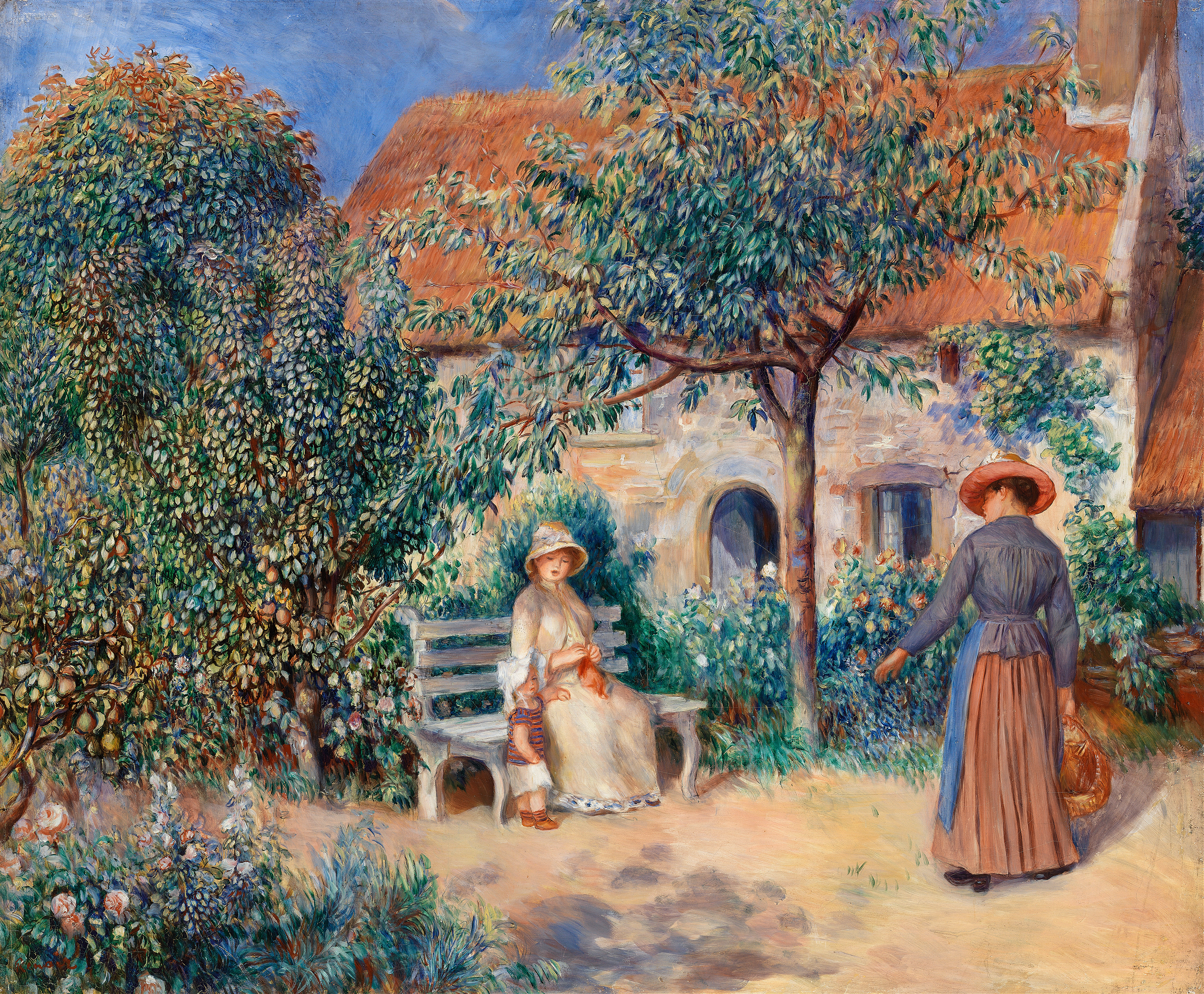
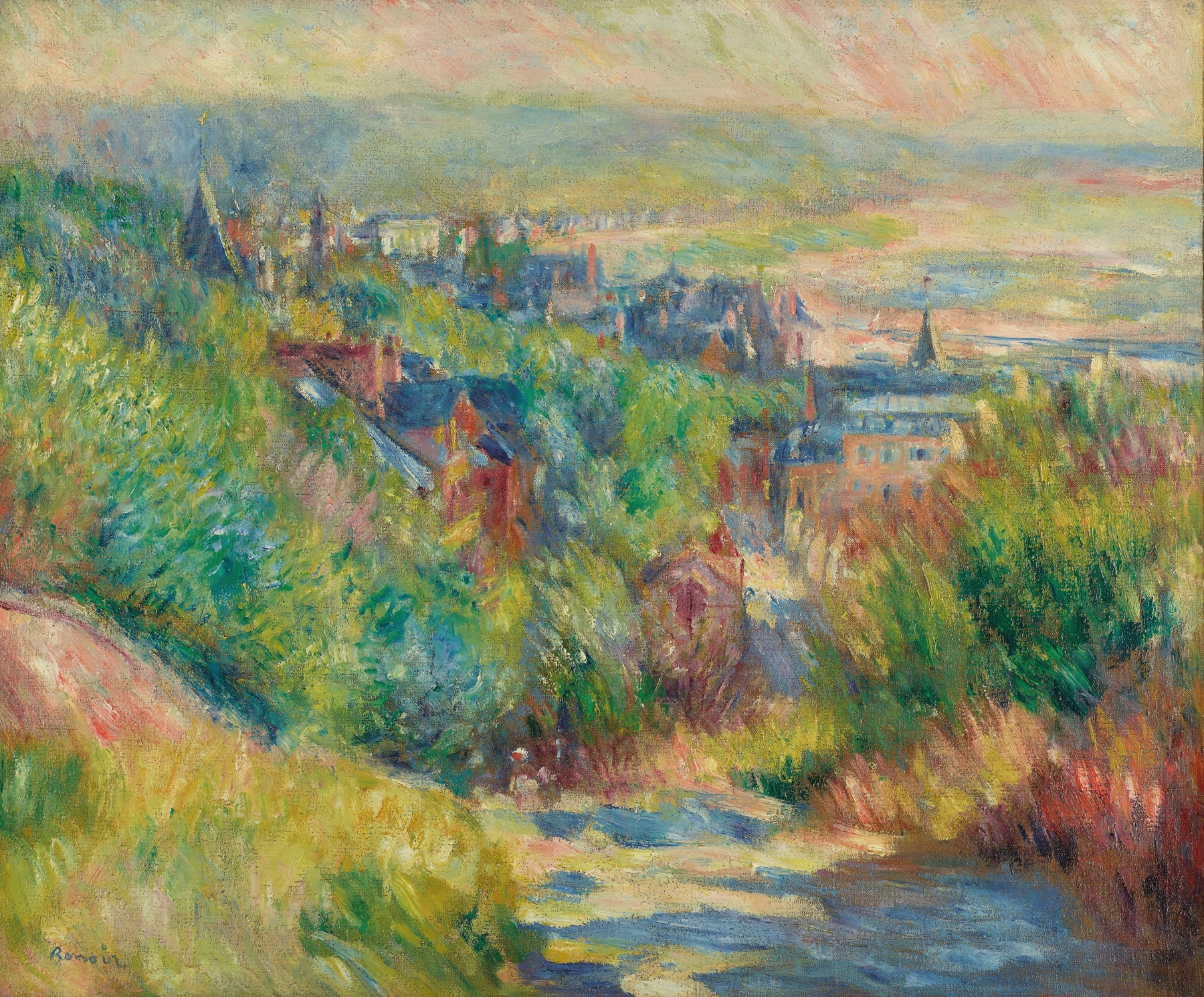
What if beauty was never meant to be finished? In the canvas offerings of the late 19th century, the question lingers, inviting us to embrace imperfection and the fleeting nature of existence. Look to the center where the soft, warm hues of sunlit cottages draw you in. Notice how the light dances over the rooftops, creating a symphony of ochres and ambers that breathe life into the serene village scene.
The gentle brushstrokes evoke a sense of movement, as if the houses themselves are alive, whispering stories of the lives unfolding within them. Surrounding the structures, lush greenery bursts forth, framing the scene with a vibrancy that contrasts the stillness of the architecture. Delve deeper into the subtleties of the painting; the viewer may sense an emotional tension between the solid, grounded homes and the airy, ephemeral sky above. This duality reflects the artist’s faith in the beauty of everyday life—each brushstroke a testament to both stability and transience.
In the distance, a hint of landscape merges into the horizon, suggesting that beauty extends beyond the immediate, inviting contemplation of what lies beyond the frame. During 1890, when this work was created, the artist was immersing himself in the idyllic charm of Essoyes, a village in France. It was a period marked by a shift in his exploration of light and color, as he sought to capture the essence of life around him. Renoir, who had once been a leading figure in the Impressionist movement, was now refining his focus, embracing a more intimate and personal approach to his art and the world as he saw it.