Marche d’esclaves (Slave market) — History & Analysis
“To paint is to remember what time wants us to forget.” In the depths of Horeau's Marche d’esclaves, fear lingers like a shadow, echoing the suffering and despair that history often desires to obscure. Look to the center of the canvas where figures are tightly clustered, their postures radiating a palpable tension. The gripping chains and anguished faces speak volumes, drawing your gaze into their world of torment. Notice how the muted earth tones contrast with the splashes of brightness in the cloth of the traders, highlighting a stark division between the suffering and the indifference of those who profit from it.
Each brushstroke pulsates with emotion, capturing the raw humanity amidst the horror. Delve deeper into the expressions of the enslaved, where desperation meets resignation, and examine how the claustrophobic arrangement amplifies their plight. The fear emanating from their eyes contrasts sharply with the calm demeanor of the market-goers, reflecting the broader societal apathy toward the inhumanity unfolding before them. Symbols of commerce intermingle with the poignancy of lost freedom, underscoring the dissonance between wealth and suffering, life and commodification.
In 1841, Horeau painted this scene during a period of intense colonial activity and debates around abolition, particularly in France. As Europe grappled with the moral implications of slavery, the artist sought to shed light on its dark realities, reminding viewers of the humanity behind the chains. His work emerged not only as a reflection of his time but also as a poignant statement that resonated with the emerging abolitionist movements.
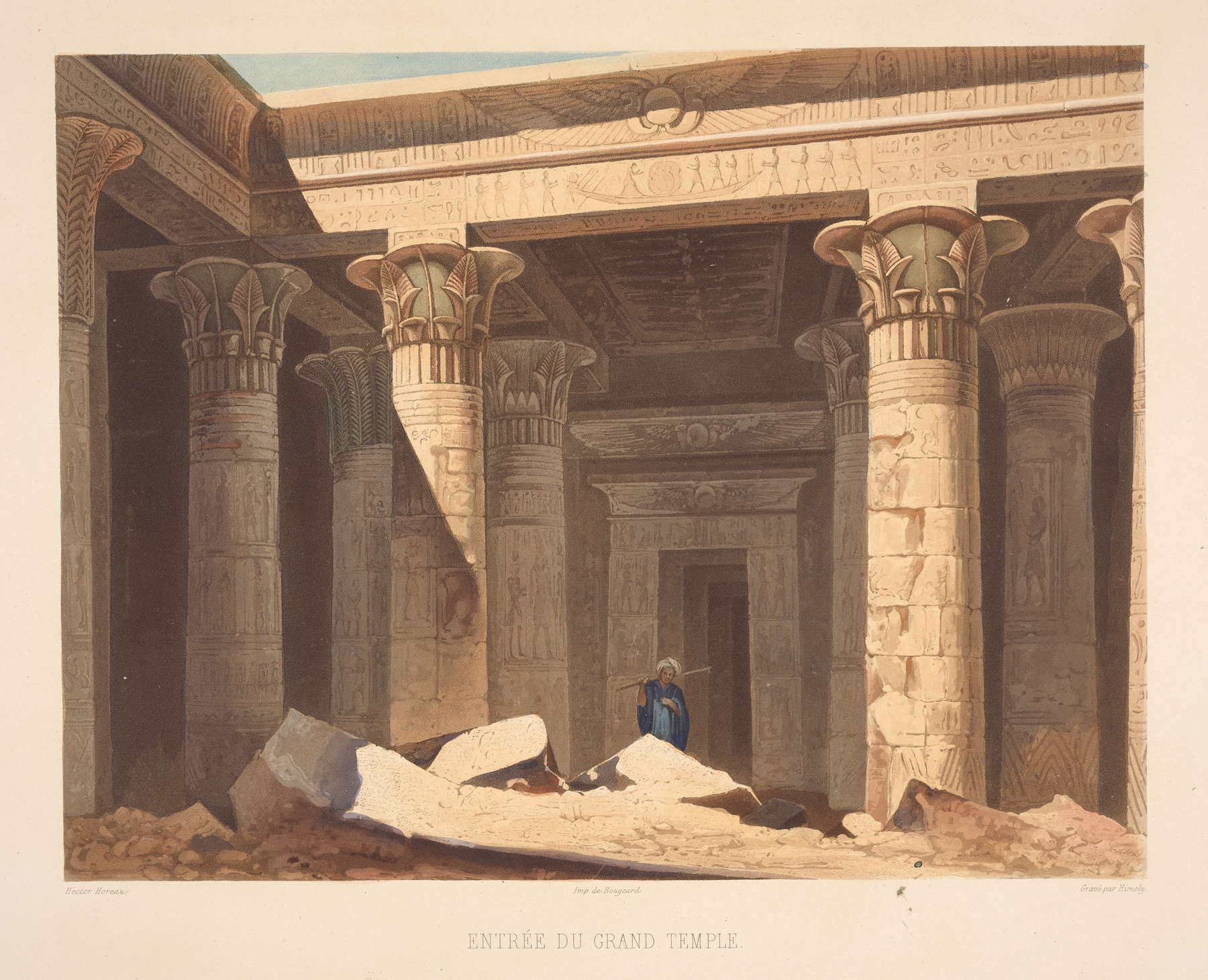
![Temple d’Ibsamboul [Interior view] (Temple of Abu Simbel), by Hector Horeau, public domain](https://froigstrpvutwqtqikzt.supabase.co/storage/v1/object/public/art-images/artworks/3156dbe8015f5681be442de2c2c50af40c84d5e10e8f68f04f9a54d6d857255f.jpg)