Landscape with a Waterfall — History & Analysis
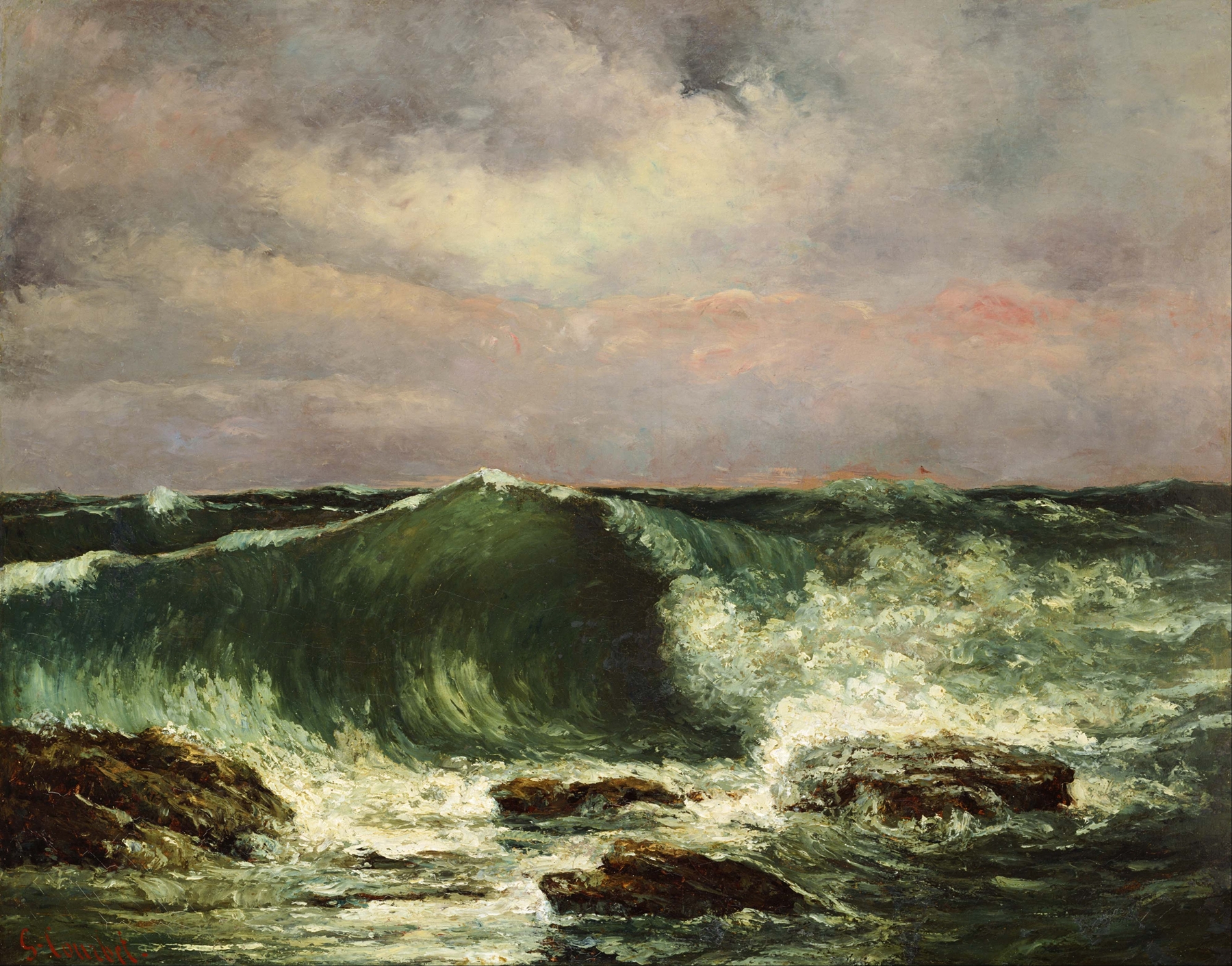
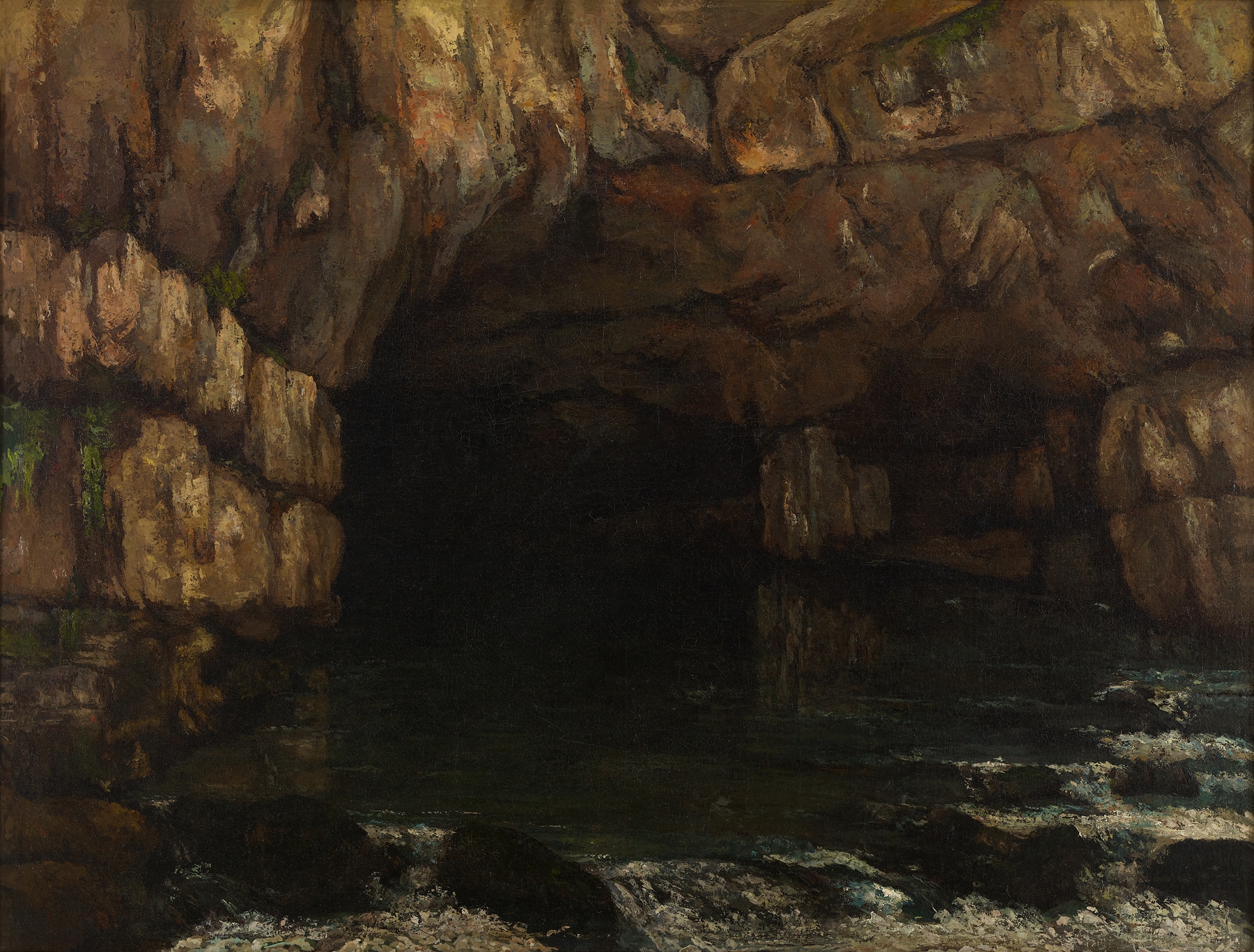
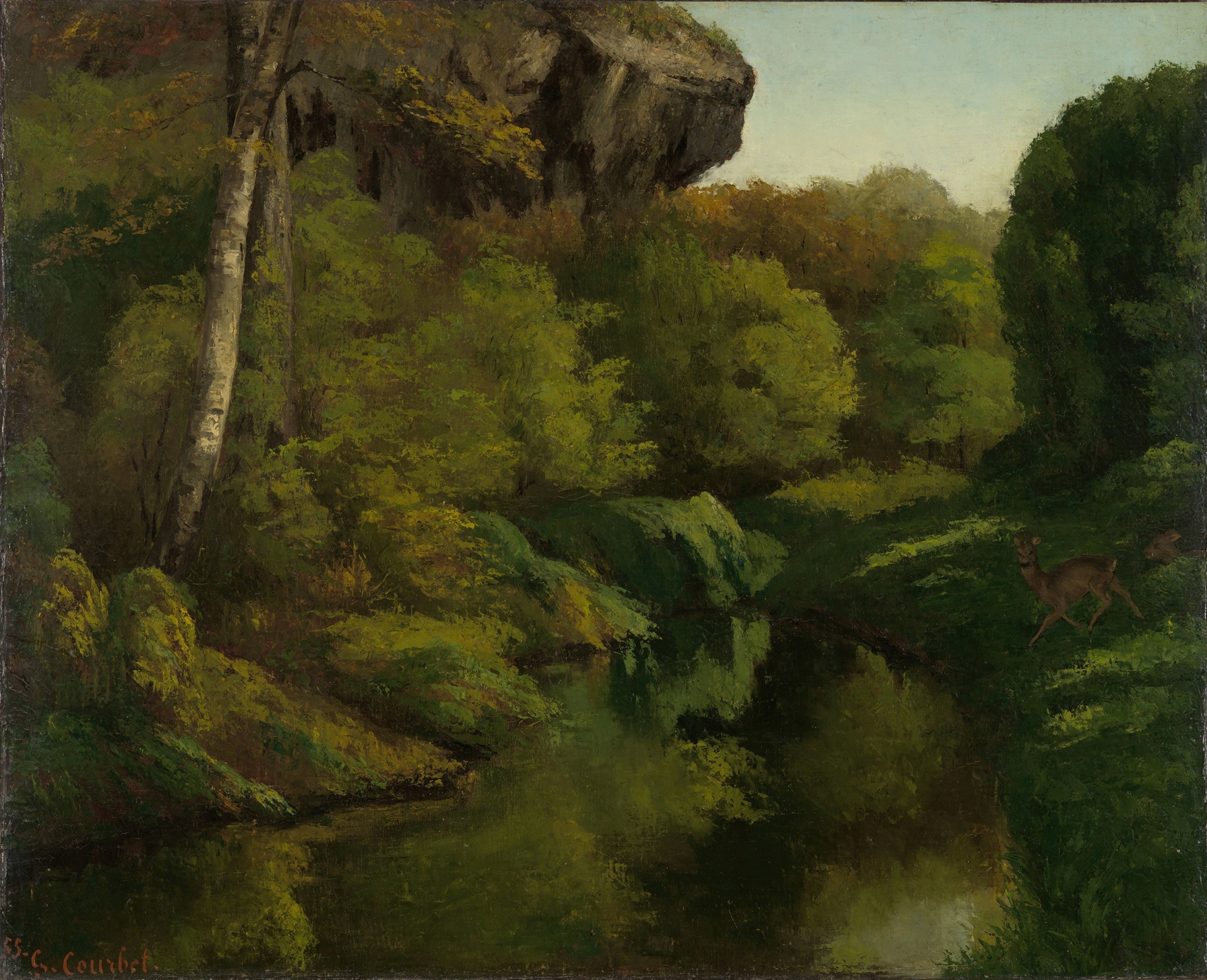
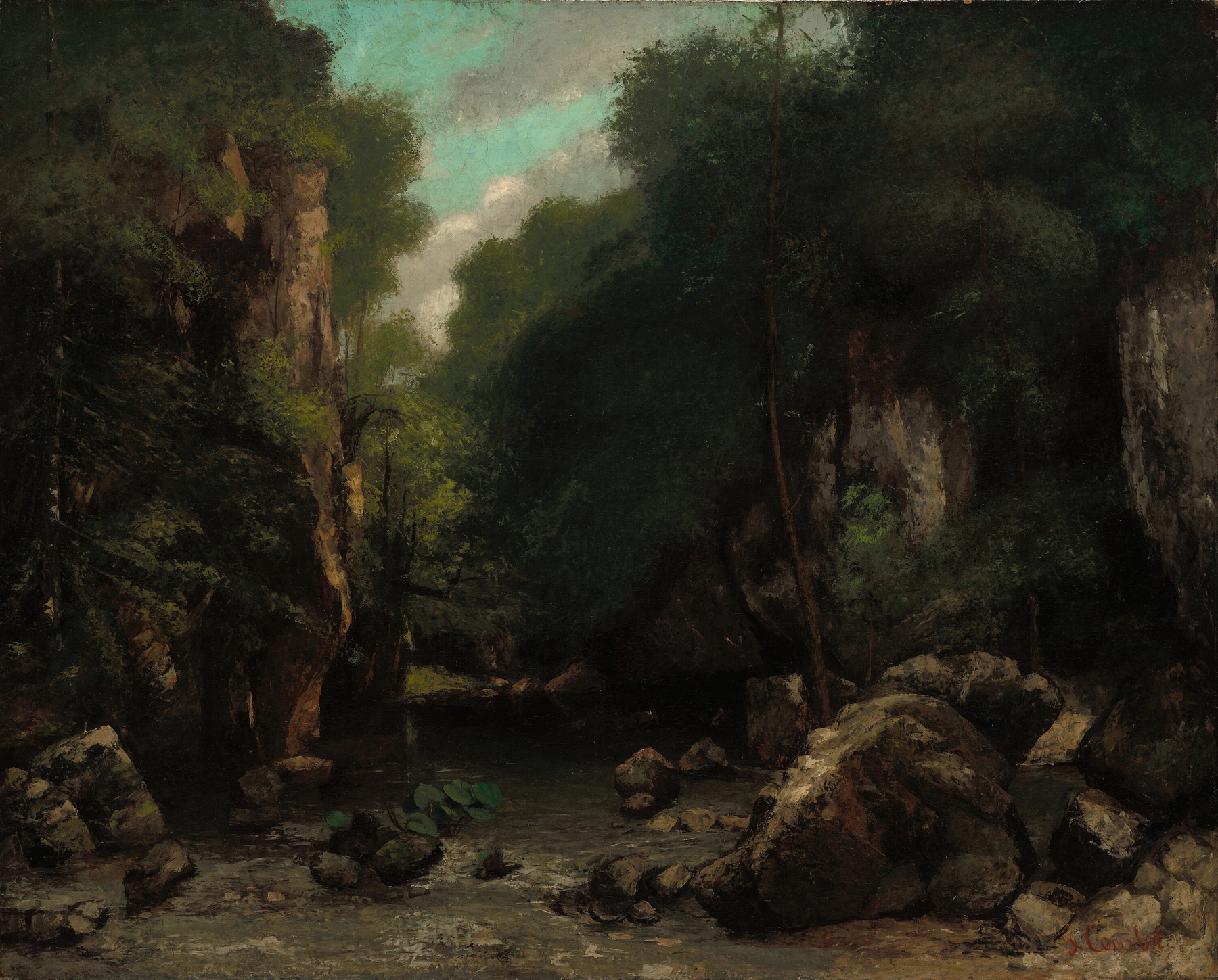
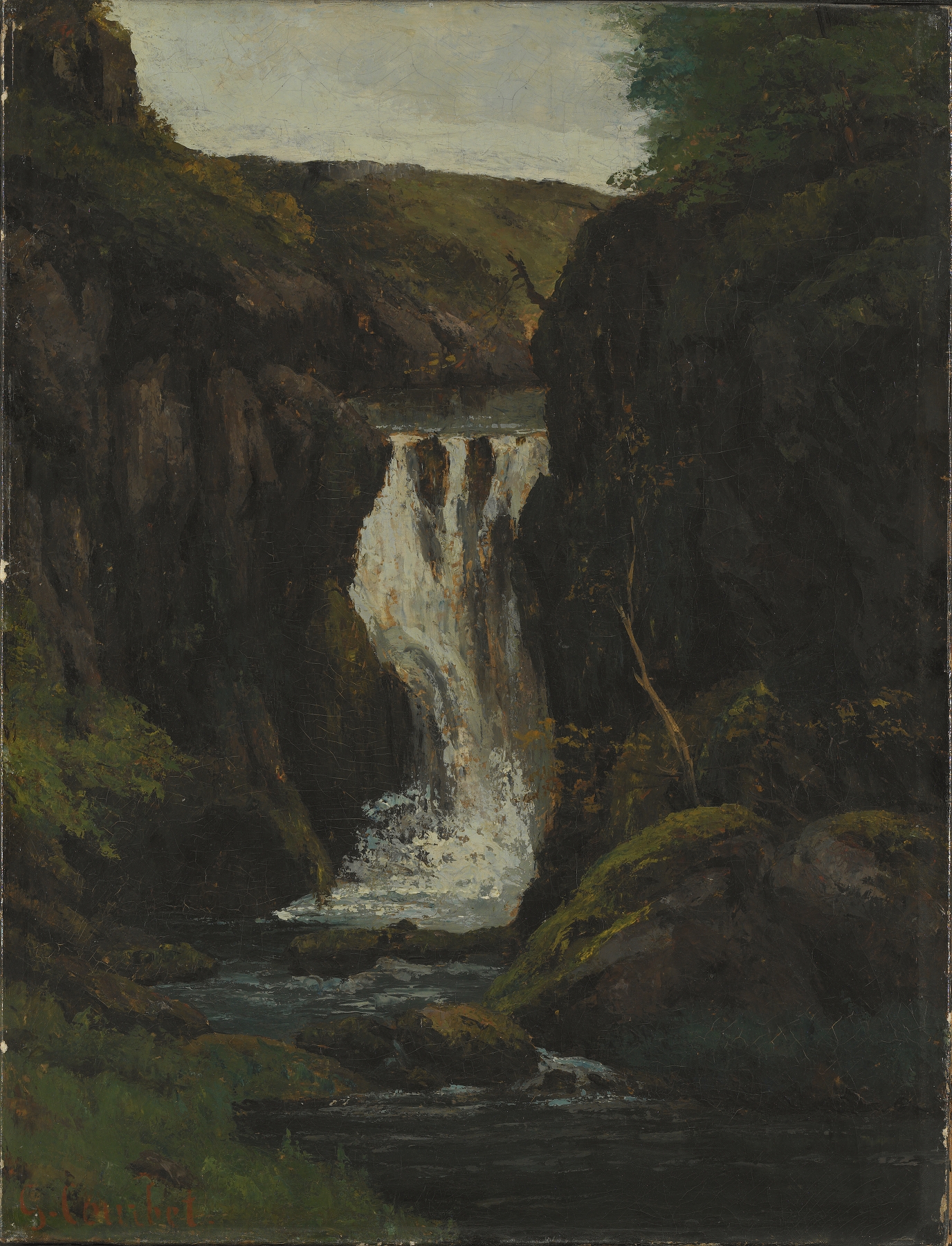
"Art reveals the soul when the world turns away." In the quiet embrace of nature, we find solace, faith, and an invitation to reflect on our existence. Here, the essence of belief unfurls amid the raw beauty of the landscape. Look to the left, where the cascading waterfall tumbles over rocky ledges, its frothy white spray capturing the light. The vibrant greens of the foliage surround the falls, illustrating the interplay between vitality and water's ephemeral nature.
Notice how the brushwork varies; the smooth strokes of the water contrast with the rough textures of the stones, creating a dynamic balance that invites the eye to dance between serenity and movement. Beneath the surface, the painting speaks of the eternal struggle between nature and man’s intrusion. The hidden details—a figure perched on the rocks, gazing into the depths—hint at introspection and the search for faith amid tumultuous times. The dark shadows lurking behind the waterfall symbolize doubt, while the light breaking through the trees offers a glimmer of hope, leaving viewers pondering their own belief systems.
In 1865, Courbet was in the throes of his artistic journey, firmly advocating for realism as a counter to romantic idealism. He painted Landscape with a Waterfall during a period marked by societal upheaval and an increasing focus on nature’s unadorned truth. This work emerged as a testament to his deep connection with the landscape around him, reflecting not only his personal experiences but also the broader quest for authenticity in art during a time of great change.