Marine; The Waterspout — History & Analysis
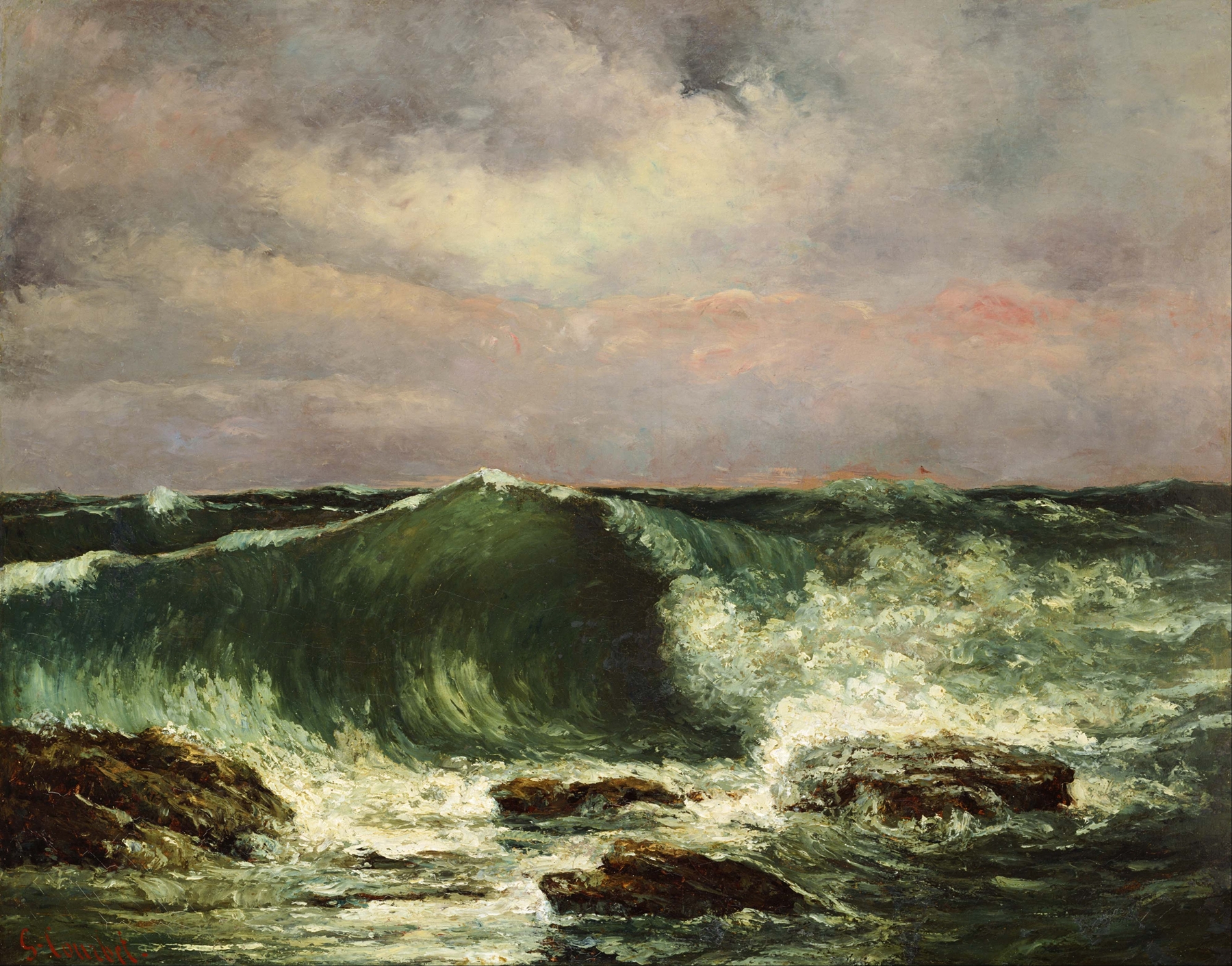
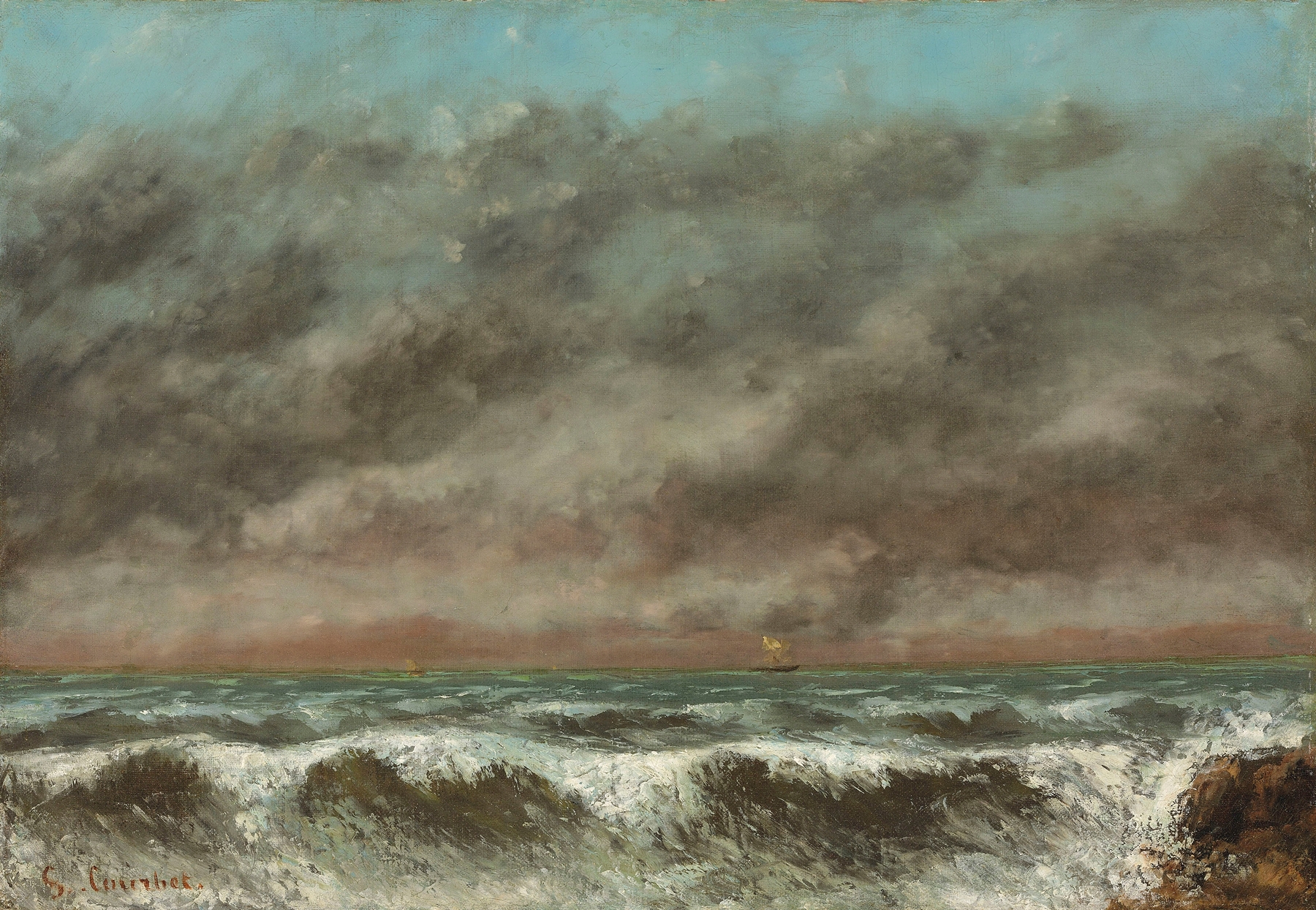
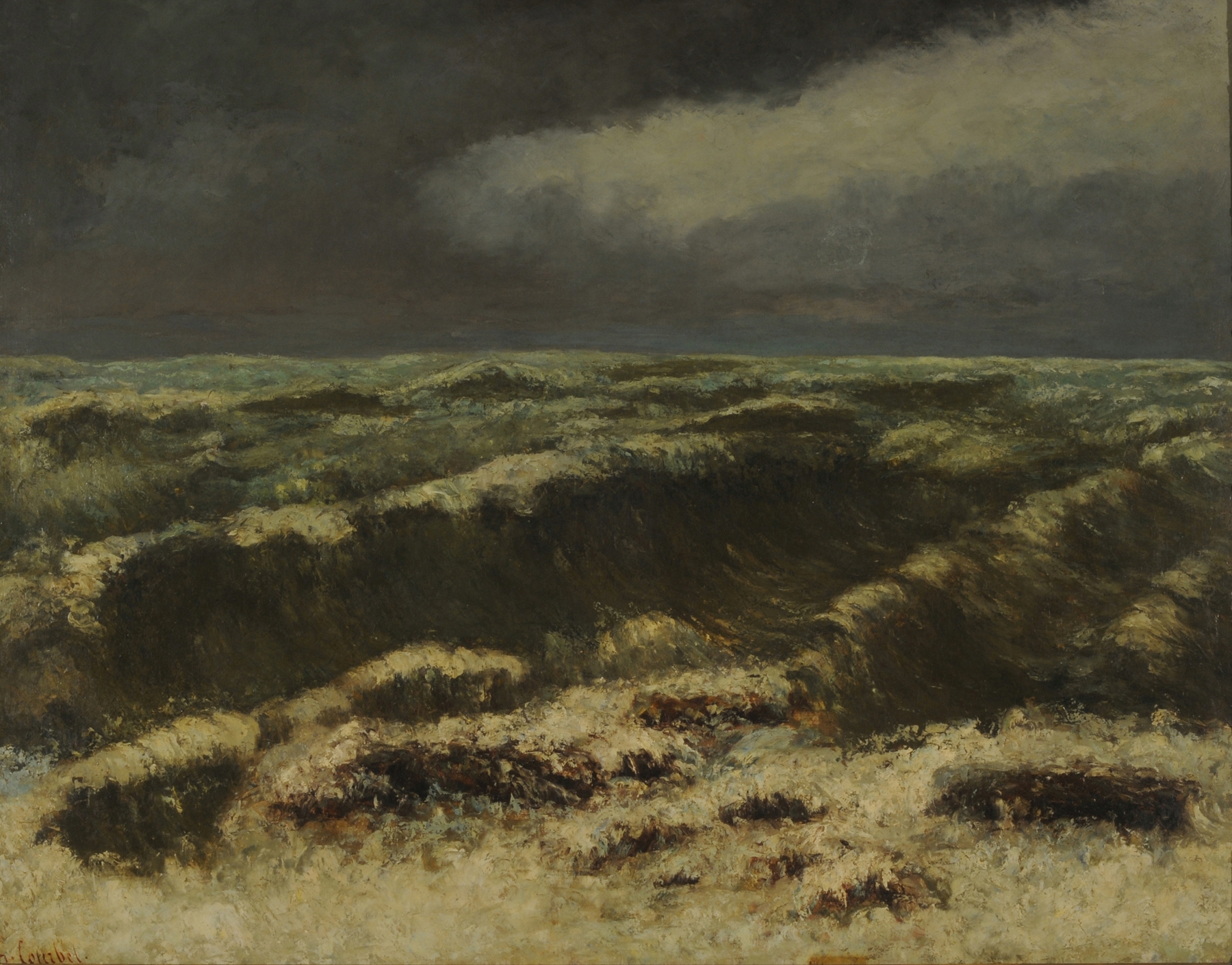
What if beauty was never meant to be finished? In the swirling chaos of nature, we find moments suspended in time—echoes of fleeting perfection that haunt our memories. Focus on the tempestuous sky, where dark clouds gather ominously over the tumultuous sea. The painter’s brushstrokes dance with urgent energy, capturing the raw power of a waterspout threatening to descend.
Notice how the deep blues and greens clash with stark whites, revealing a dynamic struggle between calm and chaos, beauty and danger. The horizon blurs, suggesting an endless expanse while the composition pulls us directly into the storm’s heart. Within this interplay lies a poignant contrast: the wild fury of nature against the delicate whispers of nostalgia. Each wave that crashes against the unseen shore seems to echo a forgotten moment, a reminder of life's transience.
The waterspout, a symbol of transformation, invites viewers to reflect on the inevitability of change—how even in chaos, there exists a haunting beauty that captivates our spirit. Gustave Courbet painted this work in 1870, during a period when he was embracing the authenticity of realism while grappling with the changing tides of the art world. Living in France amid the growing fervor of modernity, he sought to capture the visceral power of nature, often drawing inspiration from his own experiences at sea. This painting reflects not only his technical mastery but also an emotional resonance that speaks to our collective longing for connection with the sublime.