Markt met bloemenstalletjes — History & Analysis
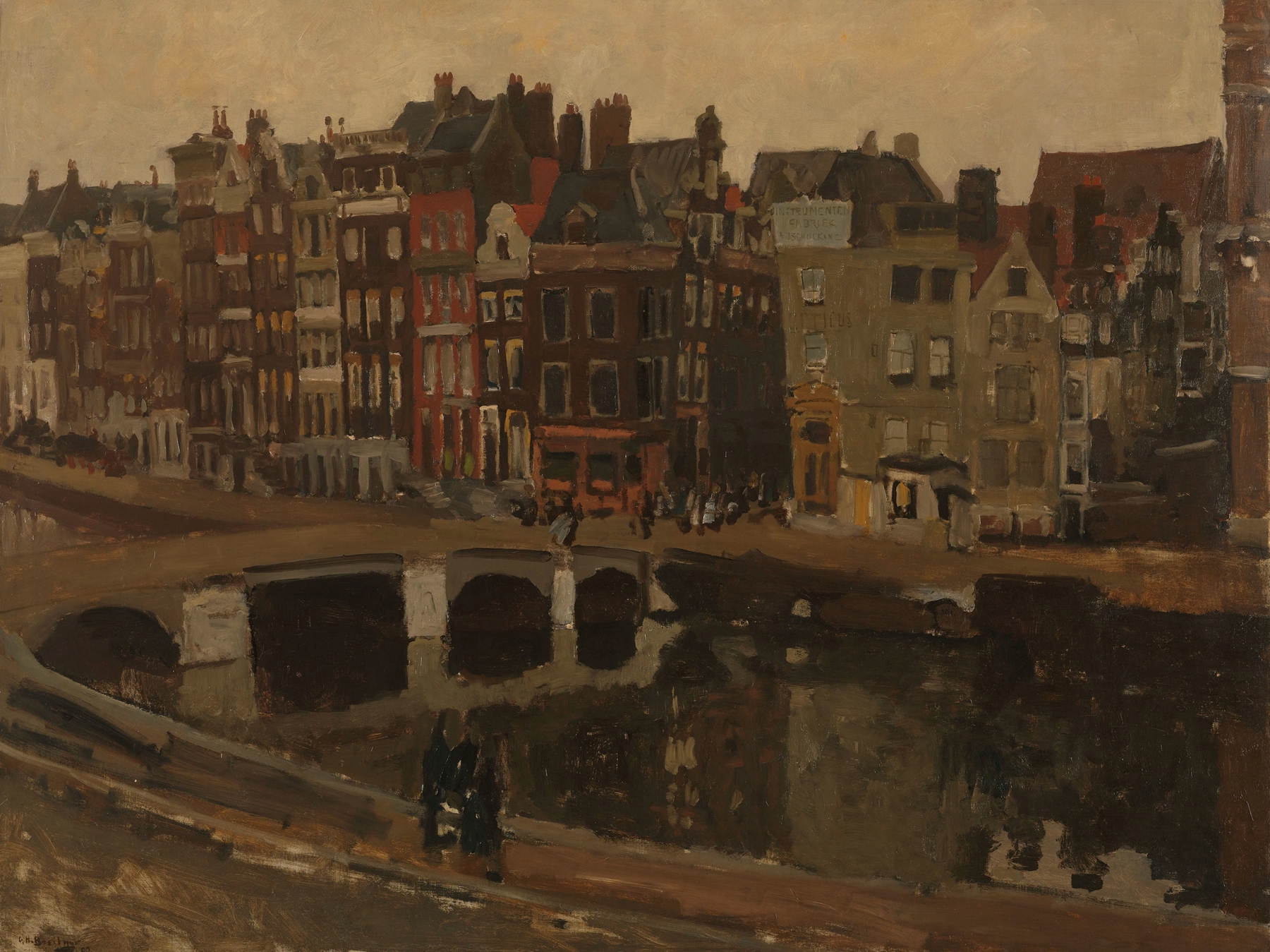
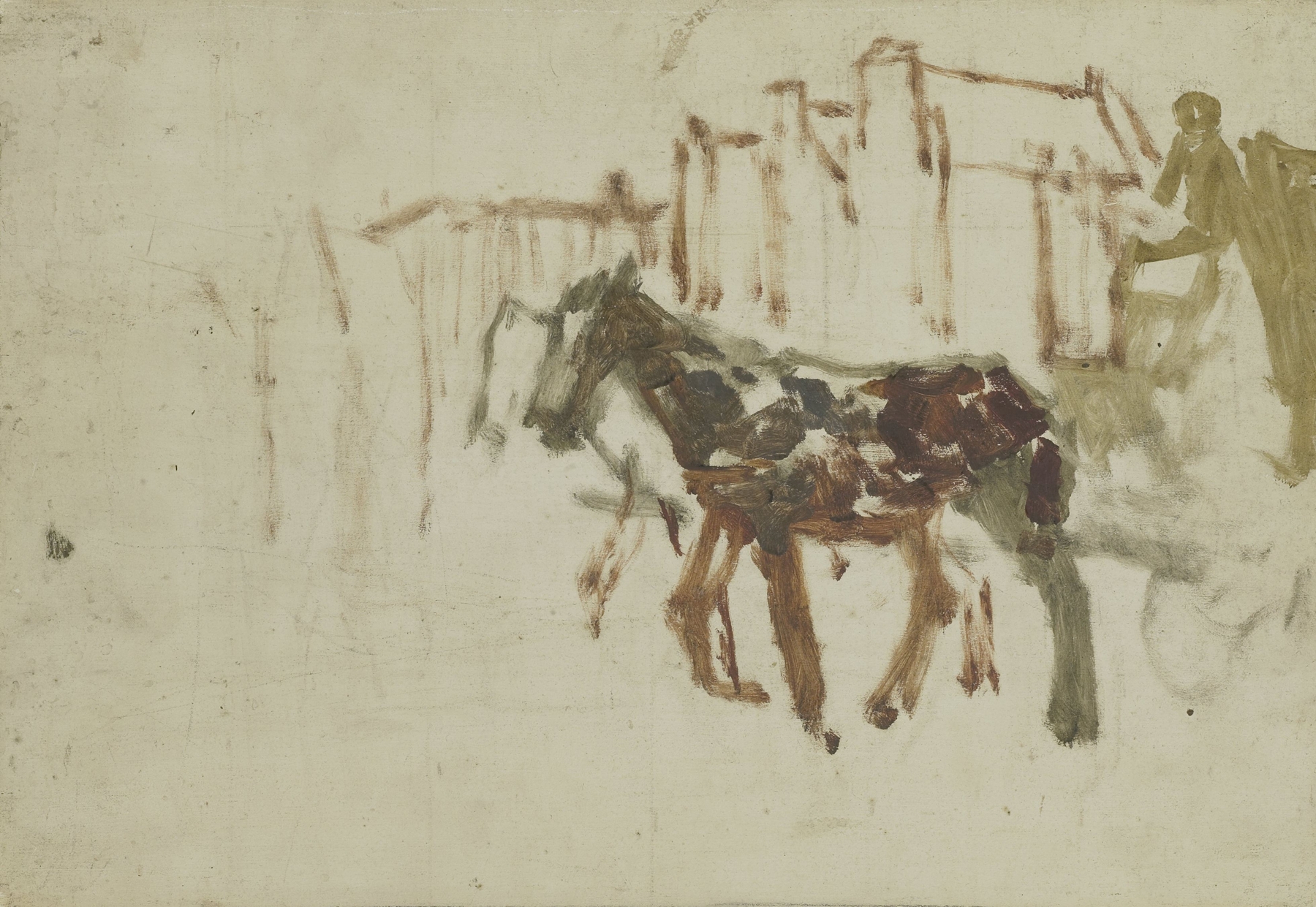
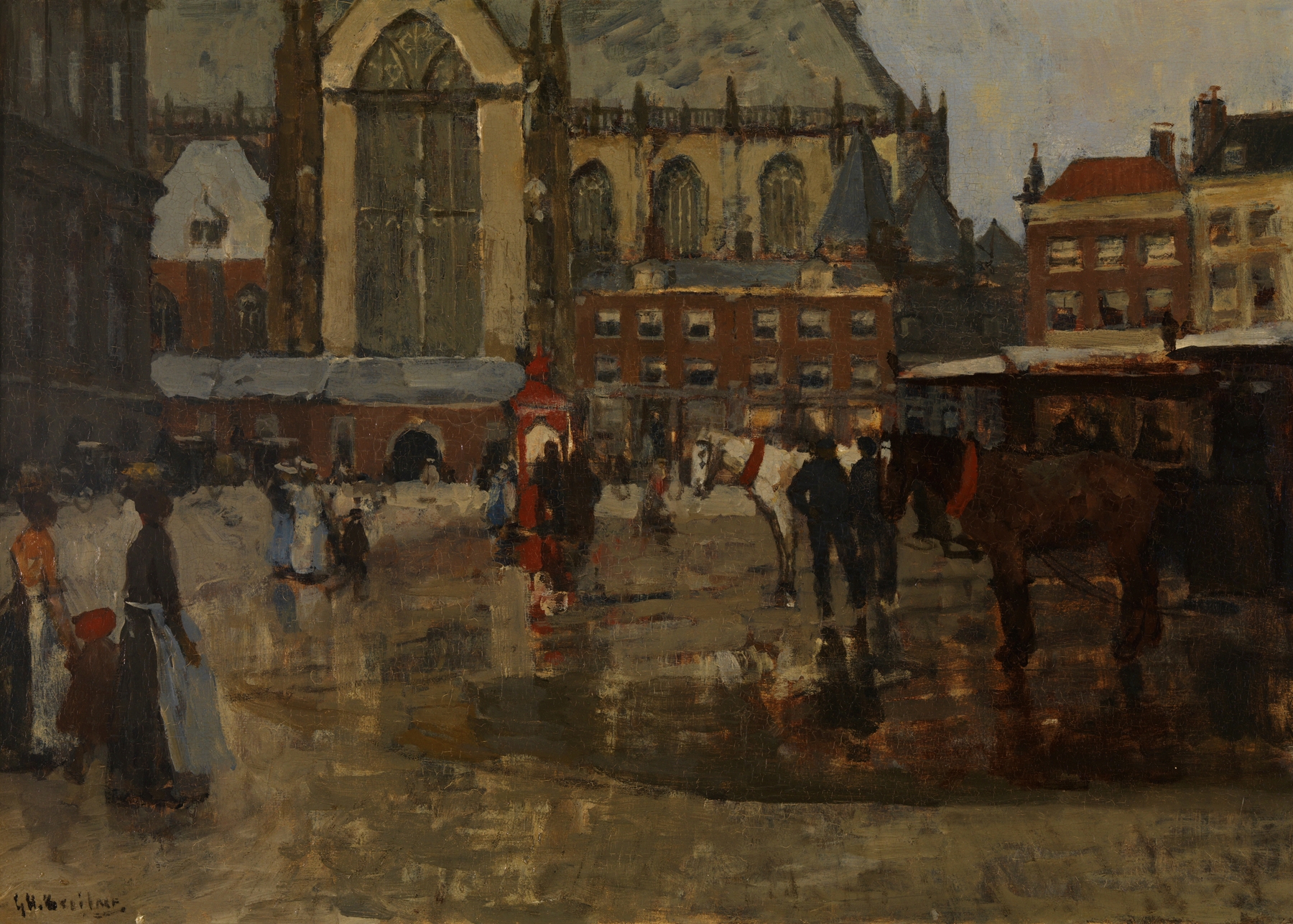
Did the painter know this moment would outlive them? In the bustling streets of early 20th-century Amsterdam, life was vibrant and ephemeral, ensconced in the fleeting beauty of daily existence. Look to the left at the delicate array of flowers, their petals bursting with color amidst the muted tones of the market. Notice how the brushstrokes create a sense of movement, capturing the flutter of skirts and the chatter of voices hidden just beyond the canvas. The composition draws your eye along a diagonal, with the stalls receding into the distance, inviting you to immerse yourself in the lively atmosphere of commerce and connection.
The interplay of light and shadow highlights the vibrancy of the blooms, while the cool palette of the surrounding environment evokes a gentle contrast, anchoring this moment in time. Upon closer inspection, you can sense the subtle melancholy that intertwines with the vibrancy. The flowers, symbols of transience, speak to the fleeting nature of life itself, suggesting a deeper reflection on what is destined to fade. The figures in the scene, busy and engaged, are lost in the flow of their lives, unaware of how this snapshot will resonate across generations.
It is a poignant reminder of the beauty that exists in the ordinary, as well as the fragility woven into the fabric of existence. Painted in the early 20th century, this work captures a pivotal time for Breitner, who was deeply influenced by the Impressionist movement. Living in Amsterdam, he sought to document the life around him with a fresh perspective. This period was marked by a burgeoning interest in capturing everyday moments and ordinary people, setting the stage for modernist explorations that followed in the art world.