Matlock Dale, looking toward Black Rock Escarpment — History & Analysis
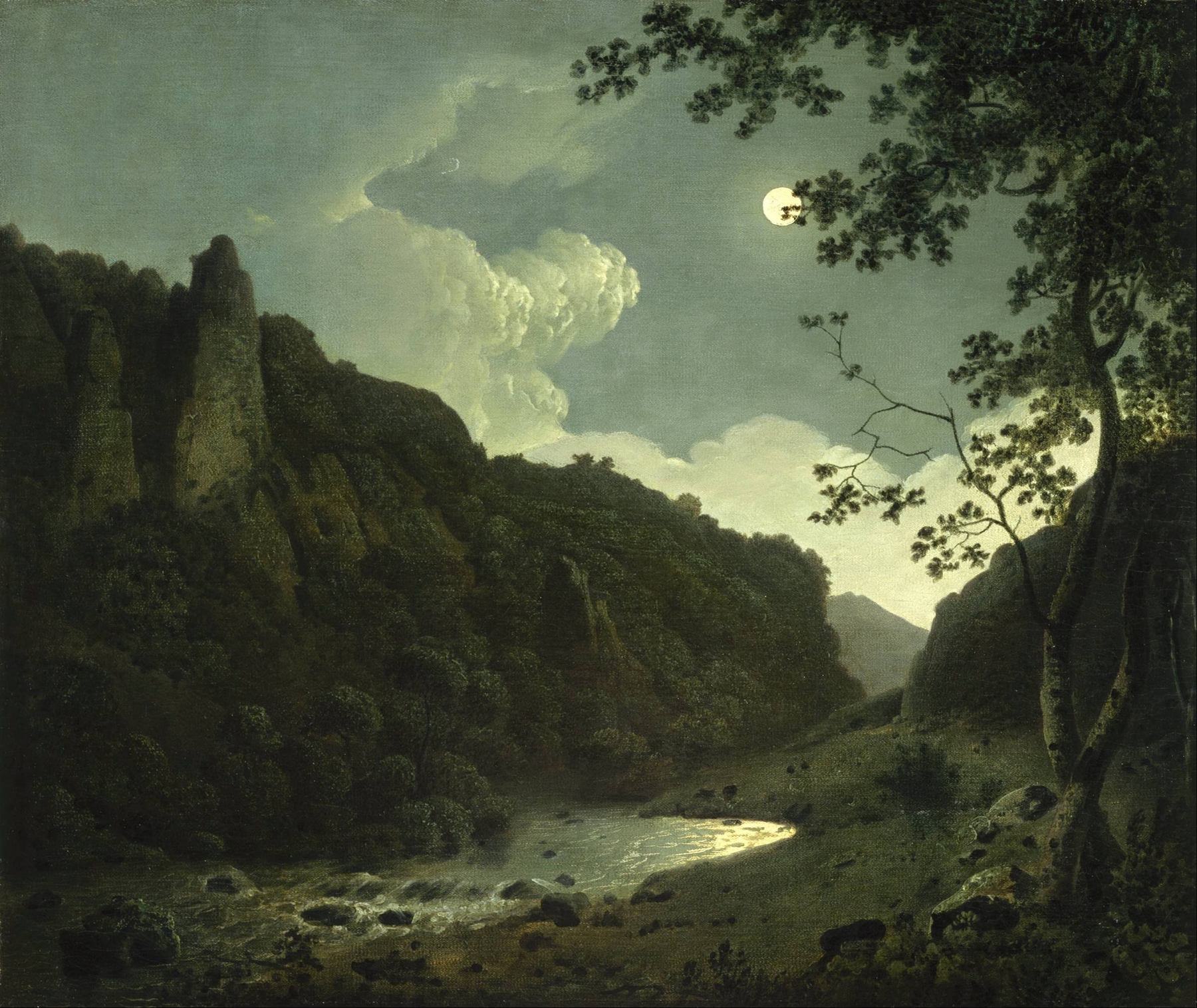
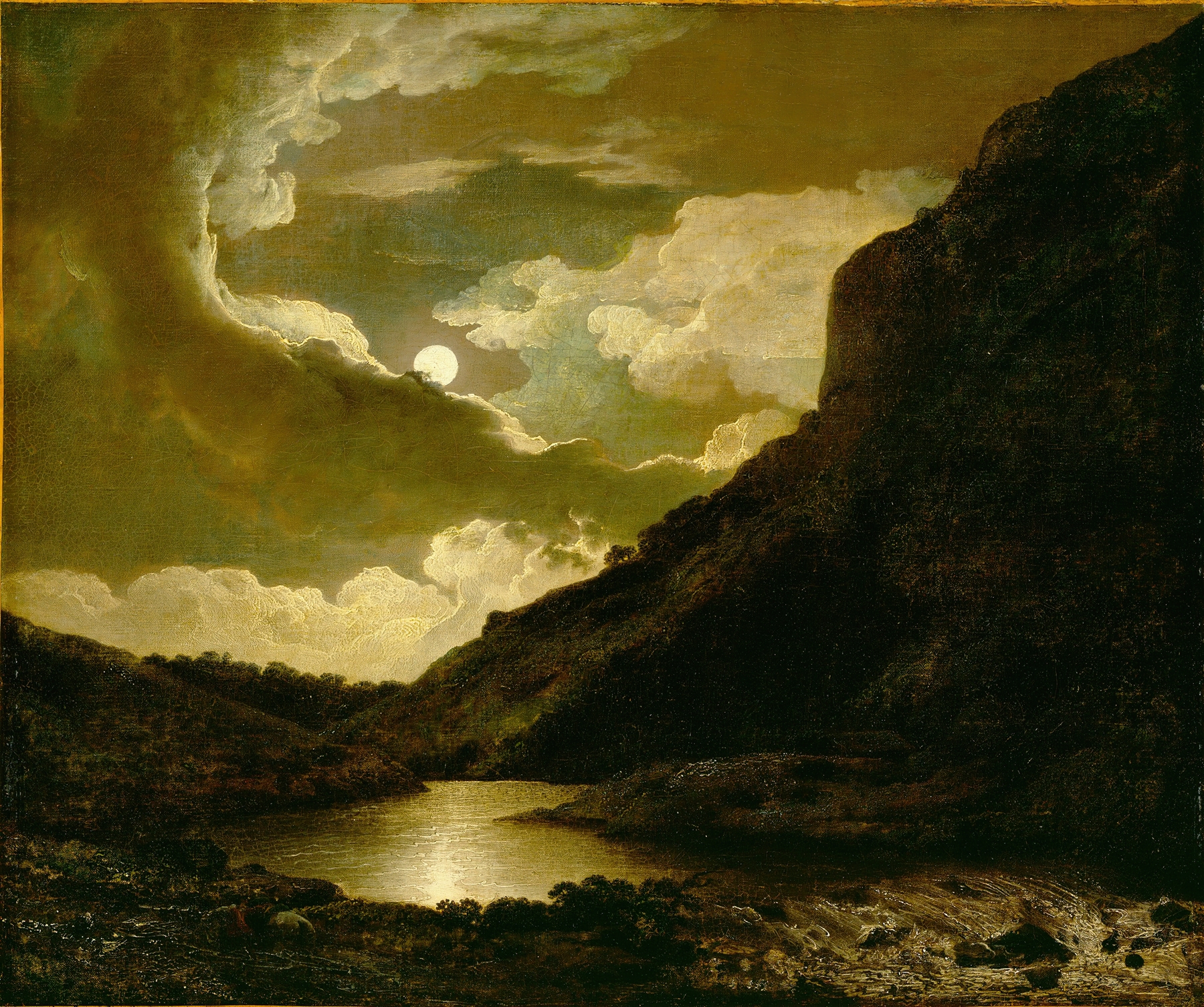
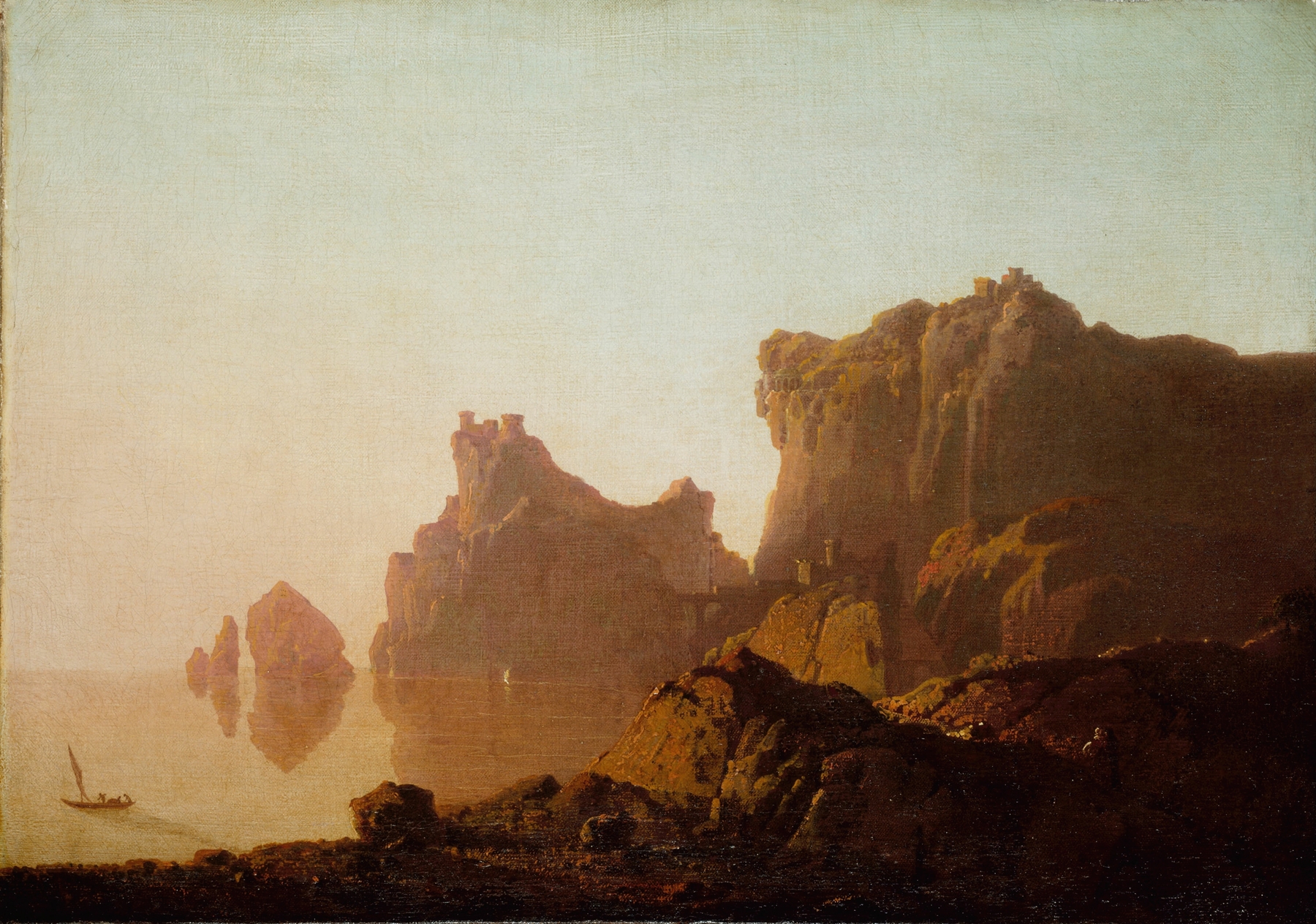
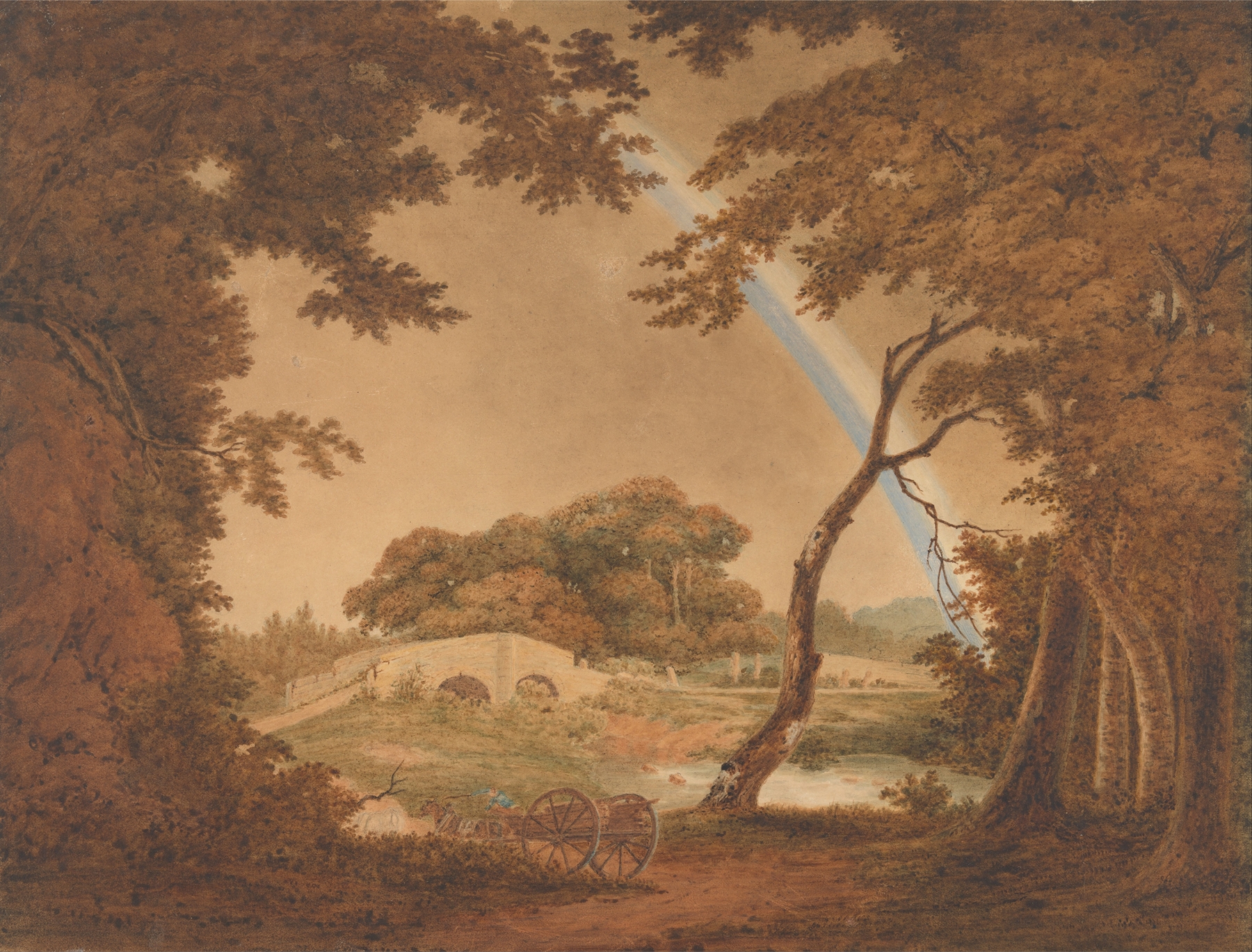
When did color learn to lie? In Matlock Dale, looking toward Black Rock Escarpment, a lush palette whispers truths wrapped in twilight's embrace, inviting us to explore the very essence of perception itself. Look to the left, where the deep greens of the valley cradle the ochre hues of the rocky escarpment, drawing your eyes toward the distant horizon. Notice how the warm light bathes the rugged terrain, creating a delicate balance between shadow and illumination.
The composition is masterfully layered, allowing the viewer to traverse the undulating hills and valleys, where the vibrant colors not only guide the gaze but also evoke a sense of tranquility mixed with curiosity. Yet, beneath this serene surface lies a tension between nature and the ephemeral play of light, prompting contemplation of the fleeting beauty of the moment. The juxtaposition of the rich earthy tones against the cool blues of the sky hints at the transient relationship between humanity and the natural world. Each brushstroke captures a narrative of longing, inviting the viewer to ponder the deeper dialogues between light and color, reality and illusion.
Joseph Wright of Derby painted this work during a time of burgeoning interest in the natural sciences and the Romantic movement, likely in the late 18th century. Emerging from the Industrial Revolution, he found himself captivated by the landscapes of his native England, seeking to express the sublime beauty of nature while reflecting humanity's place within it. This period marked a significant evolution in the understanding of art's emotional power, as artists began to explore the relationship between light, color, and the human experience.