Melawi-el-Arich — History & Analysis
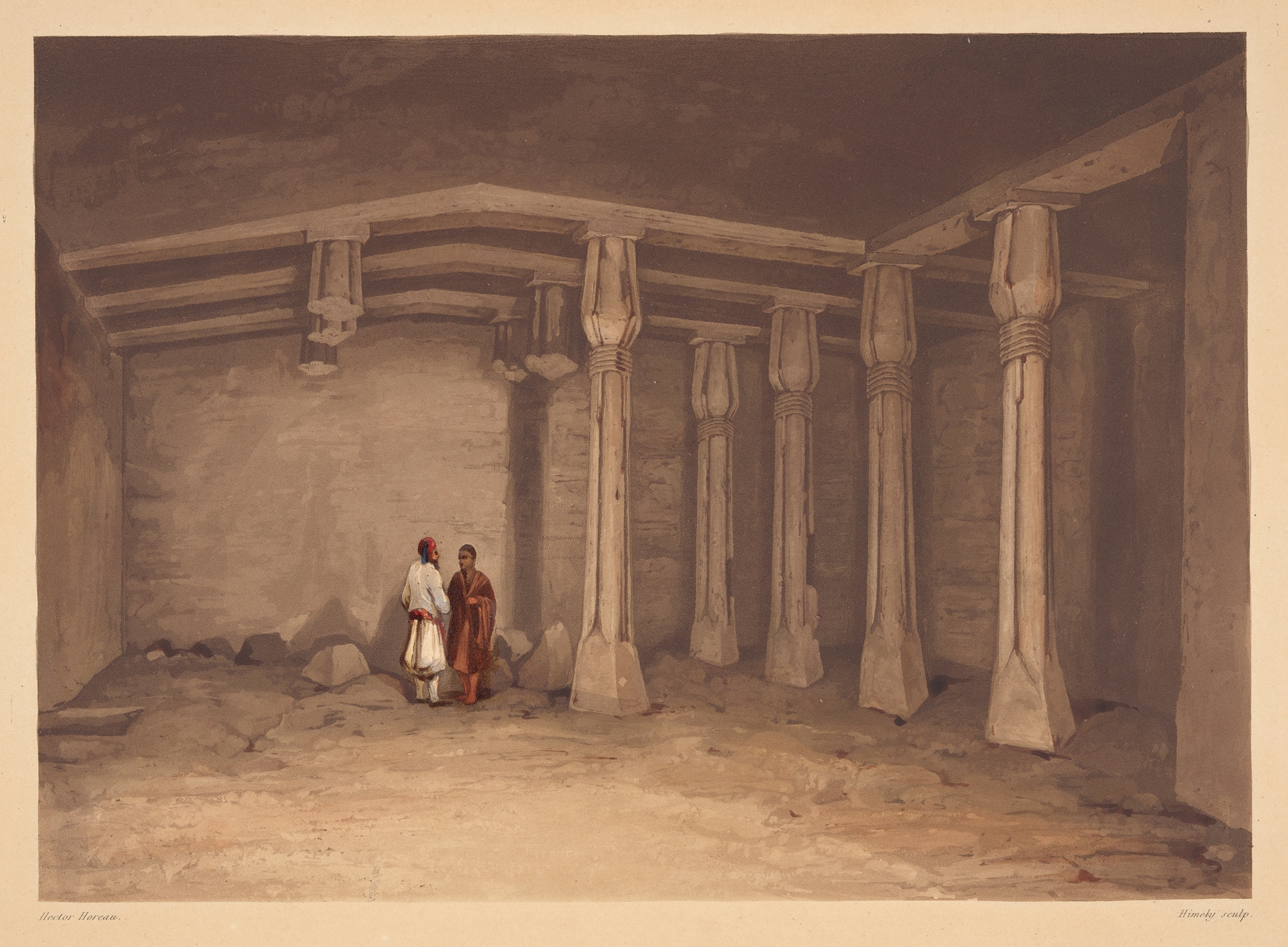
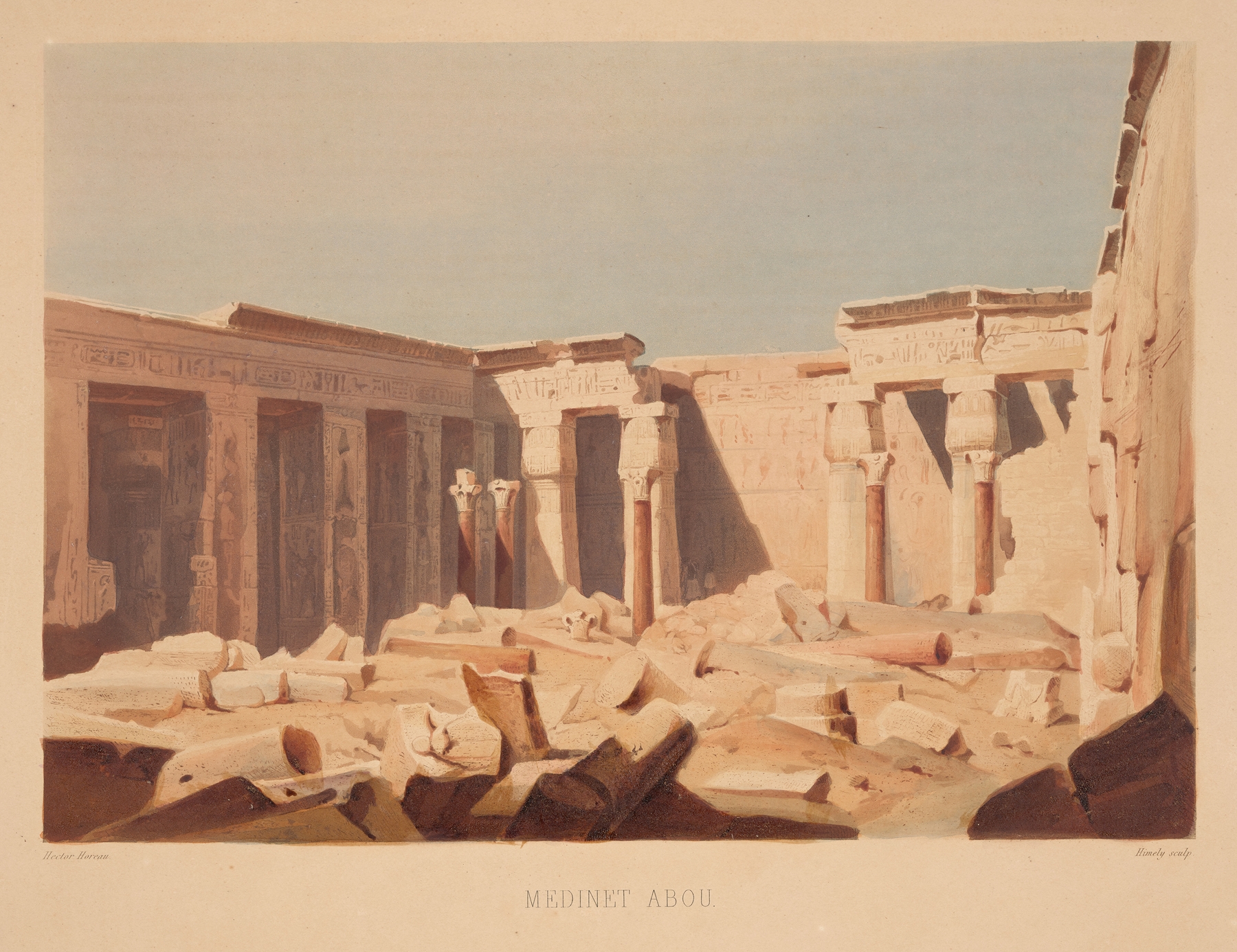
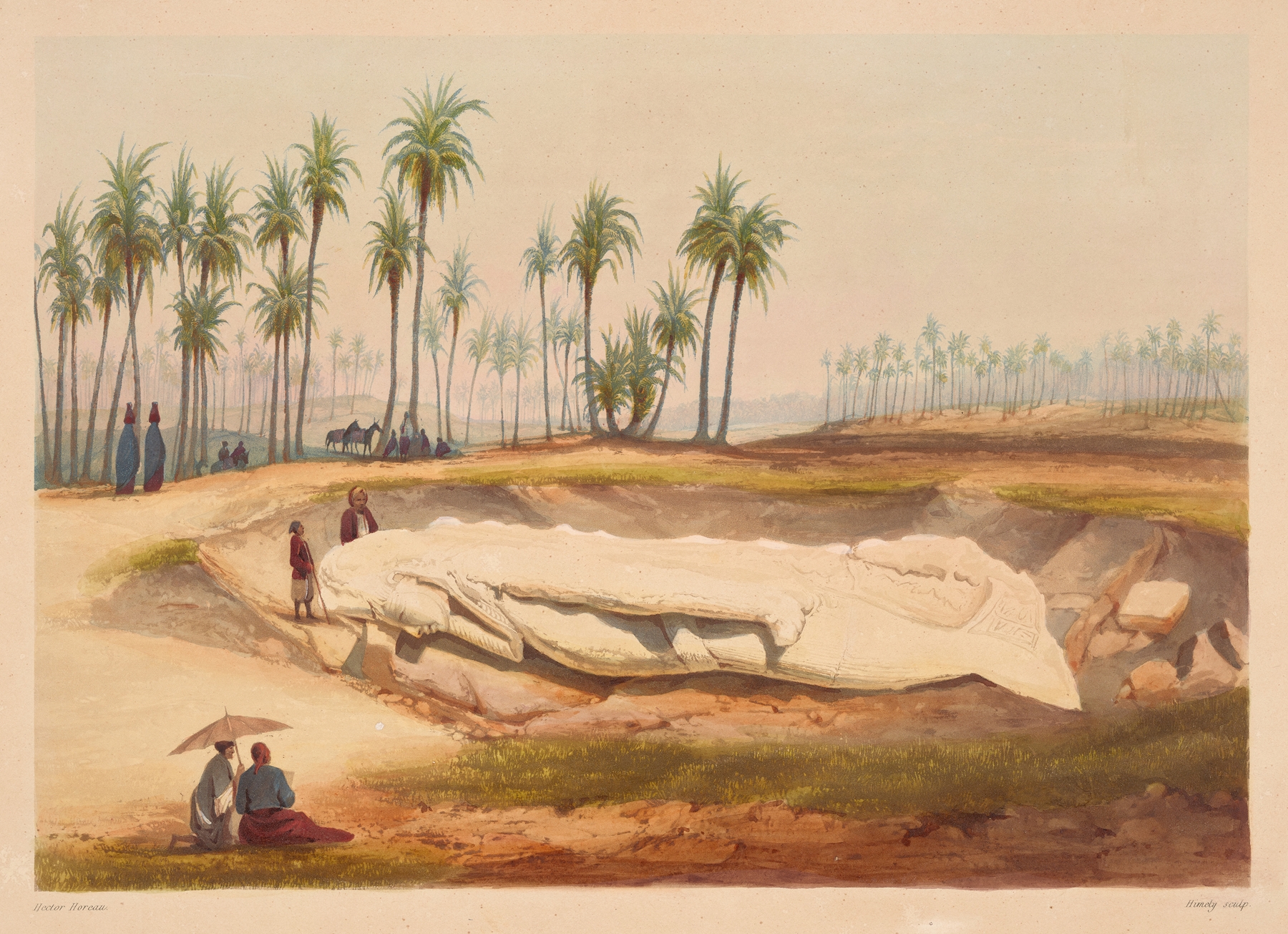
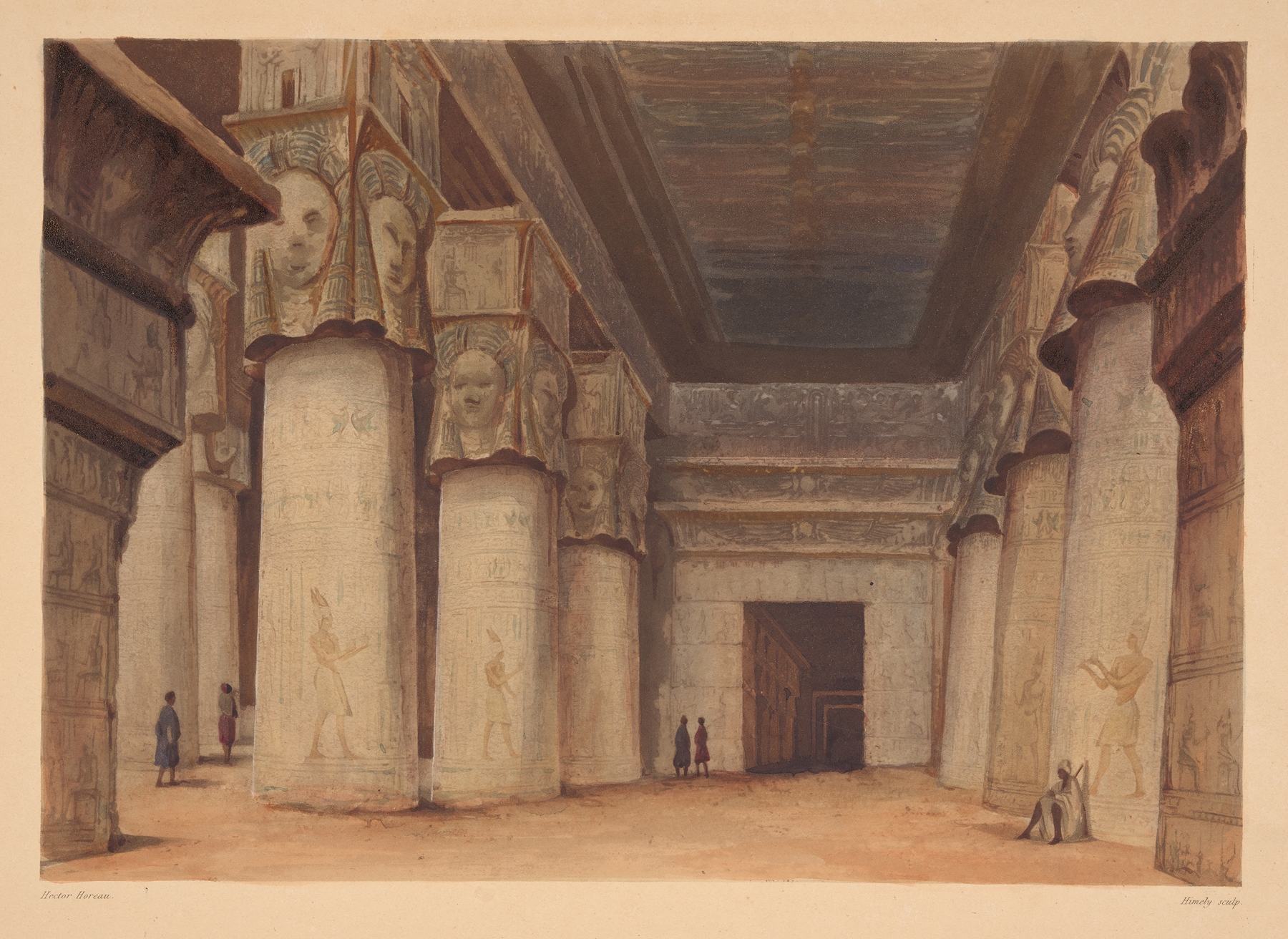
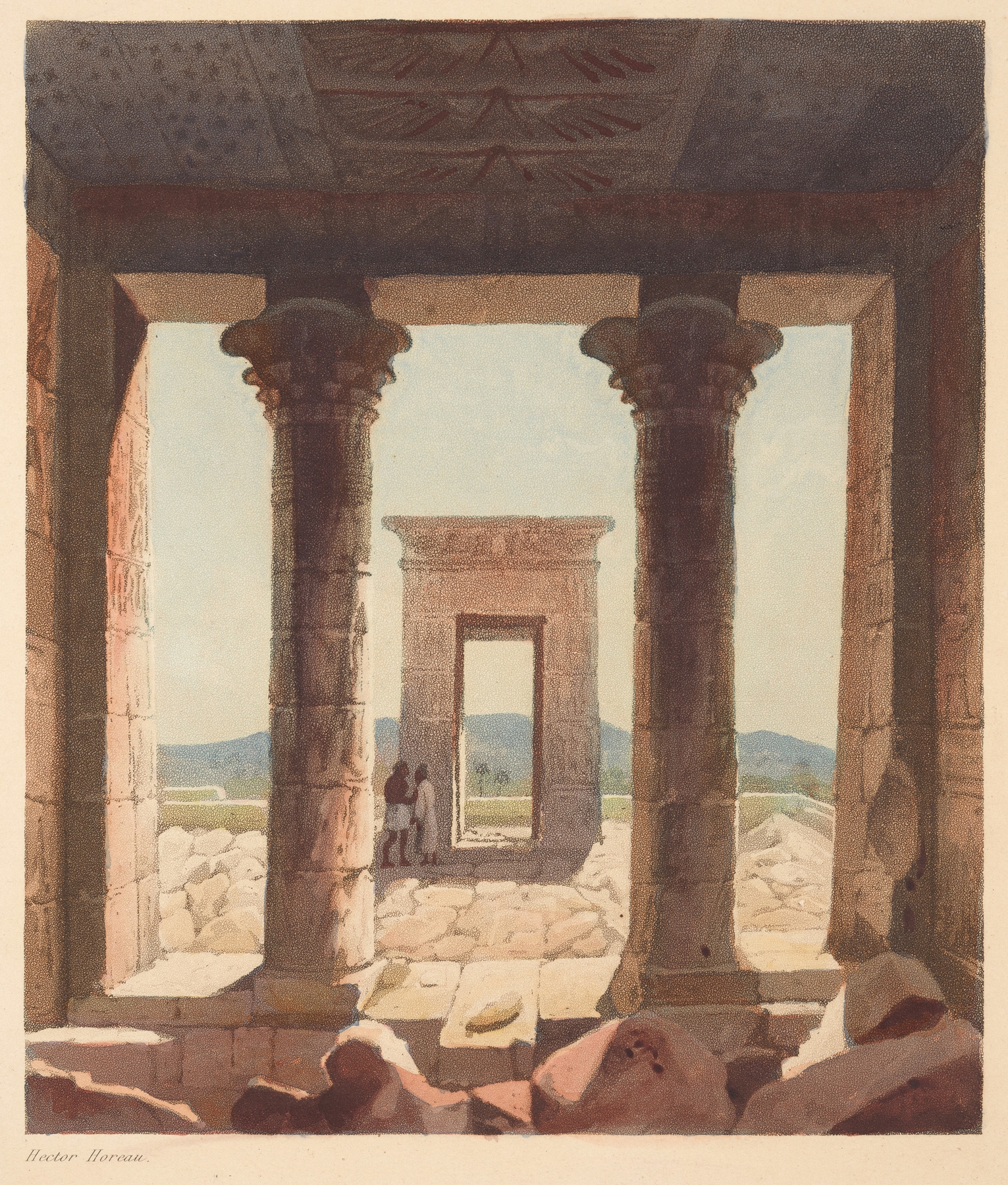
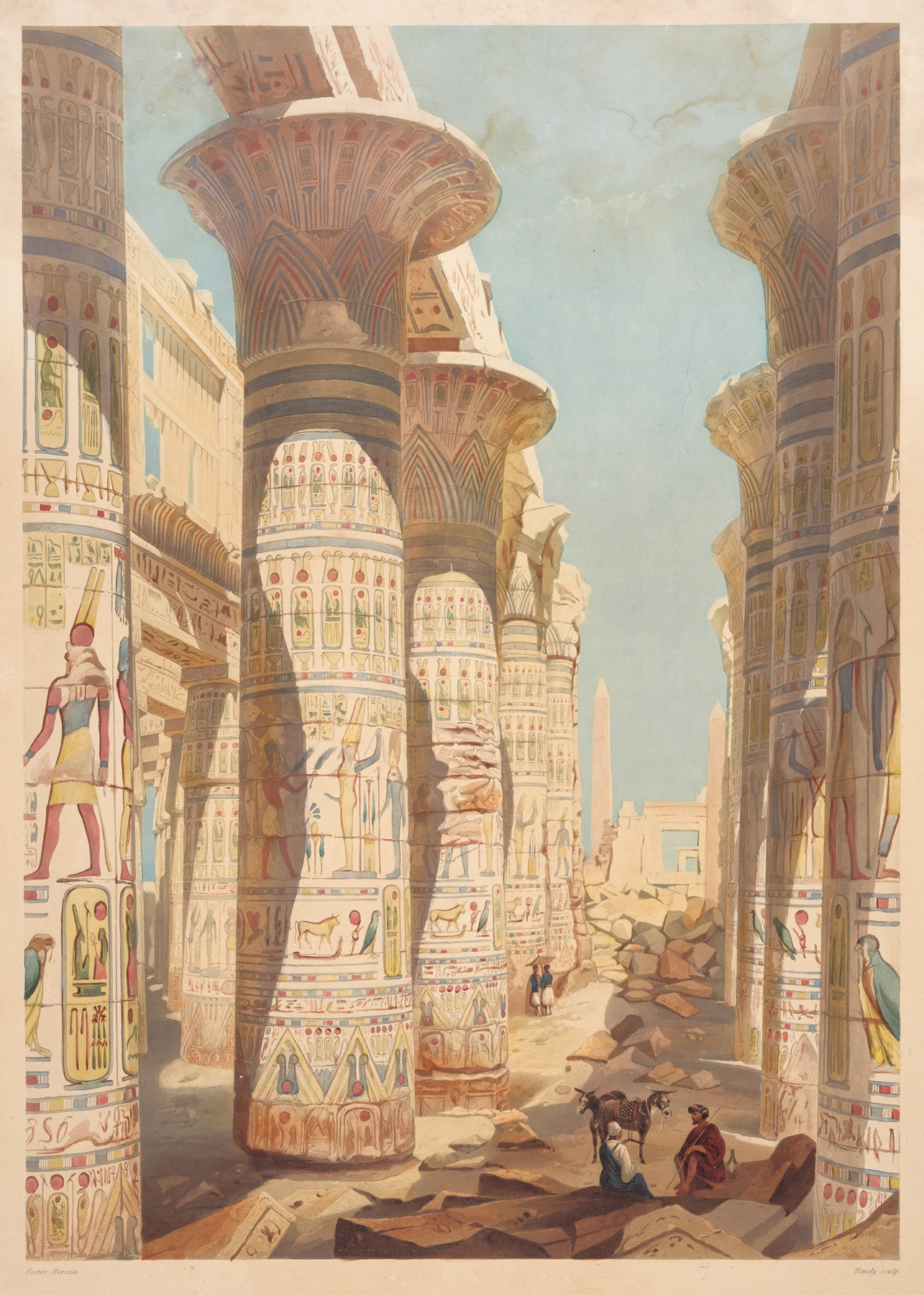
Who listens when art speaks of silence? In the delicate interplay of decay and beauty, Melawi-el-Arich offers a haunting reflection on what remains when the vibrancy of life fades. Look to the center of the canvas where the crumbling architecture stands, a testament to time’s relentless passage. The muted earth tones of ochre and gray envelop the structure, while light casts gentle shadows that evoke a sense of both loss and nostalgia.
Focus on the intricate details of the faded carvings adorning the stone, whispering stories of a once-thriving cultural tapestry intertwined with the surrounding landscape's gradual reclamation, suggesting a deeper narrative of history intertwined with nature. Within this desolate scene, the contrast between vitality and decay resonates profoundly. The juxtaposition of the intricate artistry with the encroaching elements speaks of the impermanence of human endeavor. Even the barren trees framing the composition seem to echo the melancholy of forgotten memories, inviting viewers to contemplate their own ephemeral experiences.
What does it mean to witness beauty in decay, to reflect on the inevitability of erasure? Hector Horeau painted Melawi-el-Arich in 1839 during his travels in North Africa, a period when European artists were increasingly drawn to the exotic landscapes and cultures outside their own borders. This work reflects both his fascination with architectural forms and a burgeoning interest in the passage of time as a theme in art. As Horeau captured the essence of this site, the Romantic movement began to influence his style, intertwining reality with the emotional undercurrents that resonate through the canvas today.
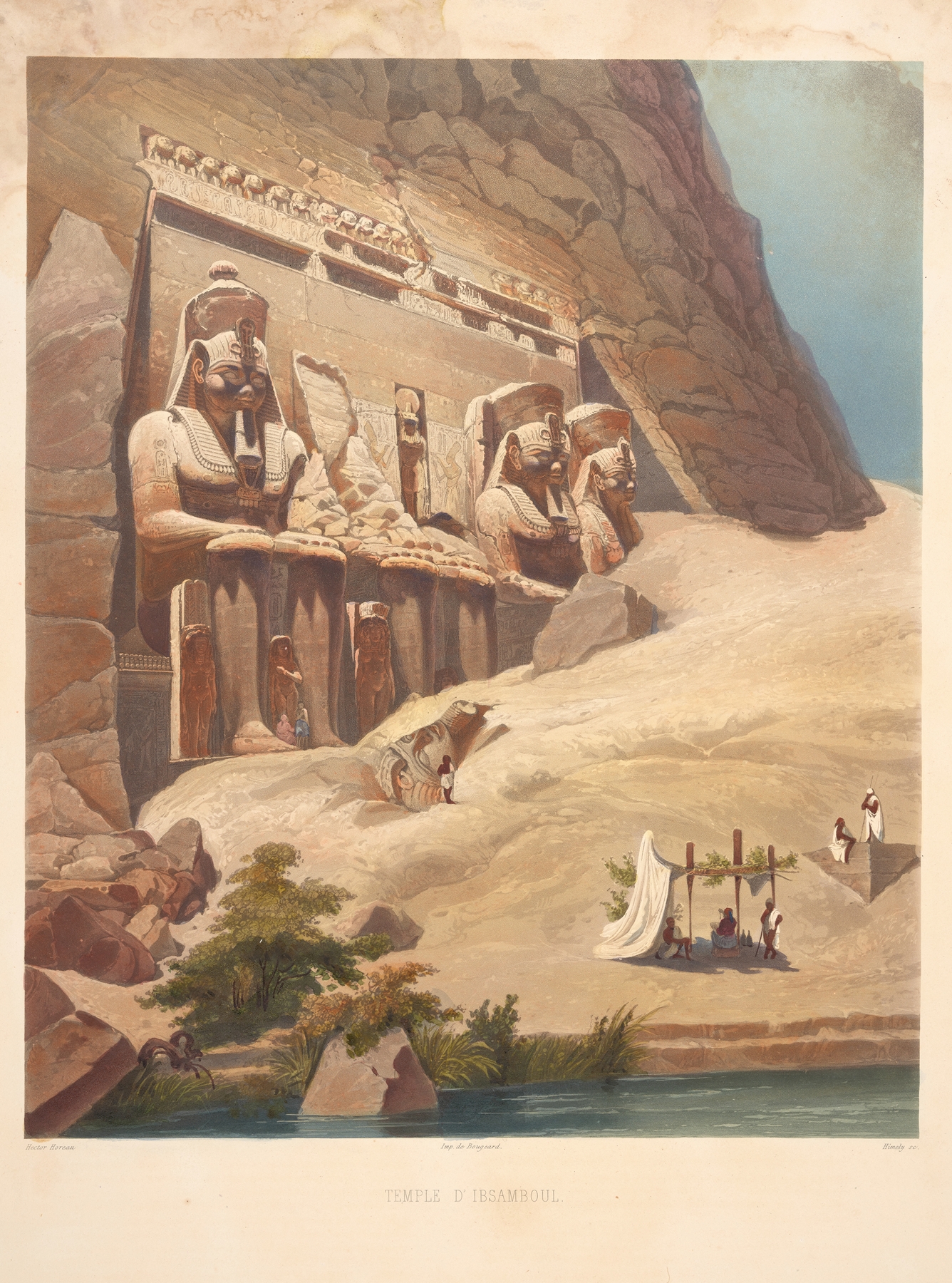
![Temple d’Ibsamboul [Interior view] (Temple of Abu Simbel), by Hector Horeau, public domain](https://froigstrpvutwqtqikzt.supabase.co/storage/v1/object/public/art-images/artworks/3156dbe8015f5681be442de2c2c50af40c84d5e10e8f68f04f9a54d6d857255f.jpg)