Mill In A Valley — History & Analysis
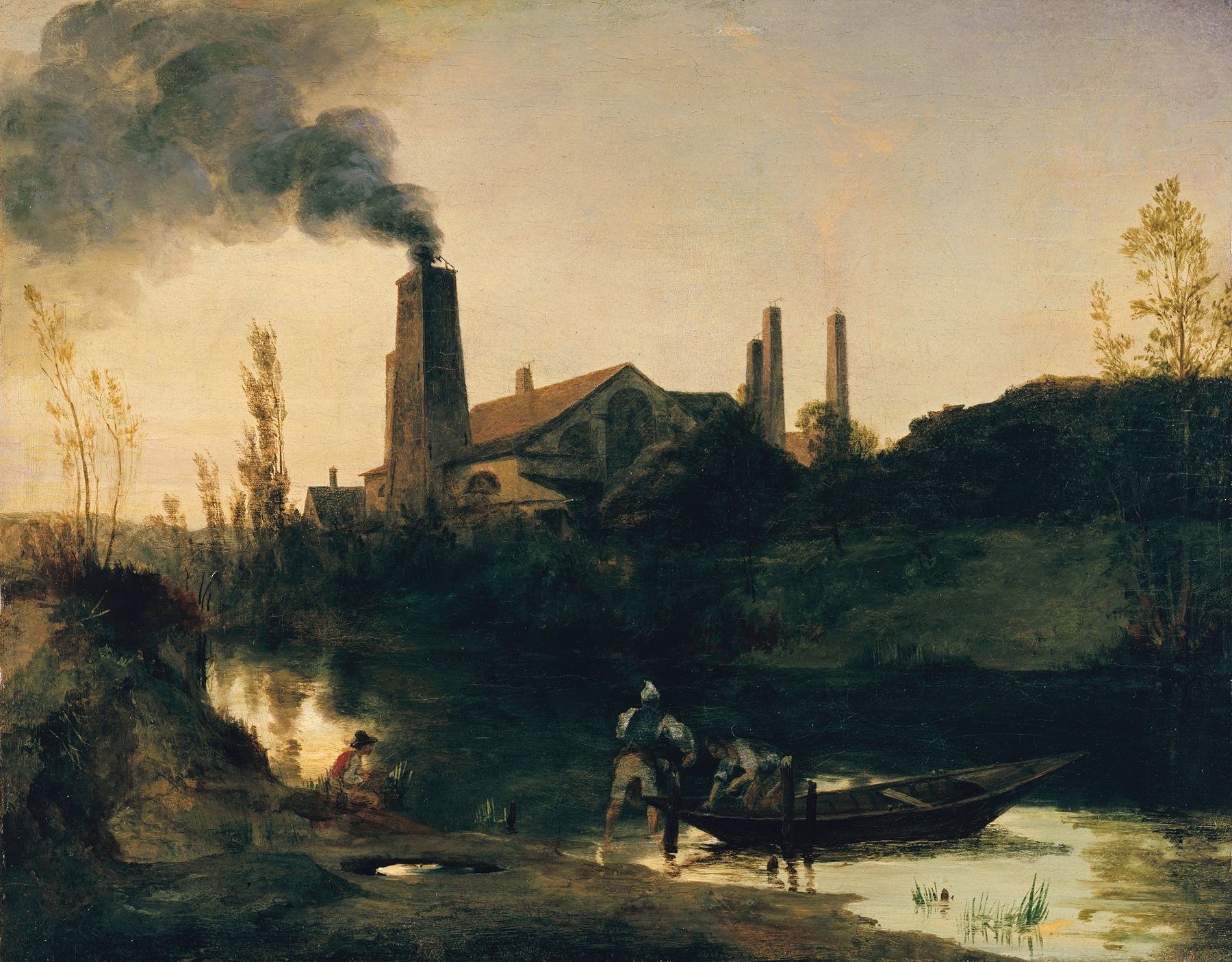
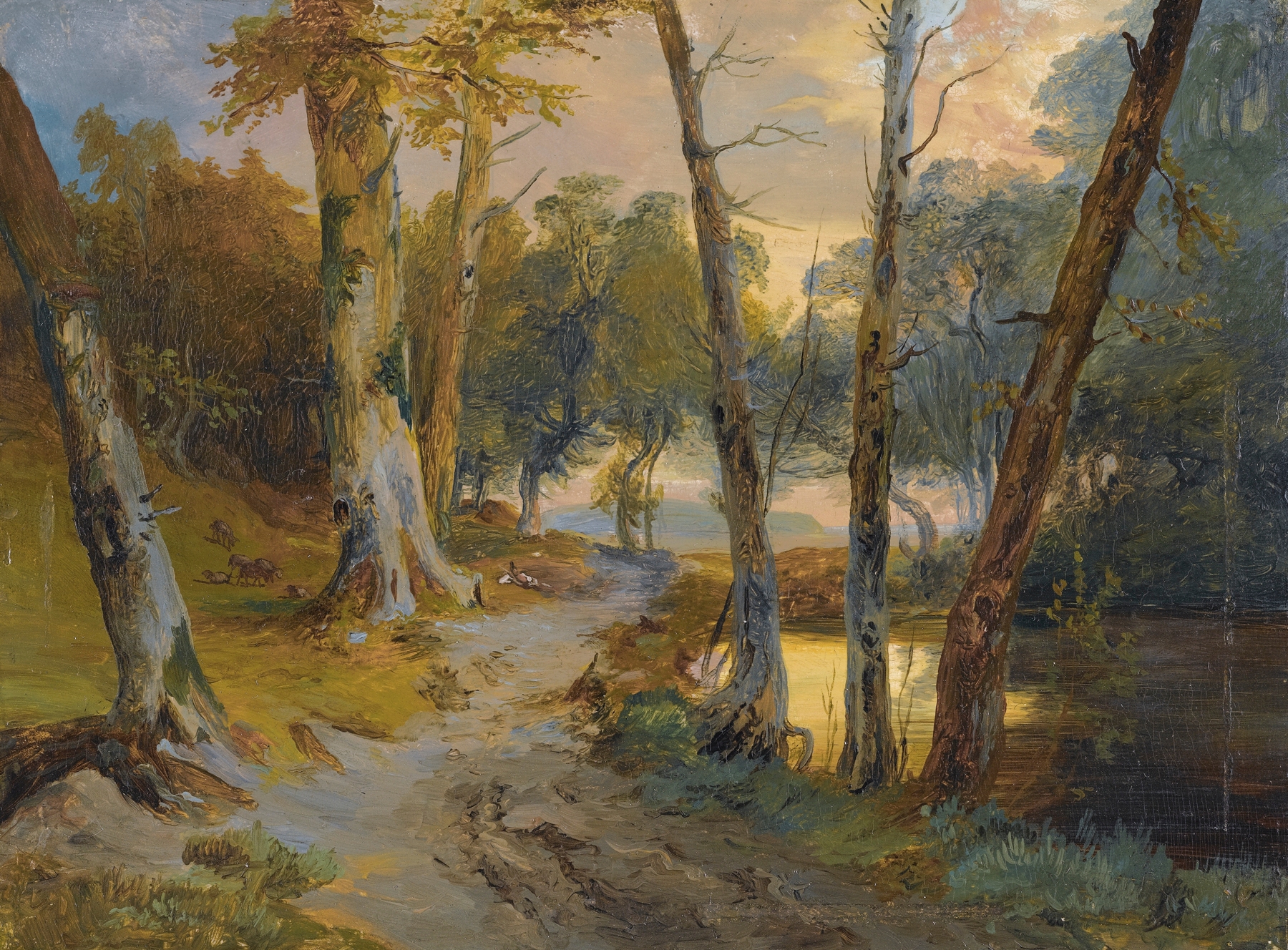
Can beauty exist without sorrow? In Carl Blechen's Mill In A Valley, the landscape conjures an enchanting illusion, a harmonious blend of nature and human endeavor, yet it whispers of deeper complexities beneath its idyllic surface. Look to the left at the mill nestled among the verdant hills, its weathered wooden structure contrasting against the vibrant greens and soft blues of the surrounding landscape. Notice how the sunlight streams through the trees, casting dappled shadows that breathe life into the scene.
The skillful brushwork captures the gentle movement of water, inviting your gaze to follow its path as it courses peacefully by, beckoning contemplation of the transient nature of both beauty and toil. Delve deeper into the nuances of the composition, where the juxtaposition of the mill’s industrious presence against the serene backdrop evokes a tension between nature and human impact. The bright sky overhead might suggest hope, yet the darkened, looming shapes of the hills hint at unseen struggles.
This duality can be interpreted as a reflection on the relationship between progress and the environment, a theme resonating with contemporary concerns even today. In creating Mill In A Valley, Blechen navigated an era of artistic evolution during the mid-19th century, a time marked by romanticism’s embrace of nature and the emerging realism that sought to depict life’s authenticity. Working in Germany, he painted this piece as he grappled with his own struggles, both personal and artistic, striving to capture the essence of a world in transition amidst the Romantic ideals of beauty and emotional depth.