Molen met houten gebouwen bij Amsterdam — History & Analysis
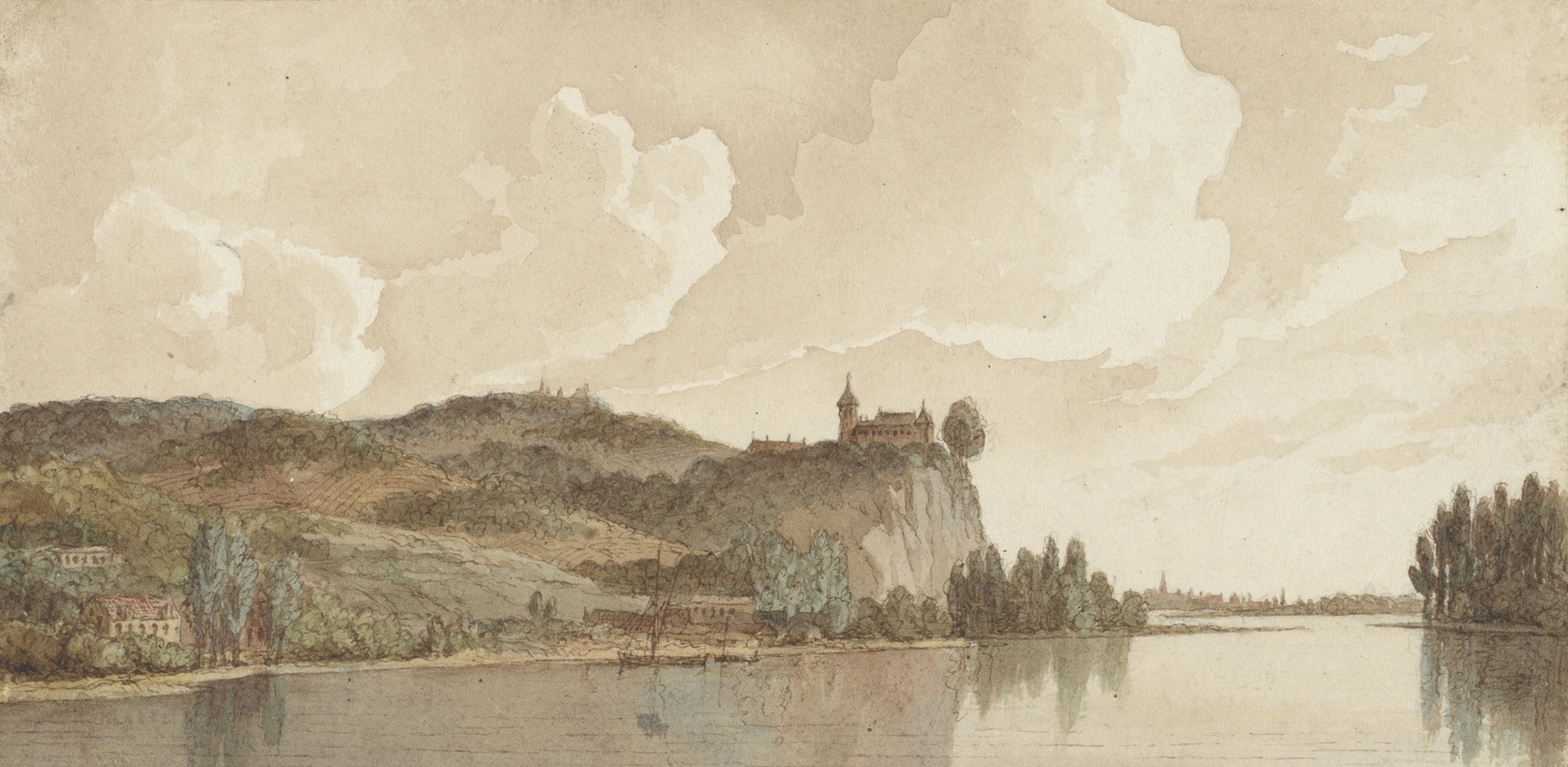
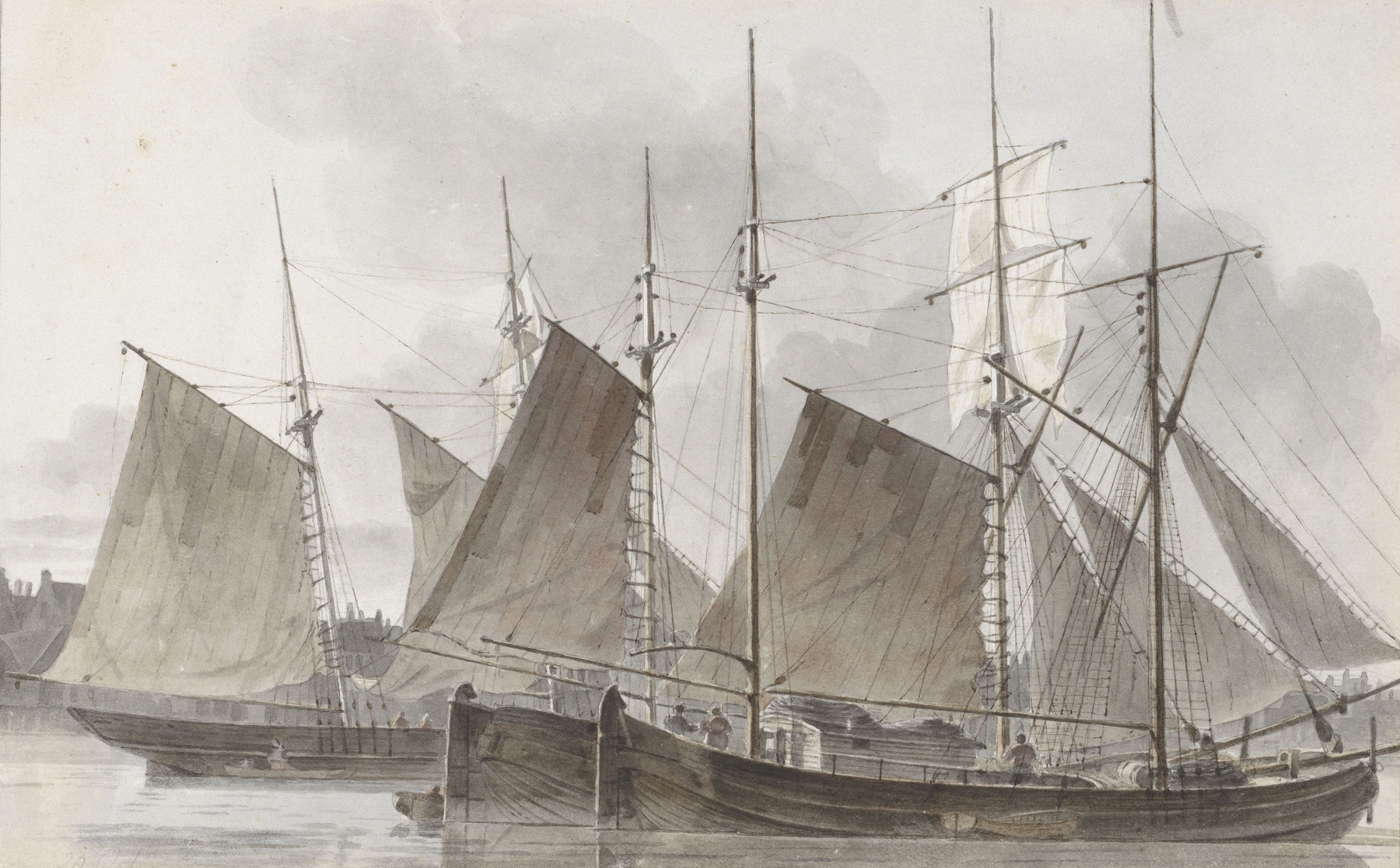
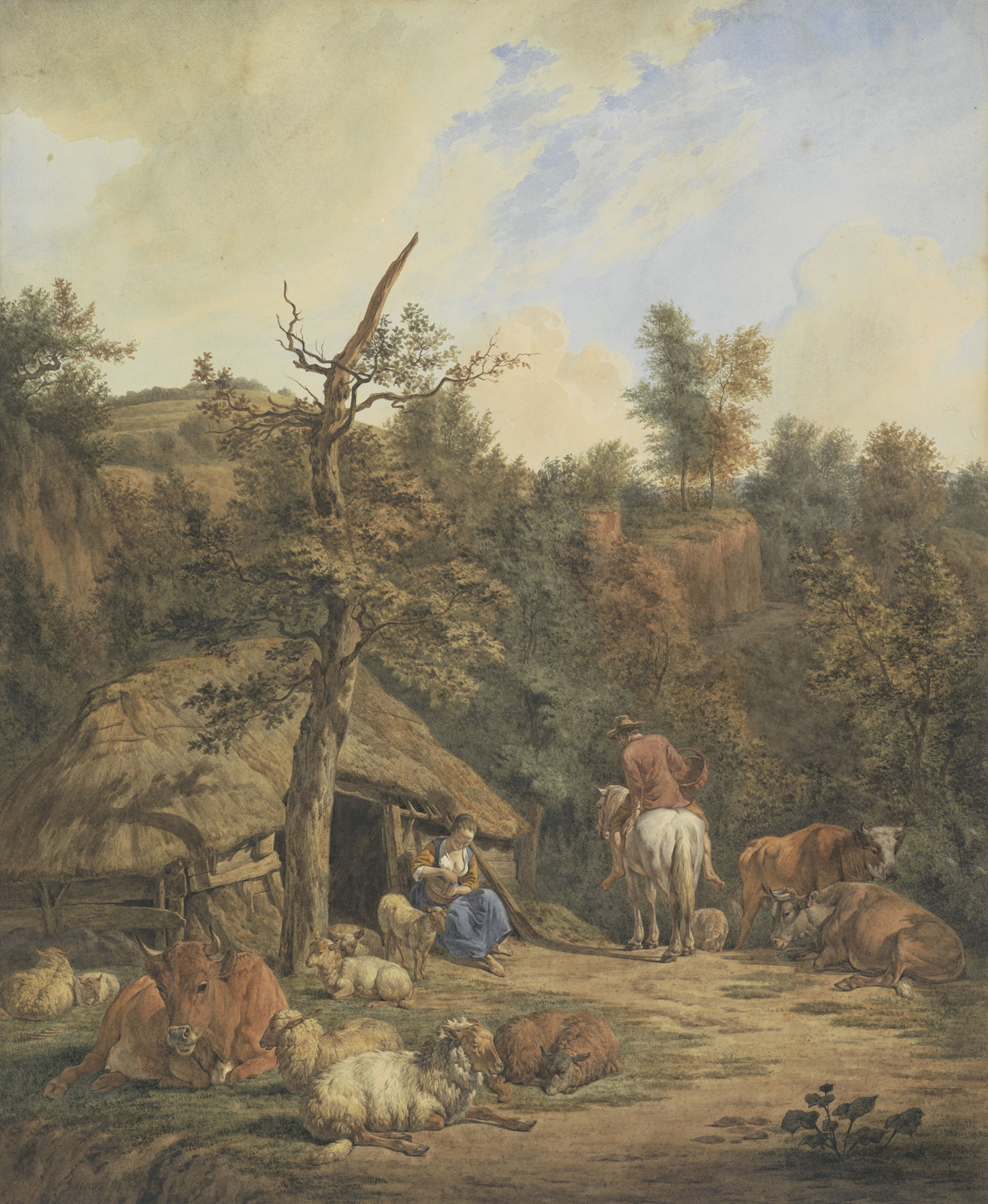
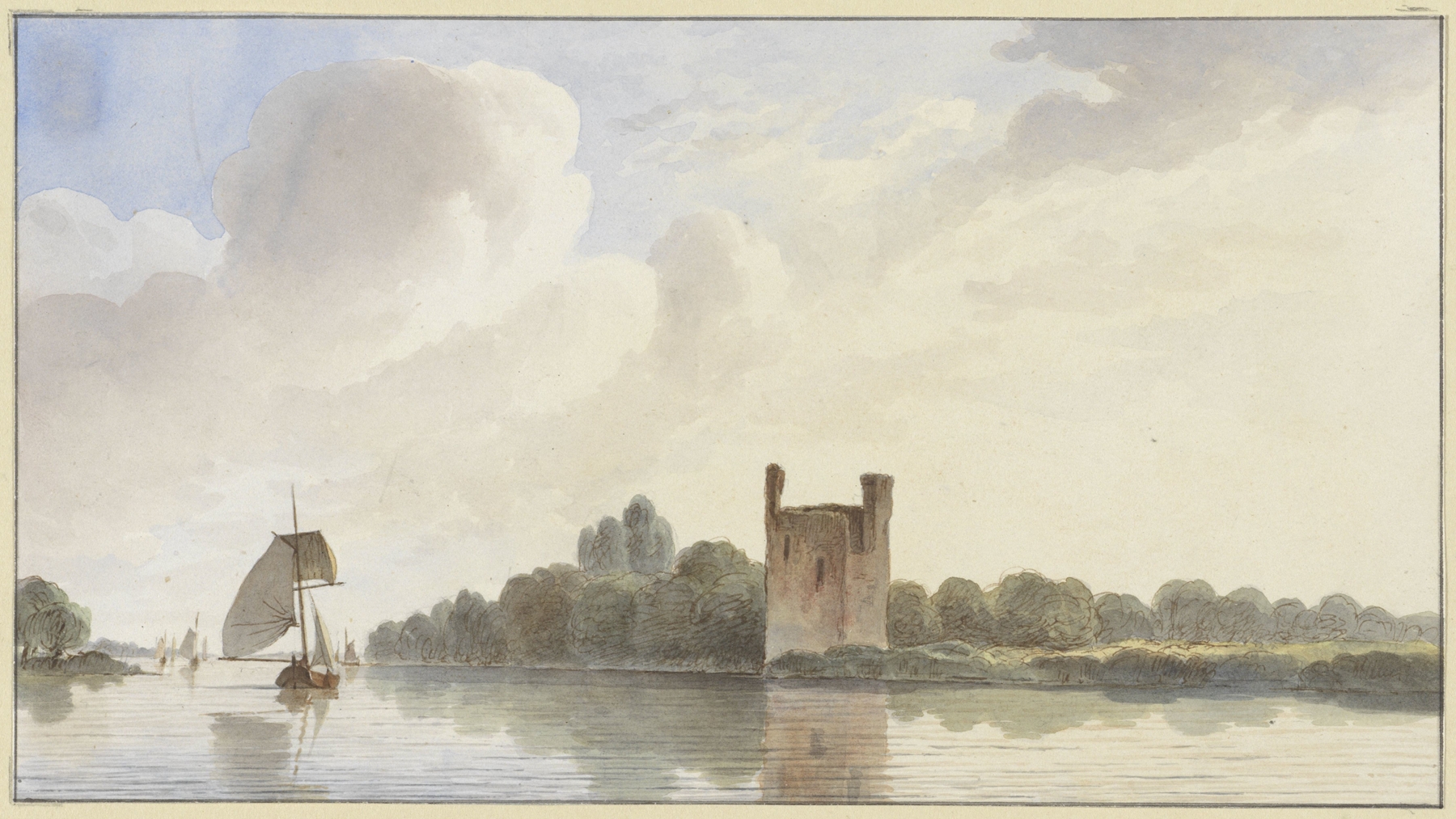
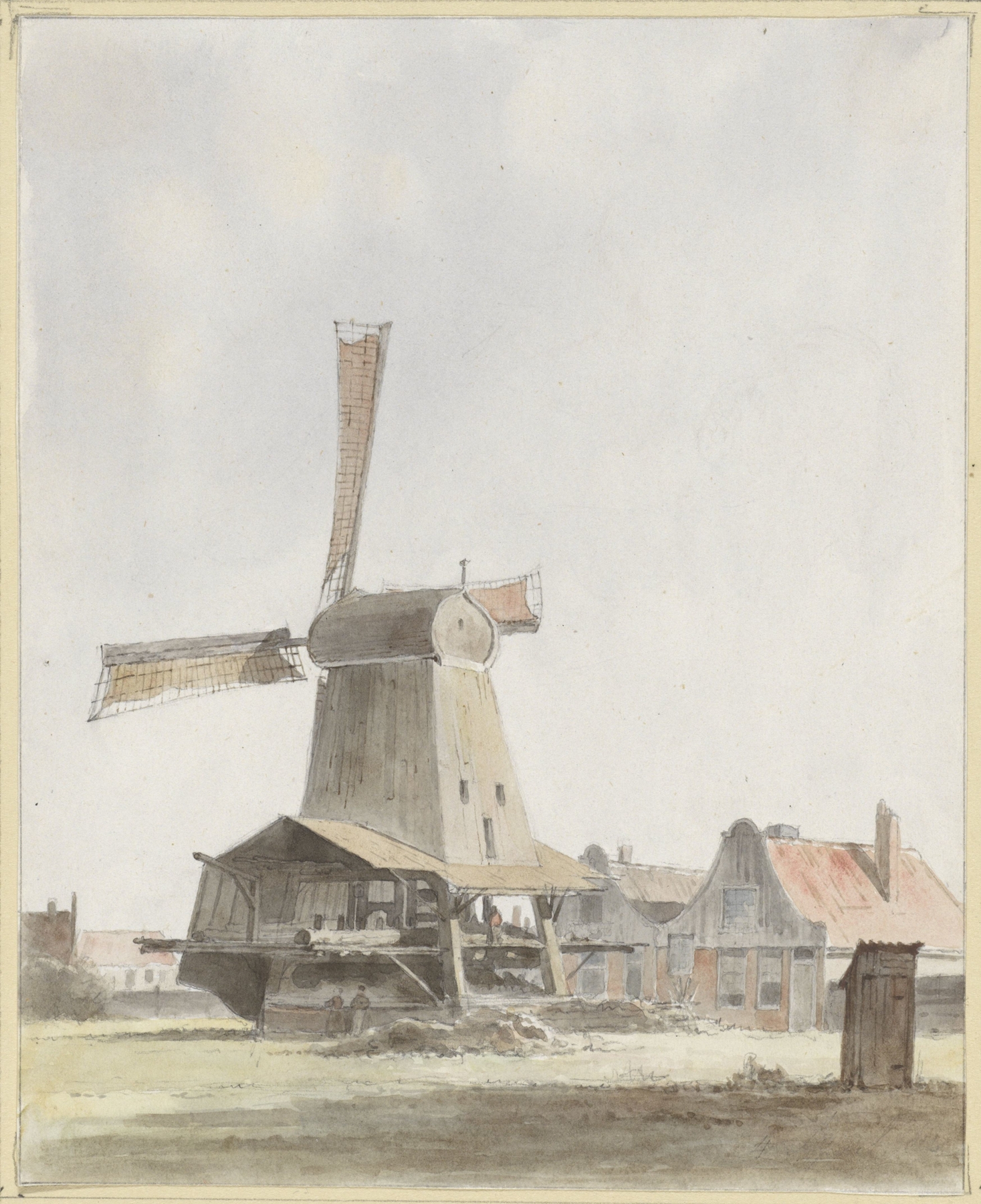
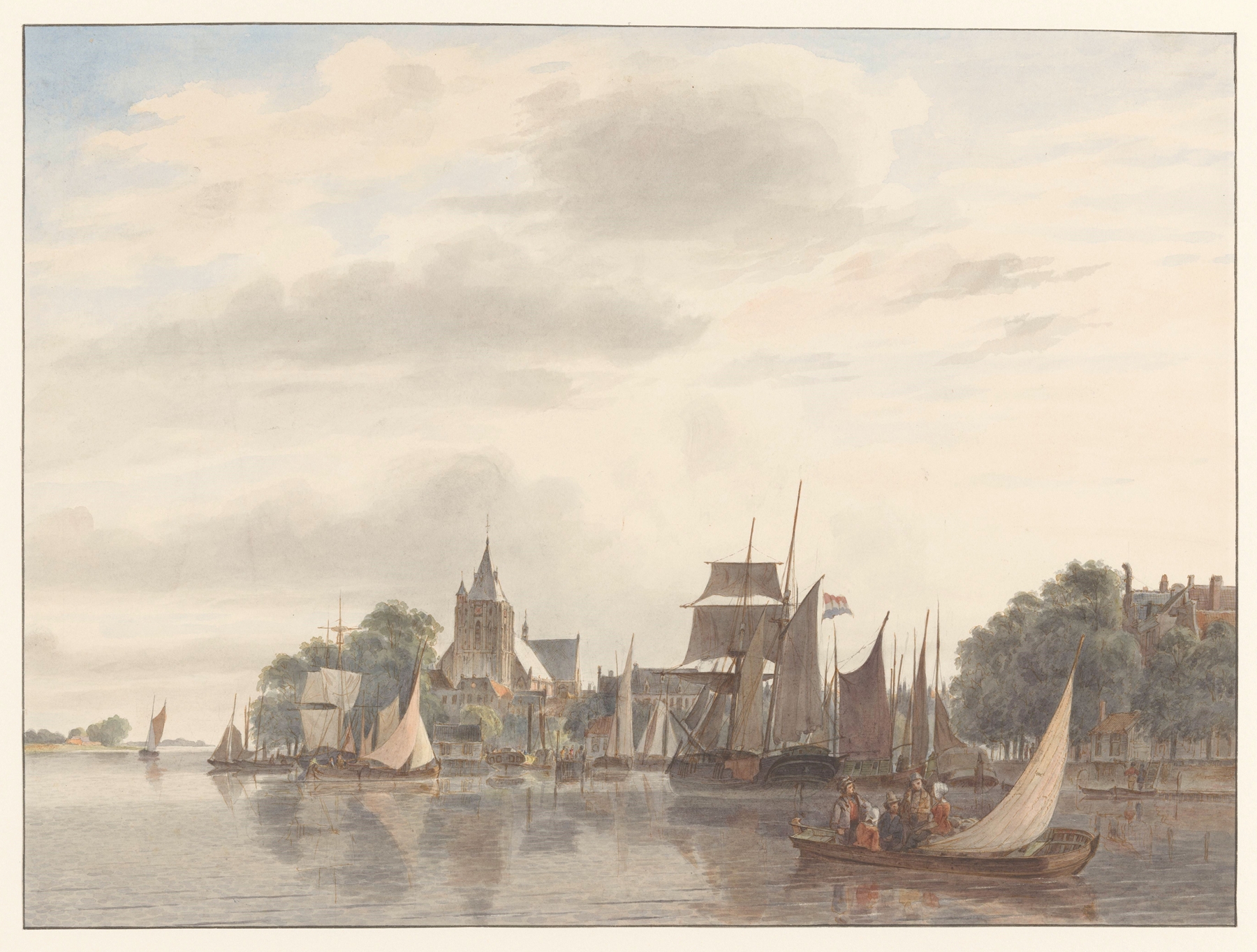
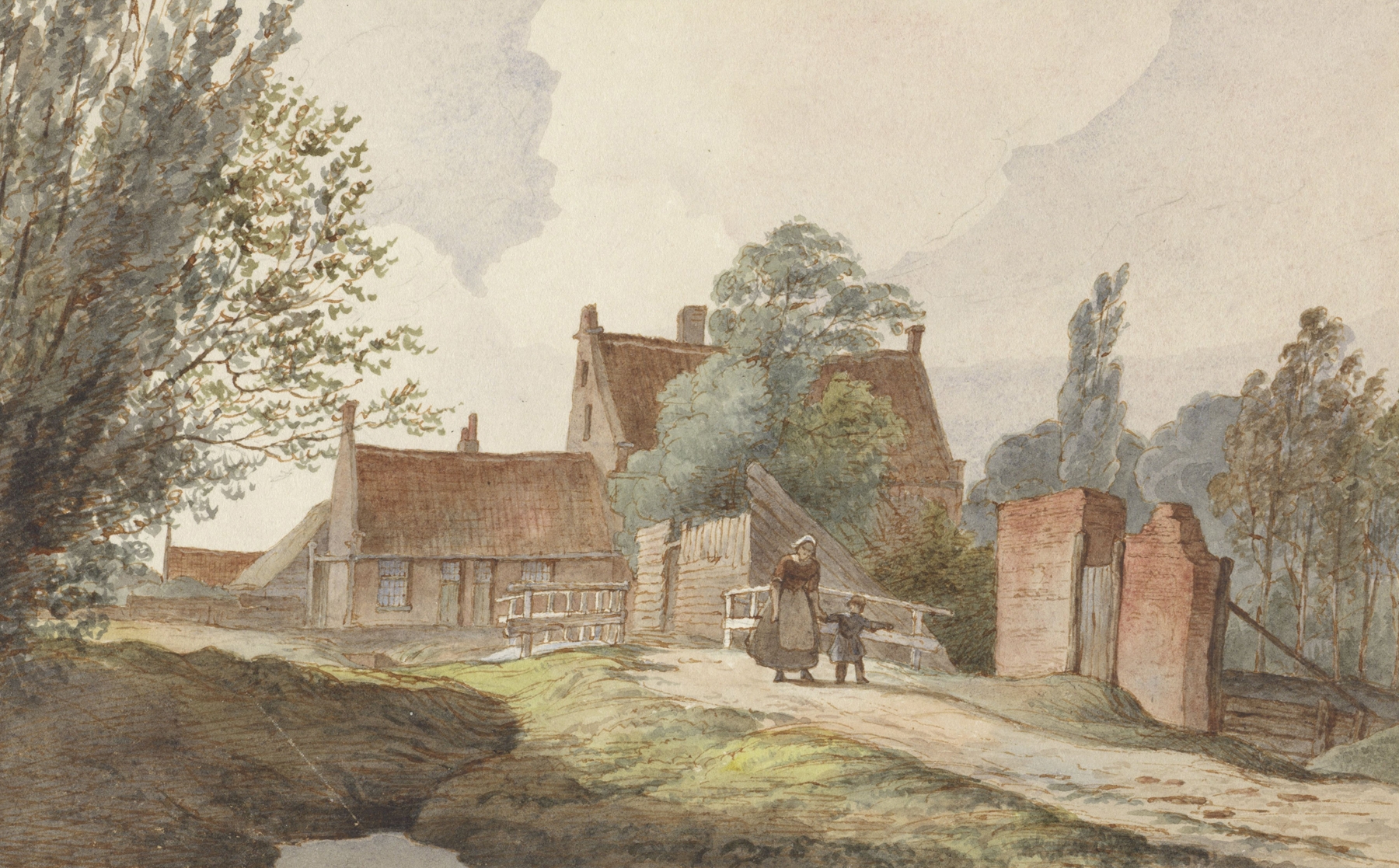
“Between color and silence, truth hides.” In the gentle embrace of twilight, the hues of grief permeate the landscape, revealing layers of emotion beneath the tranquil surface. The scene portrays a serene moment, yet it echoes with the bittersweet weight of nostalgia, inviting contemplation on what lies beyond the visible. Look to the right at the solitary windmill, its sails poised against a backdrop of muted sky. Notice how the soft brushstrokes blend shades of blue and gray, creating an atmosphere that feels both vibrant and subdued.
The wooden buildings, rendered with meticulous detail, stand guard beside the water’s edge, reflecting not only their physical forms but also an inner stillness that permeates the entire composition. The carefully arranged elements draw the viewer’s eye from the foreground to the horizon, creating a sense of depth that lingers long after the gaze has shifted. Hidden within the calm are subtle tensions; the juxtaposition of the lively windmill against the stillness of the water speaks to the duality of existence—movement amidst stagnant moments. The color palette, rich yet somber, conveys a sense of longing, perhaps a tribute to times lost, while the contrast between light and shadow invites viewers to confront their own reflections on grief and memory.
Each brushstroke seems to whisper stories of the past, urging us to explore the depth of our own emotions. In 1859, when this piece was created, Hendrik Abraham Klinkhamer was delving into the nuances of Dutch landscapes, capturing their essence during a time of shifting artistic paradigms. Living in the Netherlands, he found inspiration in both the beauty and the melancholic history of his surroundings, drawing upon the effects of industrialization on the pastoral scene. This work embodies a moment of introspection amidst broad changes, representing not just the physical landscape but the emotional landscapes within.