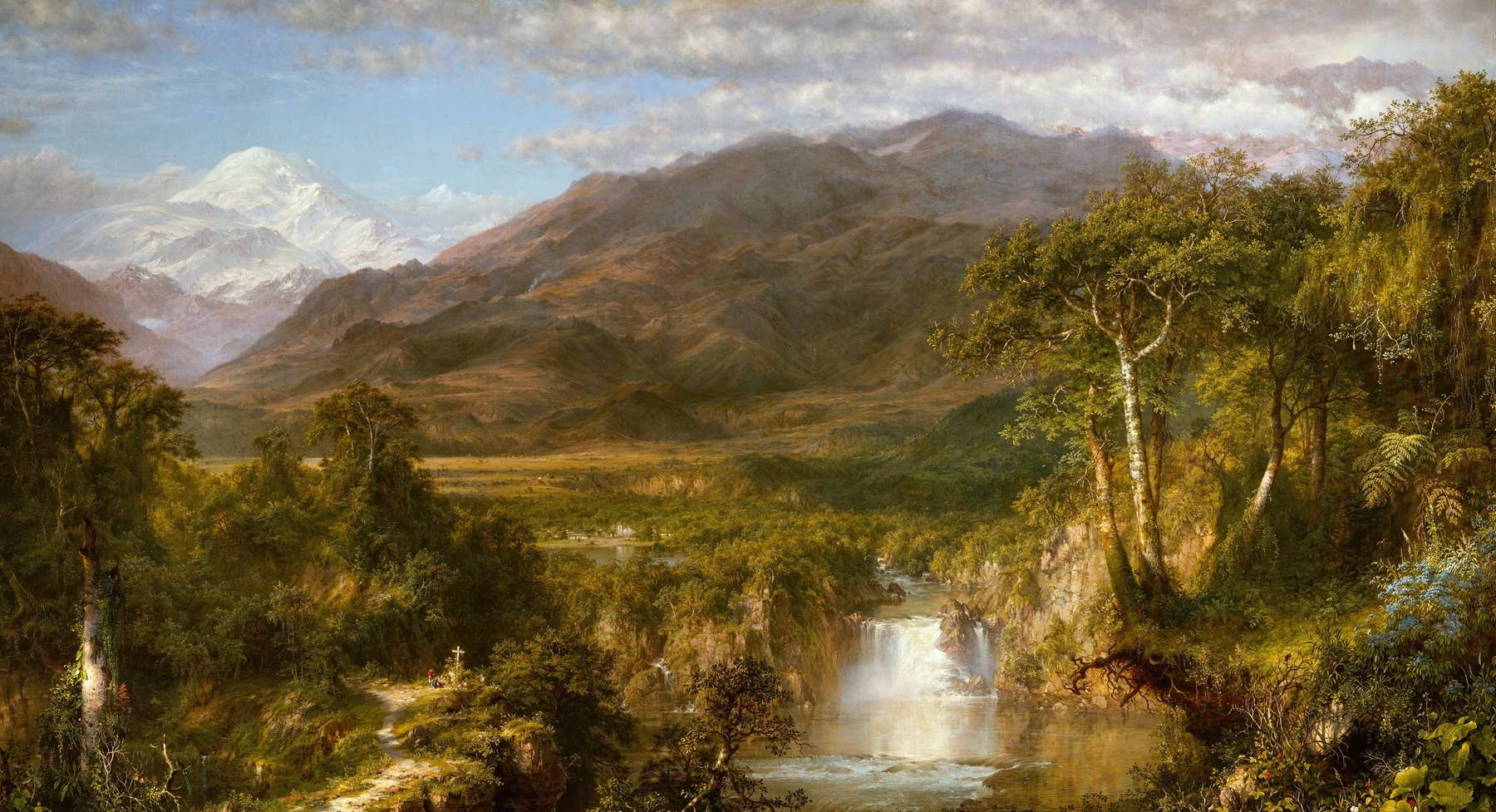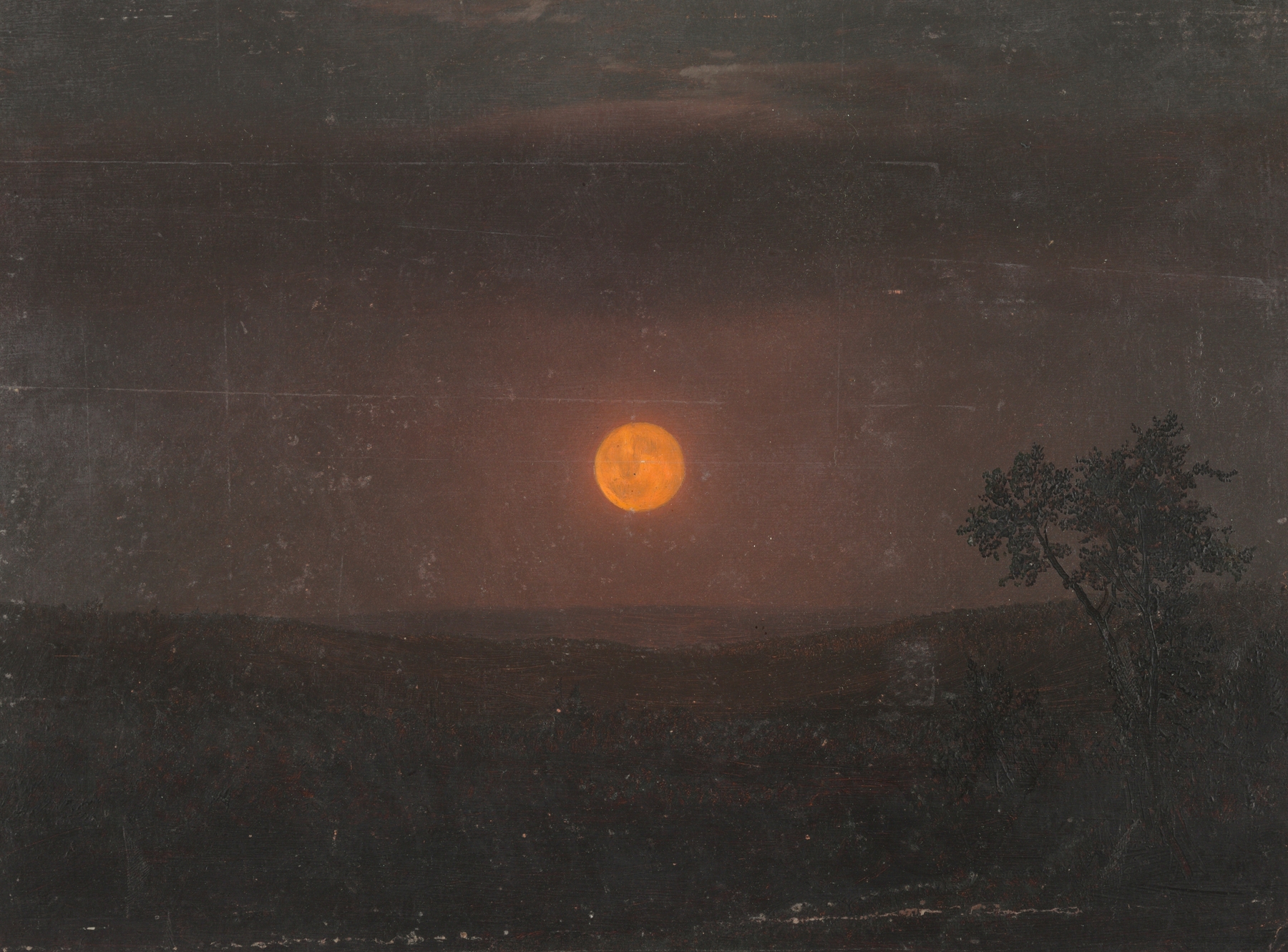
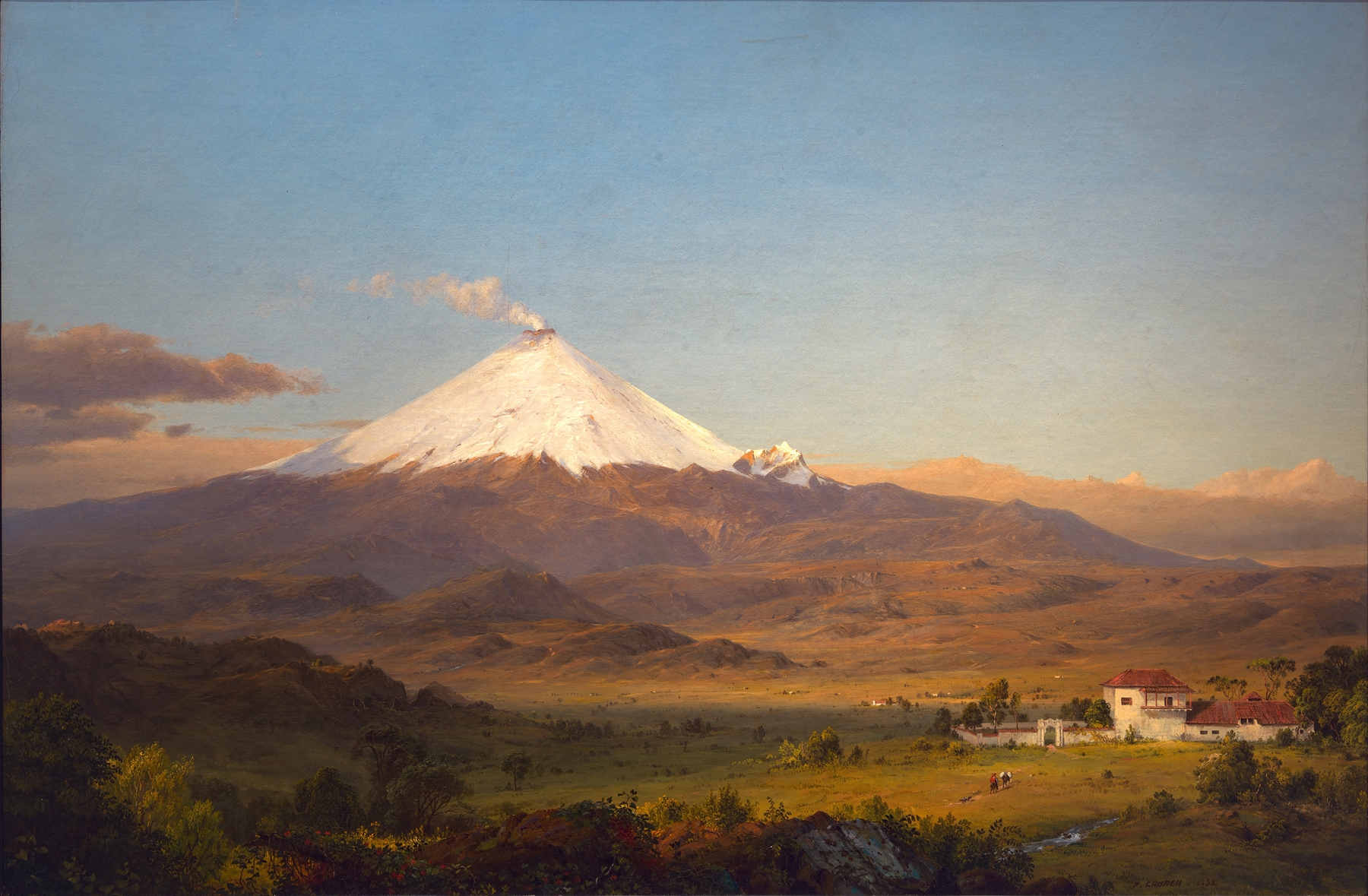
The canvas doesn’t lie — it simply waits. Beneath the silvery glow of the moon, a tranquil landscape beckons with an invitation to step into the stillness of night. Look to the foreground, where the soft undulations of the rolling hills cradle a serene farmhouse, cloaked in a gentle embrace of velvety shadows. The moonlight, ethereal and luminous, spills across the scene, illuminating the delicate contours of the land, while deep blues and soft grays weave a tapestry of tranquility. Notice how the light dances across the flora, each stroke of paint breathing life into the night, inviting reflection and contemplation. Hidden within this peaceful tableau is a complex interplay of presence and absence. The absence of figures heightens the sense of isolation, making the viewer acutely aware of their own solitude. Despite the calm, an undercurrent of longing lingers, an ache for connection with the natural and the divine. The moon, a symbol of transcendence, casts its glow not only on the earth but also upon the spirit, inviting us to ponder the mysteries that lie beyond the visible. Frederic Edwin Church painted this evocative work in 1865, during a period marked by personal and societal turmoil. Living and working in the Hudson River School tradition, he was influenced by Romanticism’s reverence for nature. This era saw a burgeoning interest in the sublime, as viewers sought solace and meaning in landscapes that reflected both beauty and the deep complexities of human experience.