Motif from Venice — History & Analysis
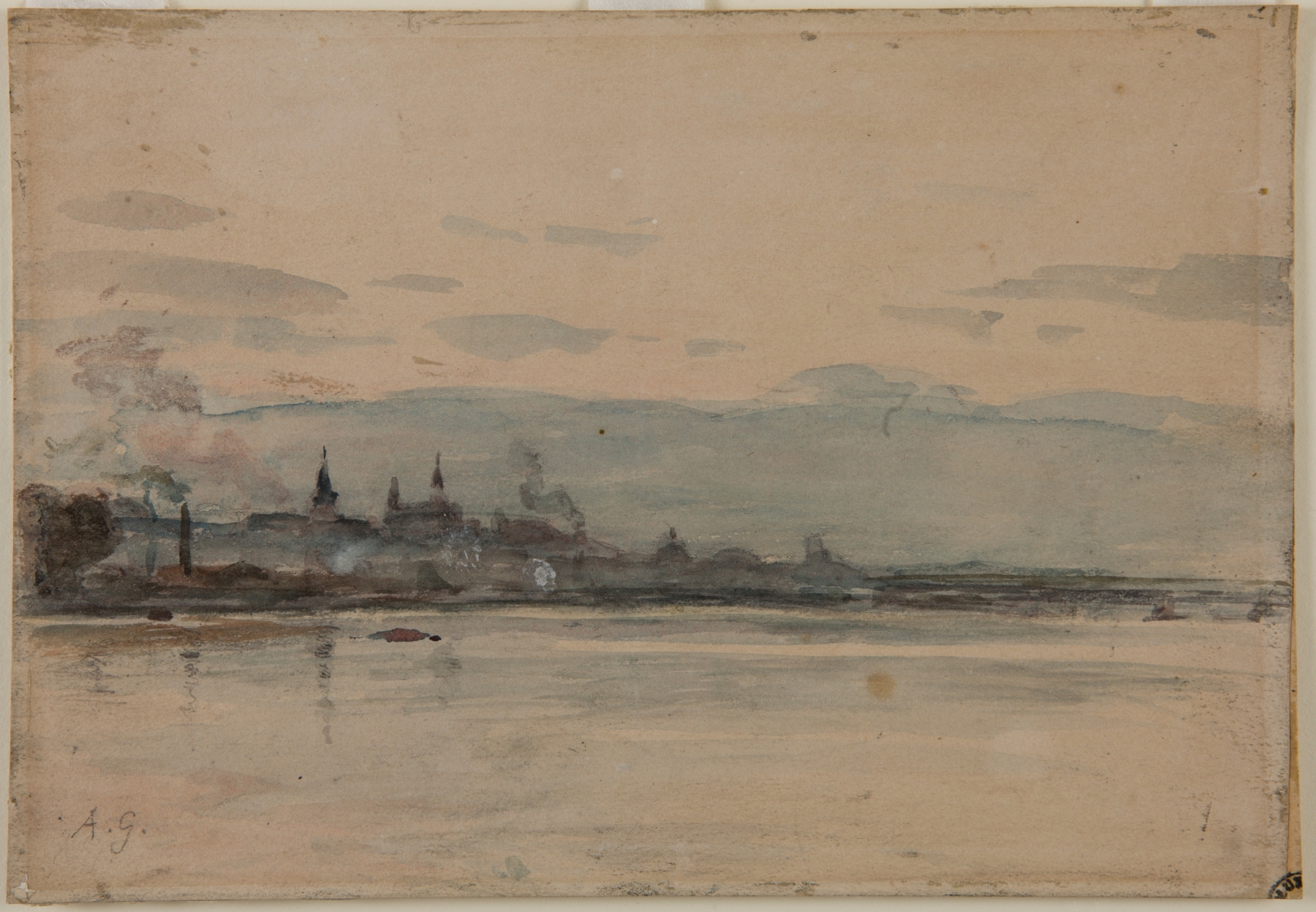
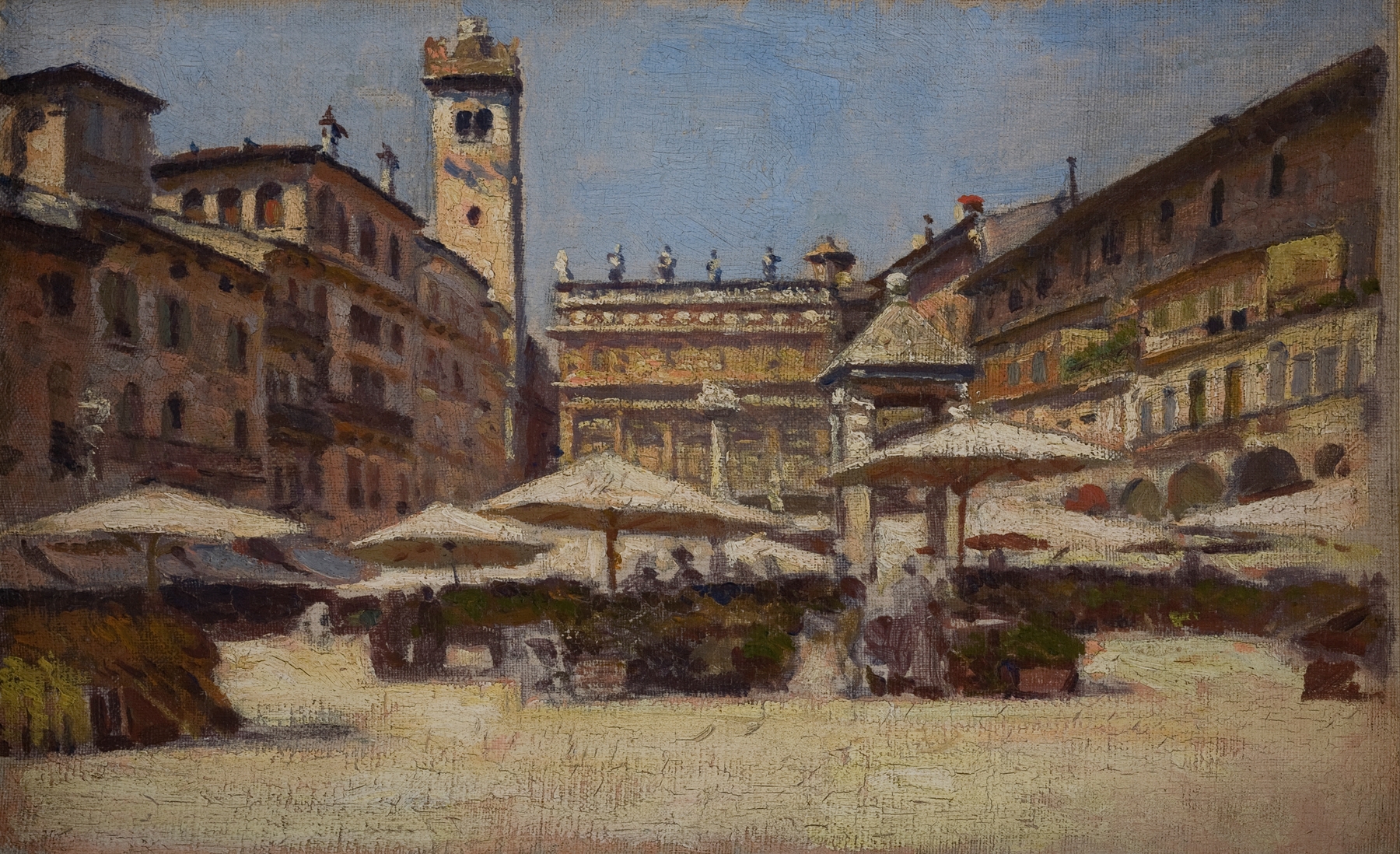
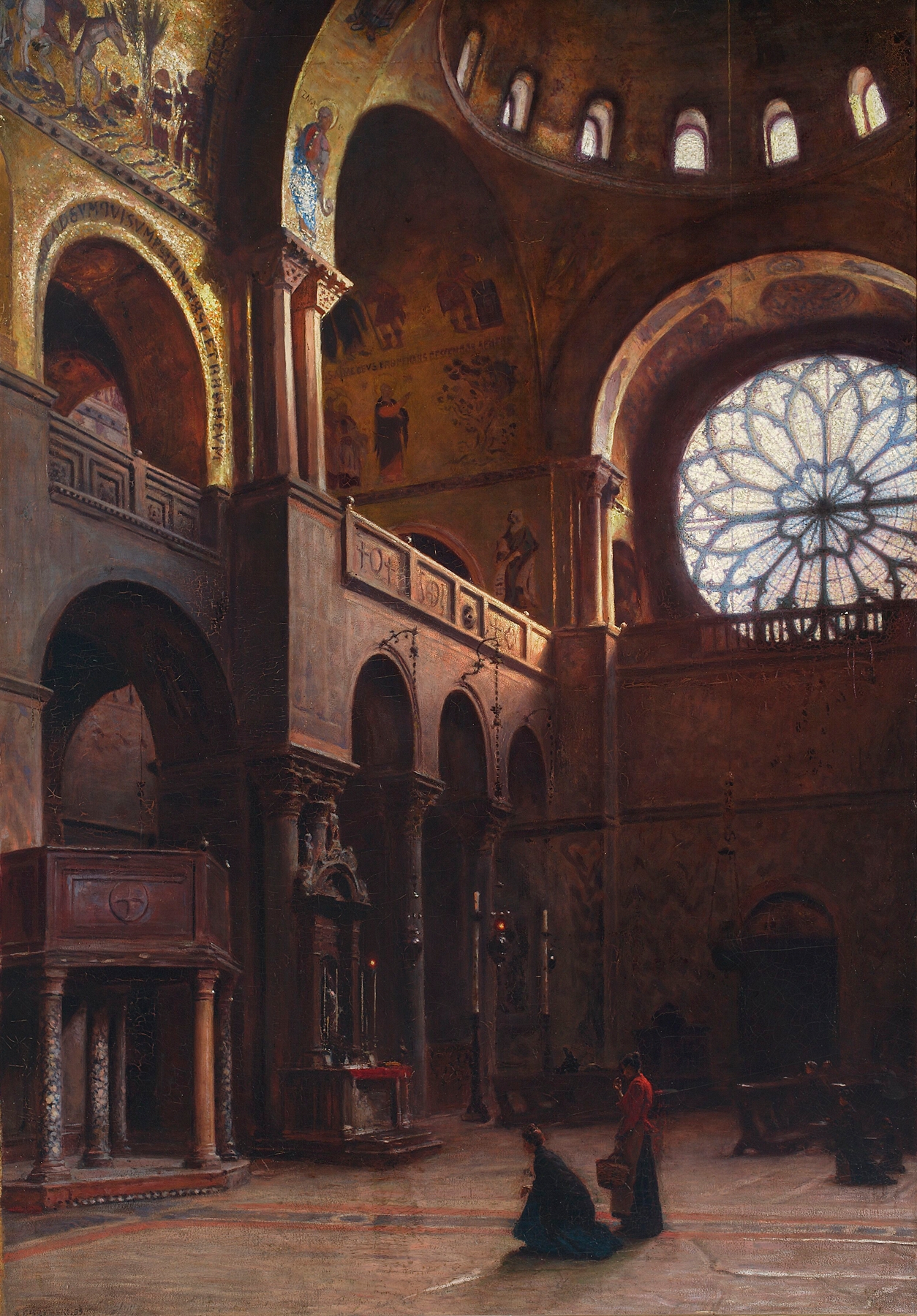
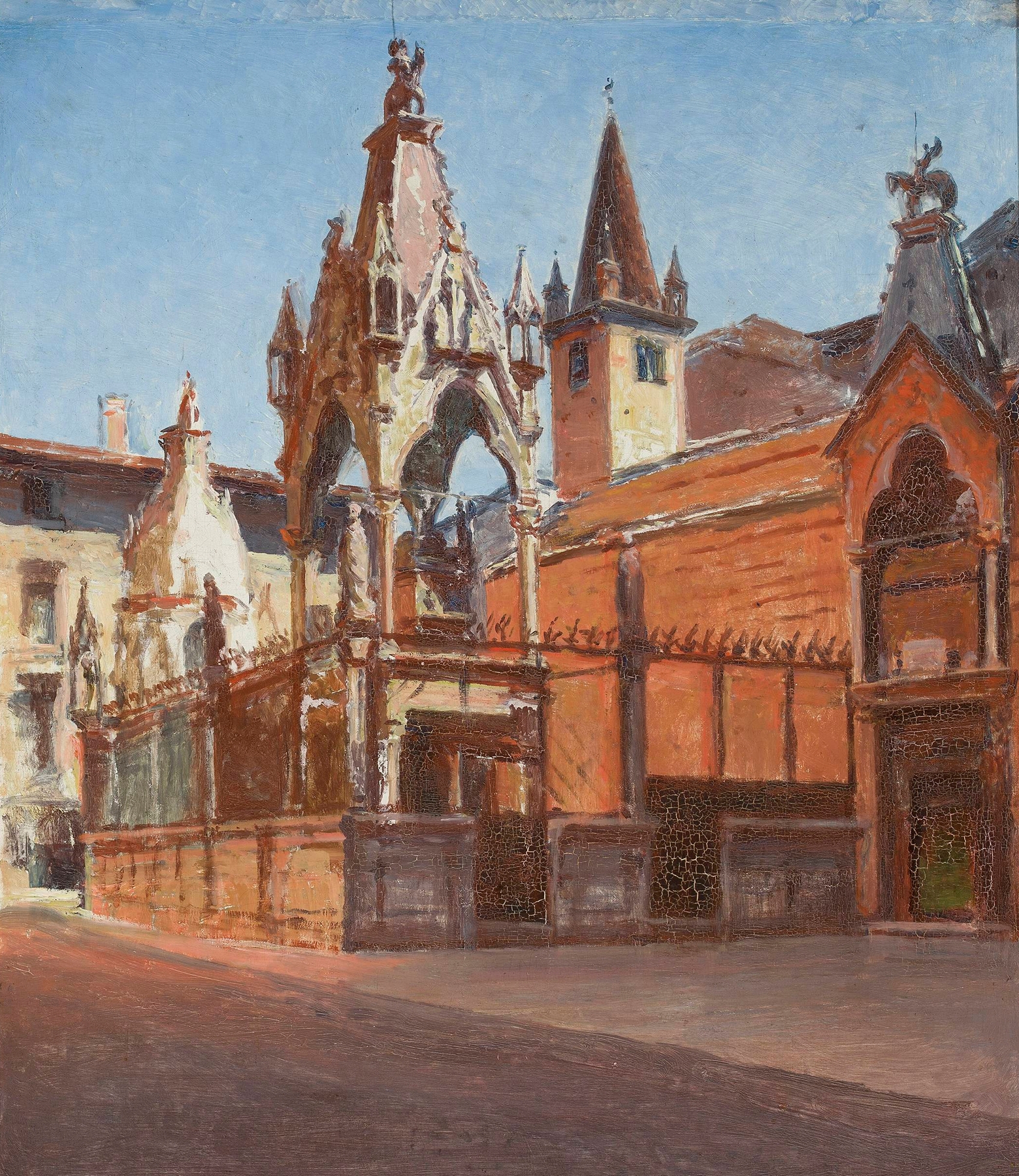
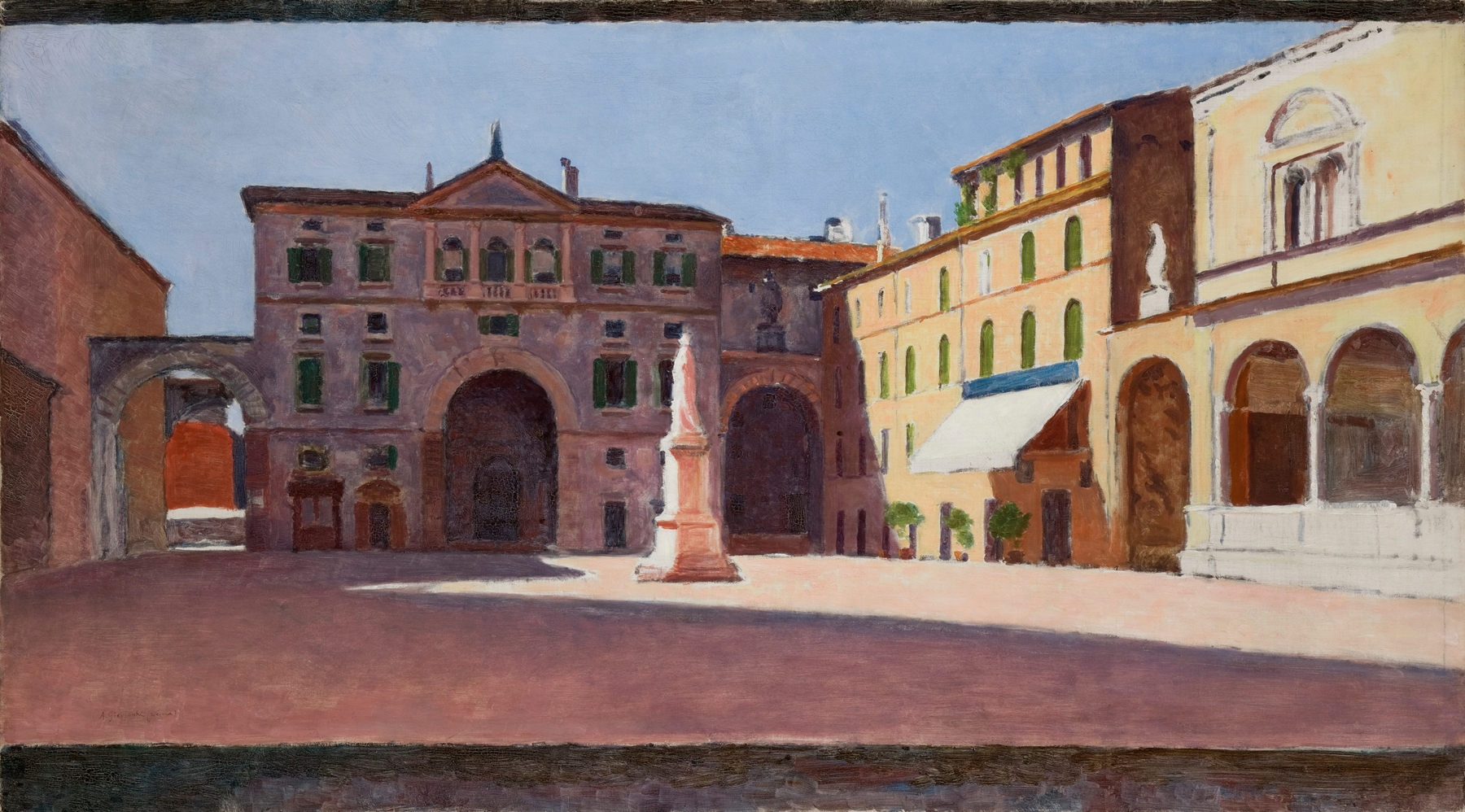
What if beauty was never meant to be finished? Just like the fleeting moments captured in the hearts of those who wander the enchanting canals of Venice, there is a legacy in Gierymski's Motif from Venice that speaks to the transient nature of art itself. Look to the left at the delicate interplay of light and shadow cast upon the shimmering water, where the reflections dance like whispers of a forgotten story. The composition draws the eye towards the soft, muted palette of blues and grays, creating a tranquil ambiance that invites contemplation.
Notice how the artist masterfully blends brushstrokes, allowing each layer to breathe and speak, as the ethereal scenery comes to life in a gentle embrace. Beneath the surface, there exists a poignant dialogue between the natural beauty of the landscape and the ephemeral quality of memory. The soft edges of the architecture hint at the passage of time, while the stillness of the water encapsulates the weight of nostalgia. The delicate balance between light and dark mirrors the tension between permanence and transience, suggesting that even the most beautiful moments are fleeting and incomplete.
In 1897, when this piece was created, Gierymski found himself in a period of deep introspection amid the rise of modernism in the art world. Living in Paris while frequently visiting Venice, he sought to merge the romanticism of the past with a new vision of reality. This painting reflects his quest to capture the essence of beauty in a world rapidly shifting towards the contemporary, cementing his legacy as an artist attuned to the pulse of both time and emotion.