Mount Katahdin from Lake Katahdin, Maine — History & Analysis
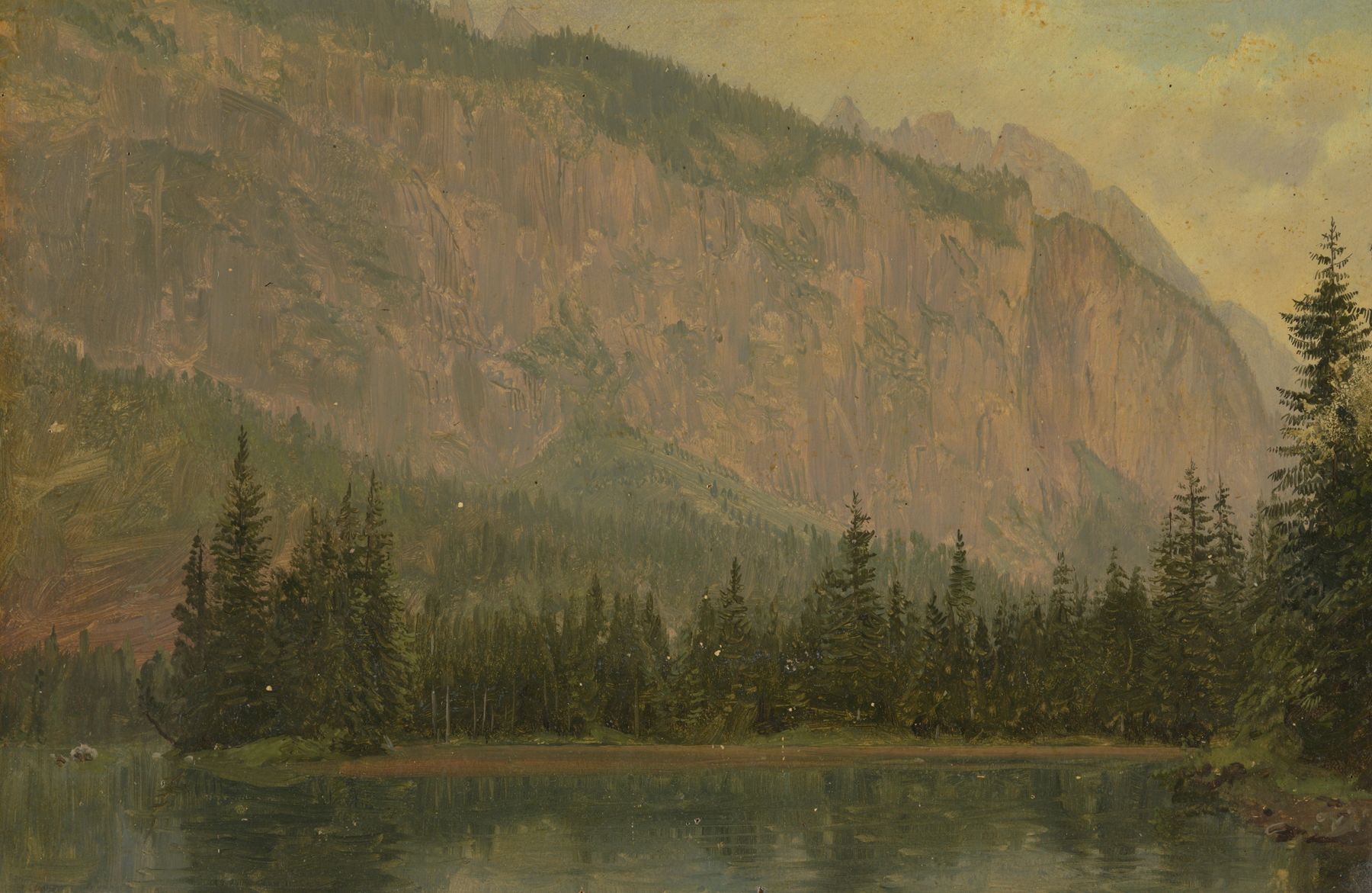
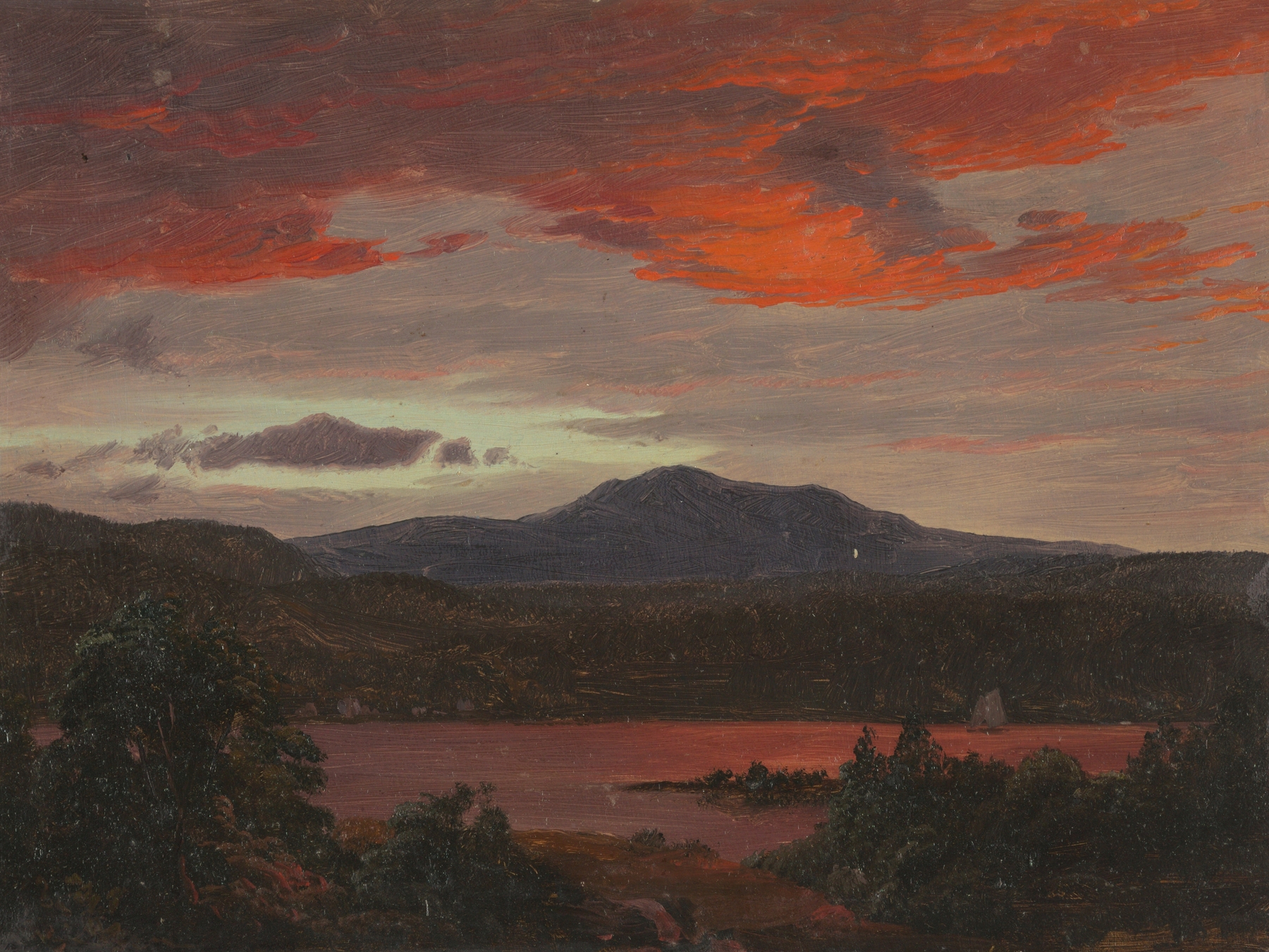
“The canvas doesn’t lie — it simply waits.” In the stillness of nature, where mountains meet sky and water reflects both beauty and desolation, there lies an undeniable yearning for serenity. Look to the foreground at the shimmering surface of Lake Katahdin, where ripples playfully dance under the gentle caress of sunlight. The dark hues of the water contrast with the vibrant greens and warm browns of the rugged landscape, guiding your gaze upward. As you rise to the imposing silhouette of Mount Katahdin, notice how the artist’s delicate brushwork captures both the grandeur of the mountain and the intricate details within the foliage, creating a harmonious relationship between earth and sky. Delve deeper into the painting and consider the emotional undercurrents. The juxtaposition of the tranquil lake against the majestic, unyielding peak evokes a sense of longing — a desire to connect with nature’s vastness while also feeling its overwhelming presence. The interplay of light and shadow creates a dynamic tension that speaks to both the beauty and the trepidation of exploring such wild landscapes. It serves as a reminder of nature’s power, drawing viewers into a contemplative reverie. In 1853, Frederic Edwin Church painted this scene amid the burgeoning Hudson River School movement, which celebrated the American landscape. Painted during a time of personal and artistic growth, Church was exploring his own relationship with nature, reflecting the era's fascination with the sublime and the unknown. The work encapsulates not only a geographic location but also the evolving identity of America itself, caught between its vast wilderness and the encroaching tide of civilization.