Mountain Farm — History & Analysis
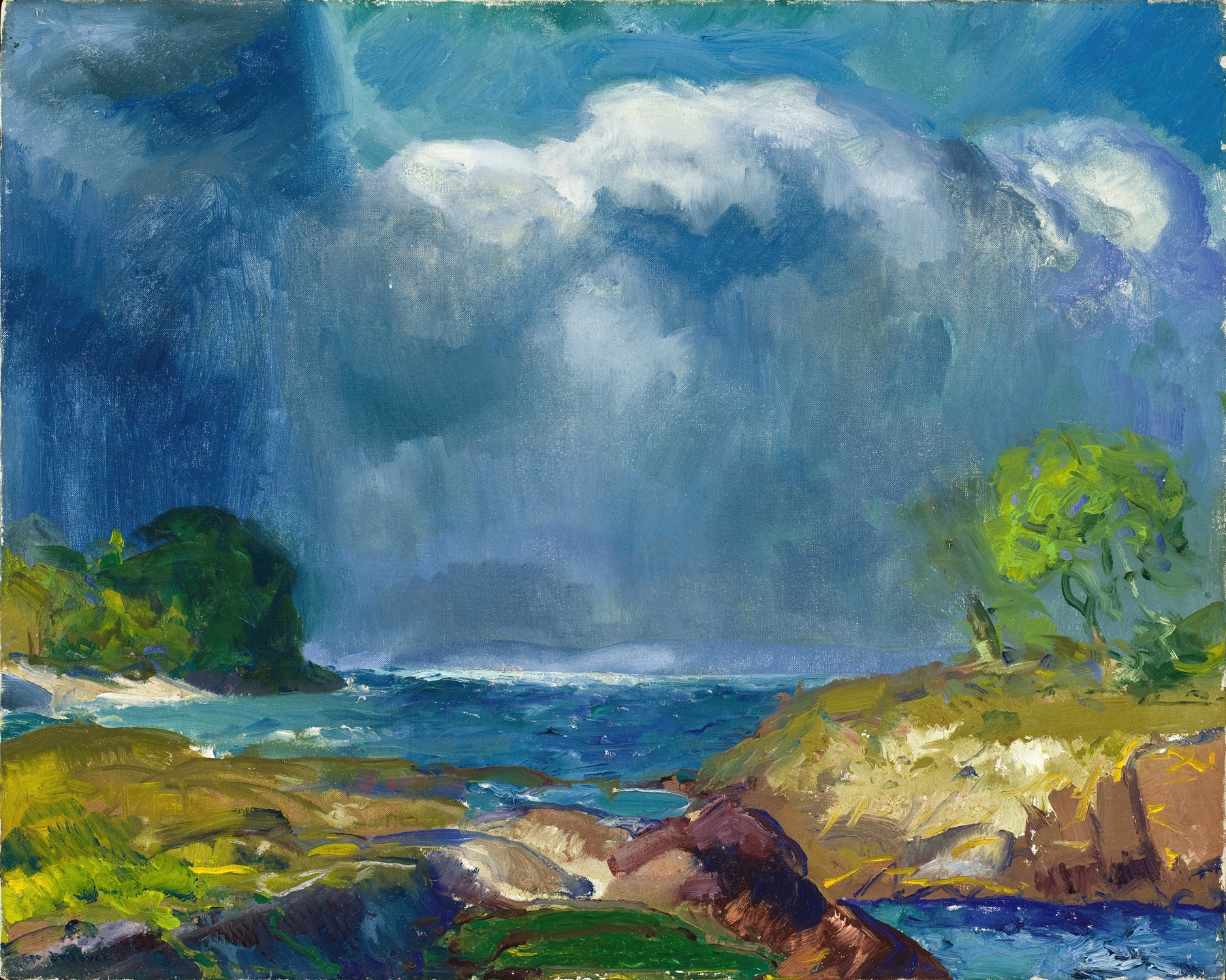
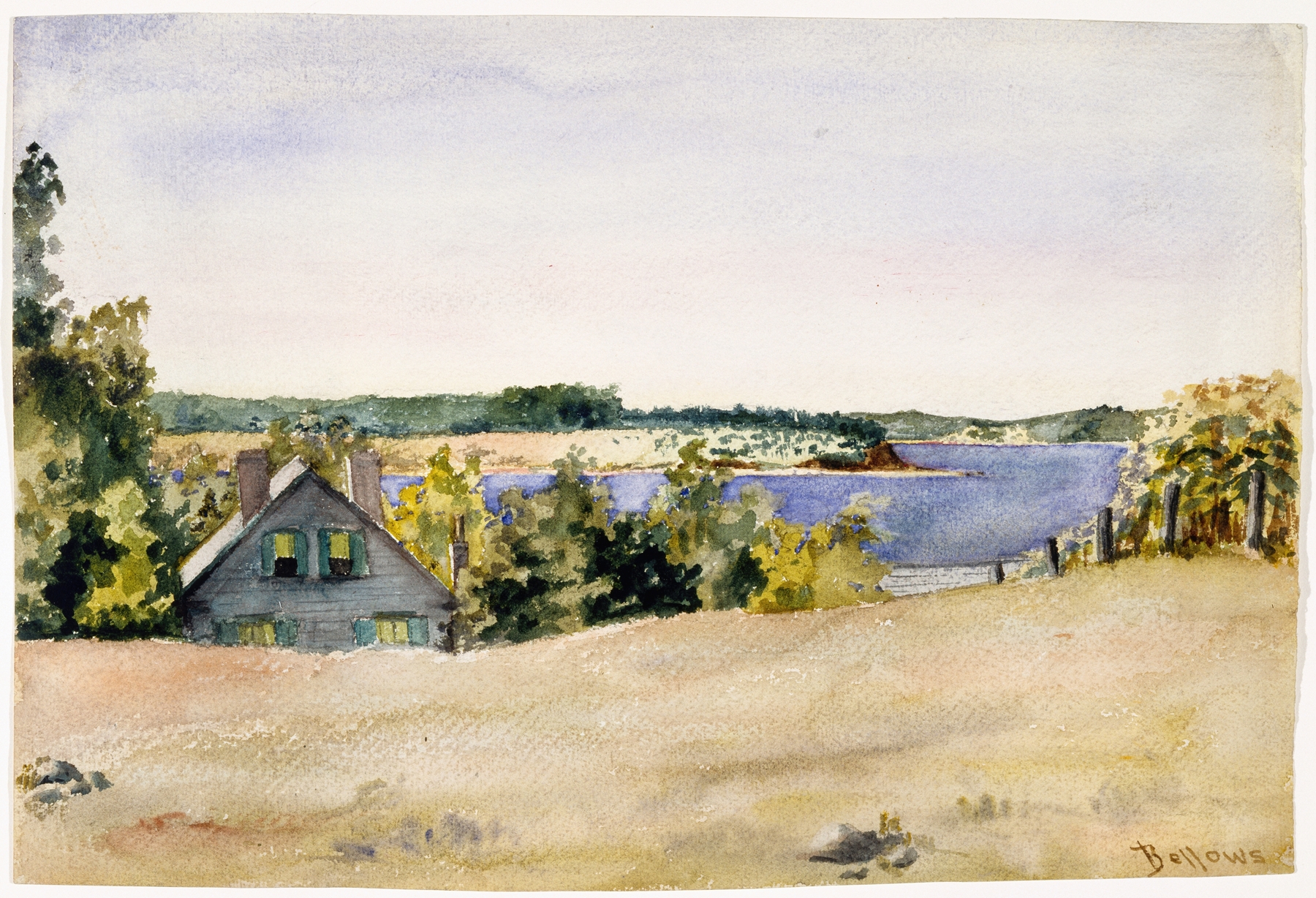
Did the painter know this moment would outlive them? Within the quietude of a mountain farm, a life suspended in time unfolds, each brushstroke echoing a yearning for permanence amidst the transient hum of existence. Focus on the foreground where the simple farmhouse stands, its weathered facade bathed in soft, golden light. This warmth contrasts starkly with the cool, shadowy mountains looming in the background.
Notice how the artist's loose brushwork captures the texture of the land, evoking a sense of both ruggedness and tranquility. The earthy palette of ochres and greens draws the viewer’s eye towards the delicate interplay of light and shadow, inviting contemplation of the passage of time. Yet, beneath the serene surface lies a poignant tension. The farm's isolation speaks of solitude—a reflection of a longing for connection in an expansive world.
The mountains, both majestic and imposing, symbolize nature's grandeur, reminding us of our smallness. In their steadfast presence, there is an implicit understanding of life’s impermanence, a reminder that every moment, even in its simplicity, holds a universe of emotions. In 1922, during a time of great social and artistic change in America, the artist found himself in a reflective phase, living in New York City yet drawn to the landscapes that spoke of authenticity and continuity. Post-World War I America was grappling with its identity, and in Mountain Farm, he sought to portray not just a scene, but the essence of yearning—a subconscious echo of a world in flux.