Mountainous Landscape in Egypt — History & Analysis
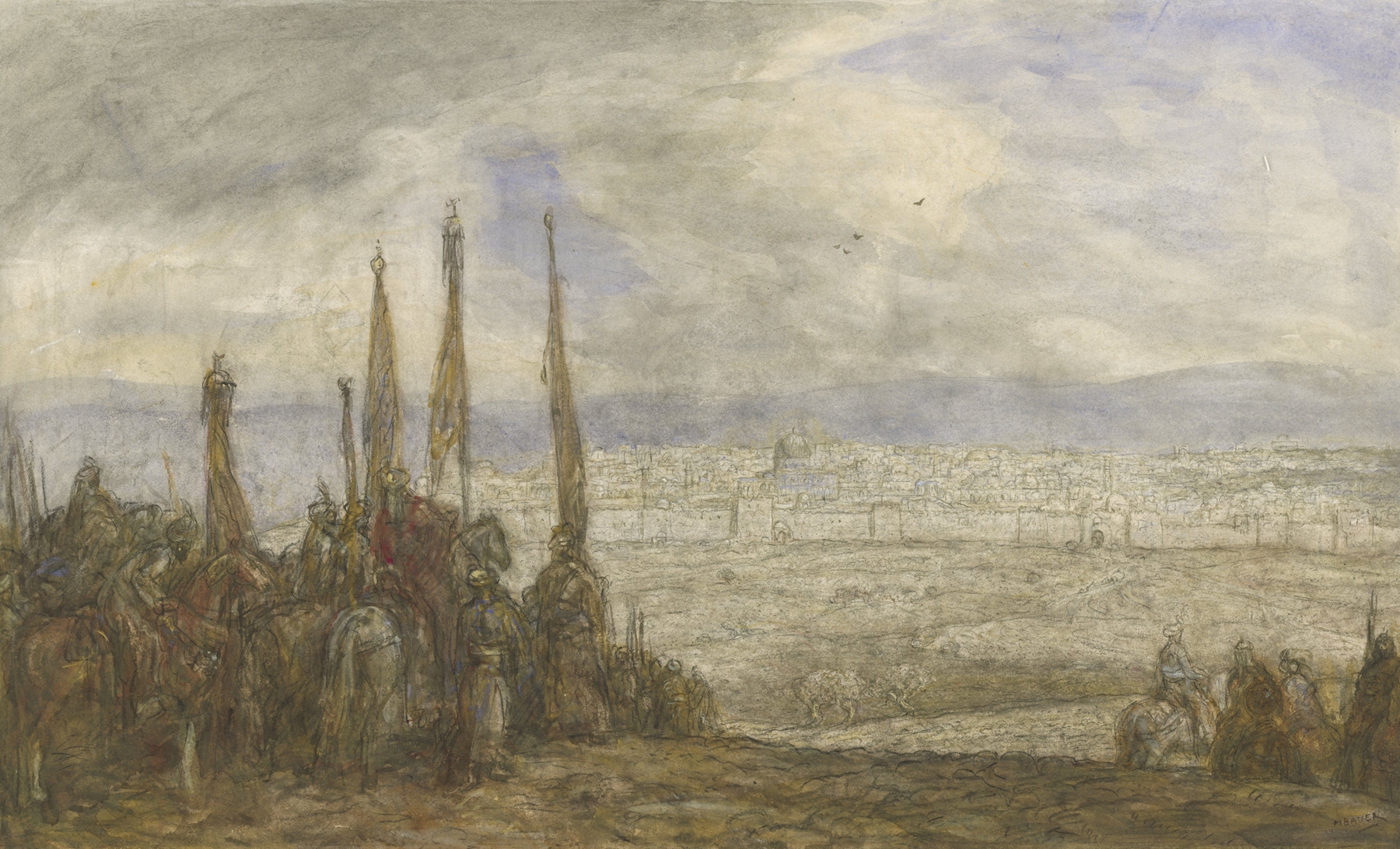
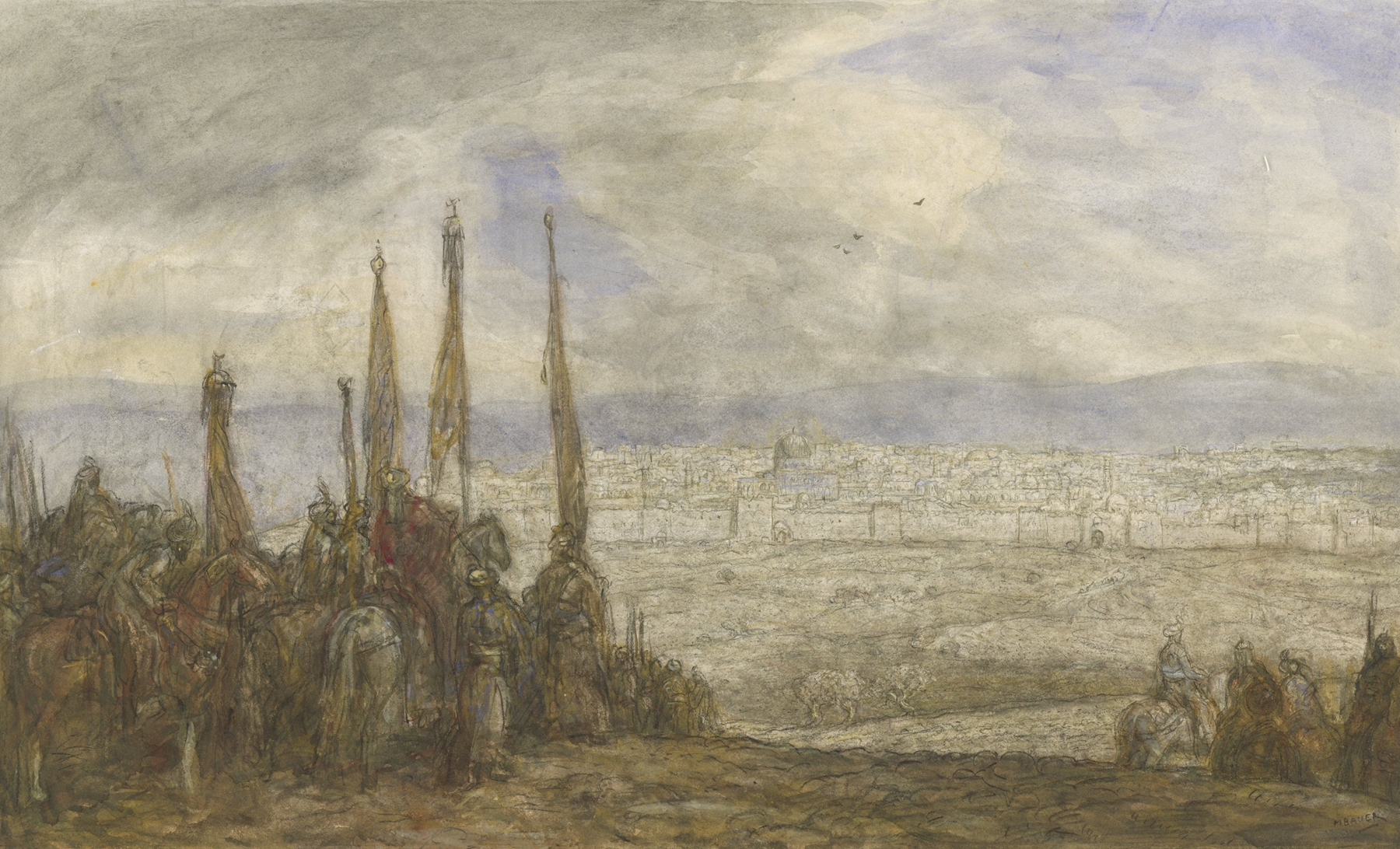
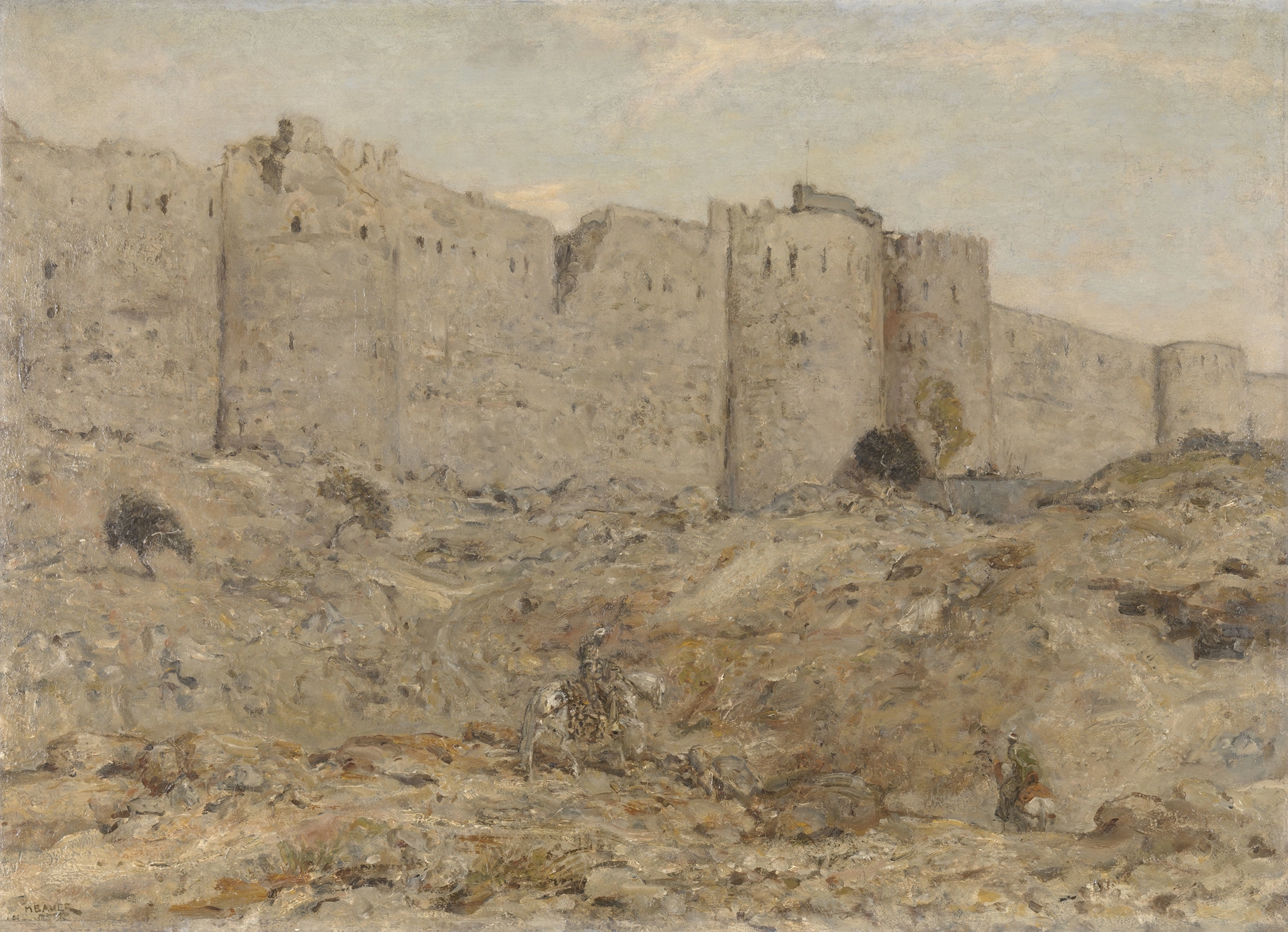
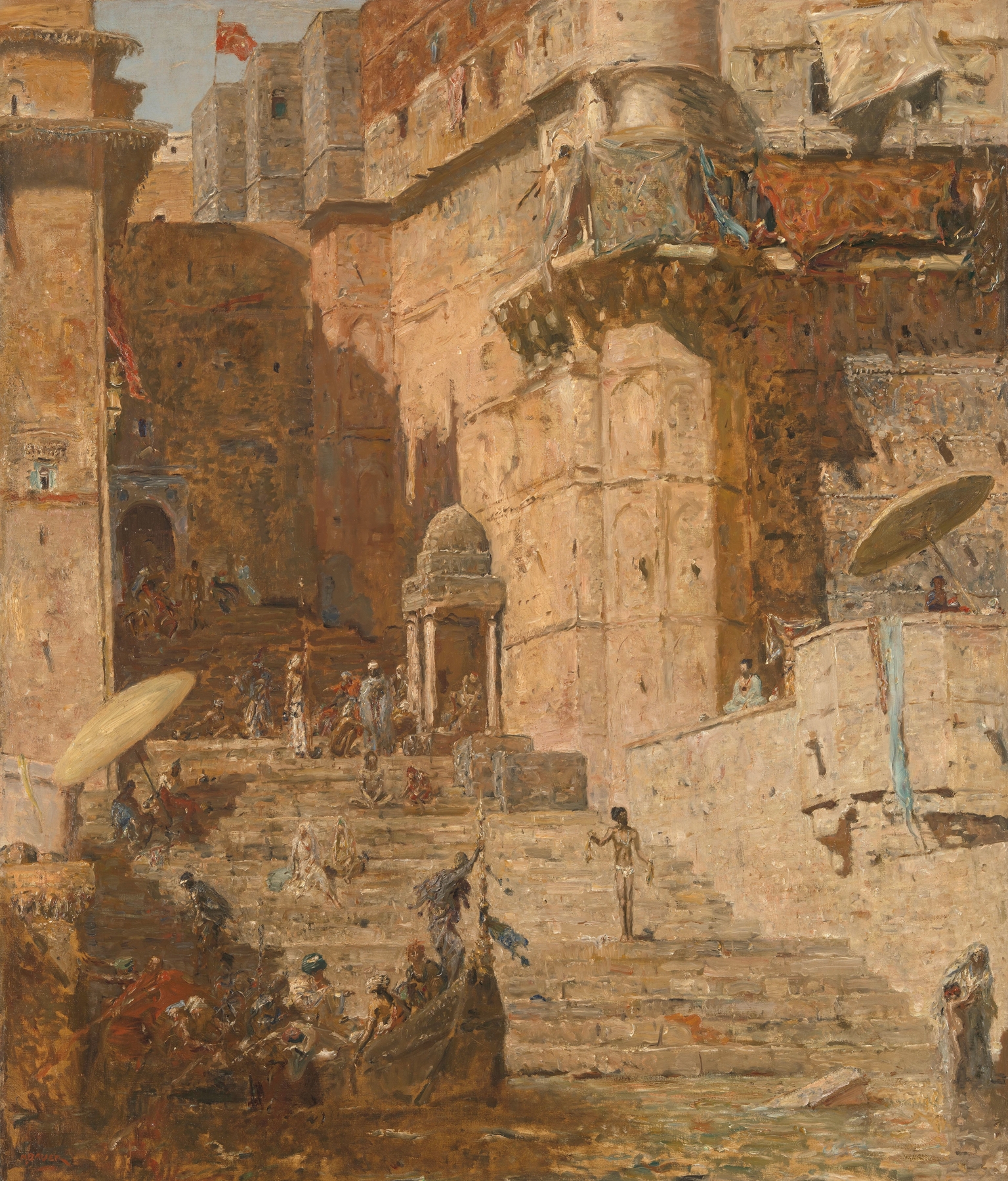
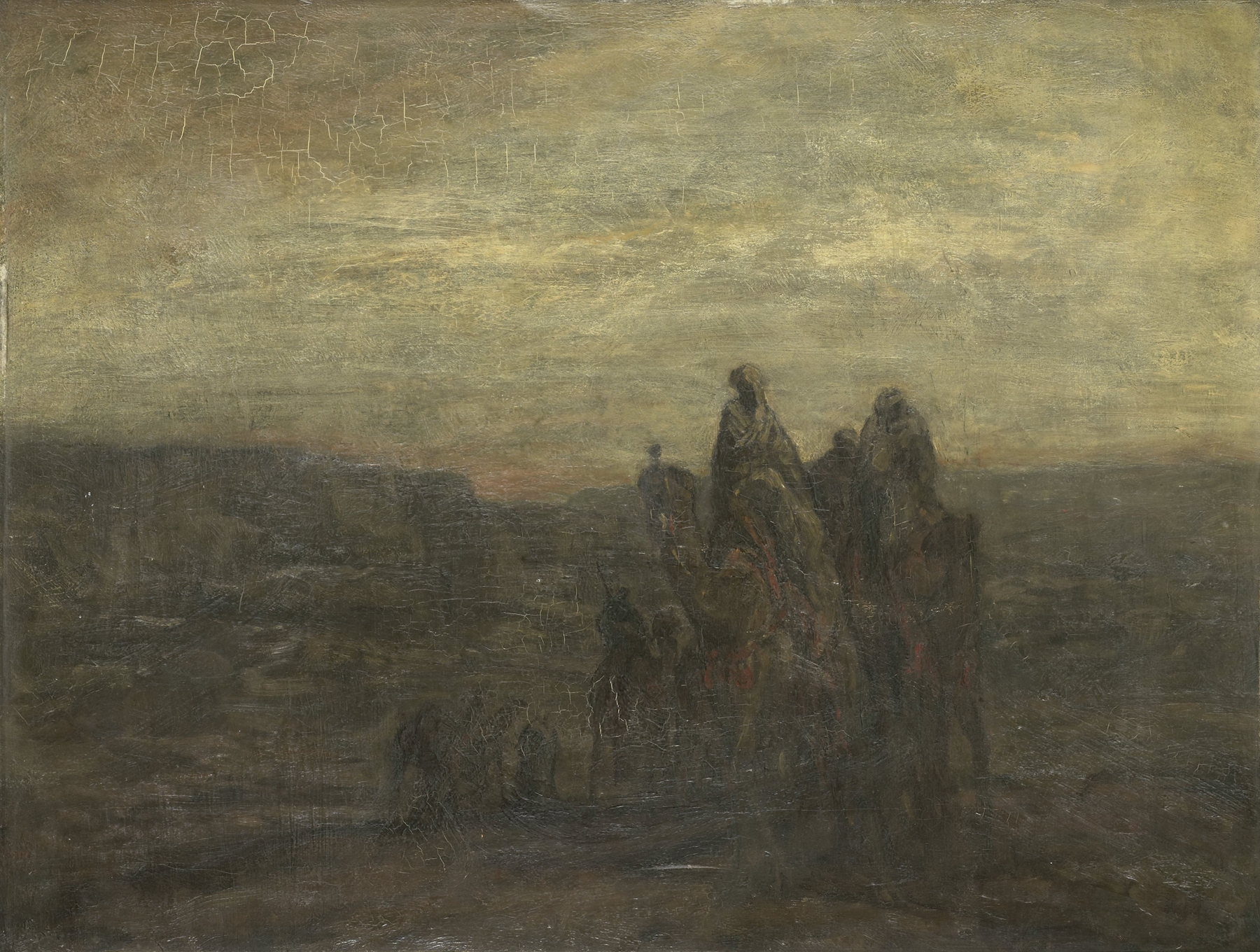
“Under the brush, chaos becomes grace.” The act of painting can transform the tumult of the mind into serene vistas, where madness itself finds its purpose. Look to the horizon where jagged peaks pierce a sky suffused with warm, golden hues. The sweeping lines of the mountains are a tumultuous dance, drawing the viewer's eye to the interplay of shadow and light that defines this landscape. Deep ochres and burnt siennas dominate the earth, harmonizing with soft azure at the summit, evoking a sense of both majesty and turmoil.
Every brushstroke seems deliberate yet spontaneous, encapsulating the wild duality of nature. Within the composition, contrast reigns supreme. The rugged terrain challenges the tranquil sky, reflecting a tension that speaks to the artist's inner struggles. Hidden within the curves and crevices of the mountains are whispers of chaos—an emotional undercurrent that suggests the relentless battle between madness and clarity.
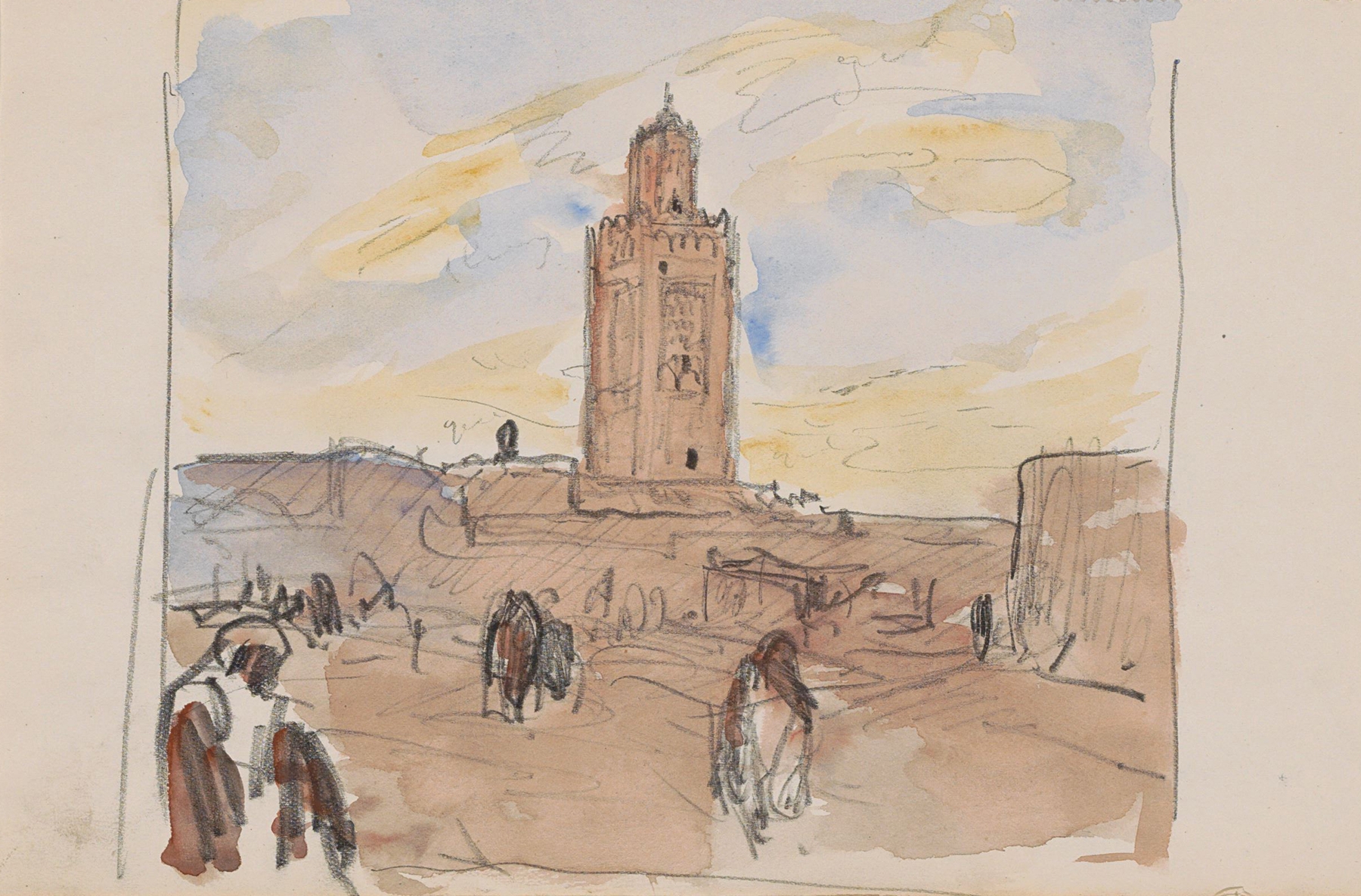
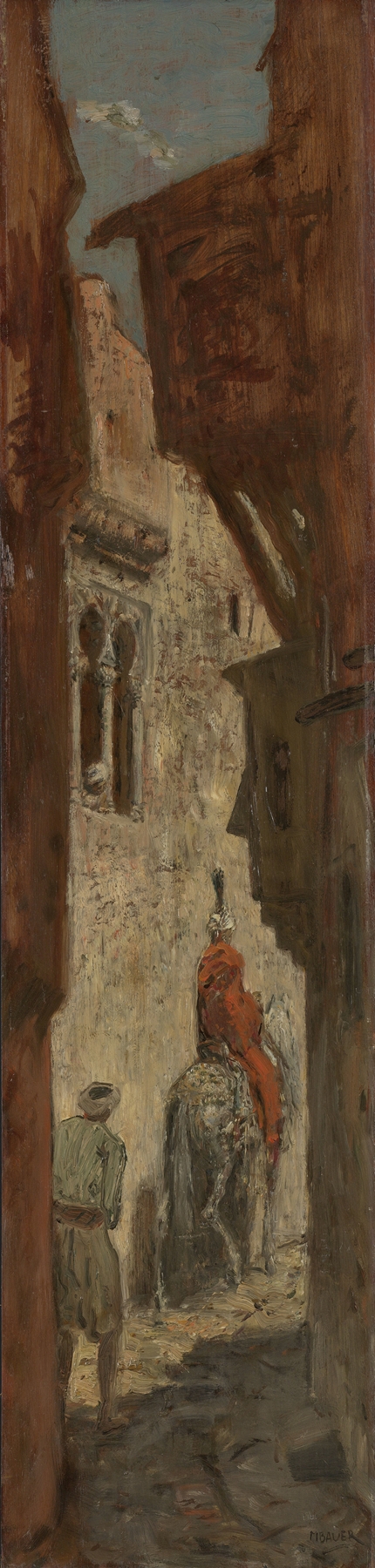
Each stroke tells a story, hinting at the artist's yearning for both grounding and liberation, creating a complex dialogue between the viewer and the landscape. During the years spanning 1880 to 1922, the artist found himself navigating the vibrant yet tumultuous art world of Europe. Marius Bauer, influenced by his travels and the changing tides of artistic expression, painted Mountainous Landscape in Egypt as a reflection of his own journey. This period was marked by a surge in interest in exotic locales and the emotional depth of landscapes, allowing Bauer to explore not only the physical world but also the psychological landscape within himself.