Mt. Jefferson, Pinkham Notch, White Mountains — History & Analysis
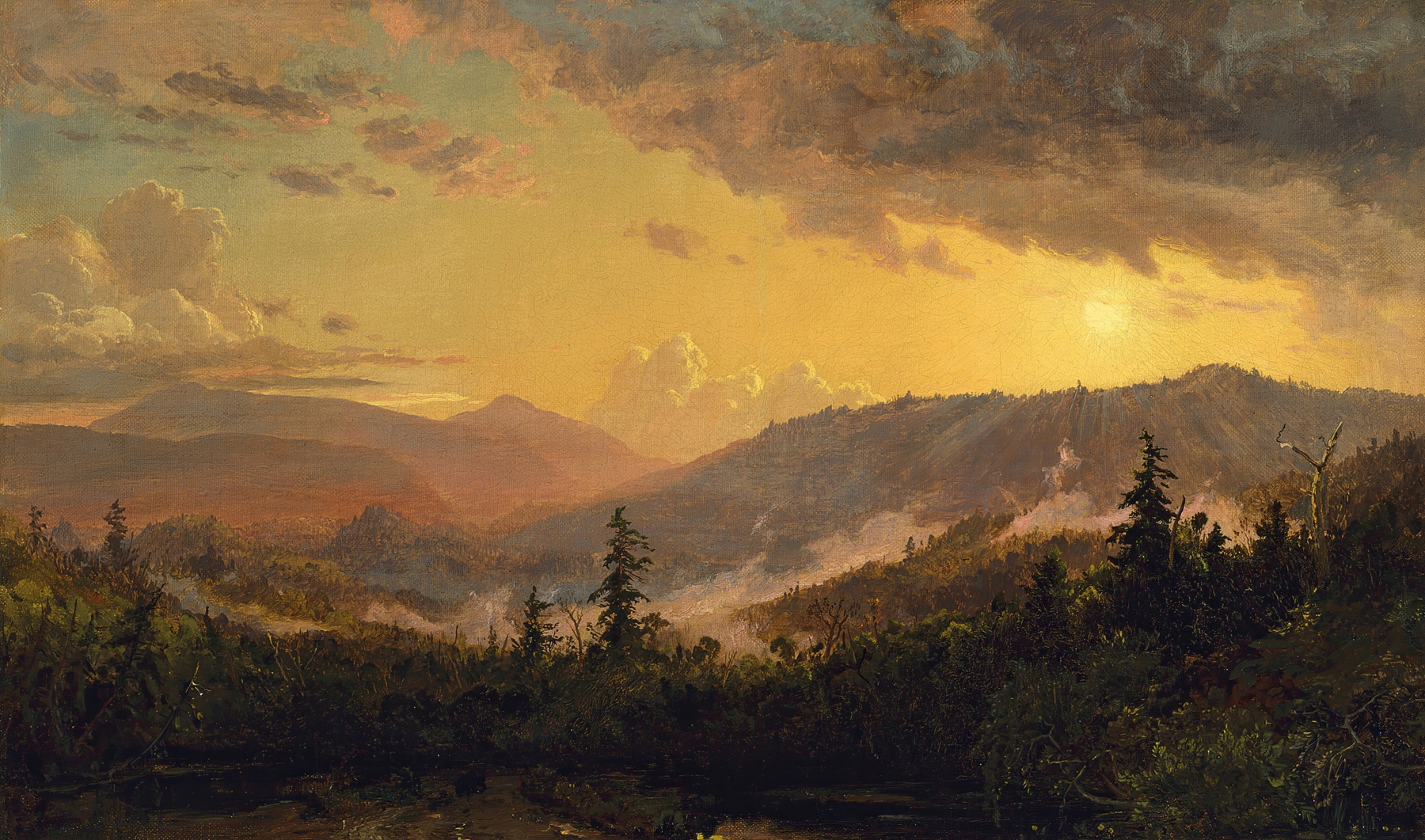
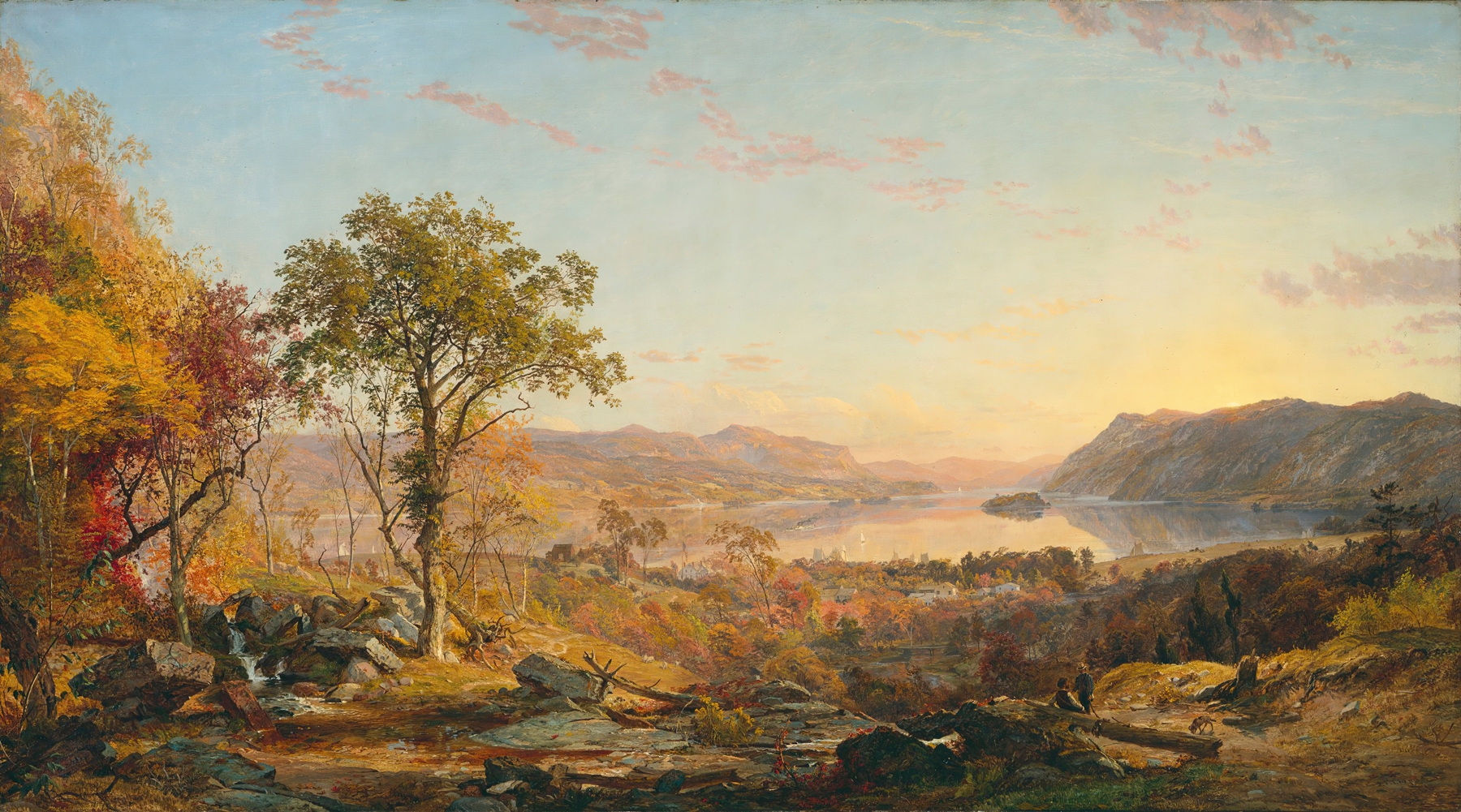
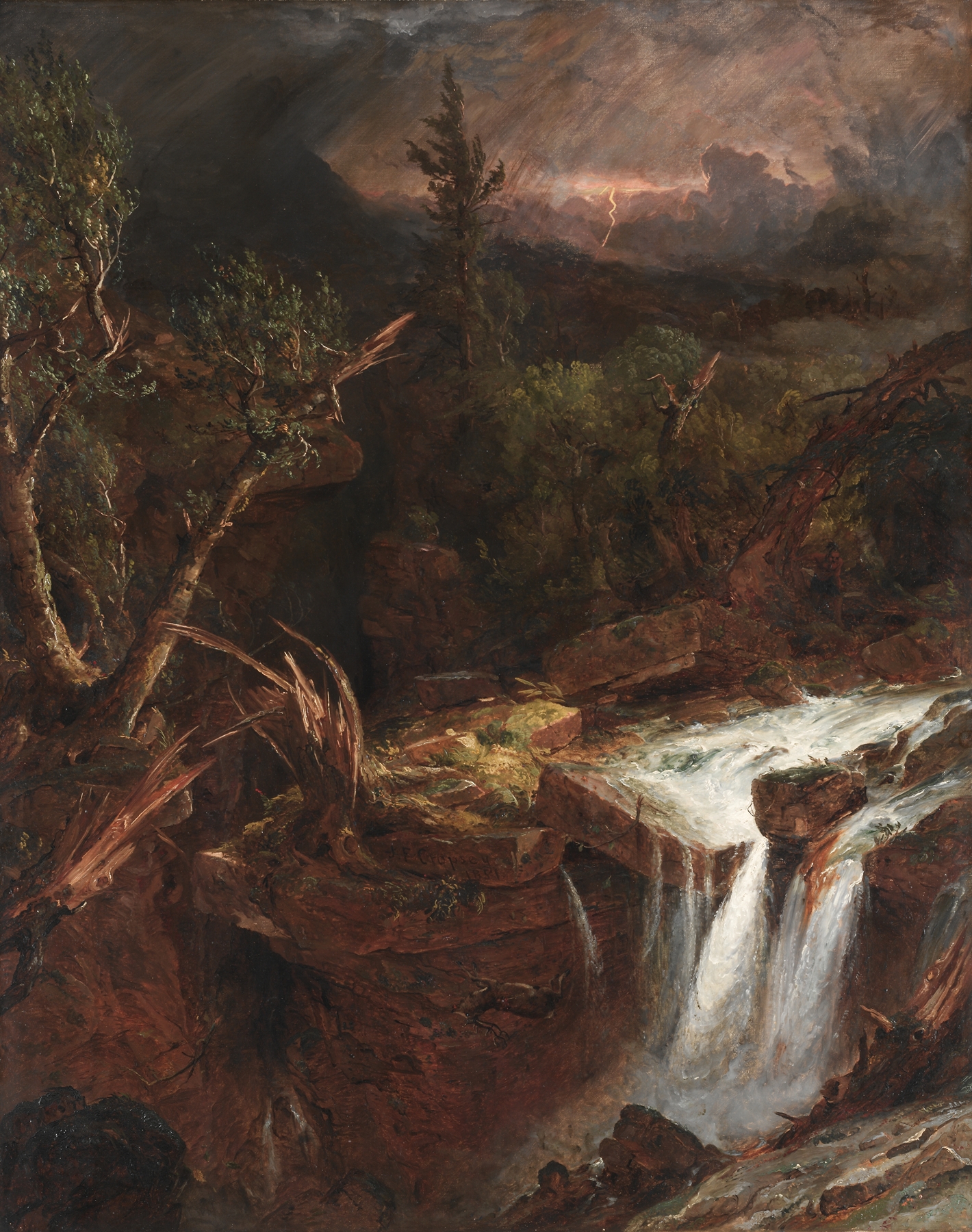
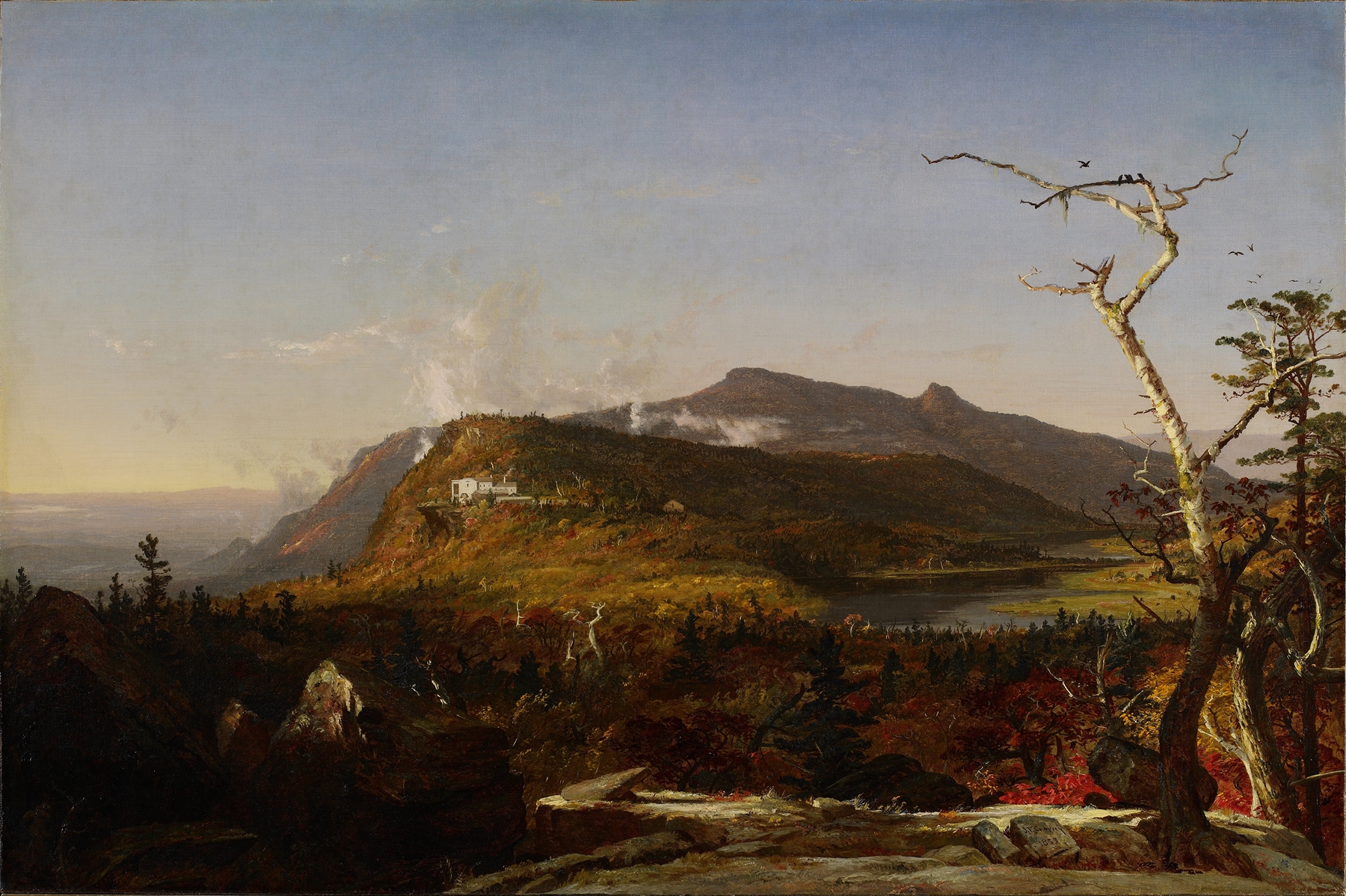
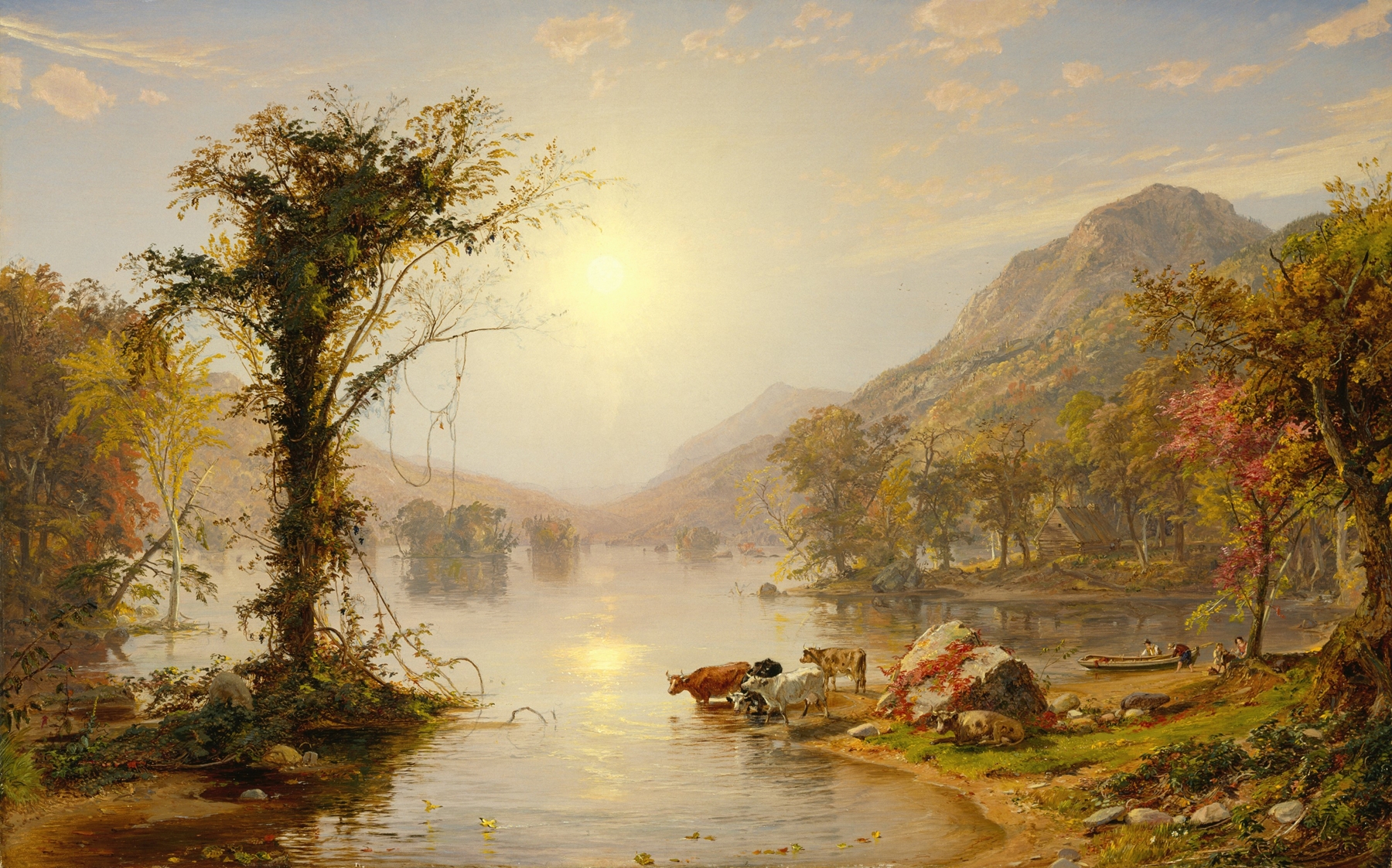
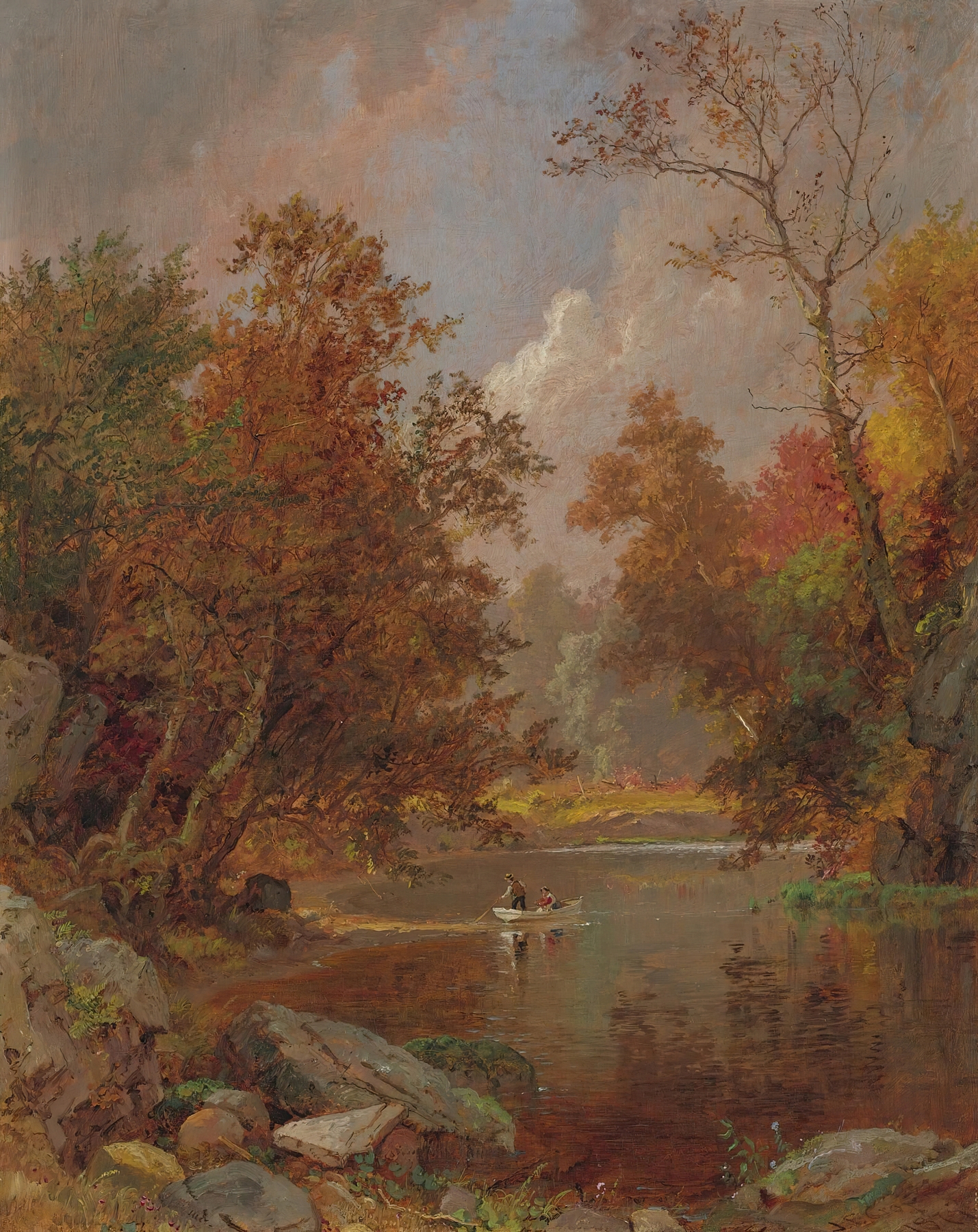
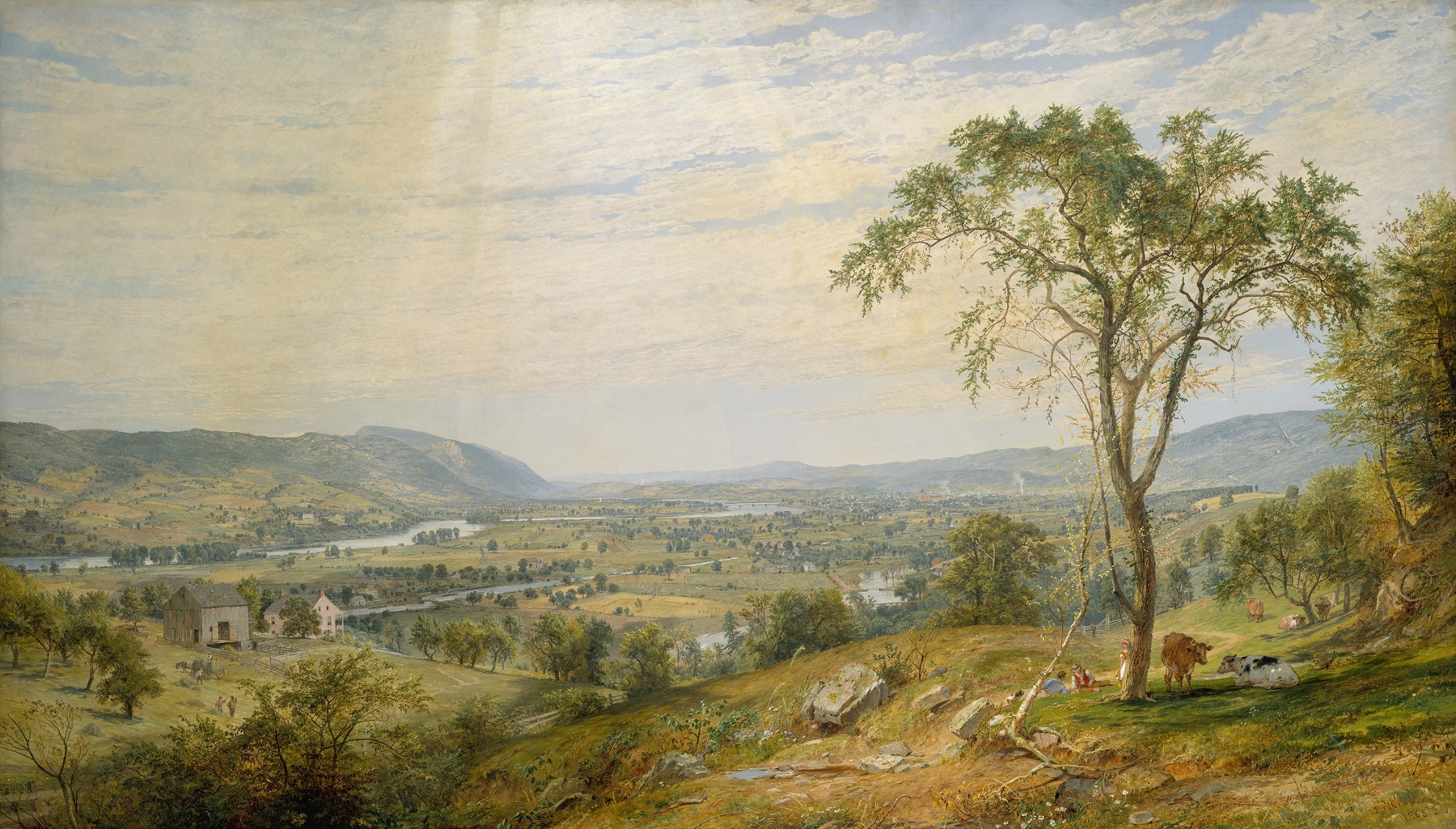
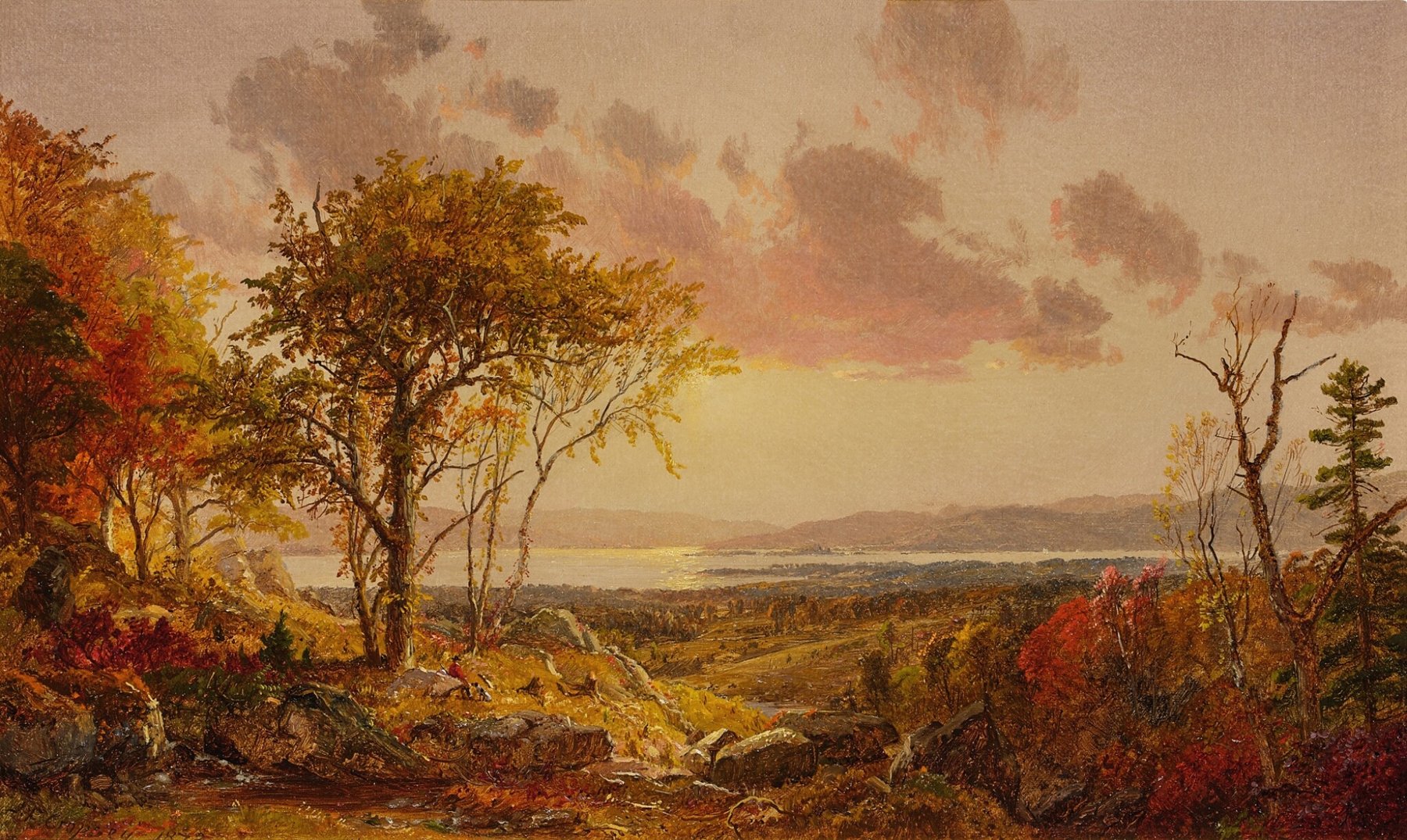
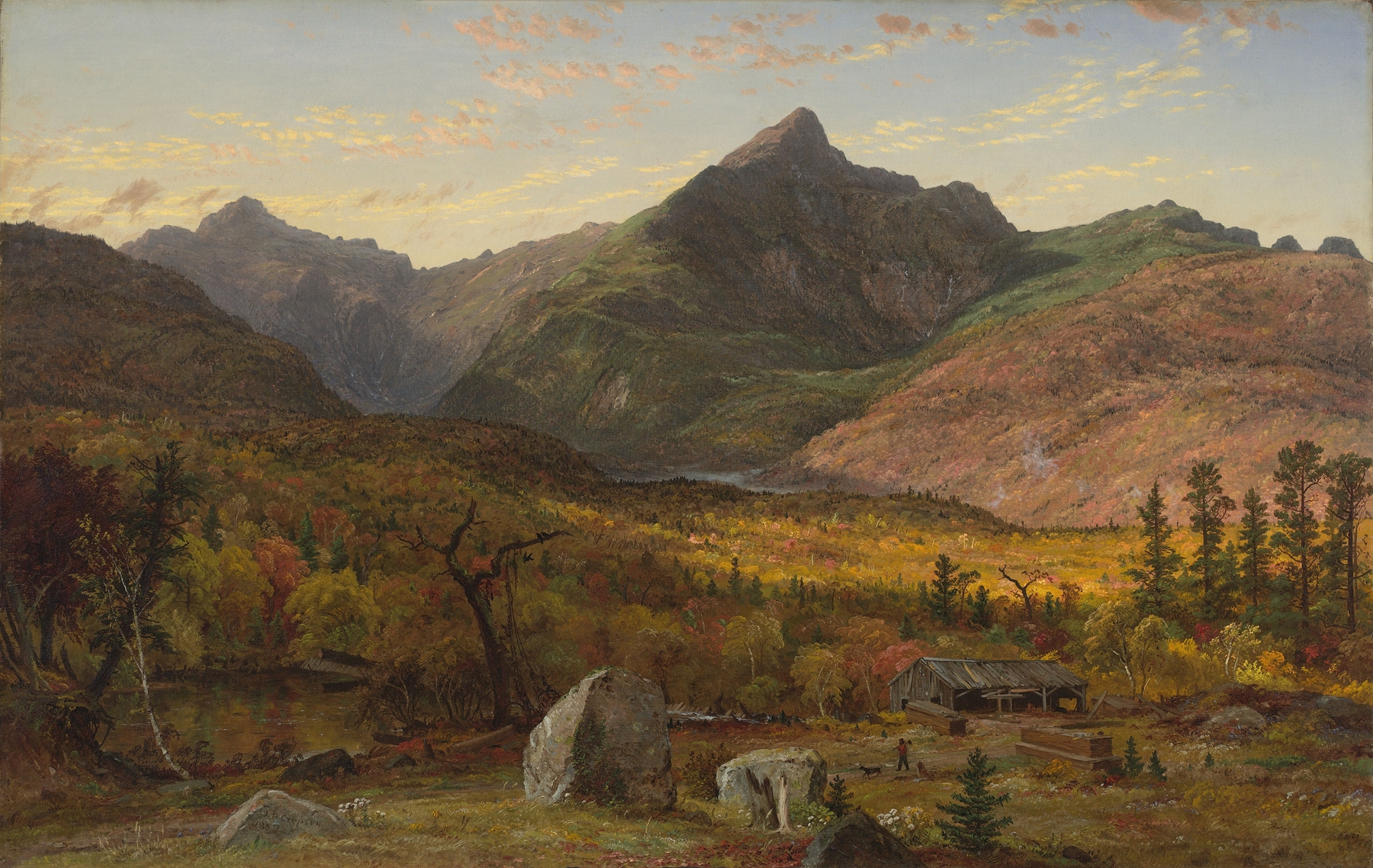
“Every brushstroke is a heartbeat remembered.” In the midst of unspeakable beauty, there lies an undeniable truth of decay, an echo of life's transience captured on canvas. Focus first on the vibrant peaks of Mt. Jefferson, where the rise of the mountain meets the soft embrace of twilight. The chiaroscuro of fading light and creeping shadows draws the eye upward, revealing a rich palette of greens and browns interspersed with the rosy hues of the setting sun.
The brushwork breathes life into the scene, evoking a sense of both serenity and impending twilight, as if the mountain itself sighs under the weight of time. Within this idyllic landscape, there are whispers of nature's fragility. Observe the subtle gradient of colors at the horizon, suggesting not just the onset of night but a metaphor for change and decay. The trees, though lush, hint at the inevitable cycles of growth and decline, while the expansive sky looms above, an omnipresent reminder of nature’s brink.
Each element, while stunningly beautiful, carries the weight of impermanence, inviting contemplation on what lies beneath the surface of this picturesque scene. In 1857, while painting this piece, the artist was deeply immersed in the romantic ideals of nature that dominated the American landscape movement. Cropsey was working in a time when the country was still grappling with rapid industrialization, juxtaposing the serenity of untouched wilderness against the backdrop of encroaching urbanization. This work emerged as he sought to capture the sublime essence of the natural world, embodying both its beauty and its inevitable decay.