Munich – The Isar — History & Analysis
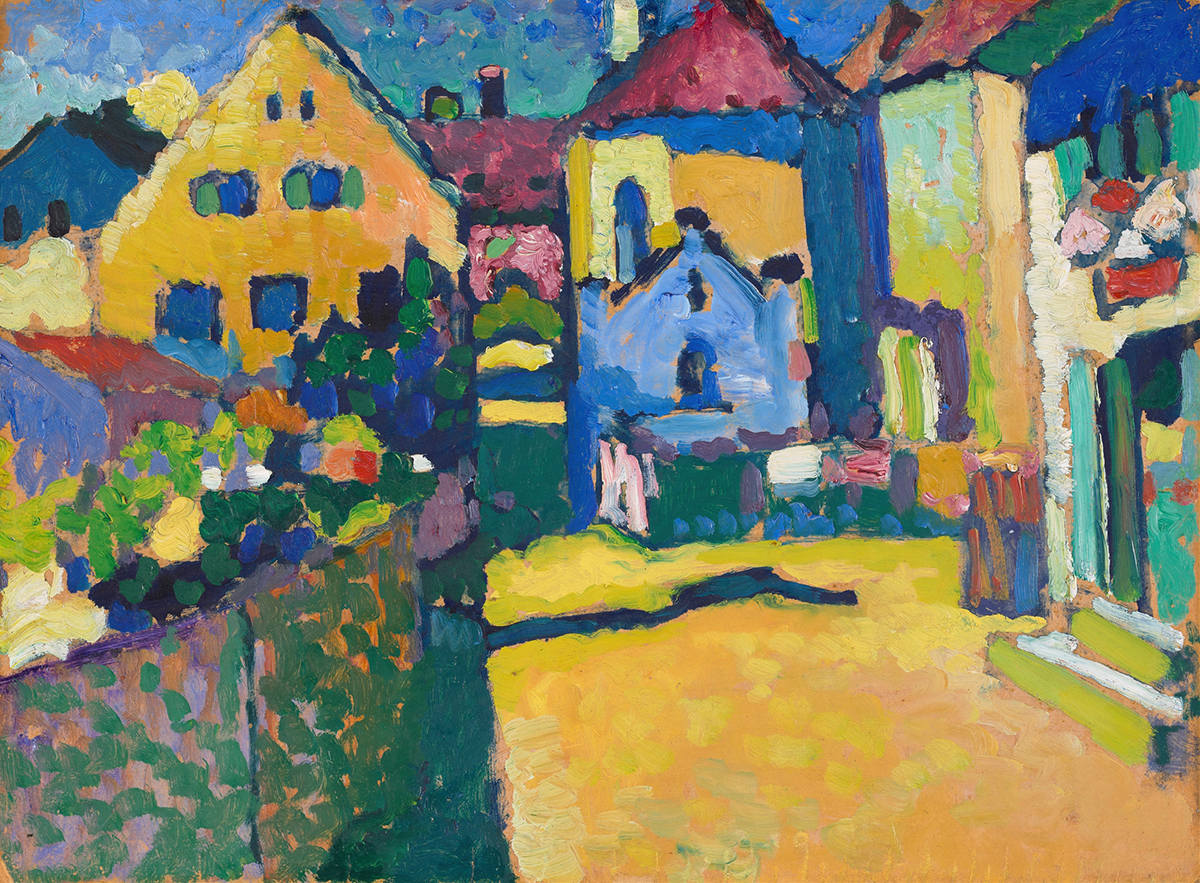
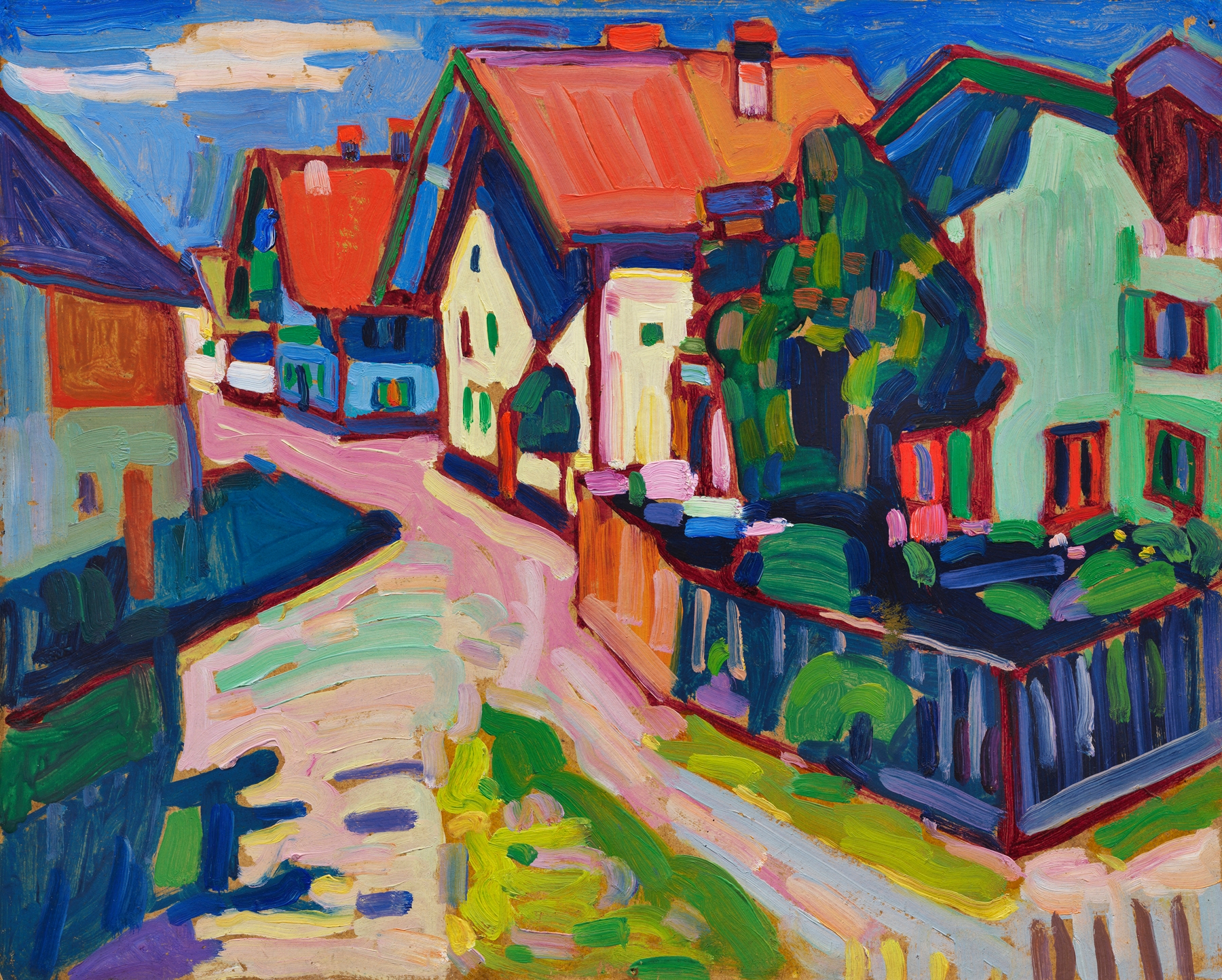
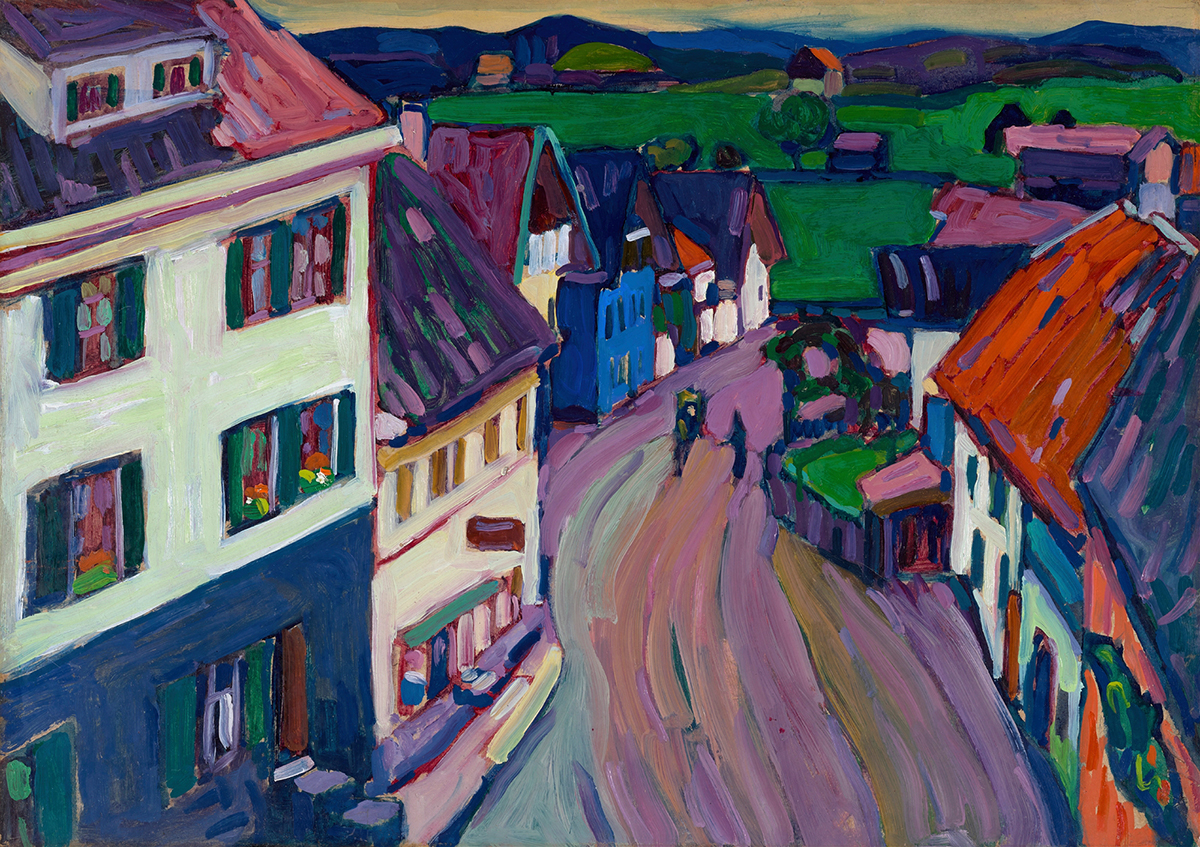
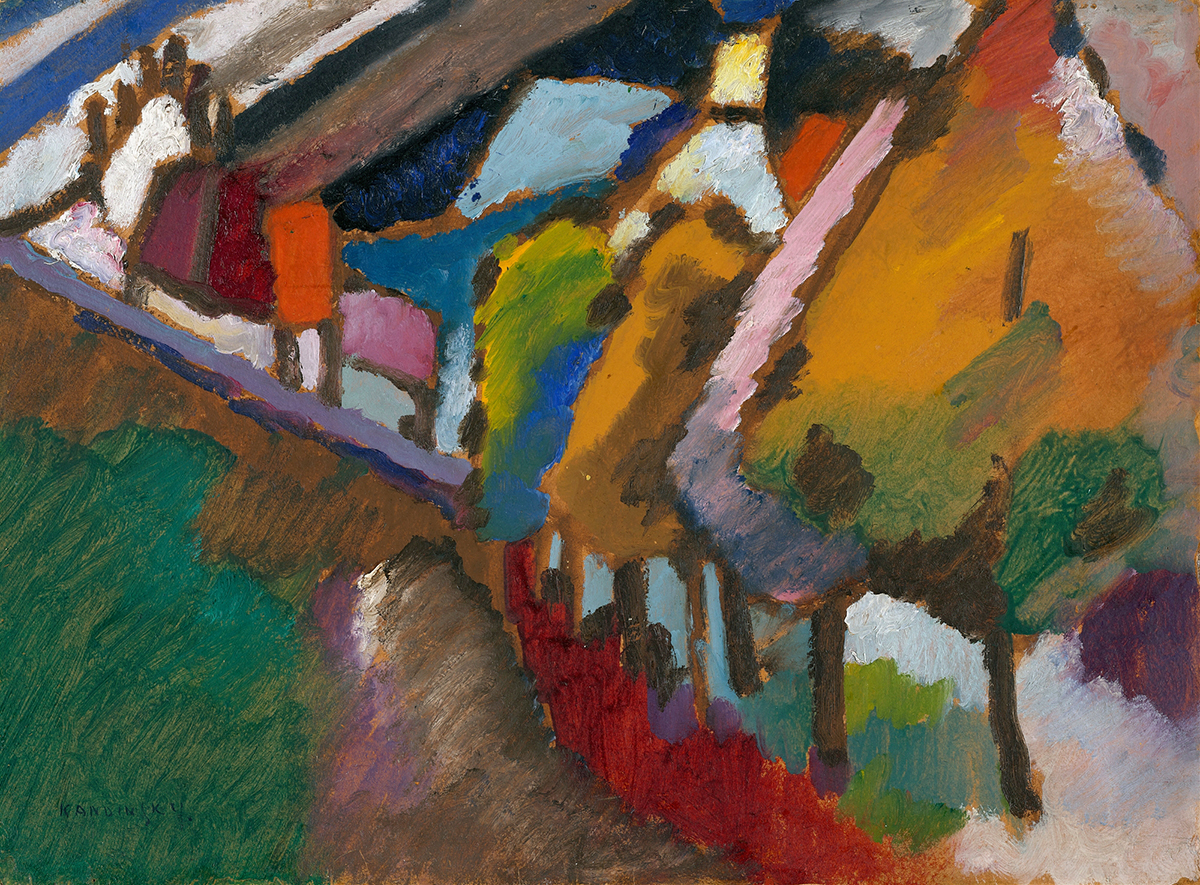
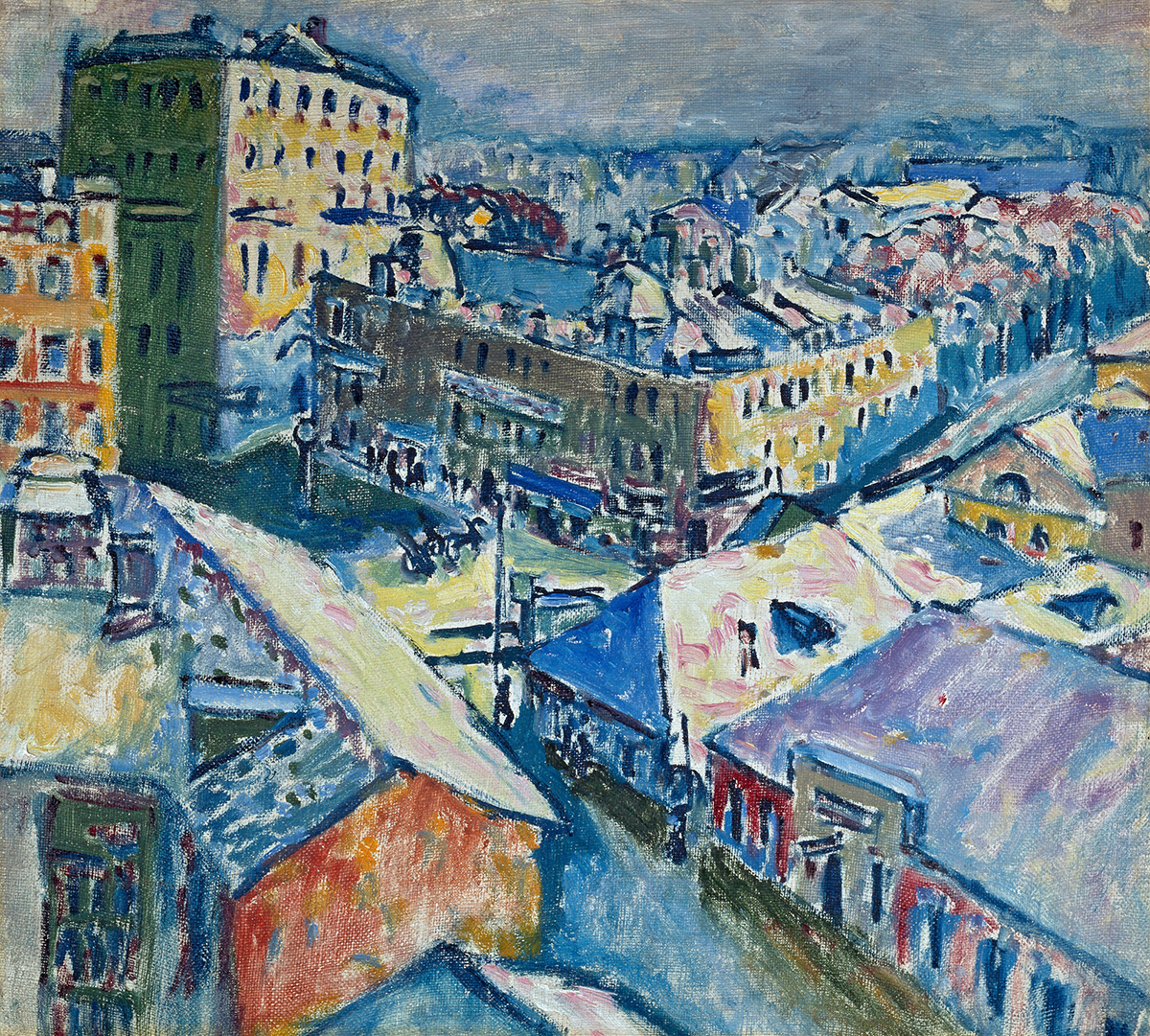
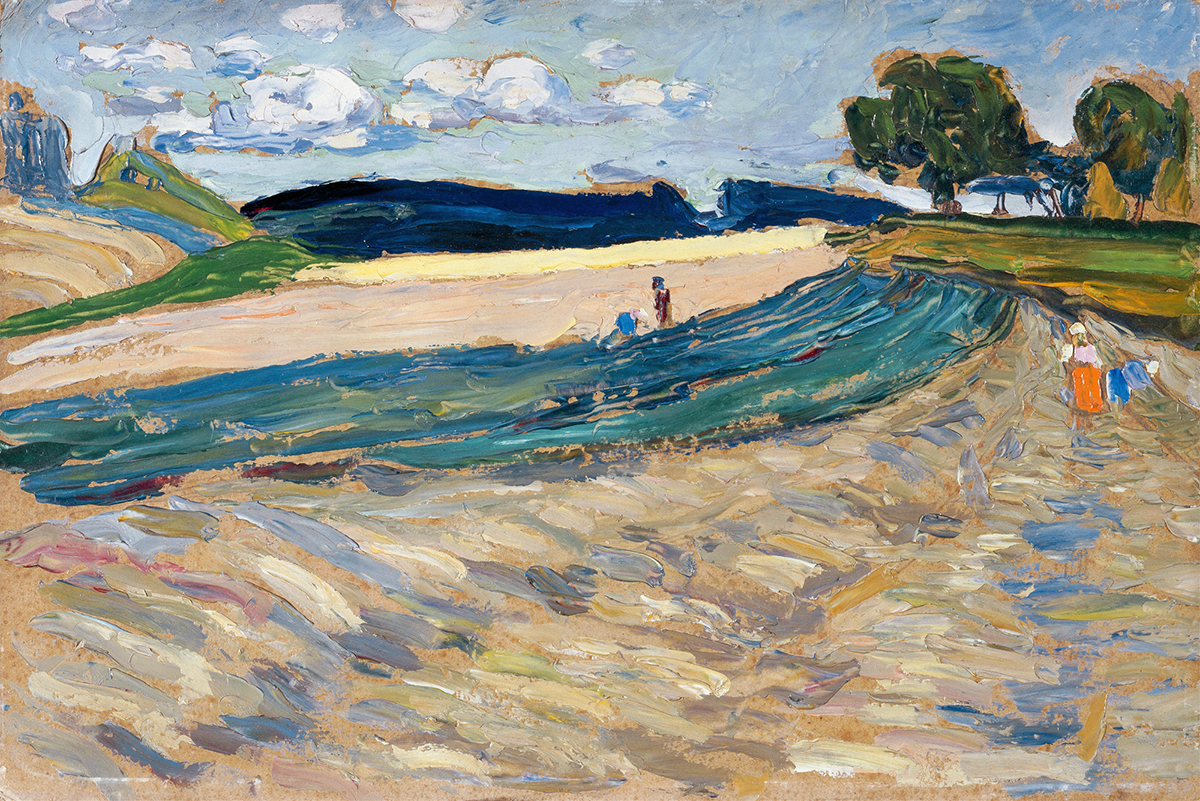
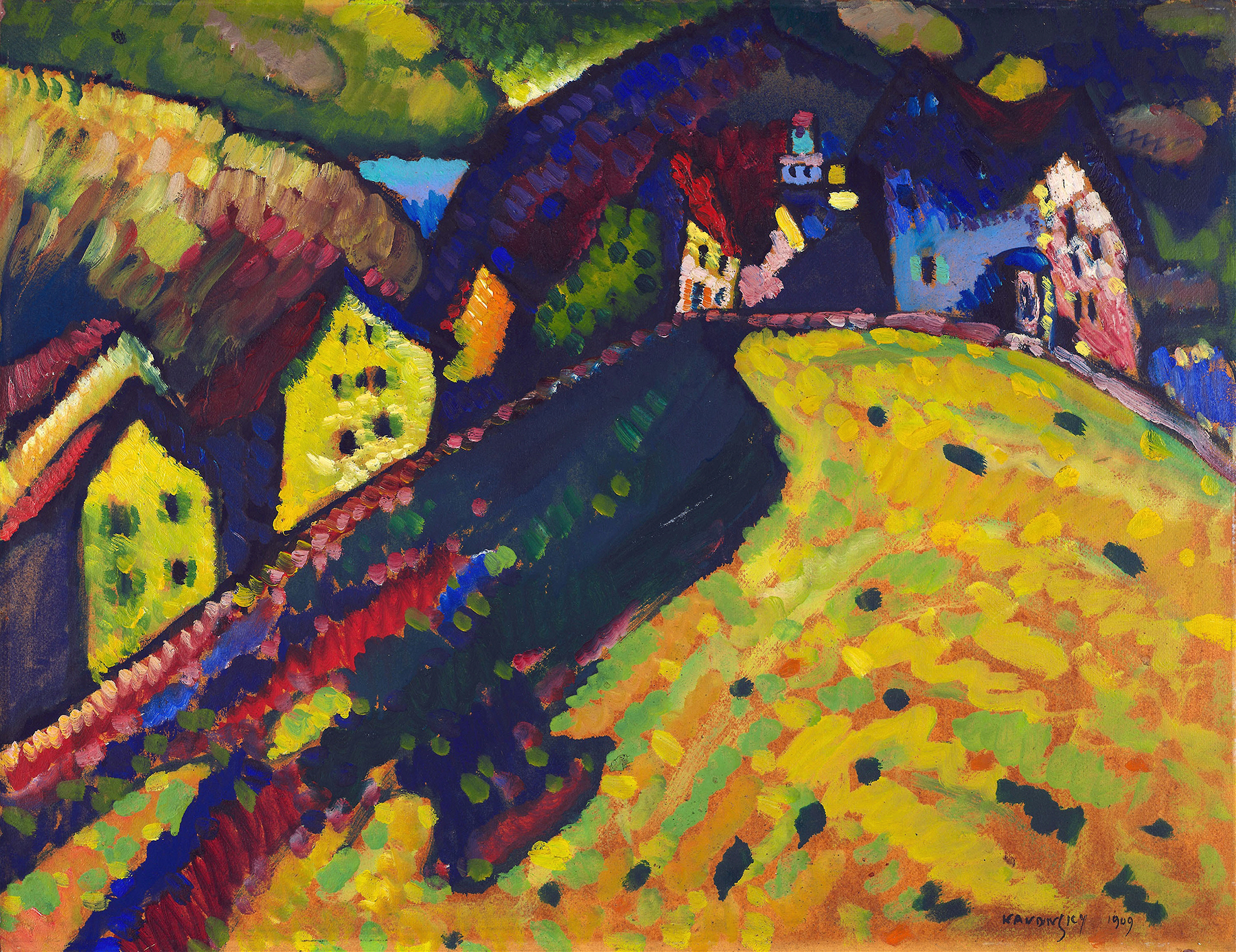
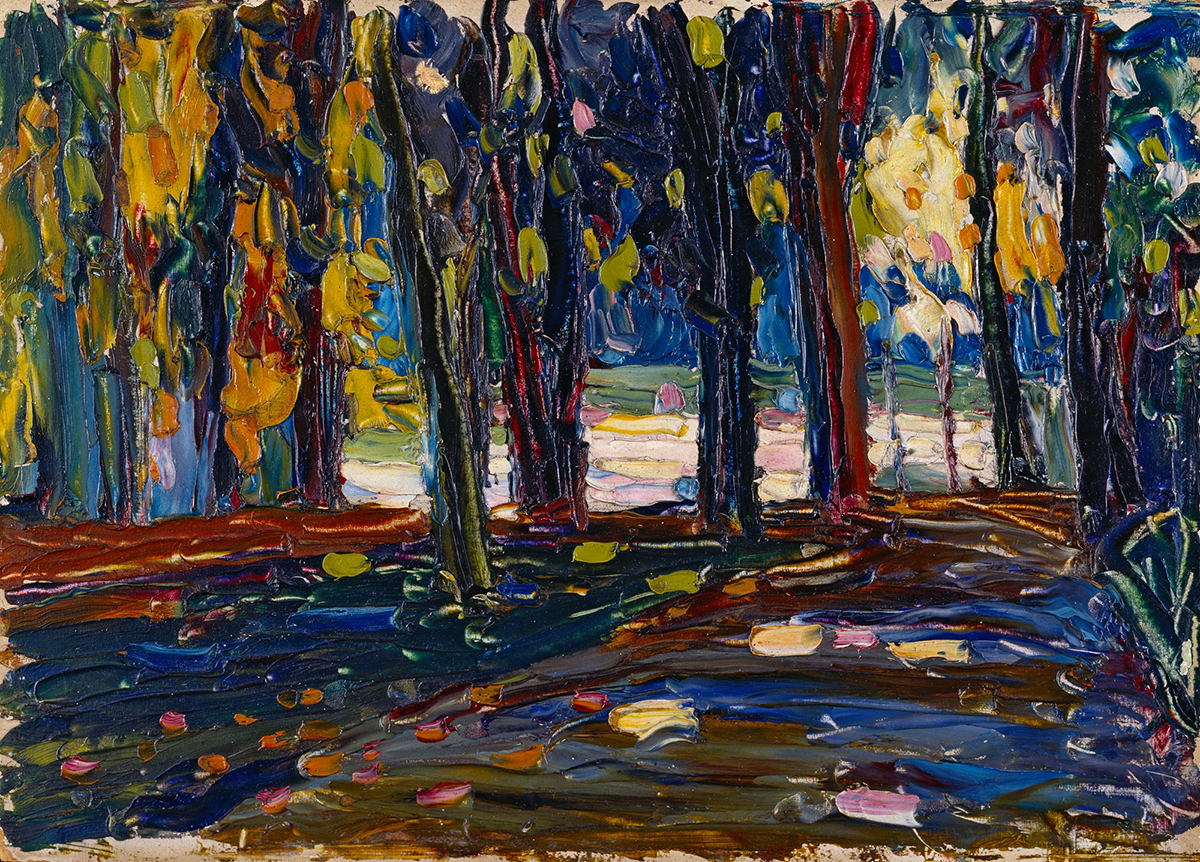
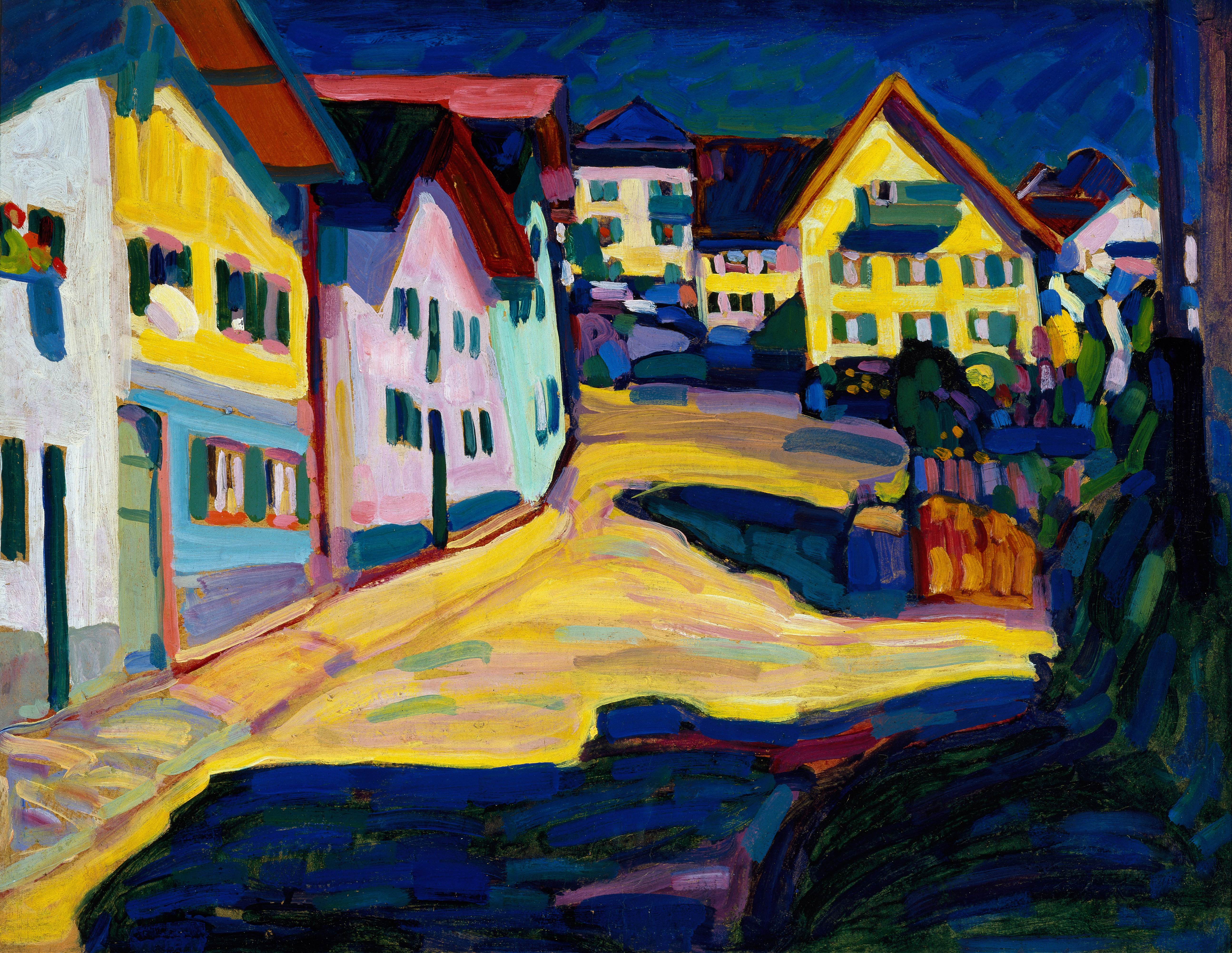
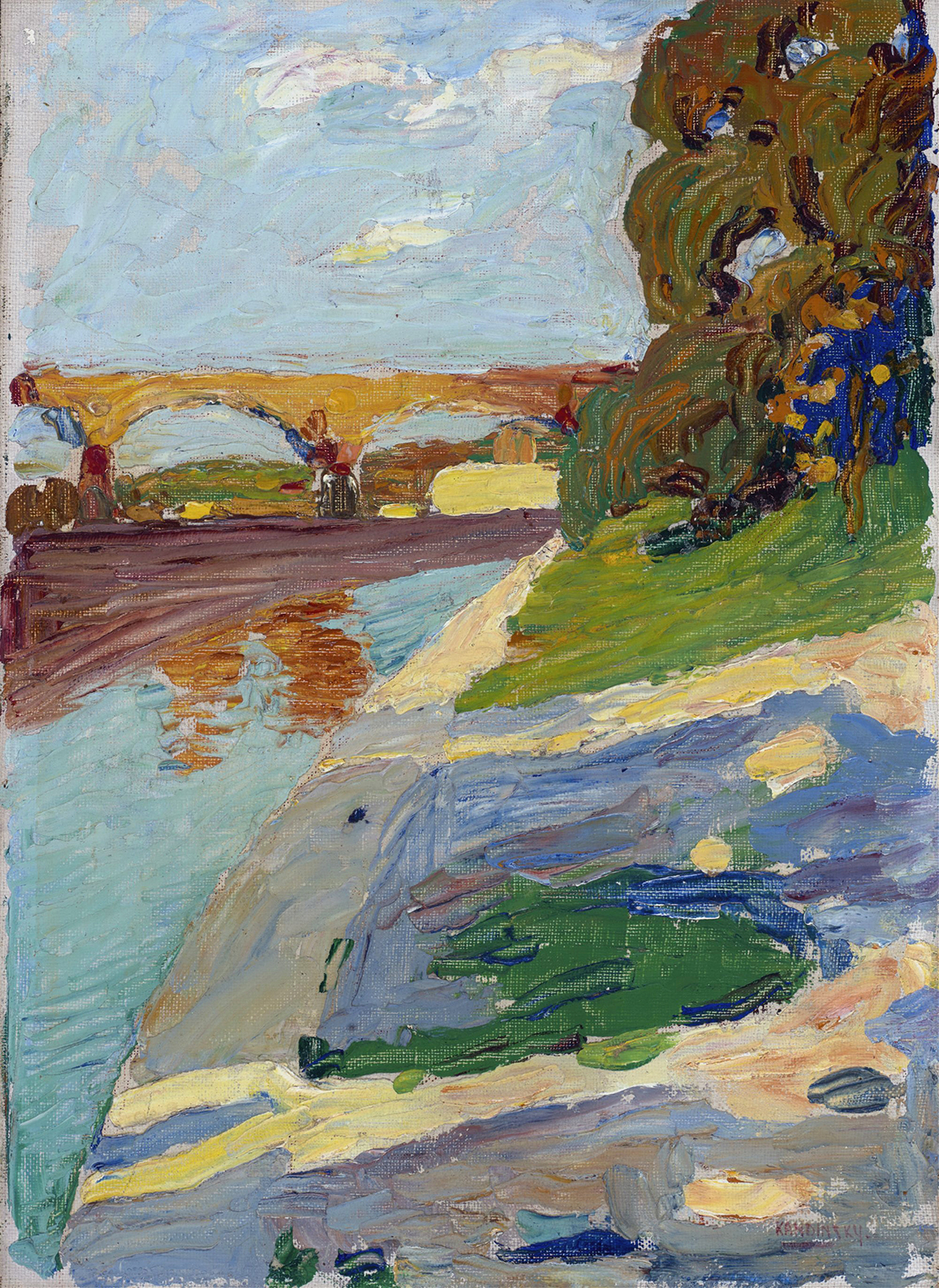
“Sometimes beauty is just pain, disguised in gold.” This sentiment echoes through the vibrant forms and colors of a landscape that whispers secrets of a deeper emotional landscape beneath its surface. In this moment, the awe of nature intertwines with the human experience, revealing the complexity of existence. Focus on the swirling blues and greens that draw the eye to the heart of the composition, where the Isar river glistens like a ribbon of dreams. Notice how the vivid strokes create a rhythmic pulse, mimicking the flow of water and life, while bursts of gold shimmer against the darker undertones, suggesting a fleeting light—a moment of transcendence.
The interplay of shapes, both organic and abstract, invites contemplation, as if the entire scene is alive, breathing a world of its own. Hidden within this landscape lies a tension between tranquility and turmoil. The vivid contrast between the serene river and the more chaotic brushwork around it embodies the struggle between inner peace and external chaos, reflecting the artist's journey and the emotional state of those who view it. Each brushstroke holds a story, echoing the awe that nature inspires, while simultaneously hinting at deeper pains that linger beneath the surface.
In 1901, at a pivotal time in his career, the artist was navigating the vibrant art scene of Munich and experimenting with abstraction. He was exploring how color and form could communicate feelings and evoke the essence of a moment, marking a departure from traditional representational painting. This work captures a transitional period, where he began to fuse his love for the natural world with an emerging desire to express the ineffable through abstraction.