Naples with Vesuvius Beyond — History & Analysis
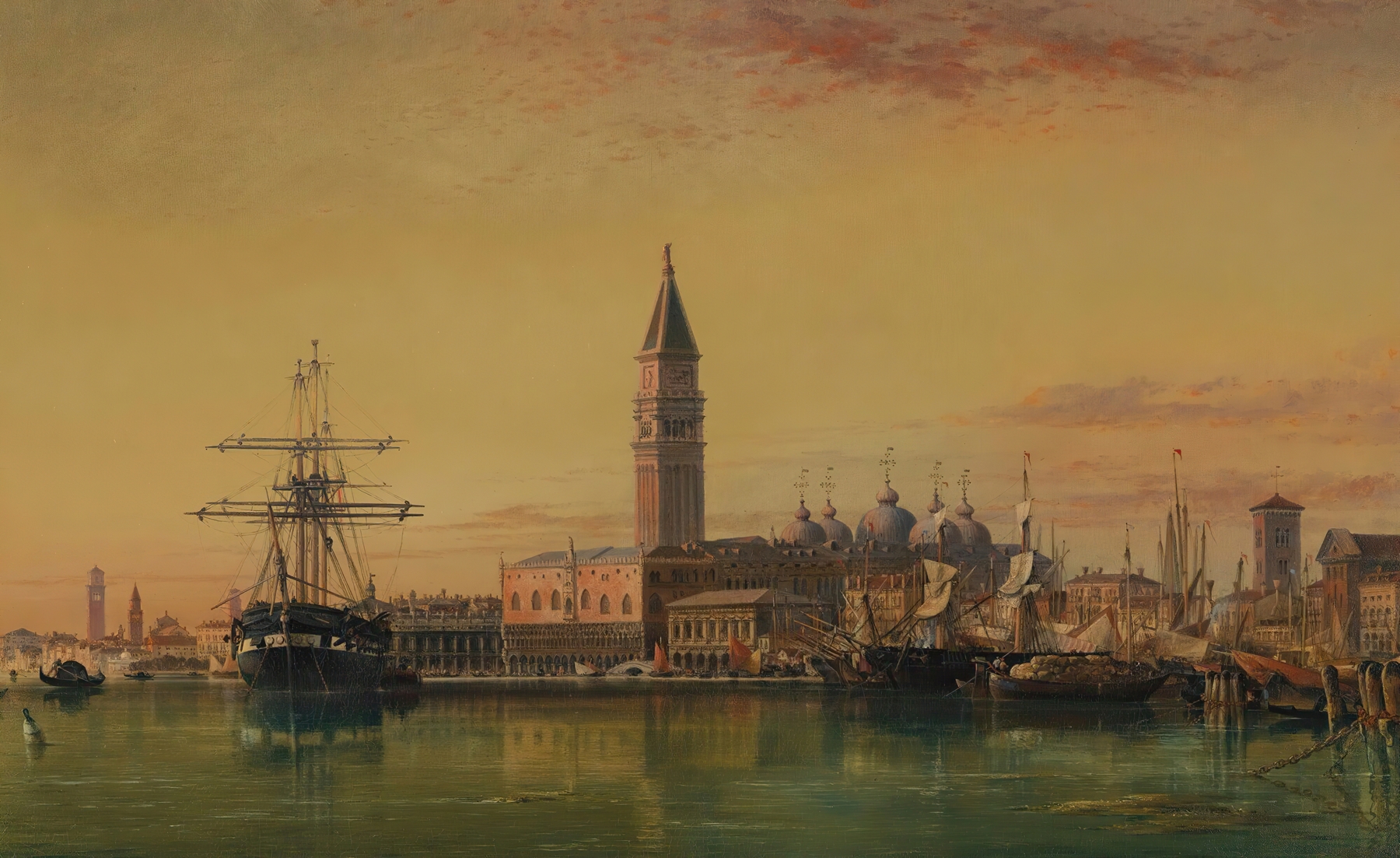
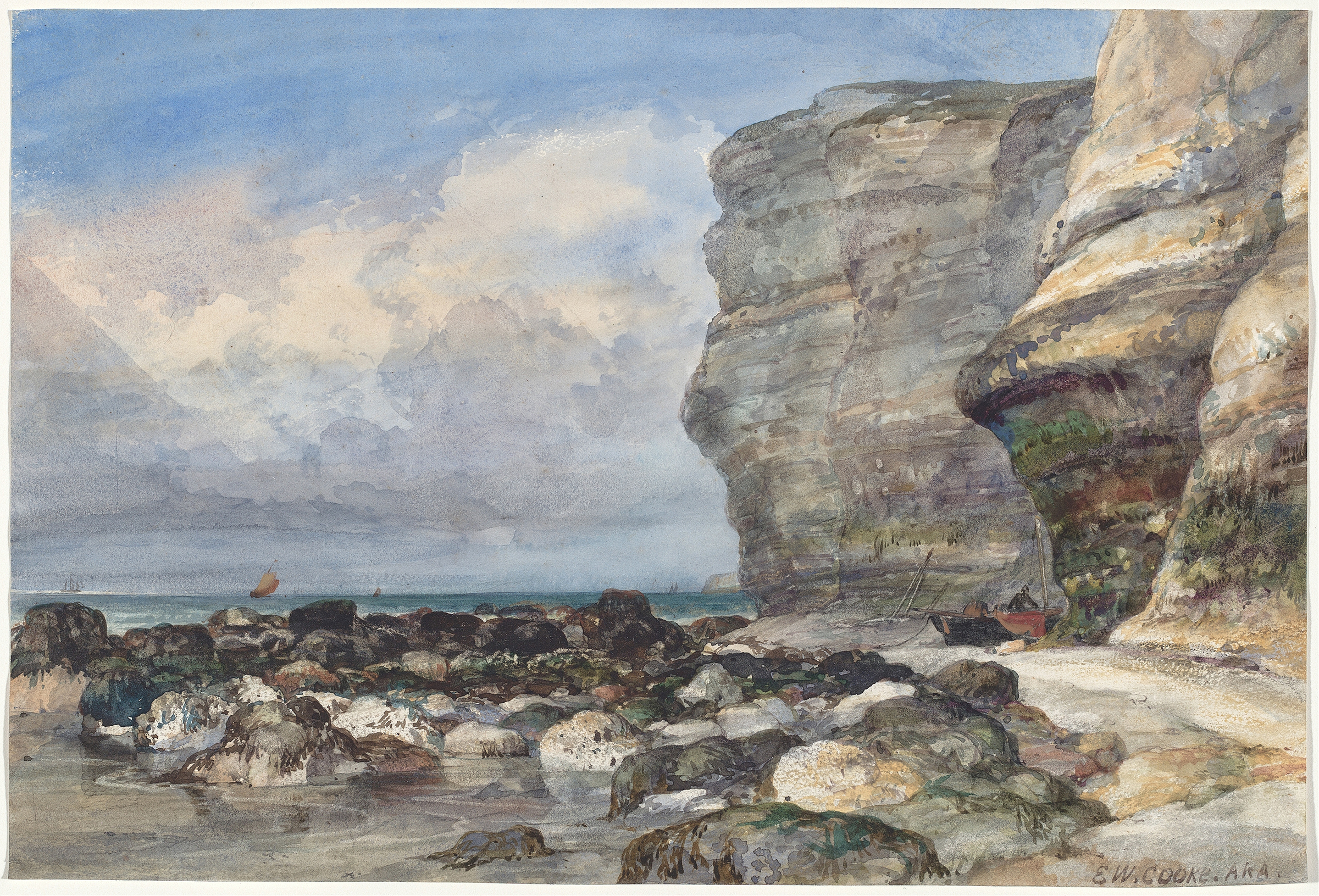
Is this a mirror — or a memory? The landscape before us sways delicately between reality and illusion, inviting us to question the nature of our perceptions and the histories we hold dear. Focus first on the expanse of azure sky, where wisps of clouds dance with the sunlight, casting a soft glow upon the serene waters of the bay. Look closely at the gentle brushstrokes that define the shoreline, a harmonious blend of earthy browns and vibrant greens, grounding the scene while the distant silhouette of Vesuvius looms majestically. The artist's palette breathes life into the image, with every hue meticulously chosen to evoke a sense of tranquility amid underlying tension. As you explore the painting, notice the subtle interplay between the vibrant shore and the imposing volcano, which echoes the dichotomy of beauty and danger. The calm waters reflect an idyllic landscape, but the presence of Vesuvius hints at a past fraught with peril. This duality encapsulates the weight of memory — a reminder that even the most serene moments are often shadowed by history. Each detail, from the boats gently bobbing on the water to the figures dotting the beach, contributes to this symbiosis of peace and potential chaos. Created during a period marked by the Romantic movement and the rise of landscape painting, the artist worked on this piece in the mid-19th century, a time when Italy captivated the imaginations of many. Cooke’s brush captured the essence of a nation rich with history, while he navigated his own journey as an artist finding his voice amid the evolving art world. The work stands as both a testament to nature's allure and a reflection of an artist’s introspection on existence.