New Lutheran Church, in Fourth Street, Philadelphia. — History & Analysis
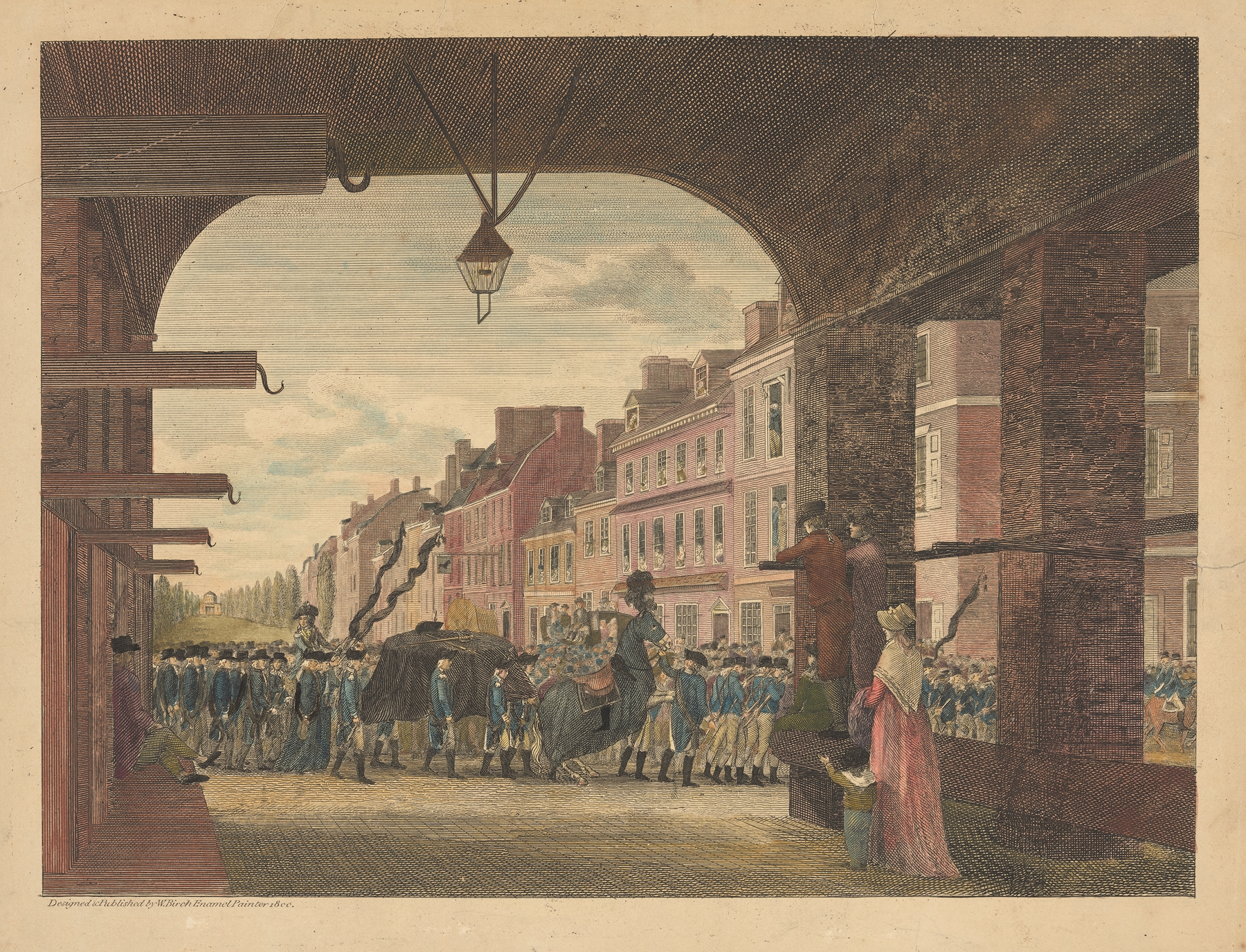
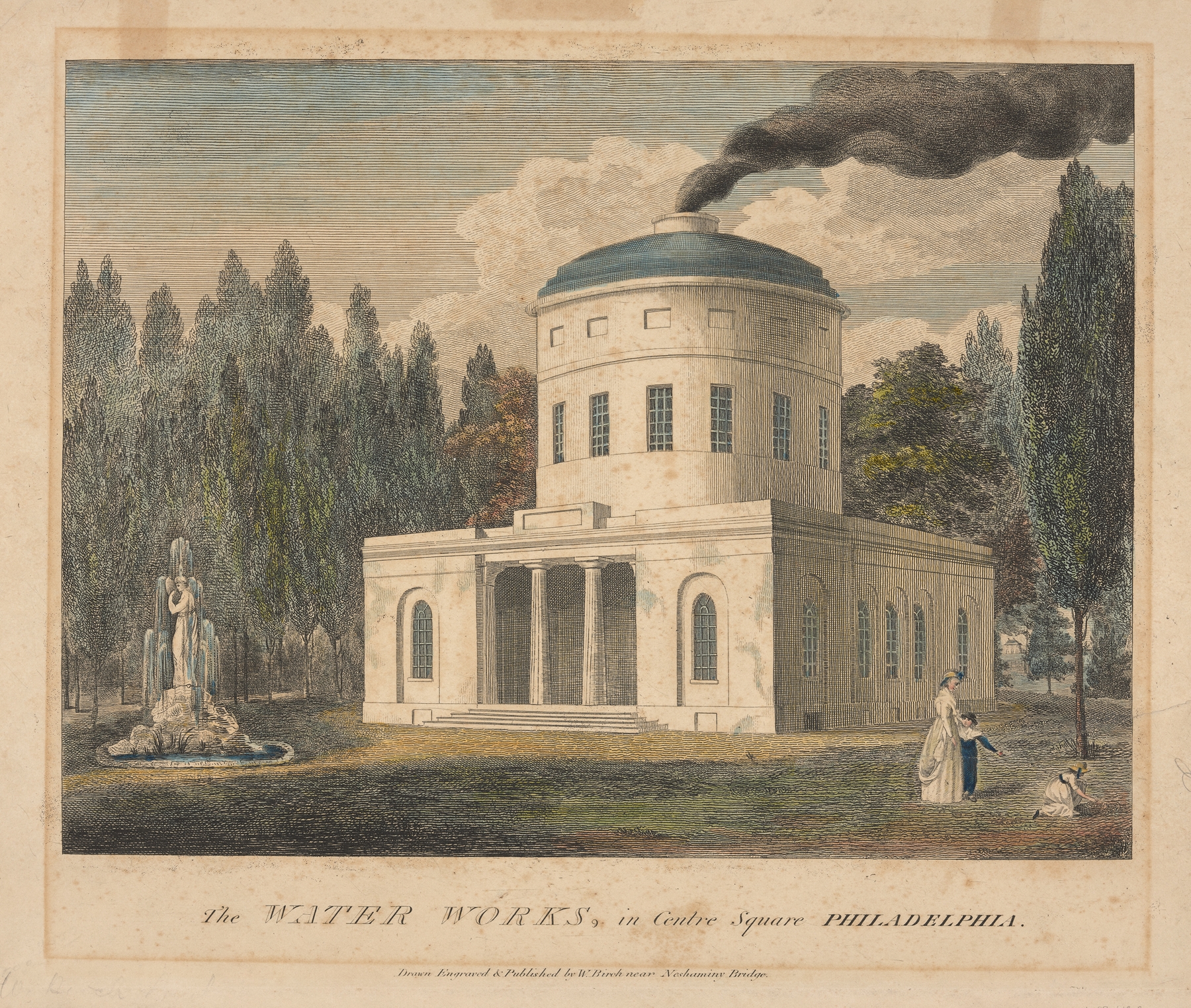
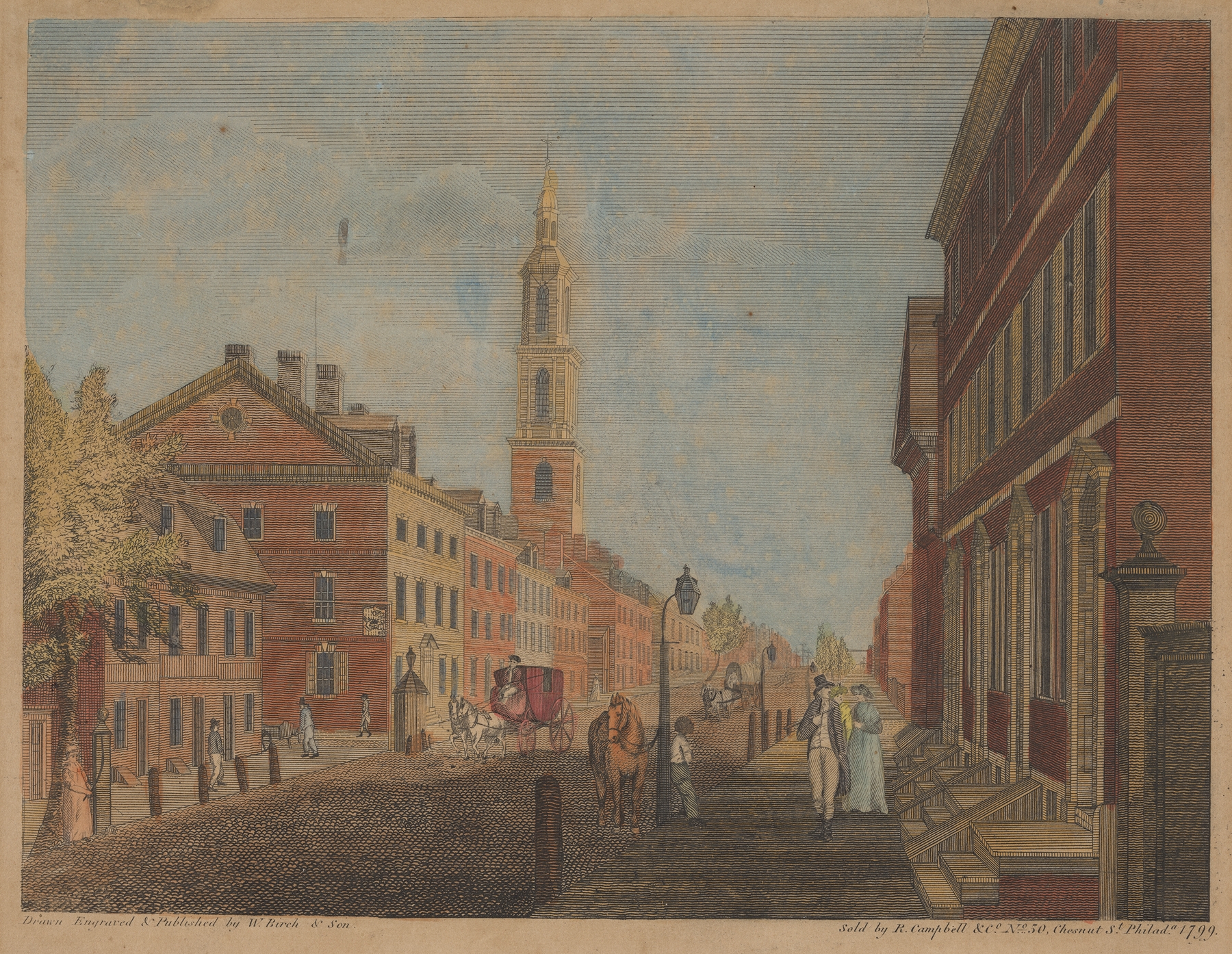
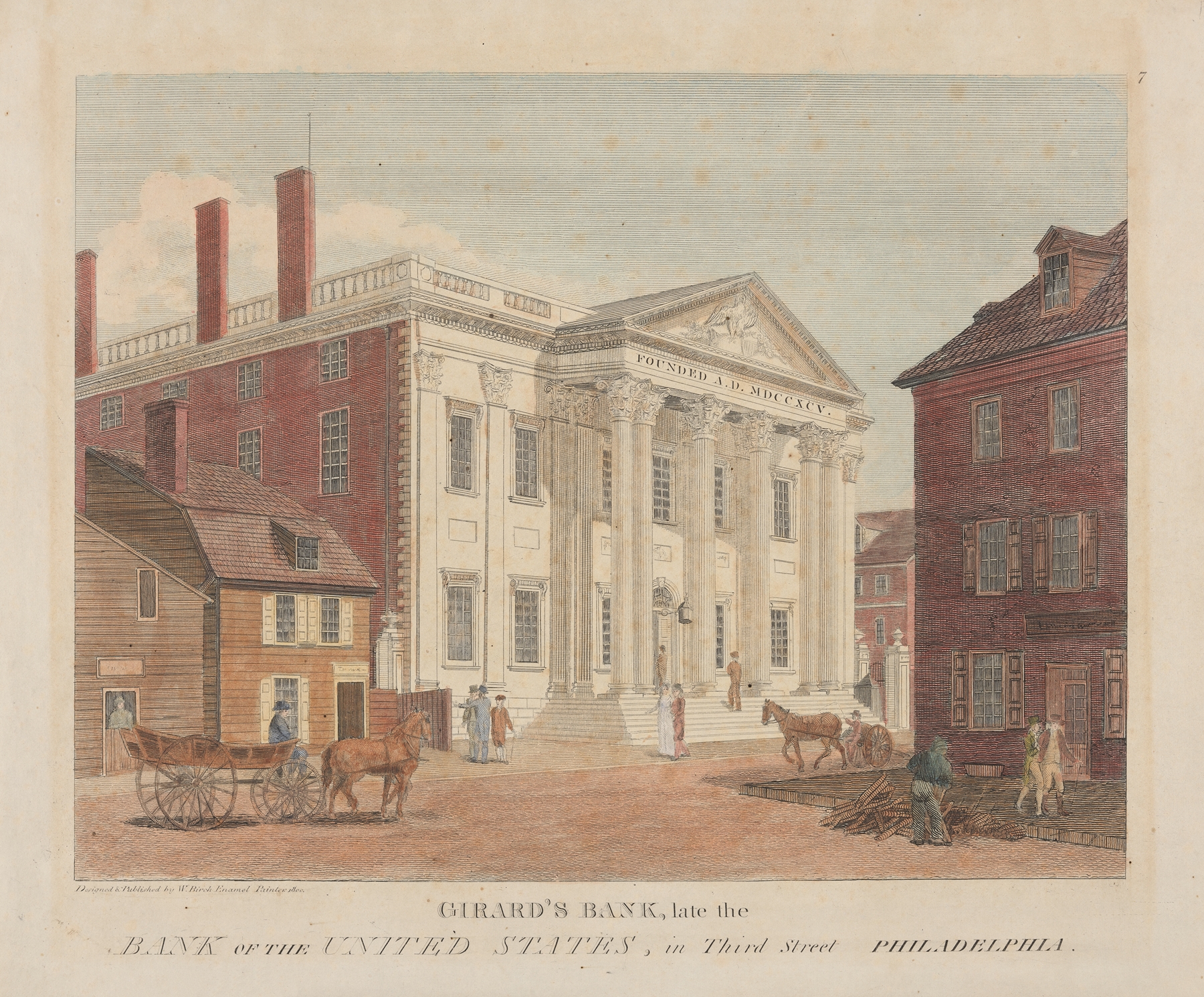
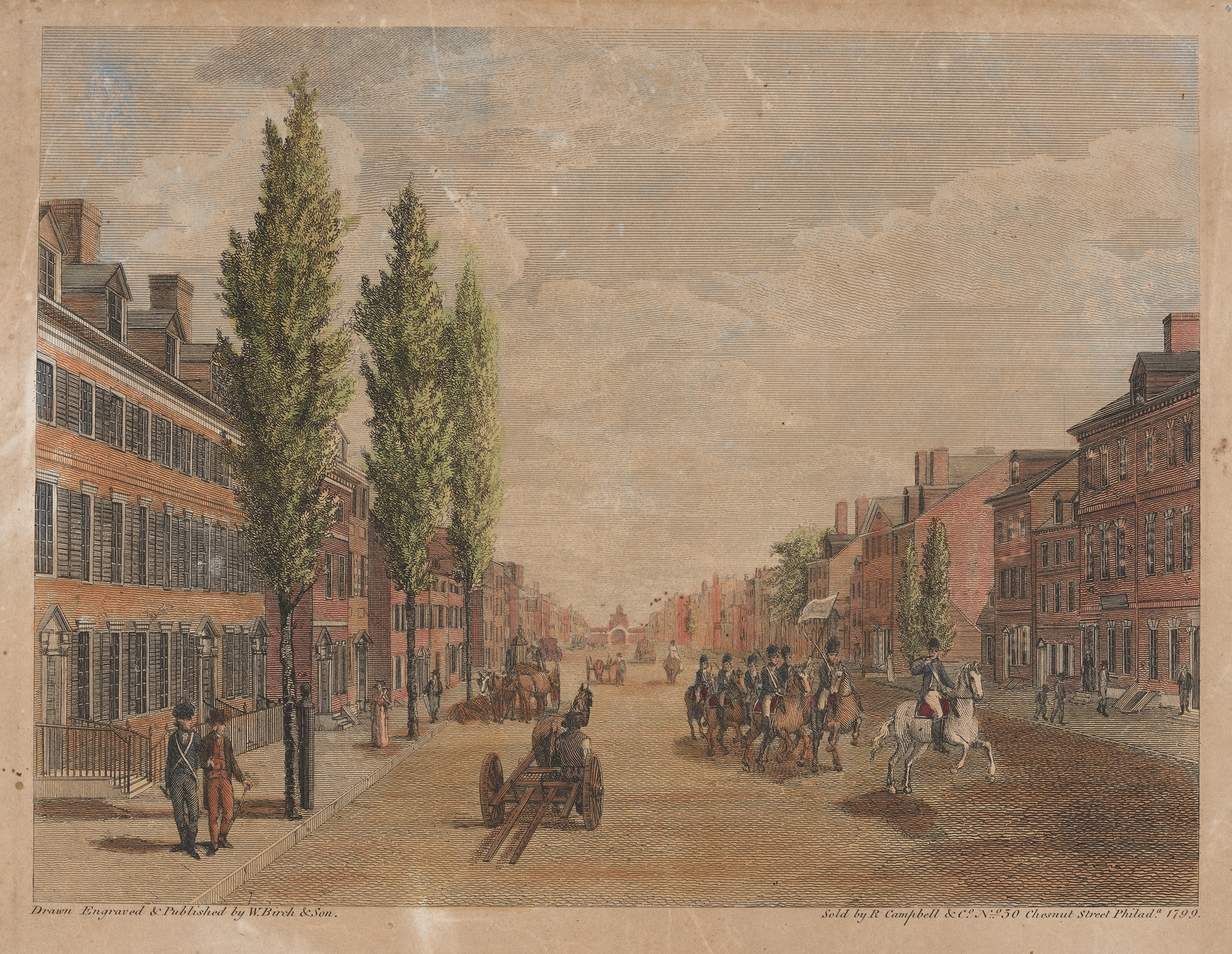
“Art reveals the soul when the world turns away.” In the quiet of a bustling city, the heartache of loss finds its voice, etched in the lines of a building. The New Lutheran Church stands as both a refuge and a testament to grief, its presence reminding us of what has been and what endures. Look to the center of the composition, where the church rises majestically against a soft, cloud-strewn sky. The delicate brushwork captures the intricate details of the façade, accentuated by warm hues that suggest both reverence and melancholy.
Notice the sunlight filtering through the trees, casting gentle shadows that dance upon the cobblestones, inviting the viewer to step closer and reflect. Yet, beneath the church’s grandeur lies a deeper narrative of loss. The symmetry of the architecture evokes a sense of stability, but the surrounding emptiness hints at the absence of community—perhaps a congregation lost to time or tragedy.
The juxtaposition of light and shadow serves as a poignant reminder of the duality of human experience, where joy and sorrow coalesce in the pursuit of solace. In 1800, Birch painted this scene amidst a budding American cultural landscape, reflecting the nation’s yearning for identity and spiritual grounding. As the first artist to dedicate himself to the art of engraving in America, he captures a moment in the evolution of both art and architecture in Philadelphia, simultaneously chronicling the aspirations and heartaches of a fledgling society.
![Second Street north from Market St. w[i]th Christ Church. Philadelphia., by William Russell Birch, public domain](https://froigstrpvutwqtqikzt.supabase.co/storage/v1/object/public/art-images/artworks/ae10cefad1b4b09eab503db665d8f122c1796a118217ad99aa9afe67d3a02bd4.jpg)