New York from the Heights near Brooklyn — History & Analysis
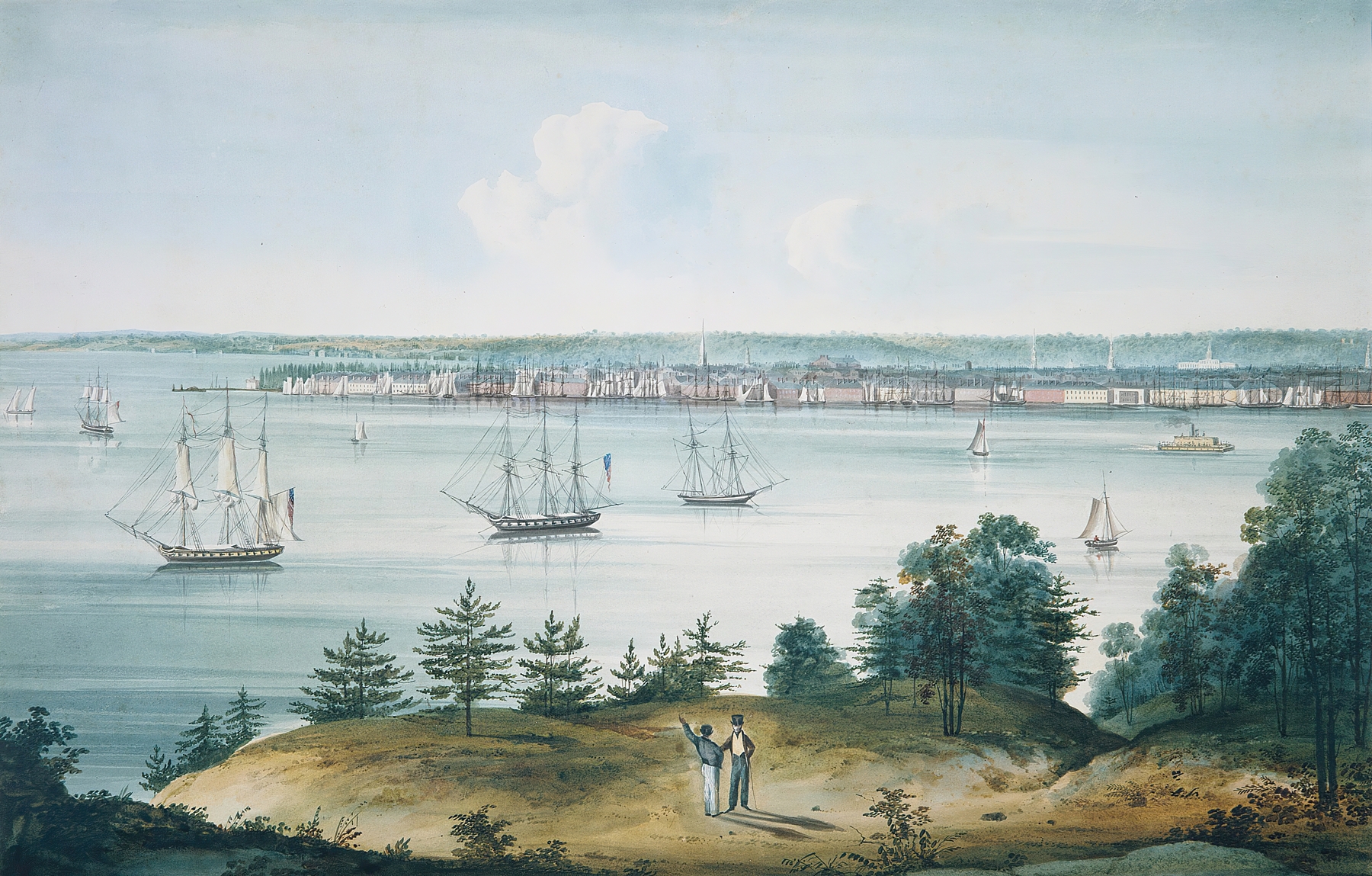
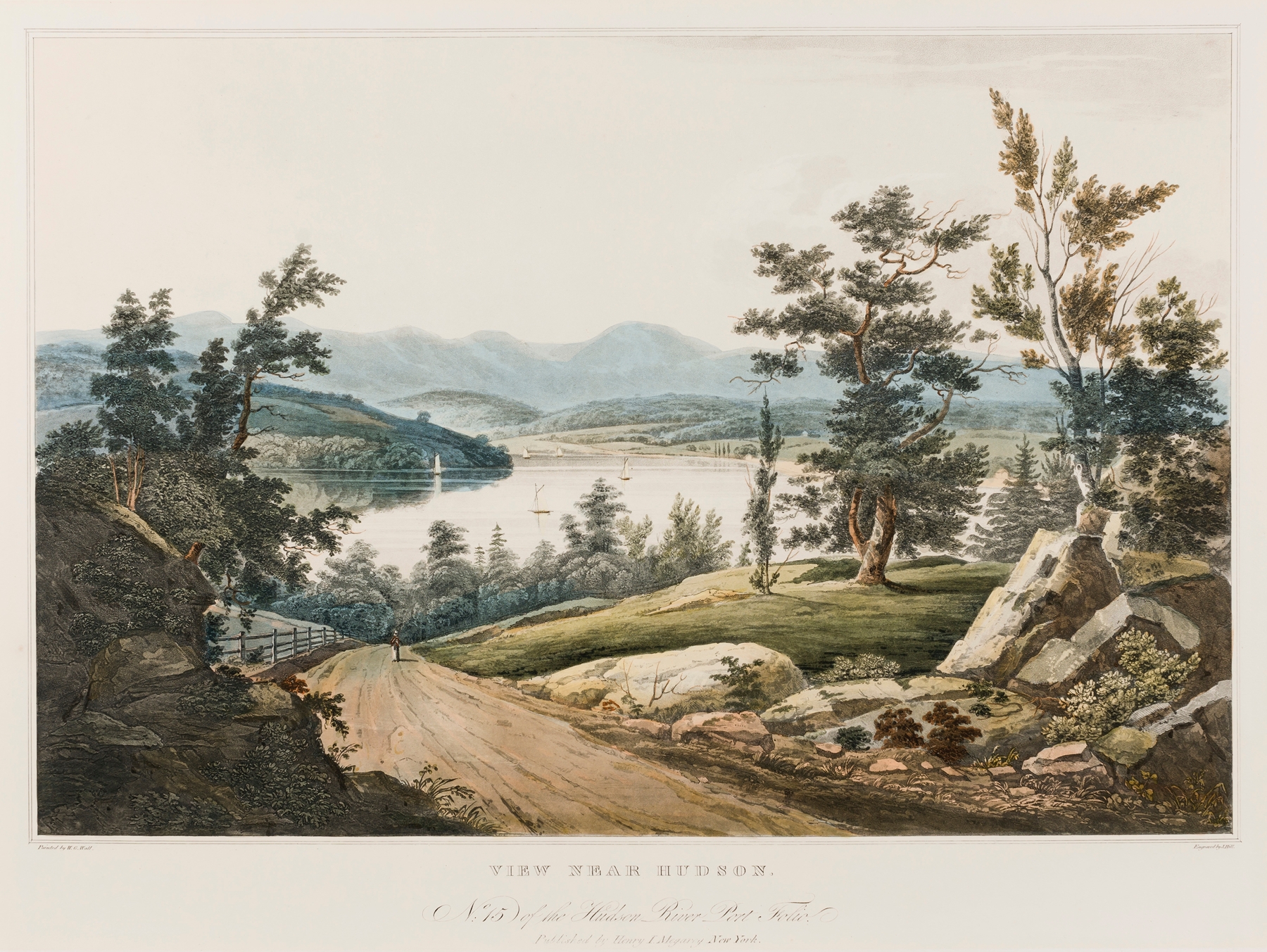
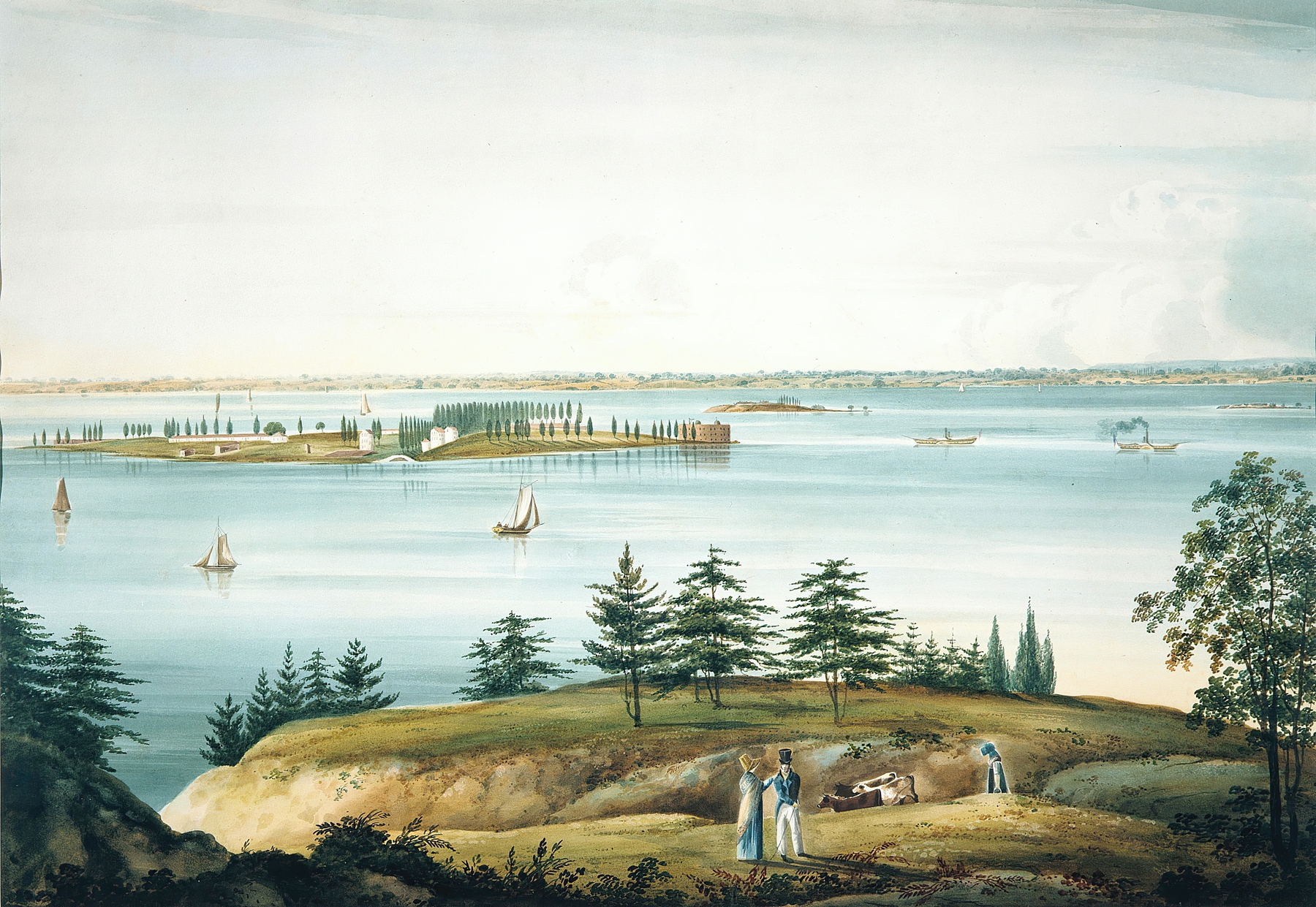
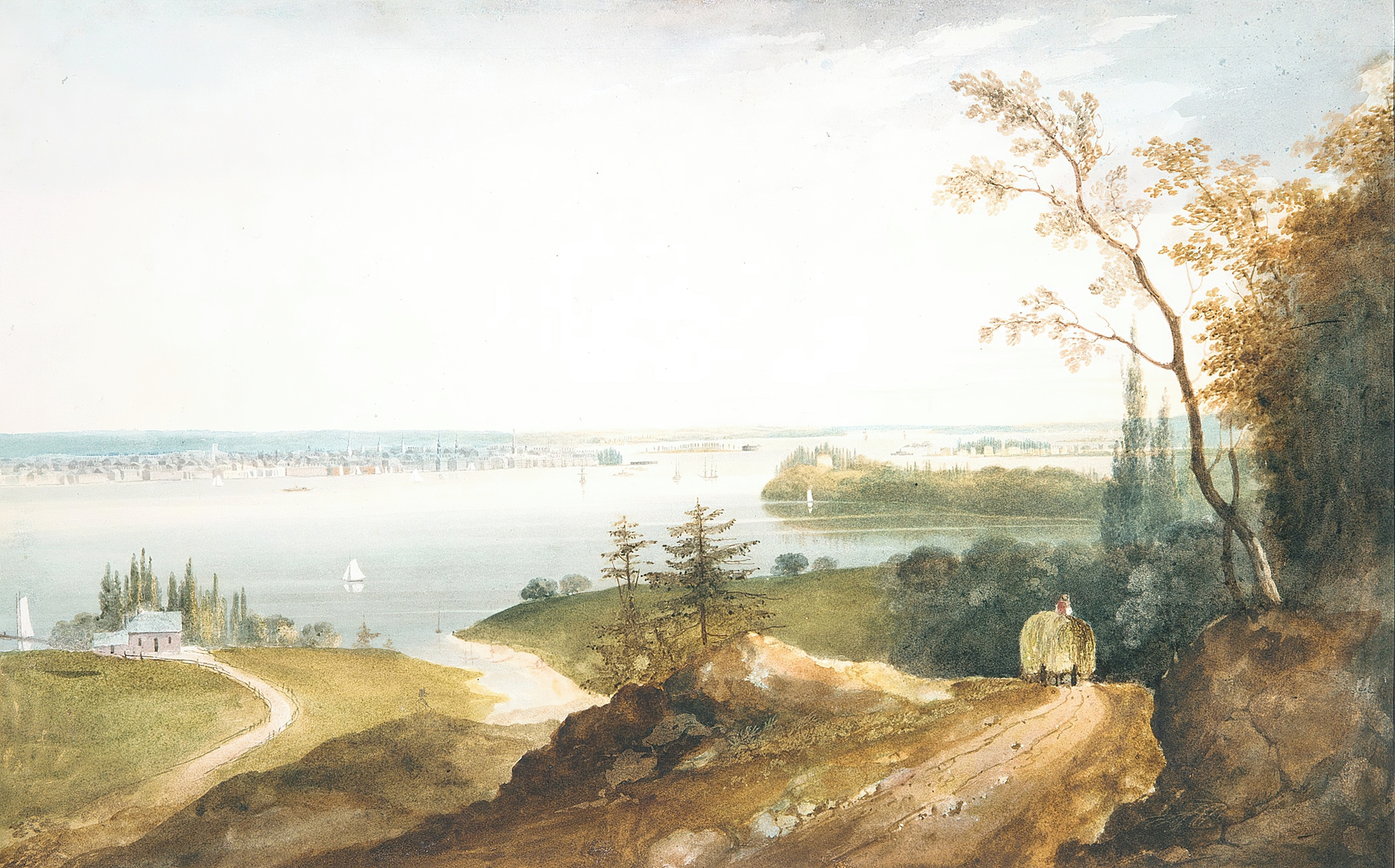
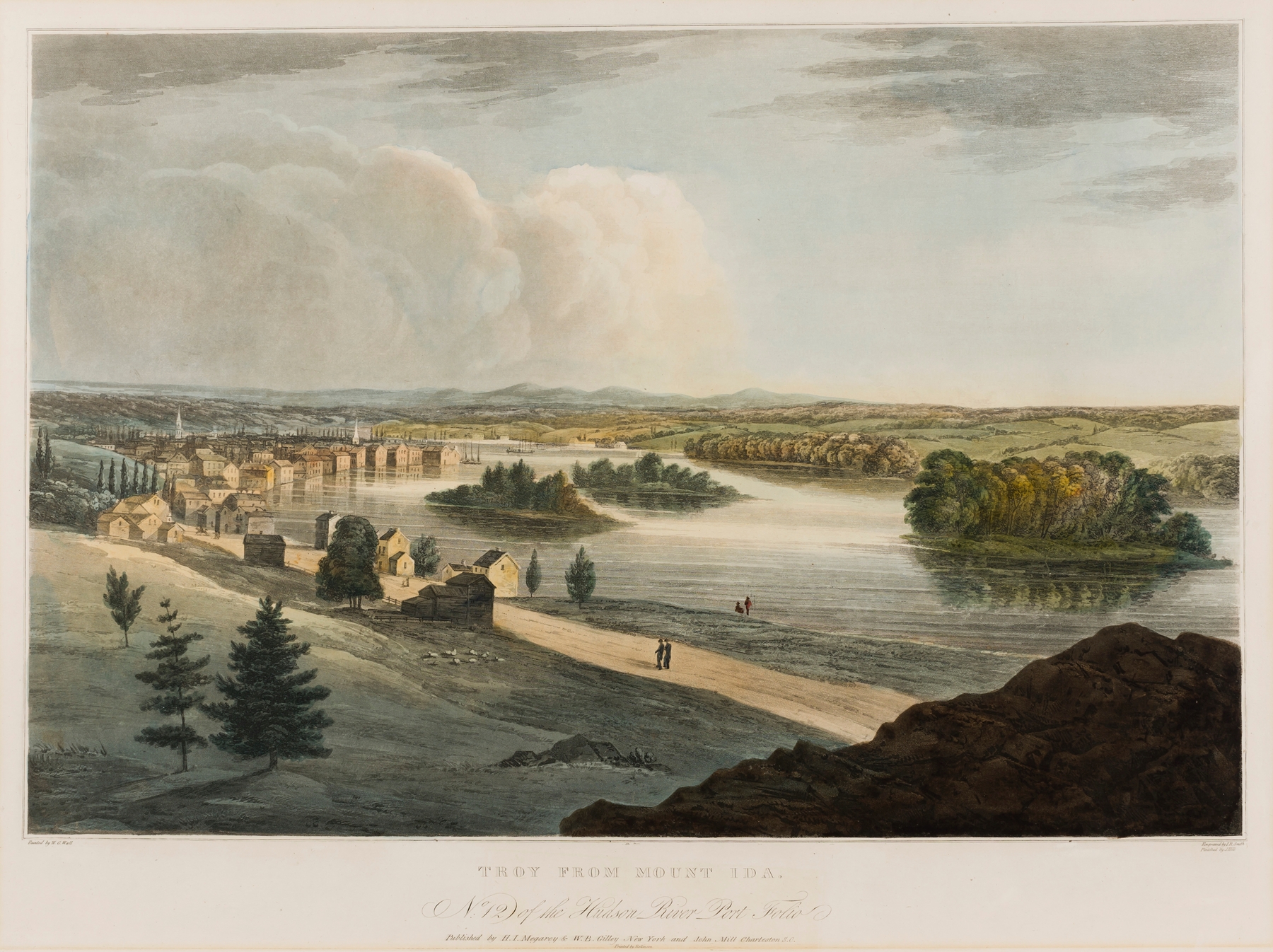
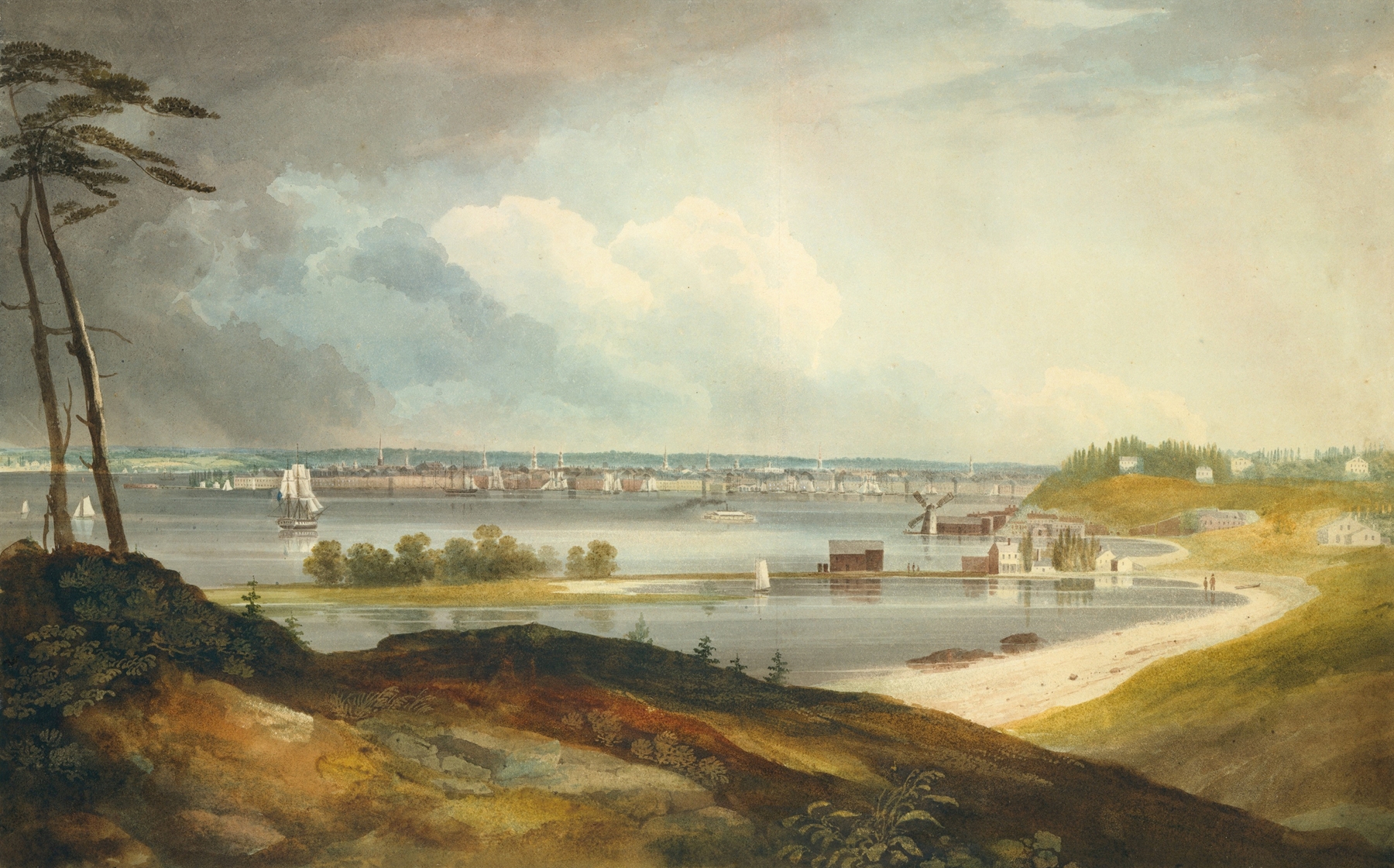
When did color learn to lie? In the stillness of a captured moment, a city breathes, yet the silence speaks volumes. Look to the foreground where the lush greens of the hills cradle the bustling city beyond. The artist's careful brushwork creates a soft texture, inviting the eye to wander over the vibrant expanse of New York.
The spires and buildings, depicted in muted tones, rise like whispers from a dream, while the delicate ripples of the East River reflect the gentle light, casting an ethereal glow across the canvas. Beneath the serene surface, emotional tensions simmer. The contrast between the tranquil landscapes in the foreground and the chaotic urban skyline suggests a deeper dialogue about progress and nature’s quiet resilience.
Each detail, from the soaring clouds to the distant boats, hints at the passage of time — a reminder of the city's relentless growth and the silence that often accompanies it. In the early 1820s, when this piece was painted, the artist was immersed in the burgeoning Romantic movement, seeking to capture the sublime beauty of the American landscape. Wall, living in New York, was influenced by the rapid industrialization transforming his surroundings, yet he chose to portray a moment of tranquility, reflecting both a yearning for nature and an acknowledgment of the inevitable encroachment of civilization.