View near Jessup’s Landing — History & Analysis
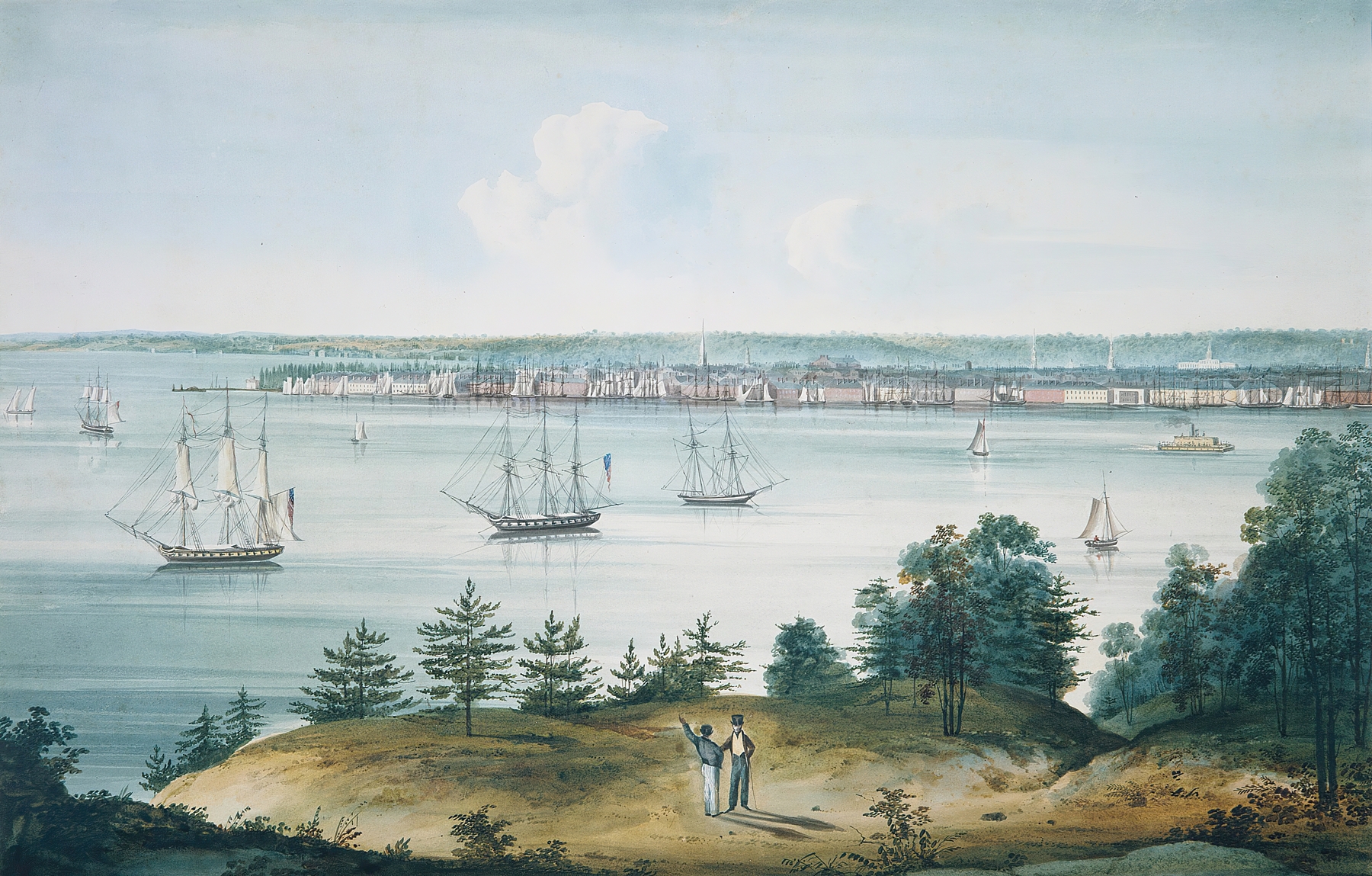
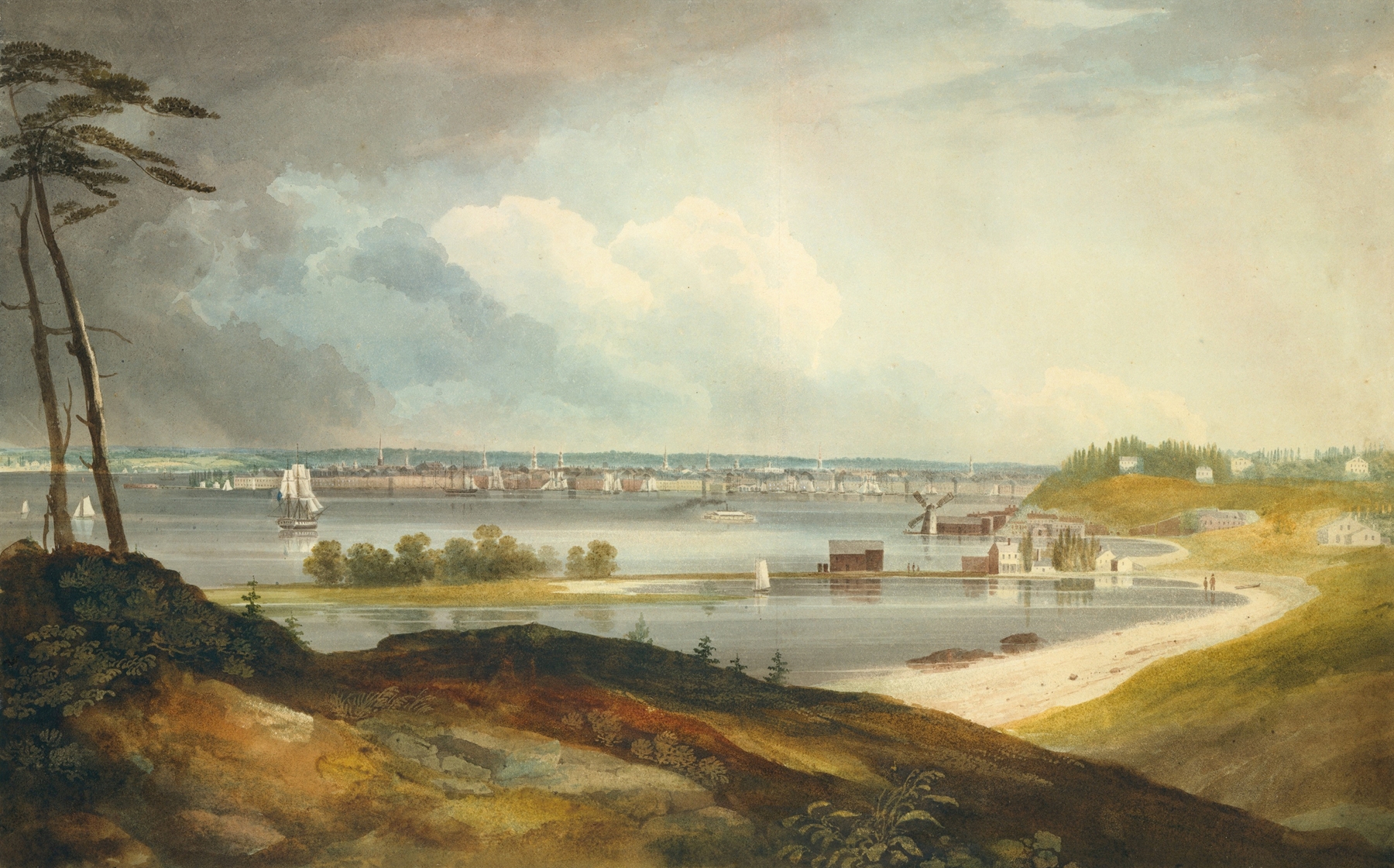
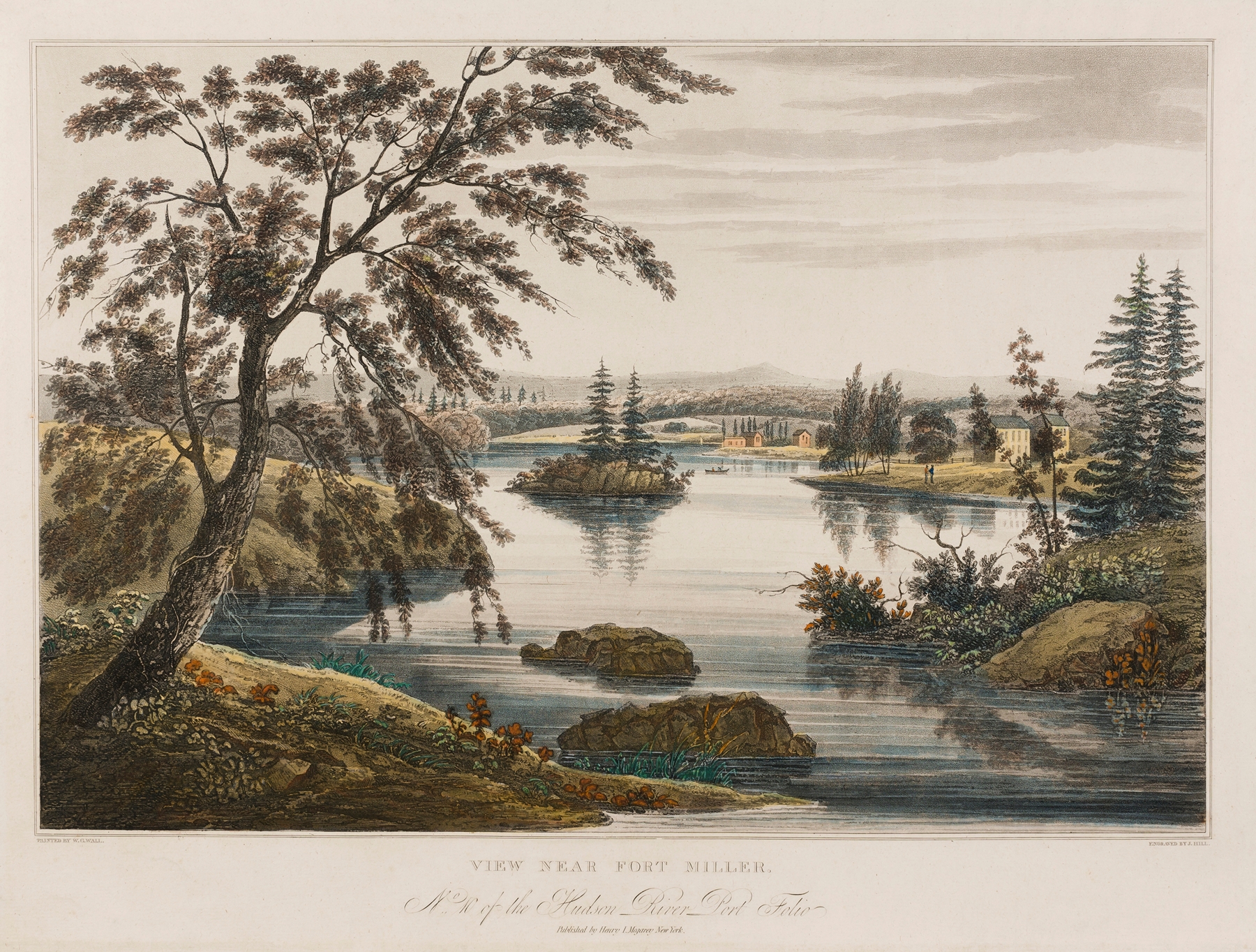
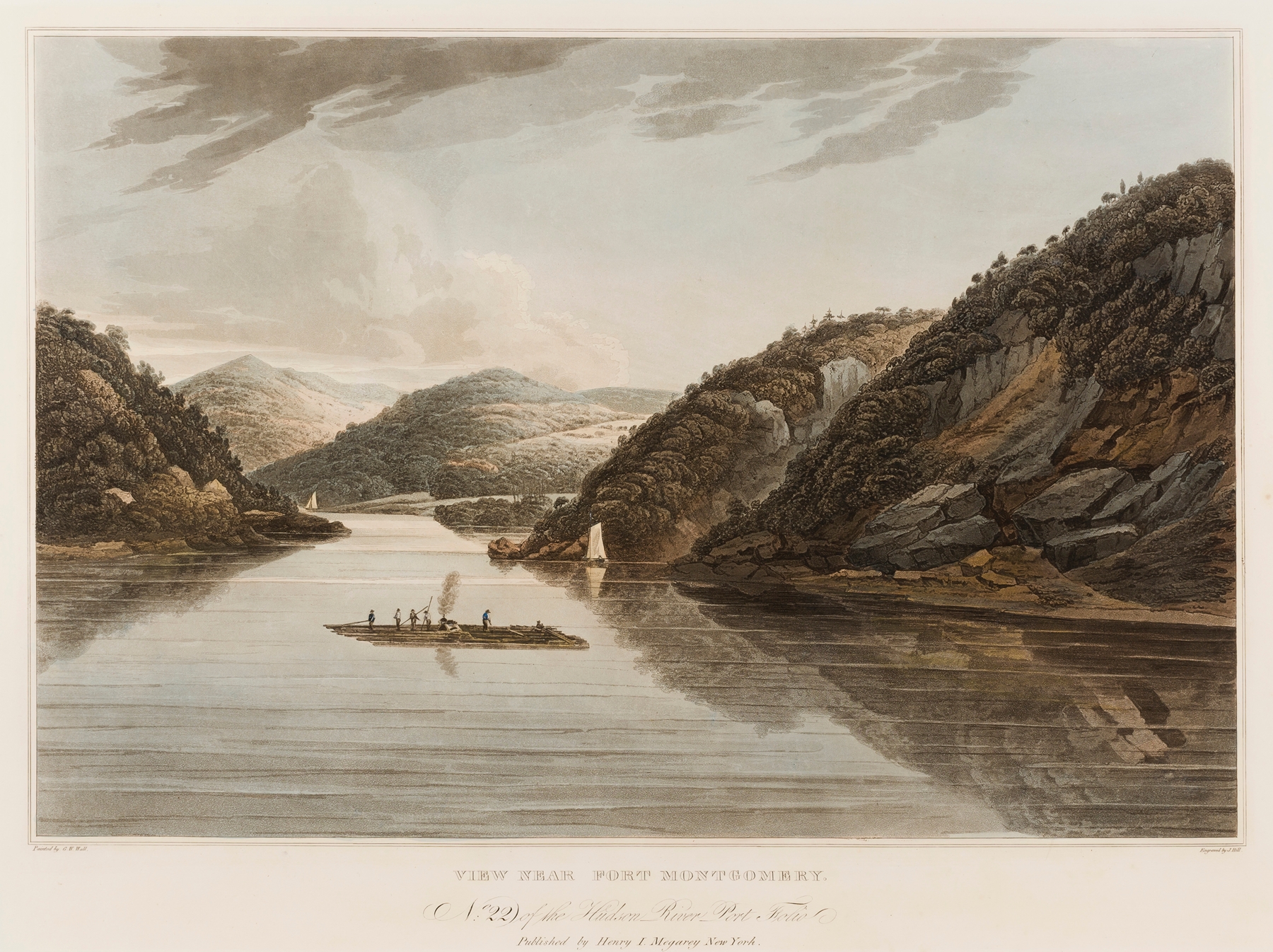
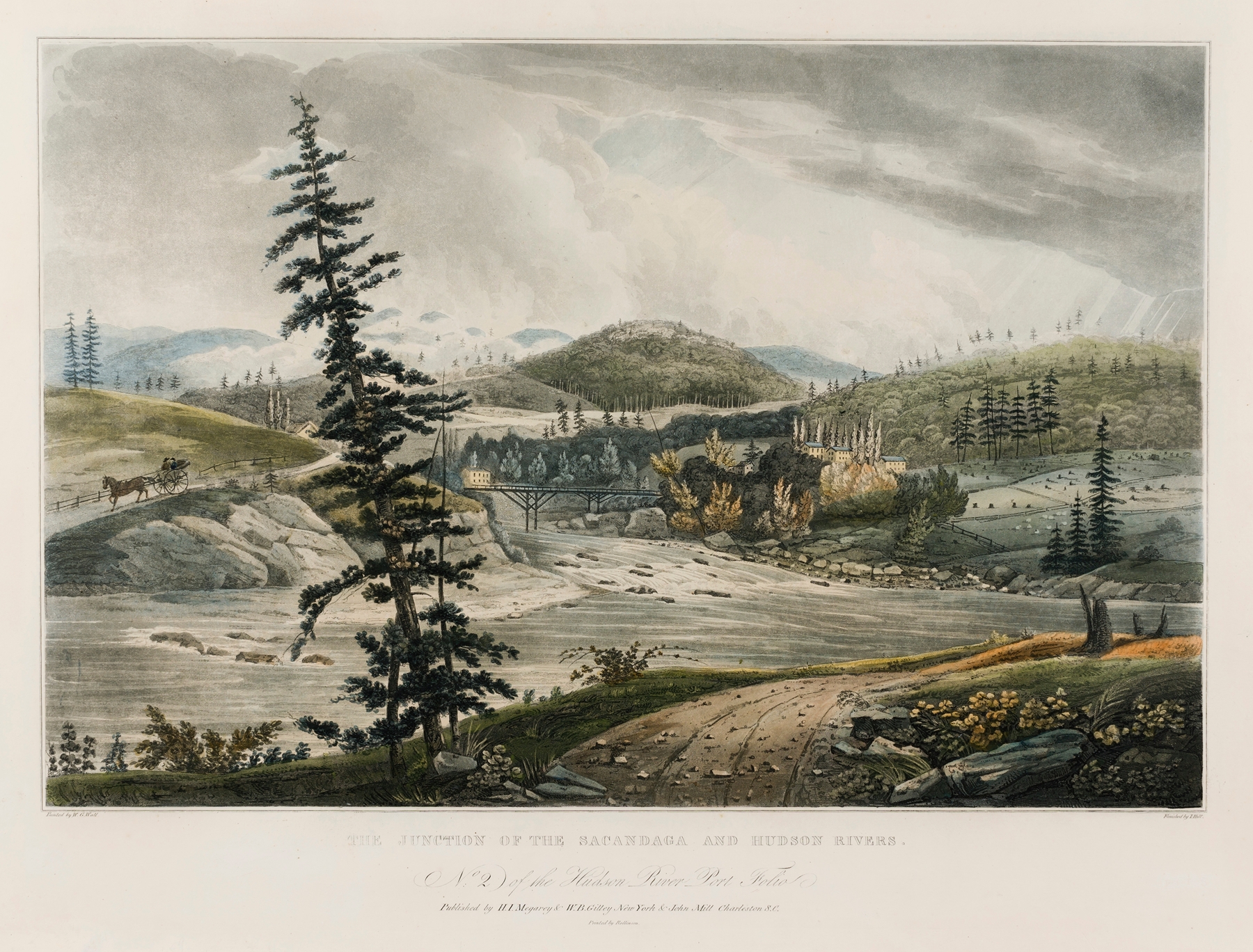
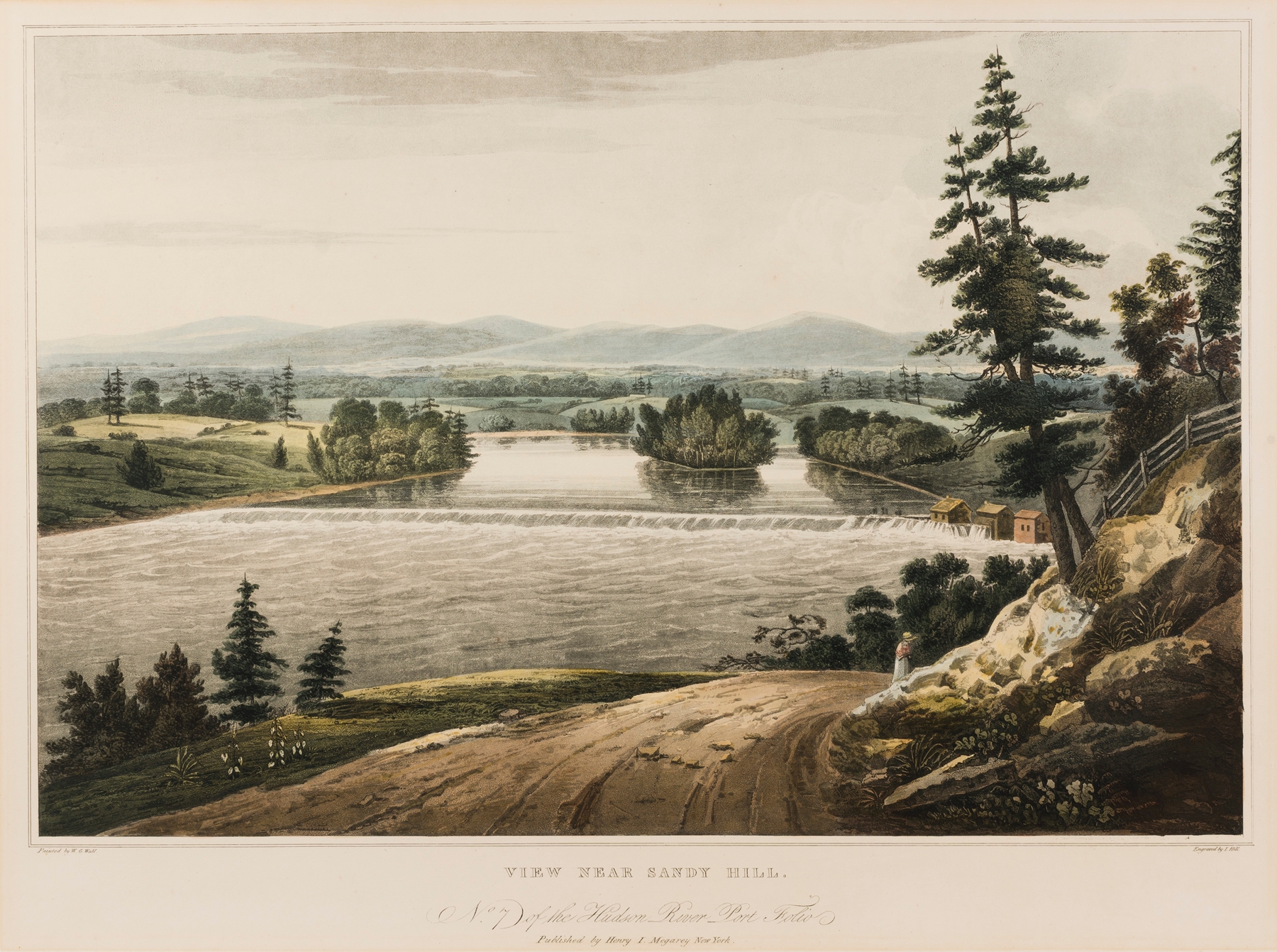
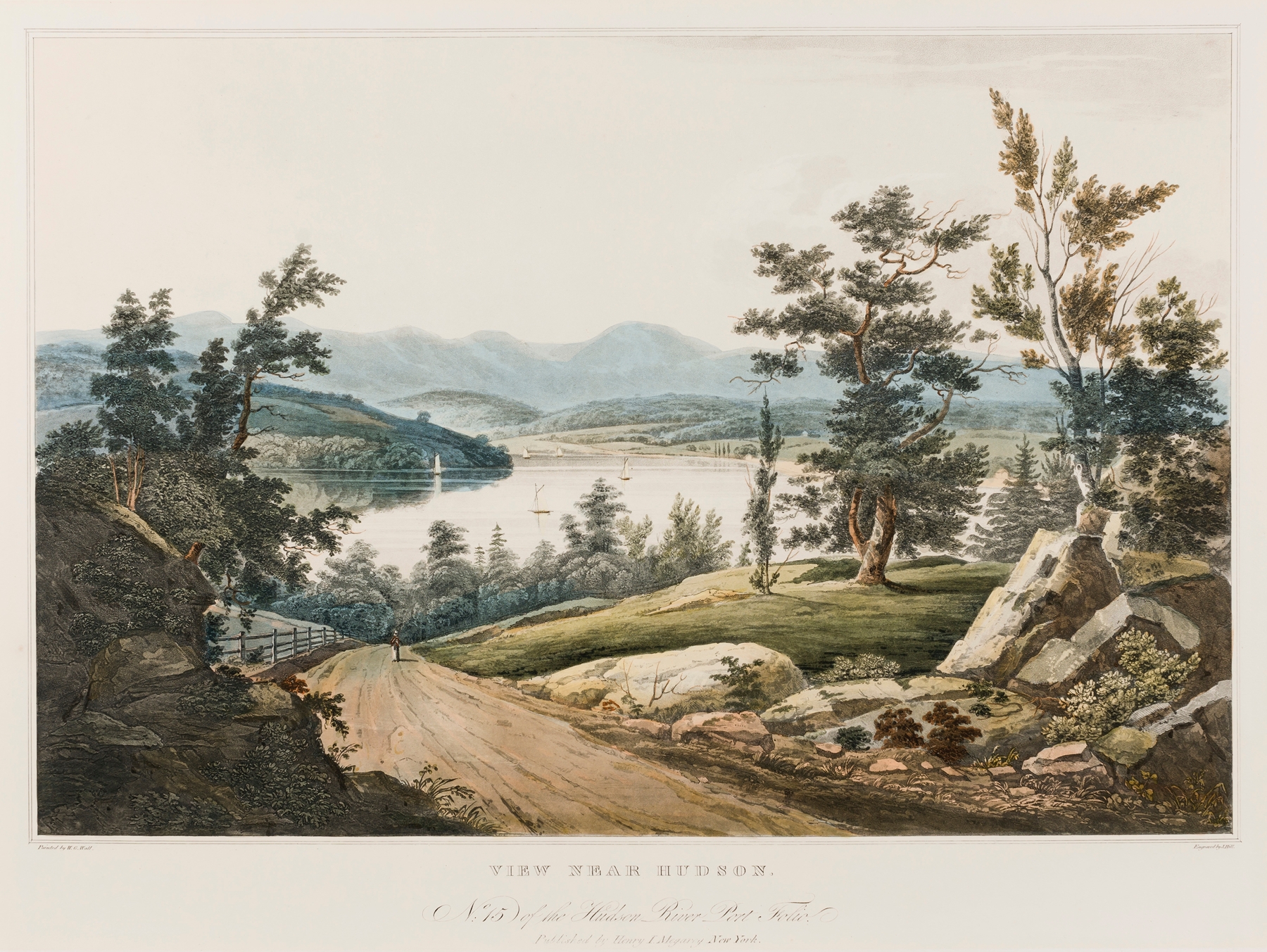
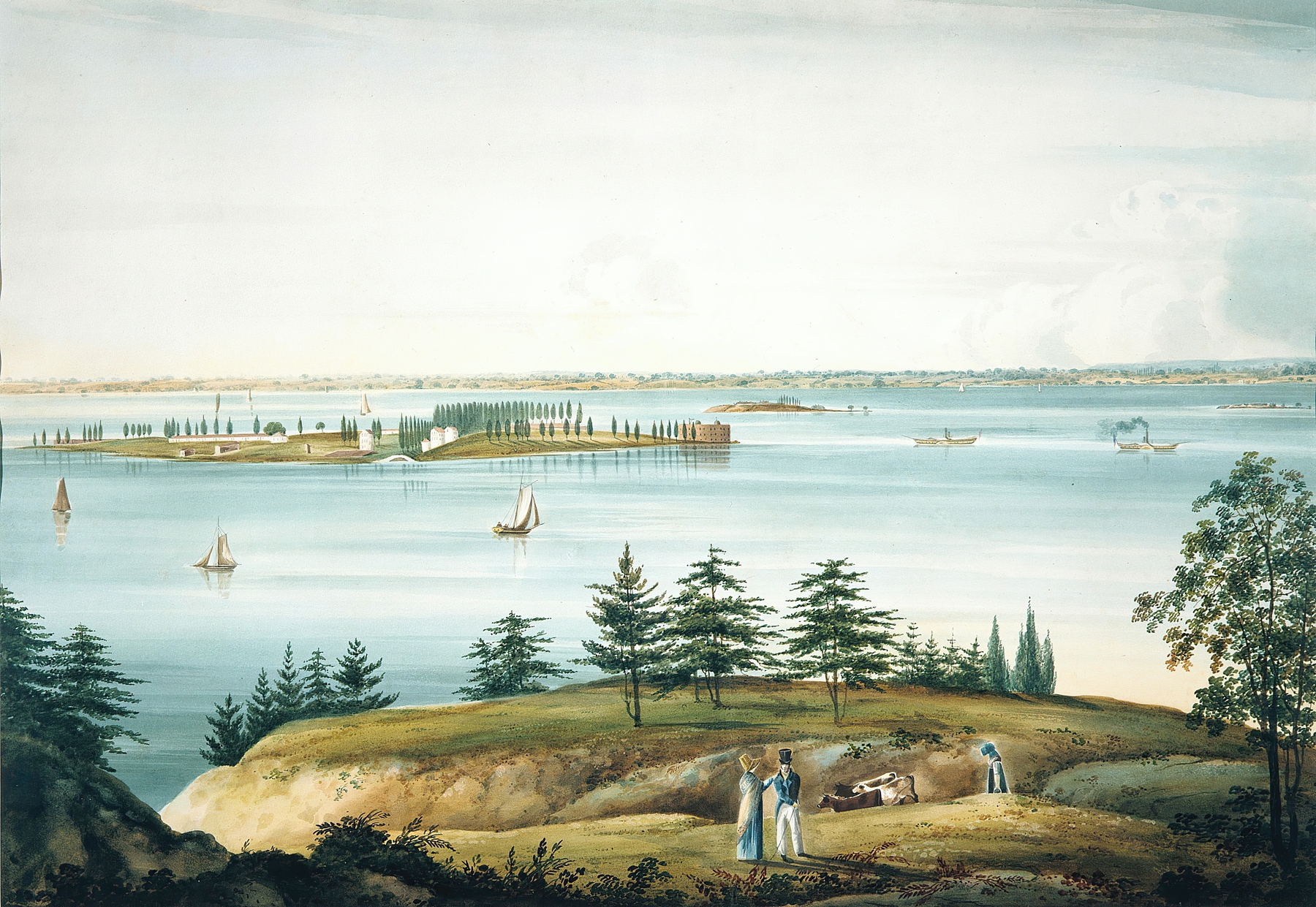
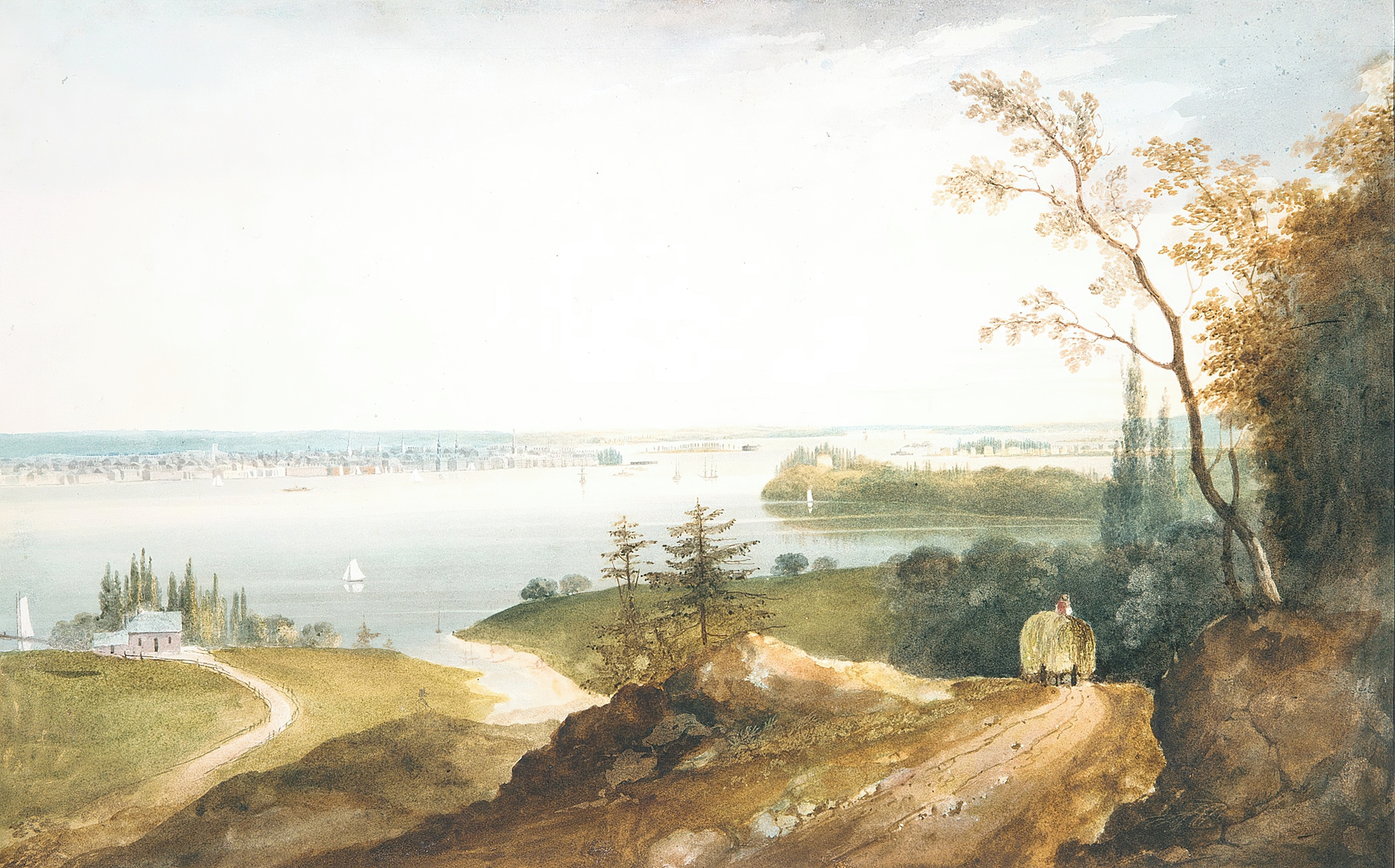
“Under the brush, chaos becomes grace.” In the tranquil embrace of nature, divinity reveals itself through the delicate interplay of light and shadow, transcending the mundane. Look to the foreground, where the river gracefully meanders, a sparkling ribbon reflecting the soft hues of the sky. Notice how the gentle strokes of green and gold evoke warmth, while the meticulous detailing of the foliage creates a vivid, tactile sense of place. The composition draws the eye from the serene water to the distant hills, punctuated by the wispy clouds that dance above.
This harmony of color and form invites a moment of pause, urging viewers to immerse themselves fully in the pastoral beauty. Yet, beneath the serene surface lies a complex emotional juxtaposition. The juxtaposition between the serene landscape and the looming mountains may suggest the tension between humanity and nature, an acknowledgment of the sublime that exists just beyond the idyllic scene. The tranquil water reflects not just the surroundings, but perhaps the deeper, unspoken yearnings of the soul—an invitation to ponder the divine in everyday moments.
Each brushstroke seems to whisper secrets of the earth, echoing the spiritual resonance that nature holds. Created between 1821 and 1822, this work emerged during a period of transformation in American landscape painting, capturing the burgeoning appreciation for the natural world. Wall painted it while residing in New York, a time when the Hudson River School was beginning to take root, championing an idealization of the American landscape that celebrated both beauty and spirituality. His work stands as a significant contribution to this artistic movement, blending realism with a sense of the divine in nature.