View near Fort Miller — History & Analysis
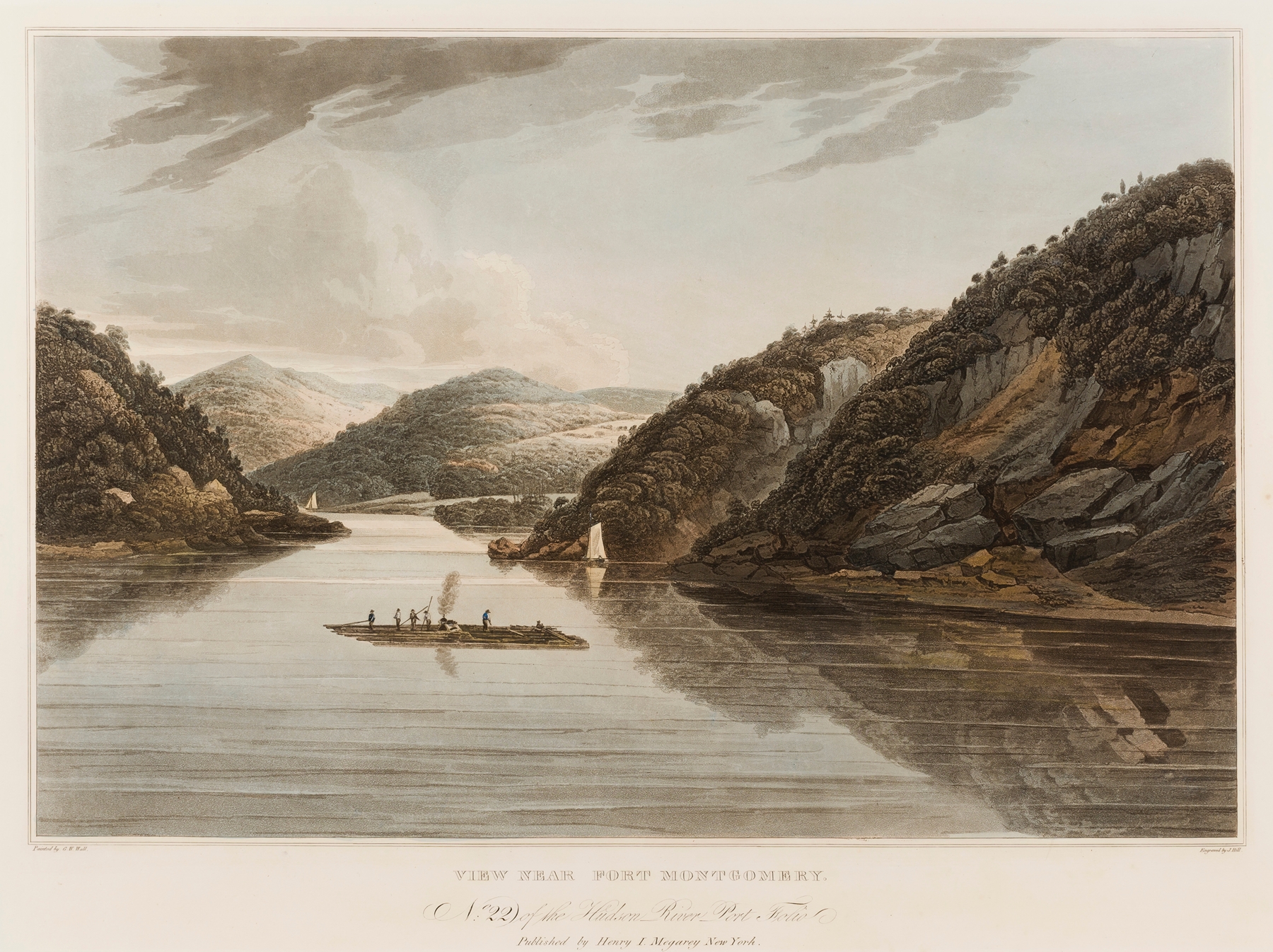
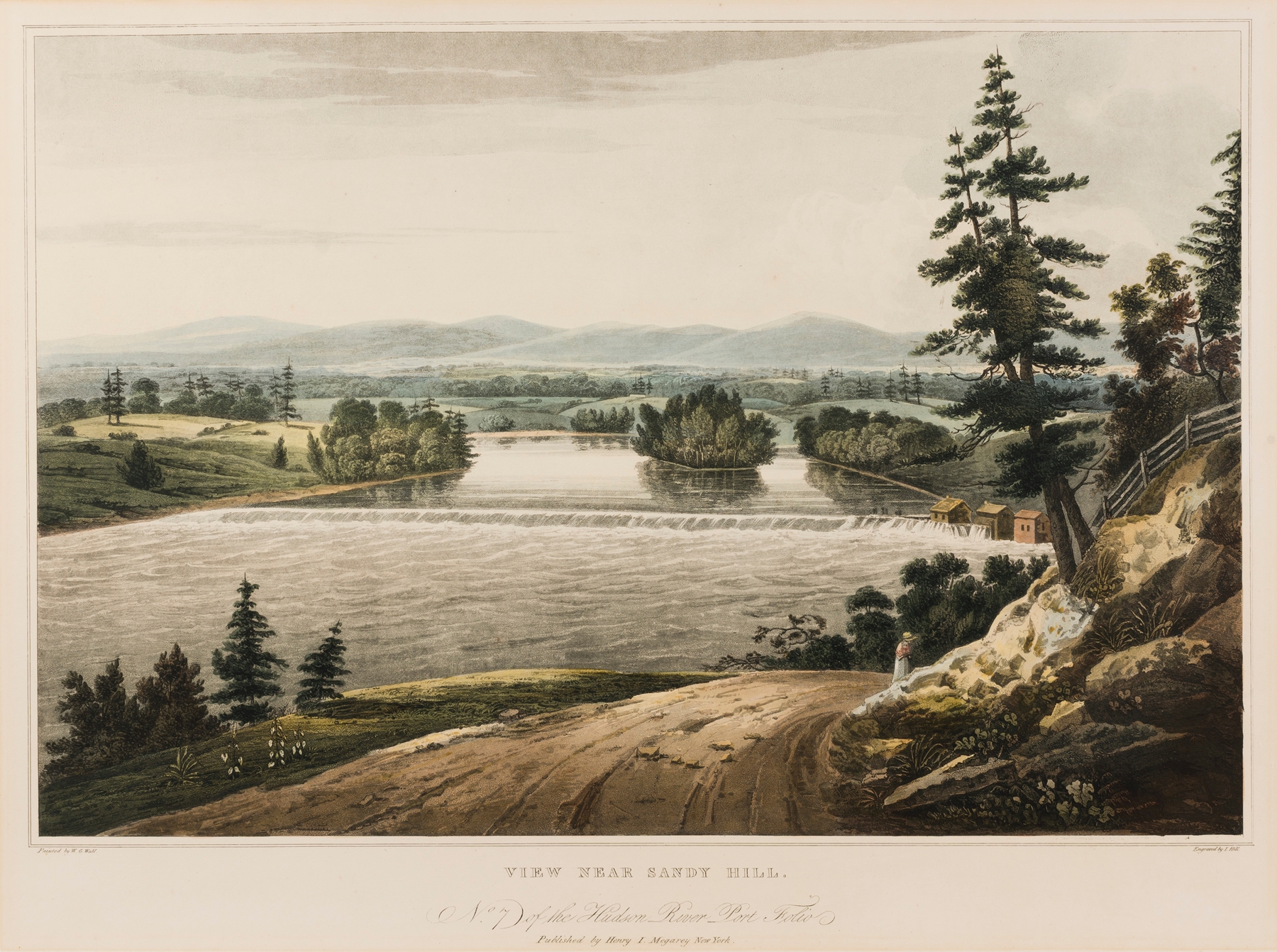
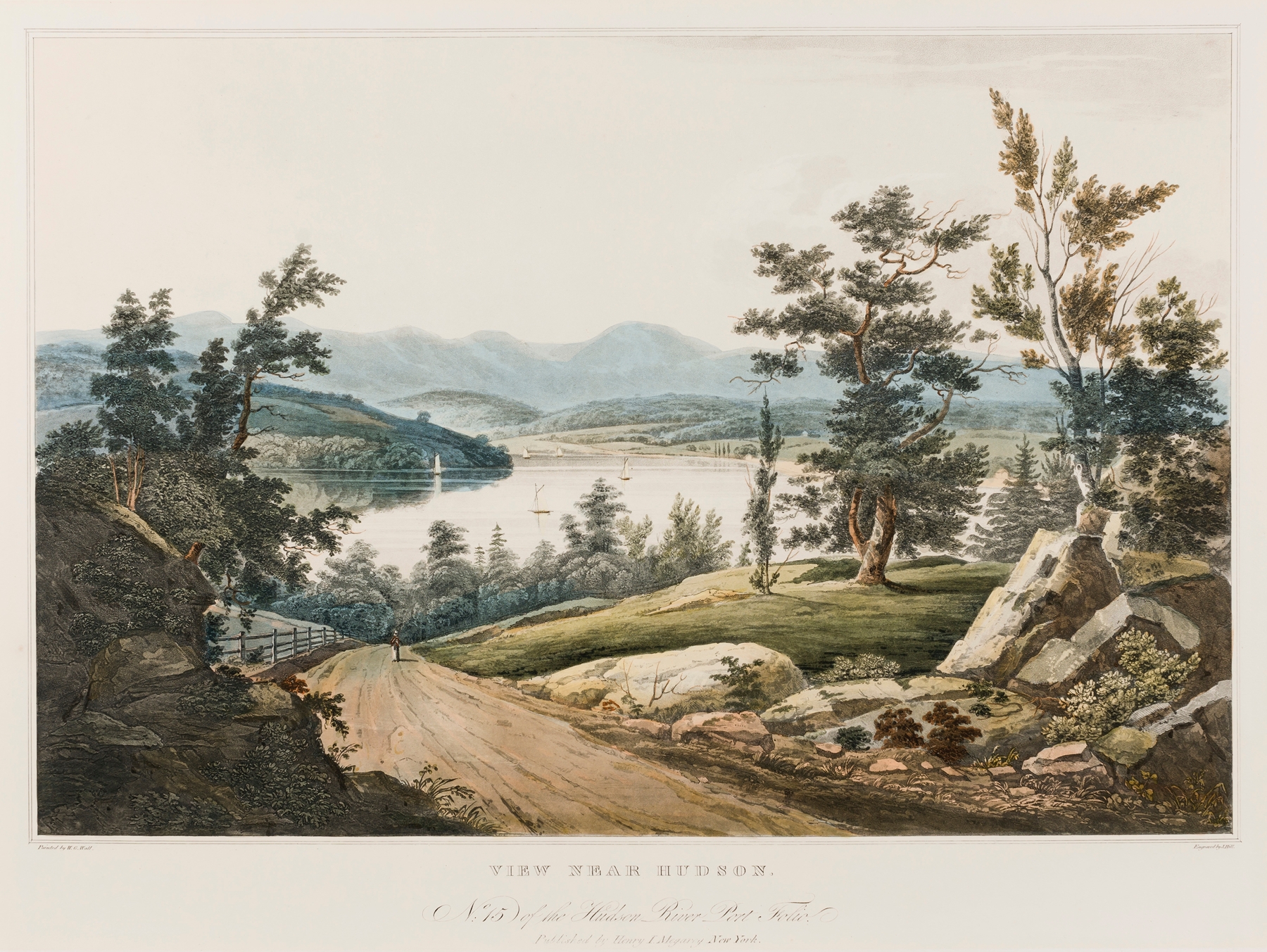
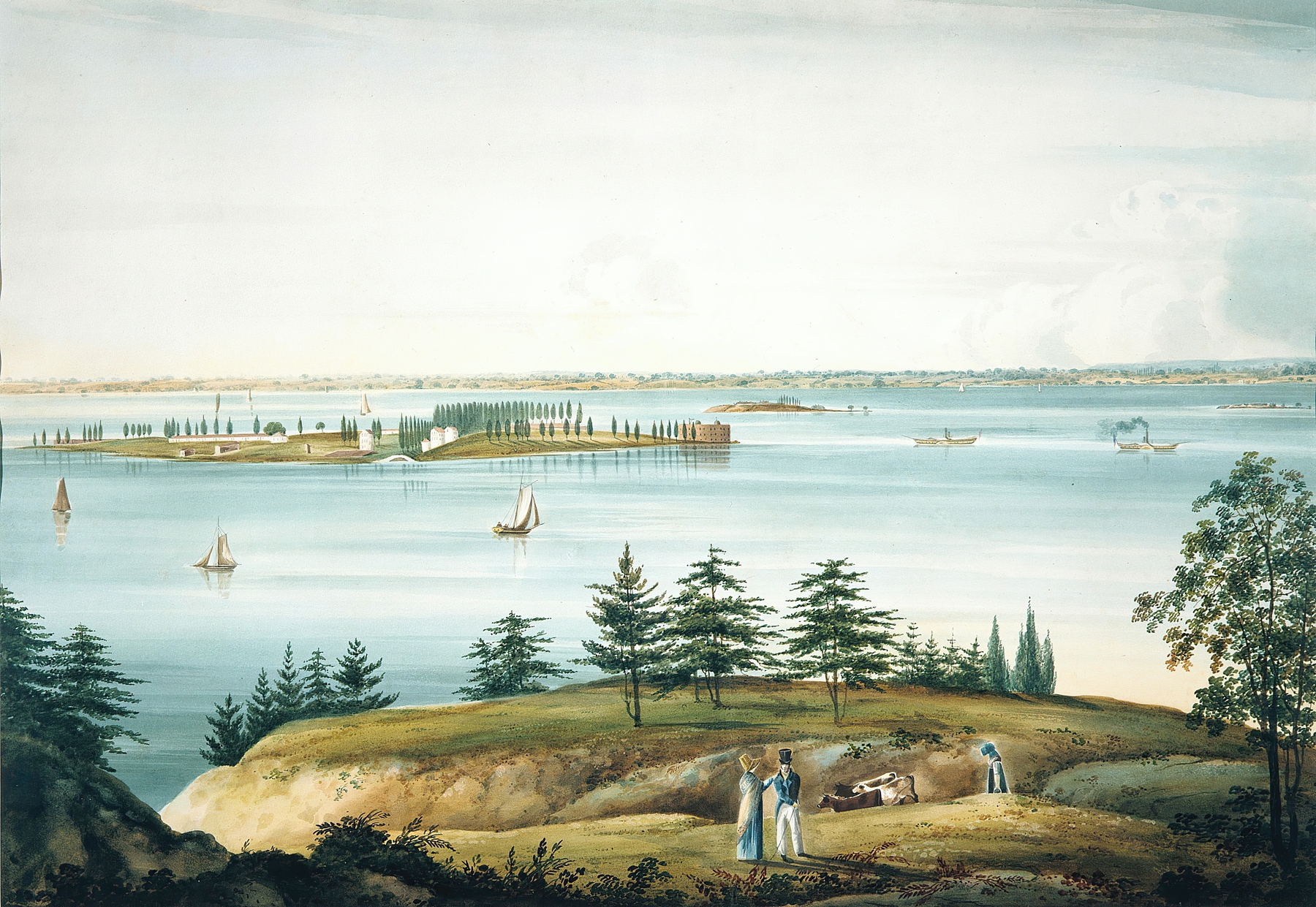
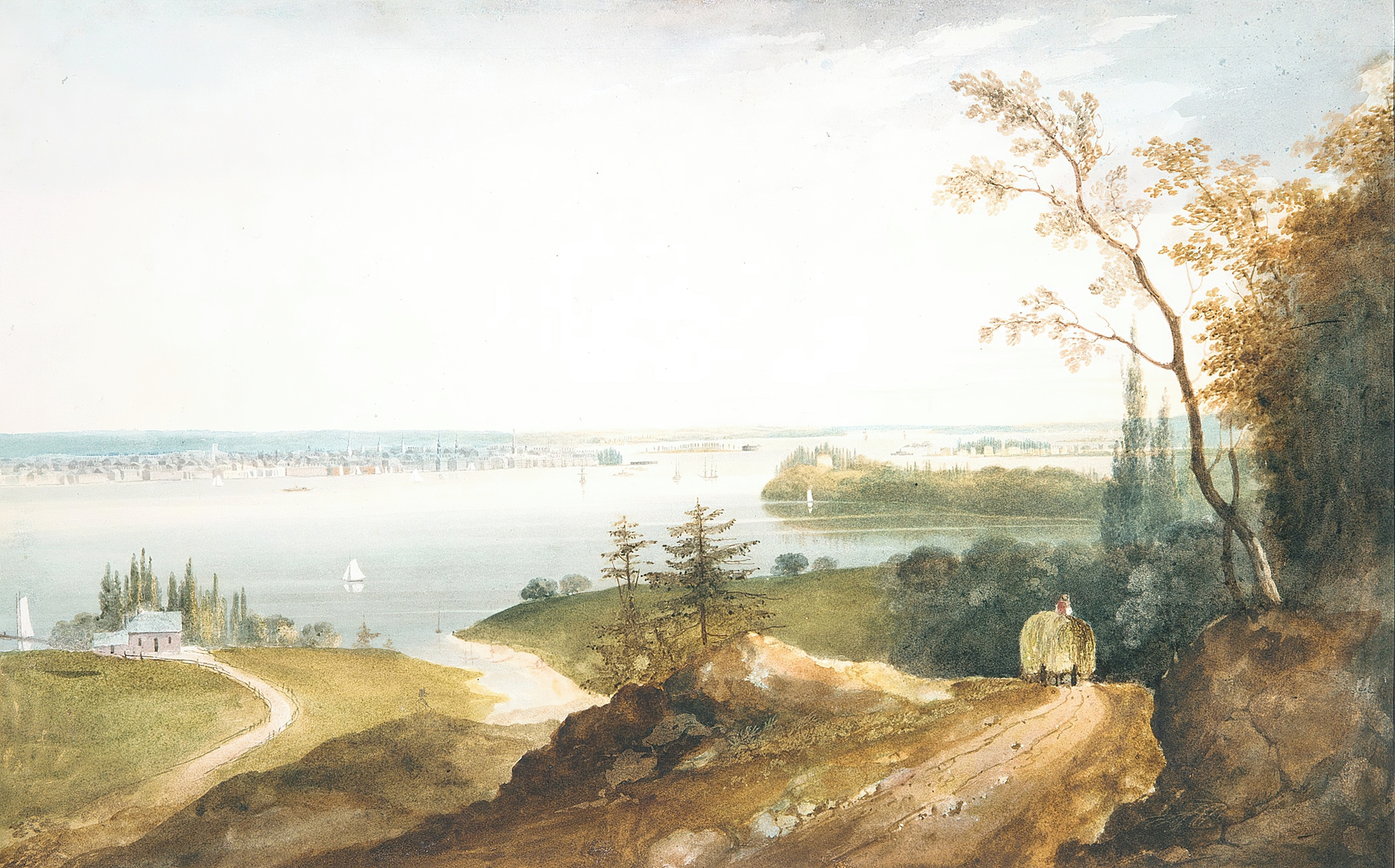
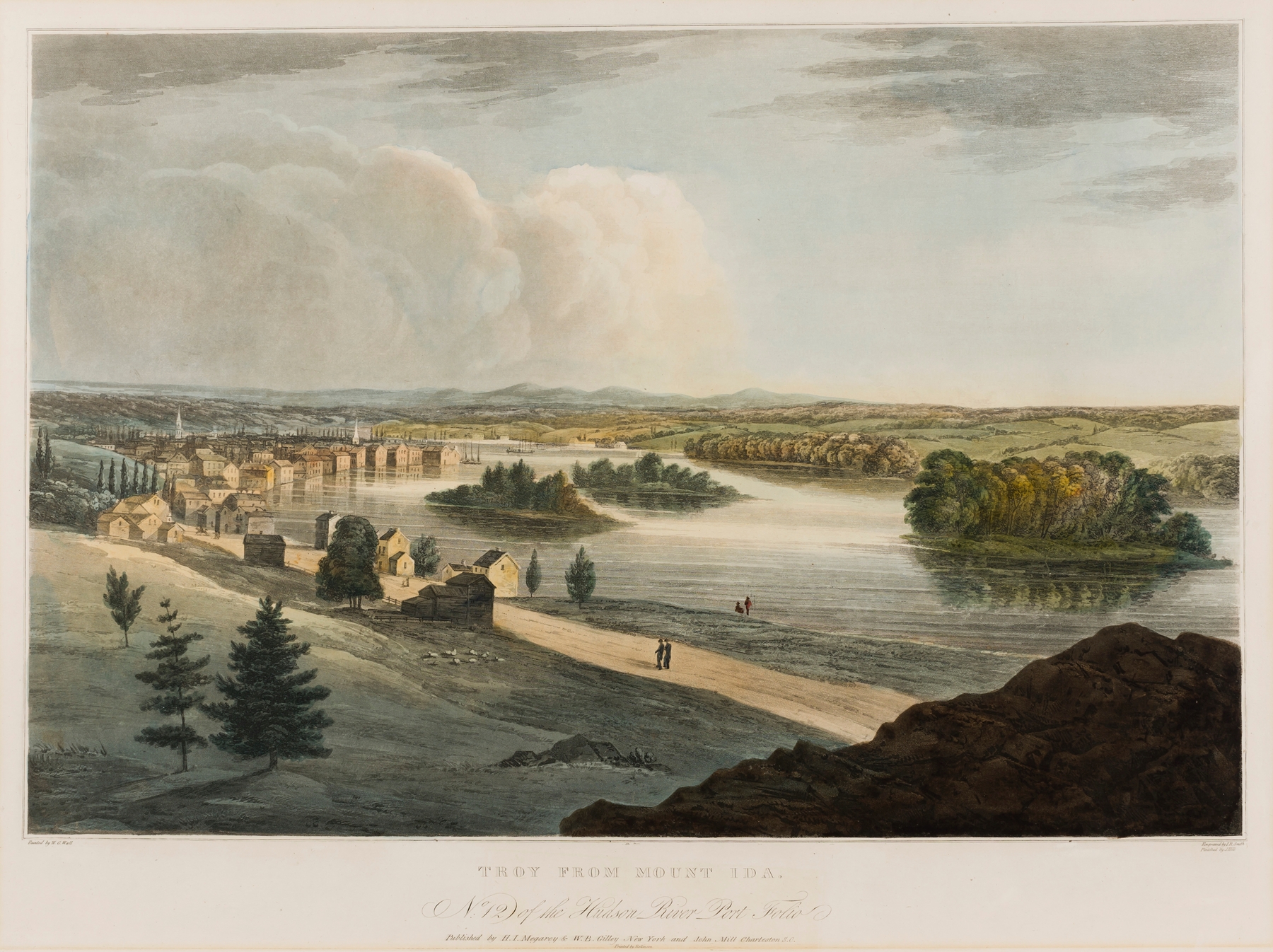
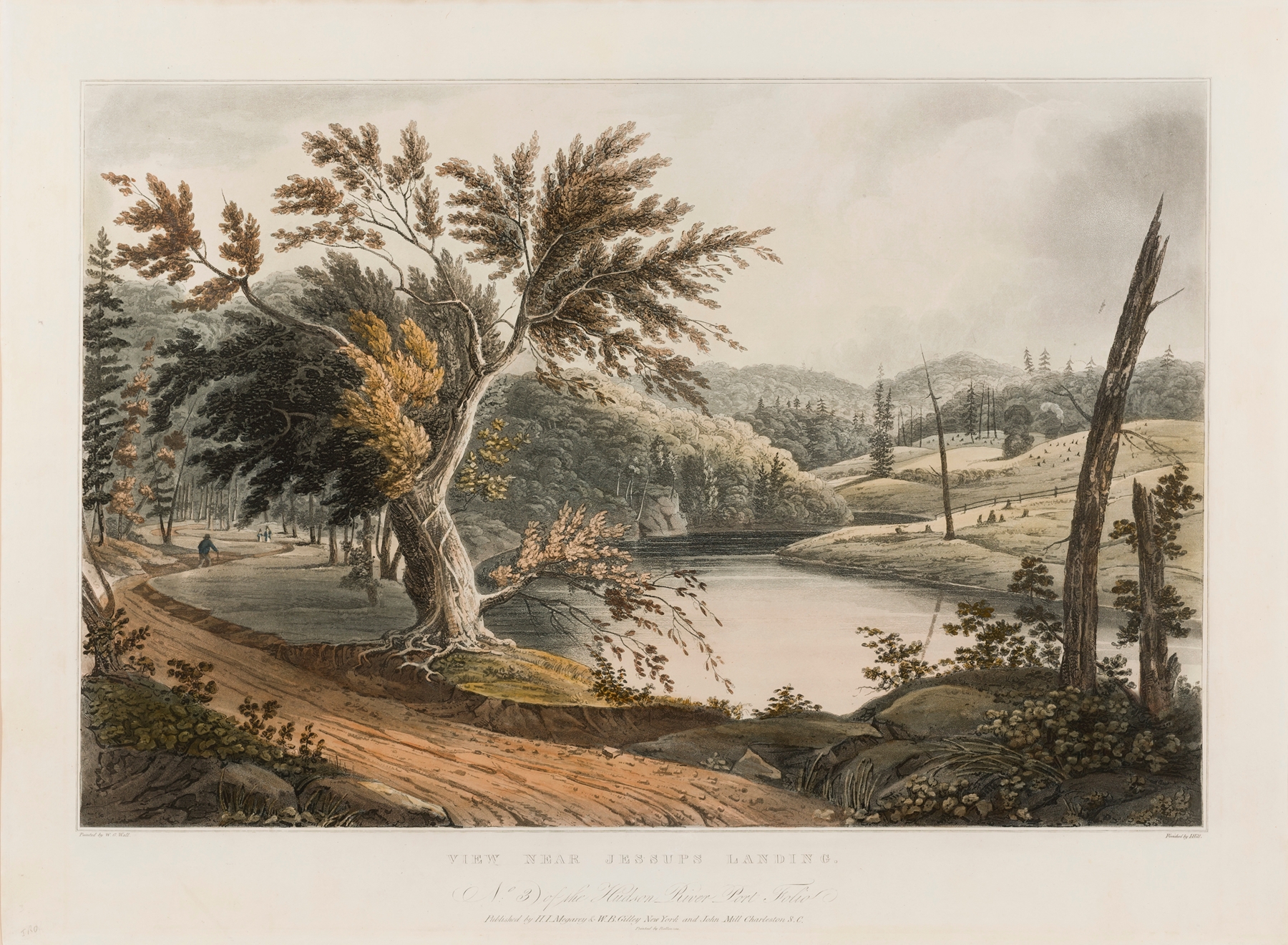
“The canvas doesn’t lie — it simply waits.” In that waiting, a story unfolds, steeped in an obsession with the fleeting beauty of nature and the passage of time. Look to the foreground at the gentle flow of the river, where sunlight bathes the water in shimmering golds and blues. The composition draws the eye across the landscape, guiding us from the vibrancy of the lush trees on the left to the distant hills that hold secrets under a soft, hazy sky. Wall's use of delicate brushstrokes captures the ethereal quality of light, inviting viewers to immerse themselves in the tranquility of this pastoral scene.
Beneath the serene surface lies a poignant tension between man and nature. The lone figure on the riverbank, seemingly absorbed in contemplation, embodies the delicate balance of solitude amidst the vastness of the natural world. The gentle ripples of the water contrast with the sturdy trees, hinting at the interplay between the transient and the eternal — a reminder of our own fleeting moments against nature's timeless backdrop.
In 1822, Wall painted this piece while residing in the burgeoning art scene of New York City. It was a time of exploration and discovery, as artists sought to capture the American landscape in new ways, echoing a growing national identity. His work emerged from a period marked by both the allure of the wilderness and the encroaching hand of civilization, reflecting the complexities of a young nation grappling with its own obsessions.