The Junction of the Sacandaga and Hudson Rivers — History & Analysis
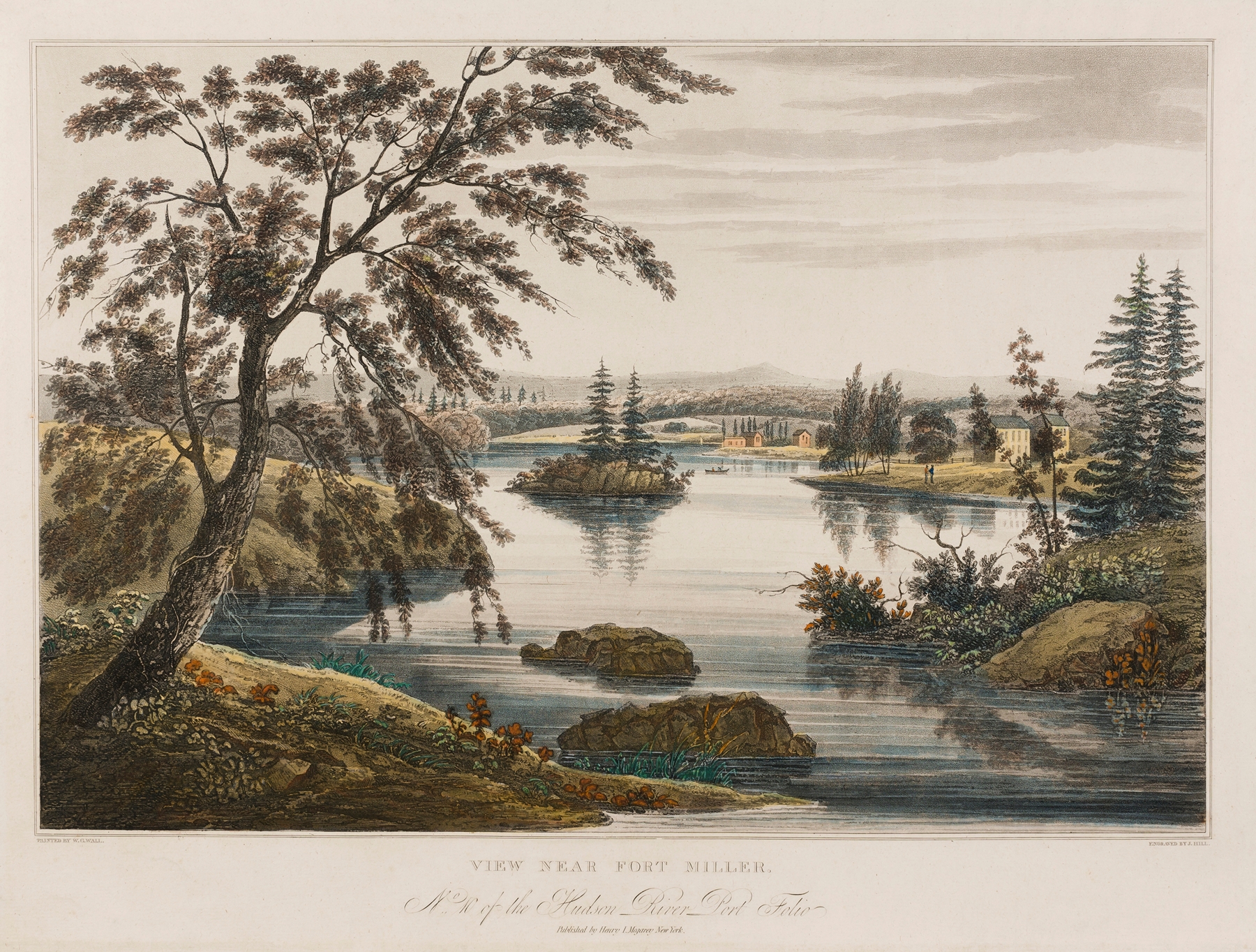
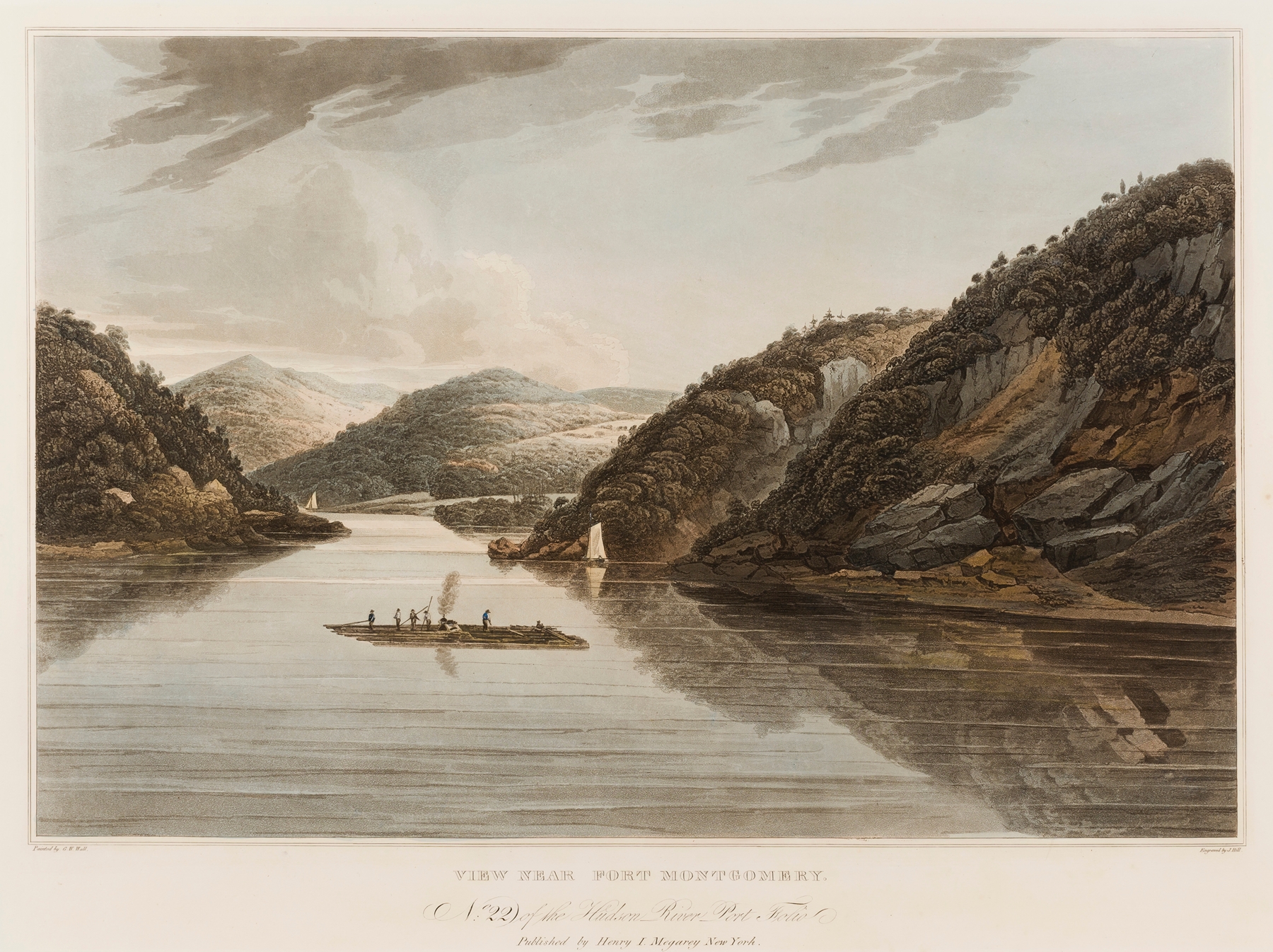
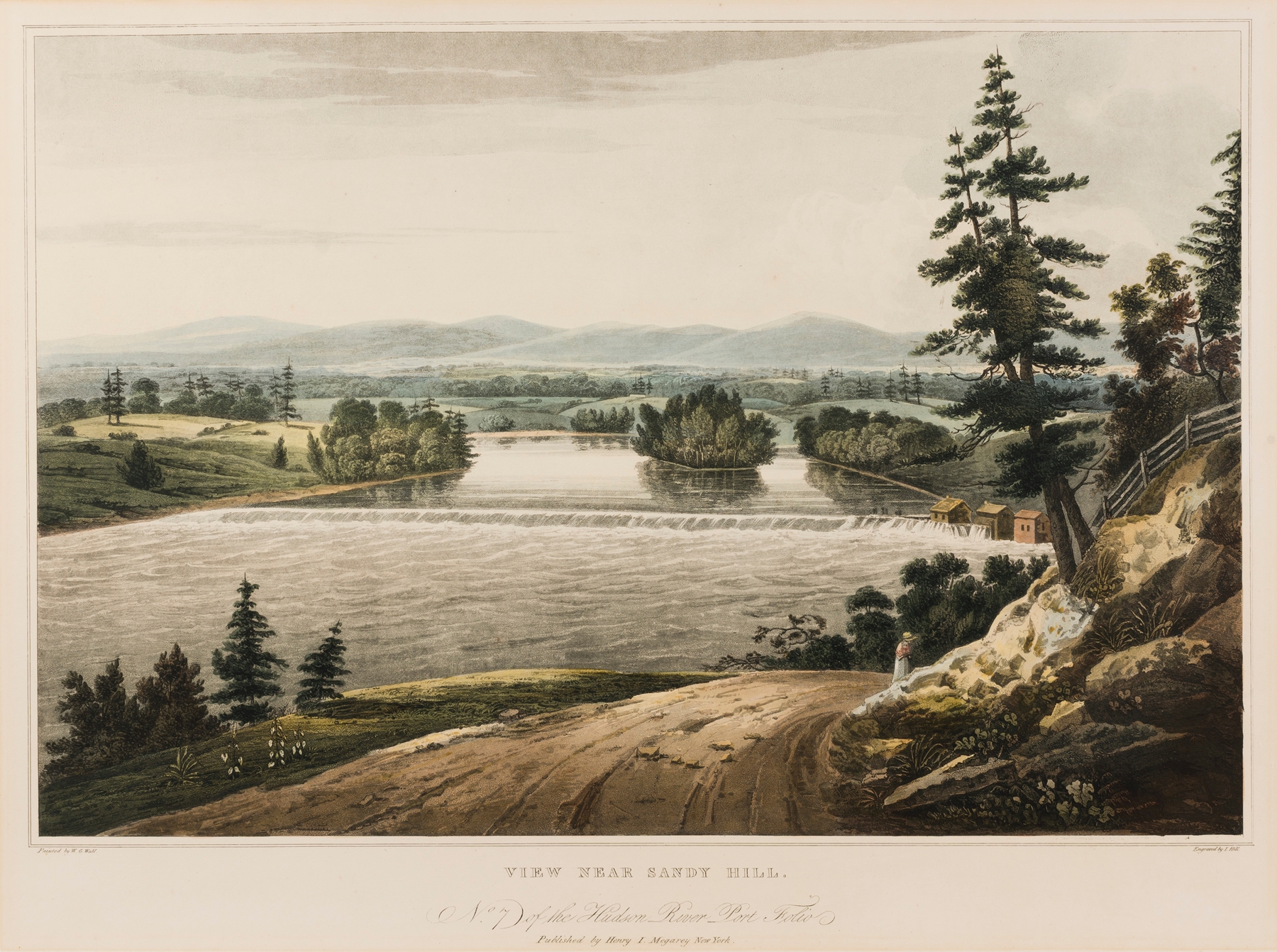
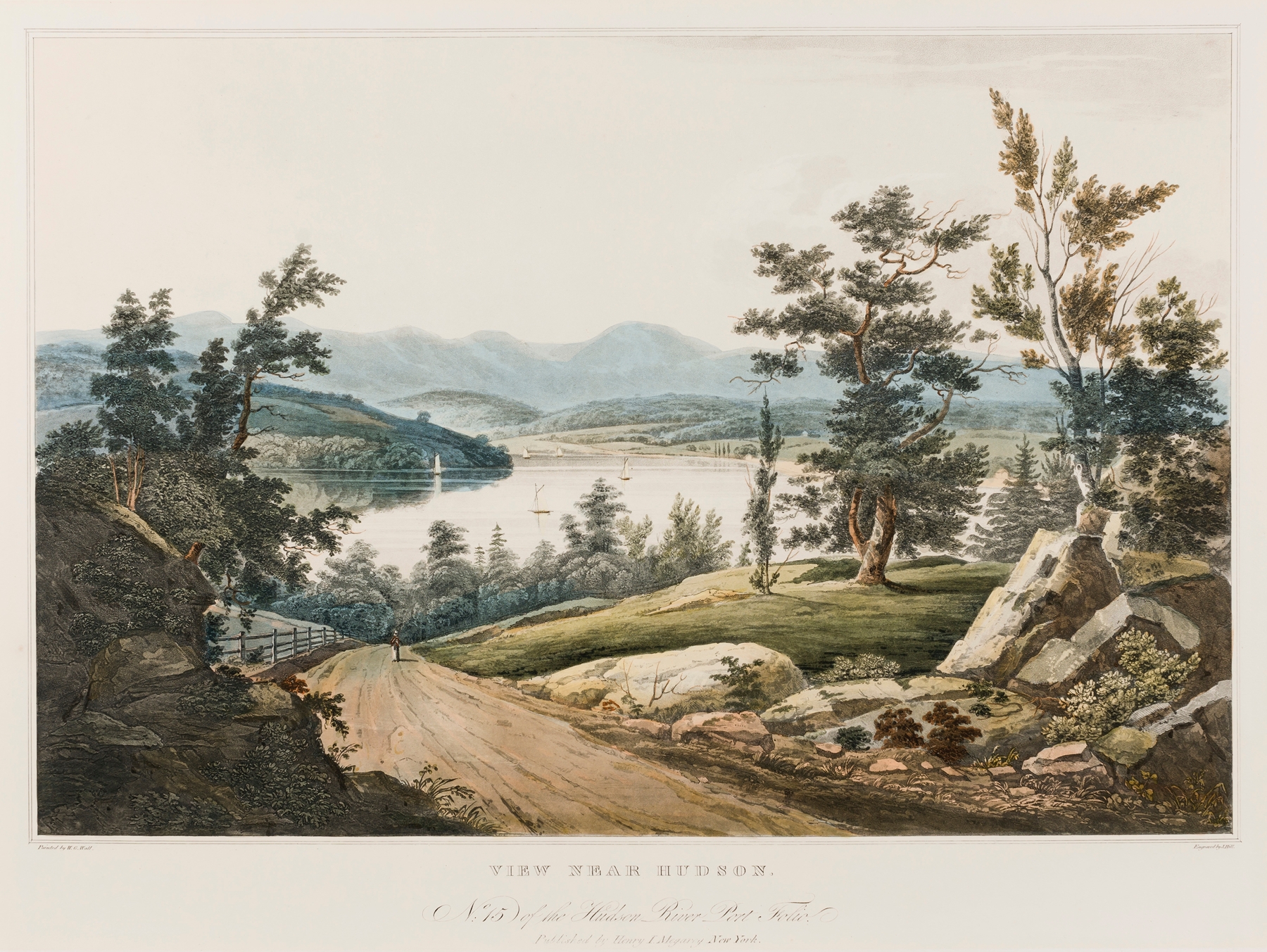
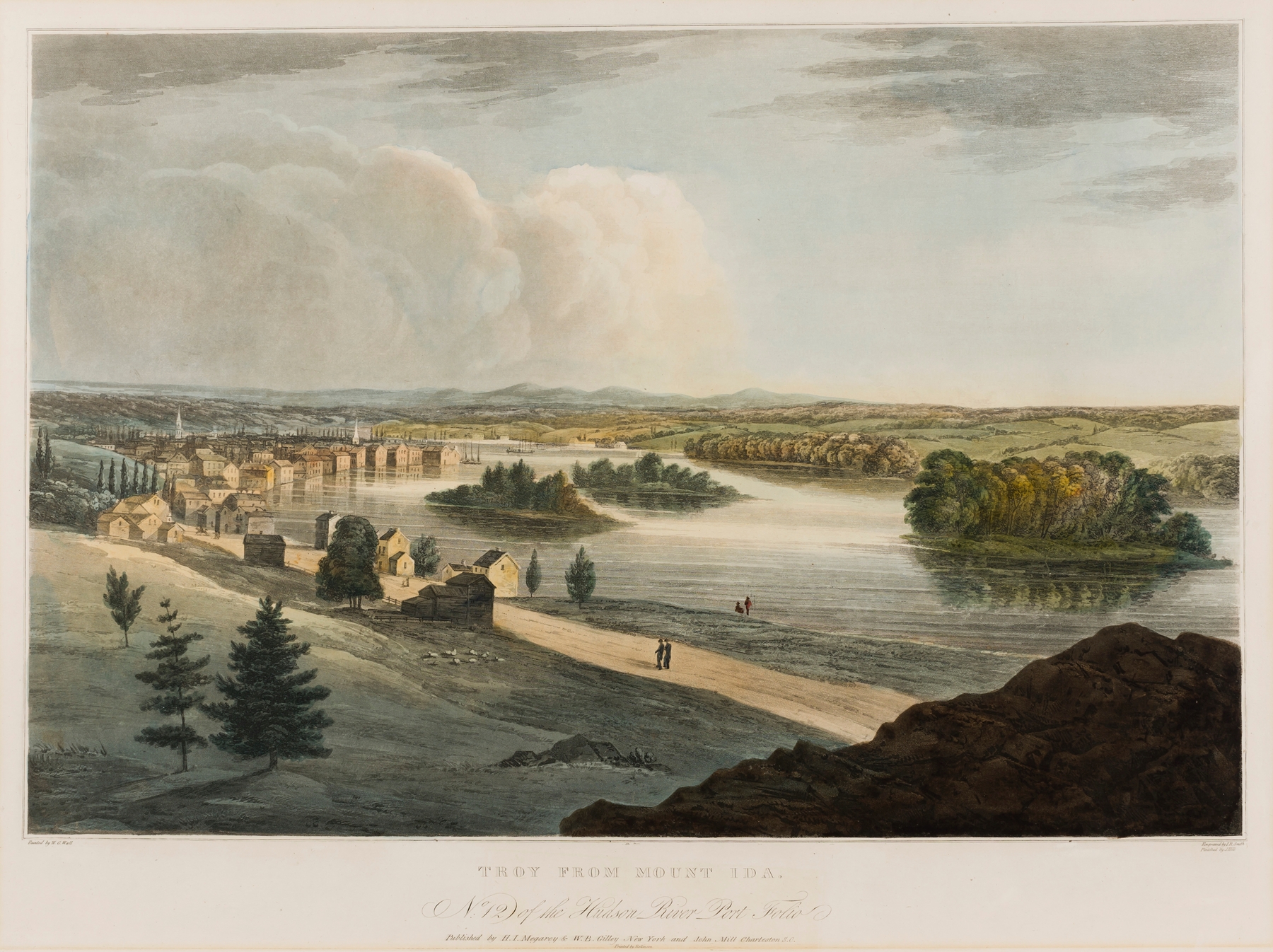
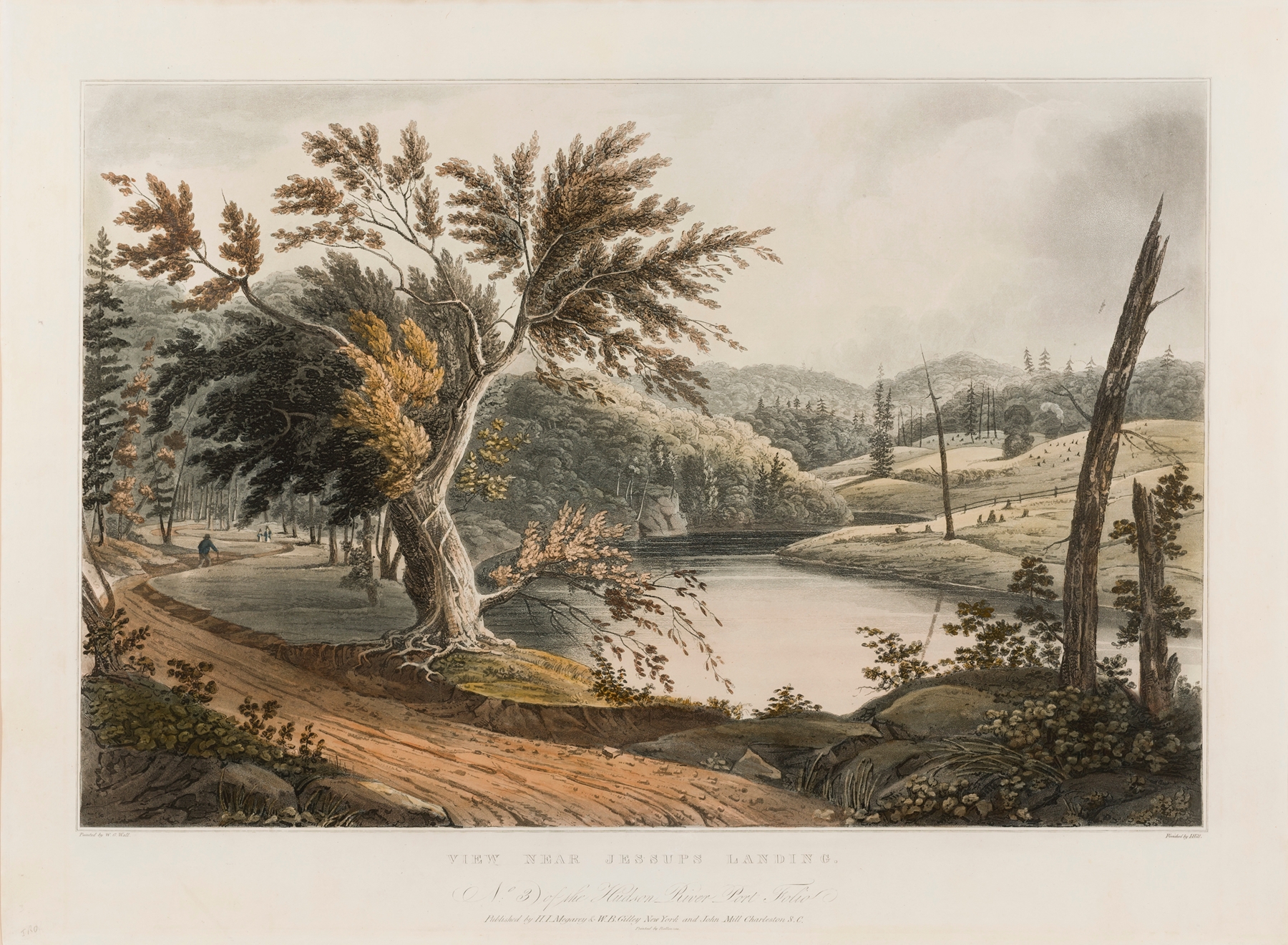
“Every silence here is a confession.” In the stillness of this natural landscape, shadows weave intricate narratives, whispering secrets of time and place that remain unspoken yet deeply felt. Look to the center of the composition where the dark shadows of the trees cradle the merging rivers, their surfaces shimmering with light like a mirror reflecting the world above. The cool blues and greens dominate, but the warm ochres in the foliage suggest a moment pulled from autumn, promising change.
Each brushstroke is deliberate, highlighting the interplay of light and shadow, creating a rhythmic dance that guides the viewer's gaze along the flowing waterways. As you explore further, notice how the convergence of the rivers symbolizes a meeting of destinies—how nature’s elements converge yet remain distinct, much like the life stories of those who traverse this landscape. The looming mountains in the background stand as silent sentinels, witnessing the passage of time and human endeavor, while the shadows cast by the trees hint at both shelter and mystery, a reminder of the unseen histories that shape our present.
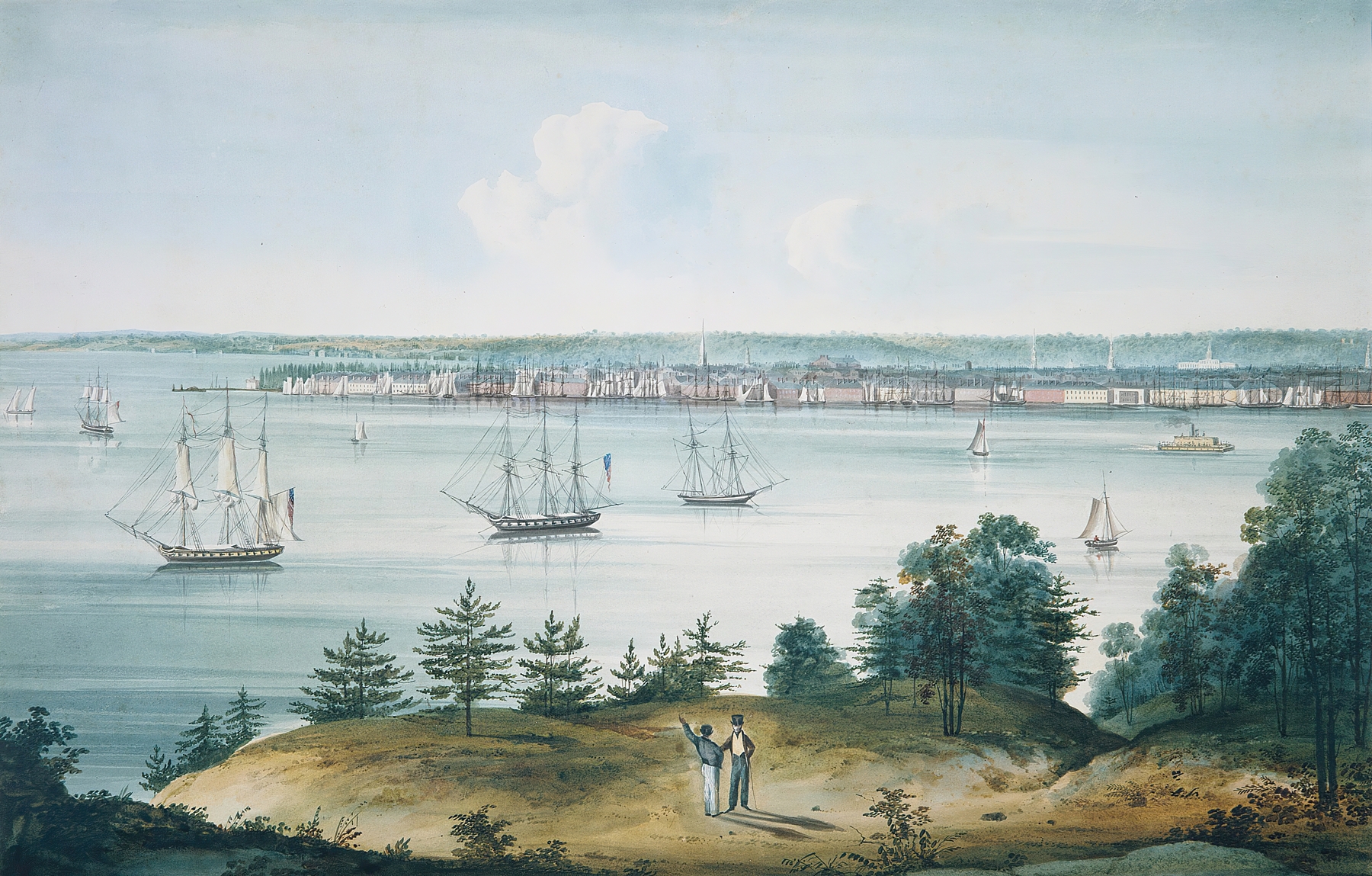
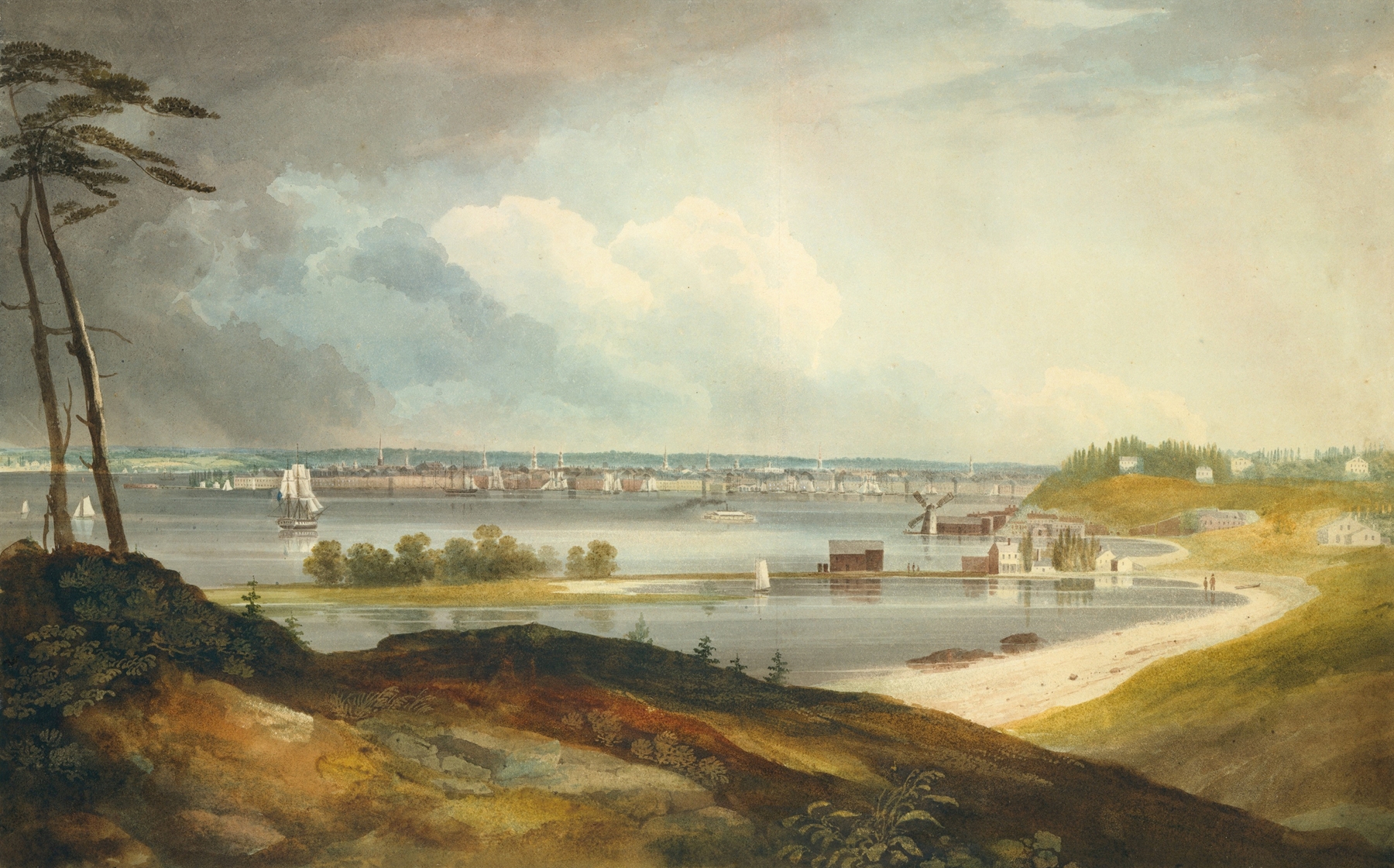
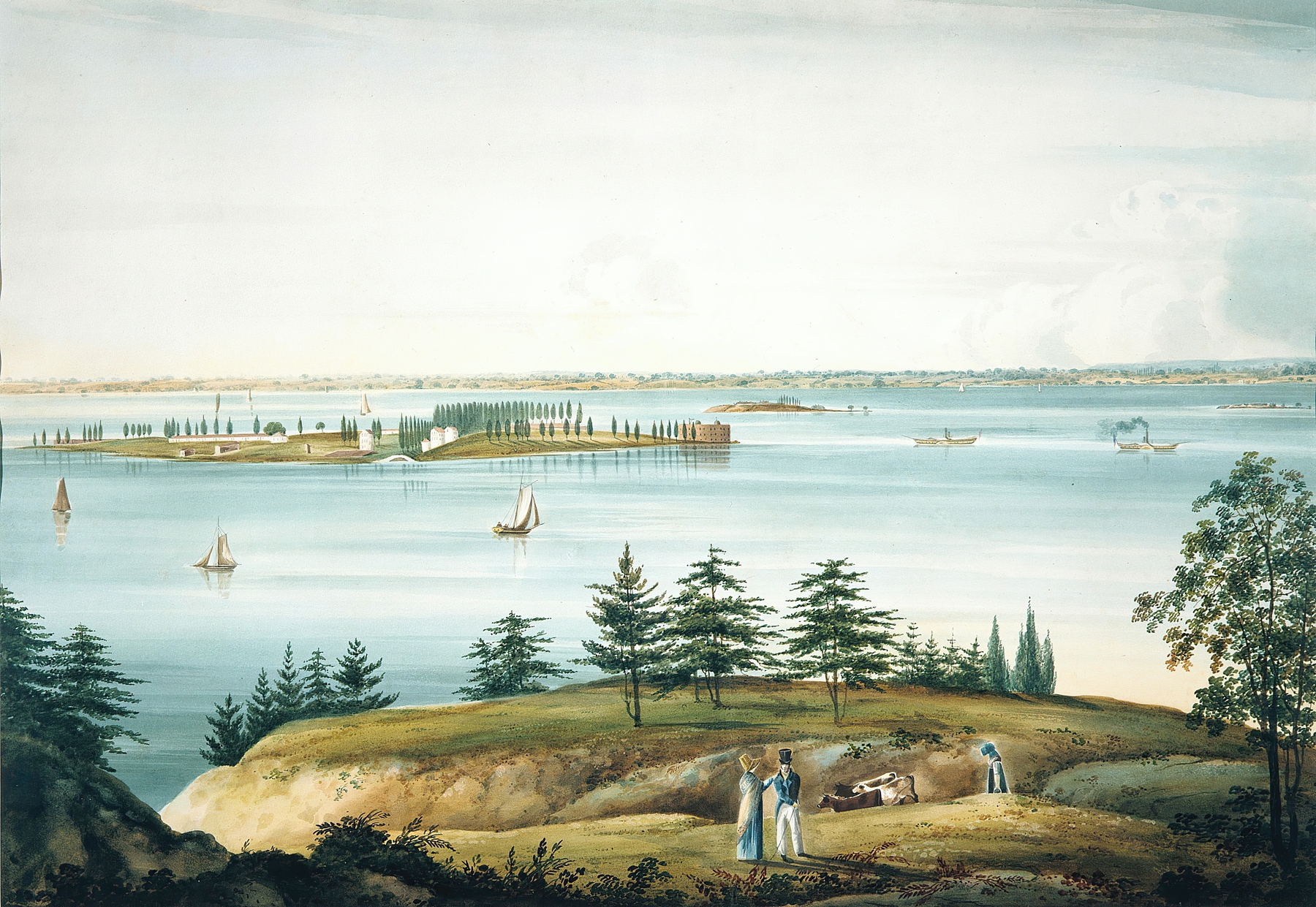
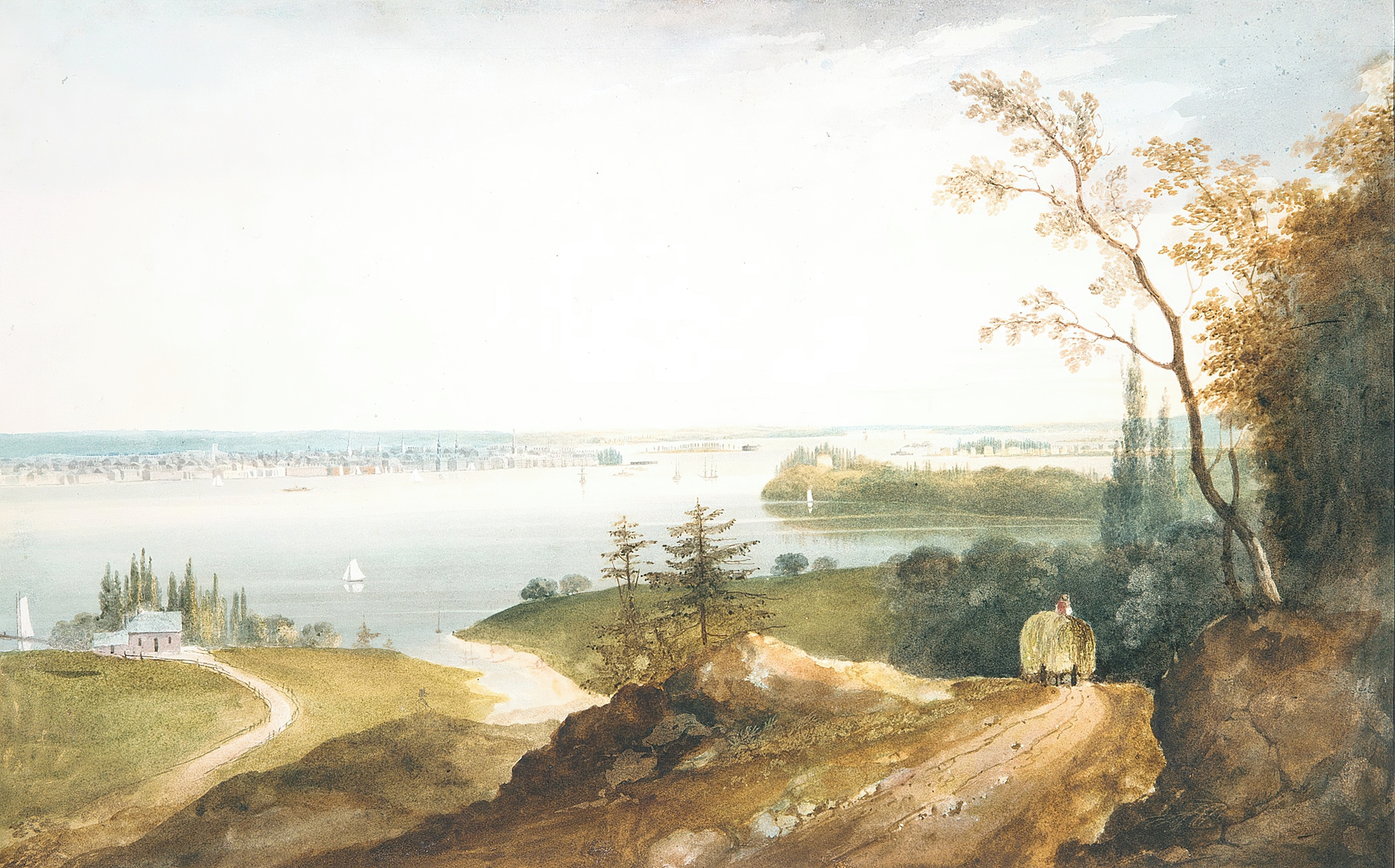
William Guy Wall painted this scene between 1821 and 1822, during a time when American landscape painting was beginning to flourish. He was deeply influenced by the Hudson River School, a movement that celebrated the beauty of America’s wilderness, capturing its grandeur and emotional depth. Wall sought to evoke a sense of place that resonated with the burgeoning sense of American identity amidst a nation making sense of its own expansive landscape.