Troy from Mount Ida — History & Analysis
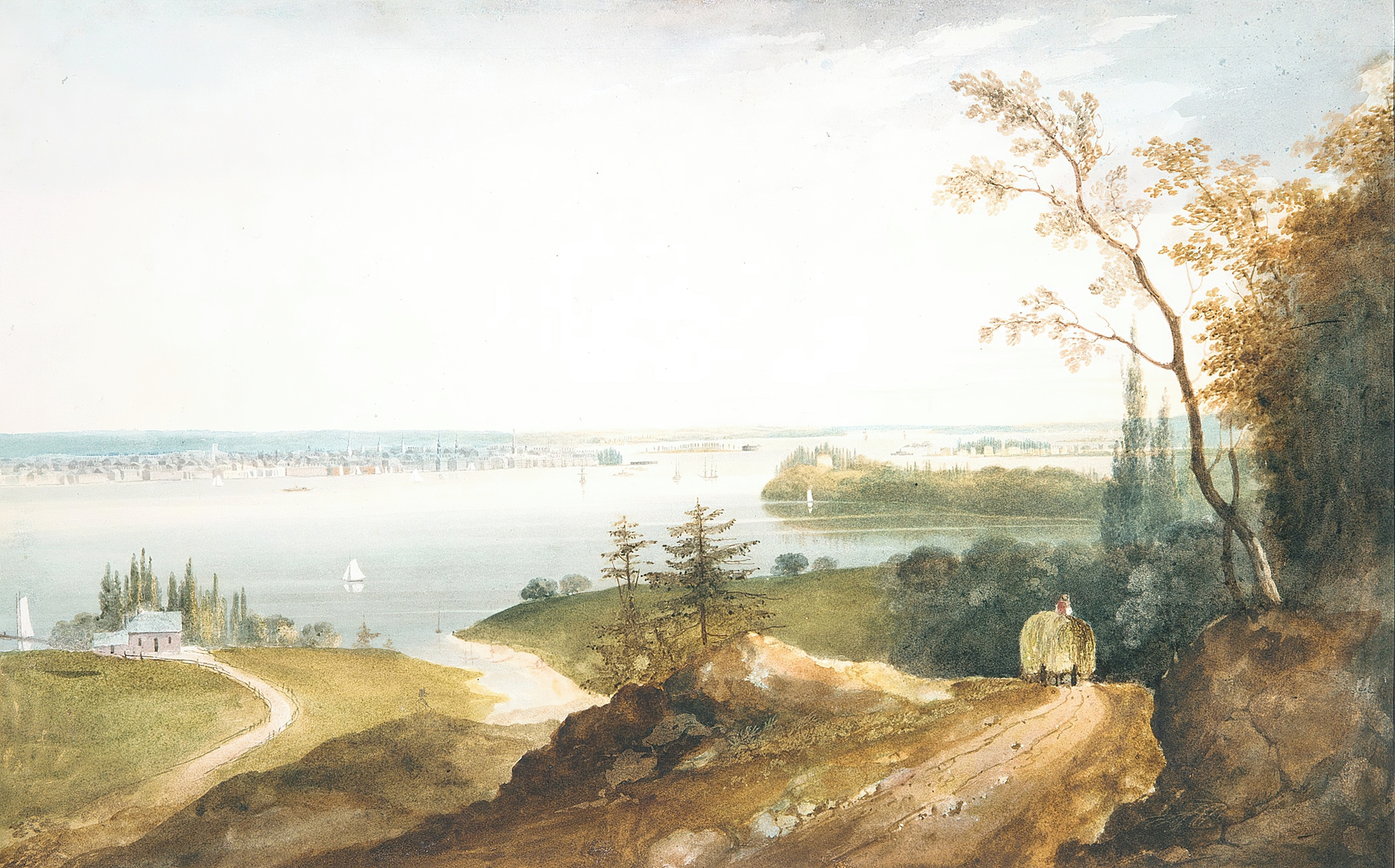
What if beauty was never meant to be finished? An eternal glimpse into the sublime captivates the viewer, suggesting that ecstasy lies not in completion, but in the endless journey of perception and imagination. Focus on the sweeping panorama that unfolds as a luminous celebration of nature and history. The vibrant greens of the landscape contrast with the soft blues of the distant sky, drawing your eyes toward the horizon, where the ancient city of Troy emerges in a gentle haze.
The meticulous brushwork creates texture in the foliage and architecture, leading to a dynamic interplay of light and shadow that breathes life into this idyllic scene. Hidden within the composition are layers of meaning that resonate deeply. The ancient ruins represent the remnants of ambition and civilization, while the surrounding fertile land symbolizes rebirth and hope. This juxtaposition evokes a sense of longing for what has been lost, as well as an appreciation for the beauty that endures through time.
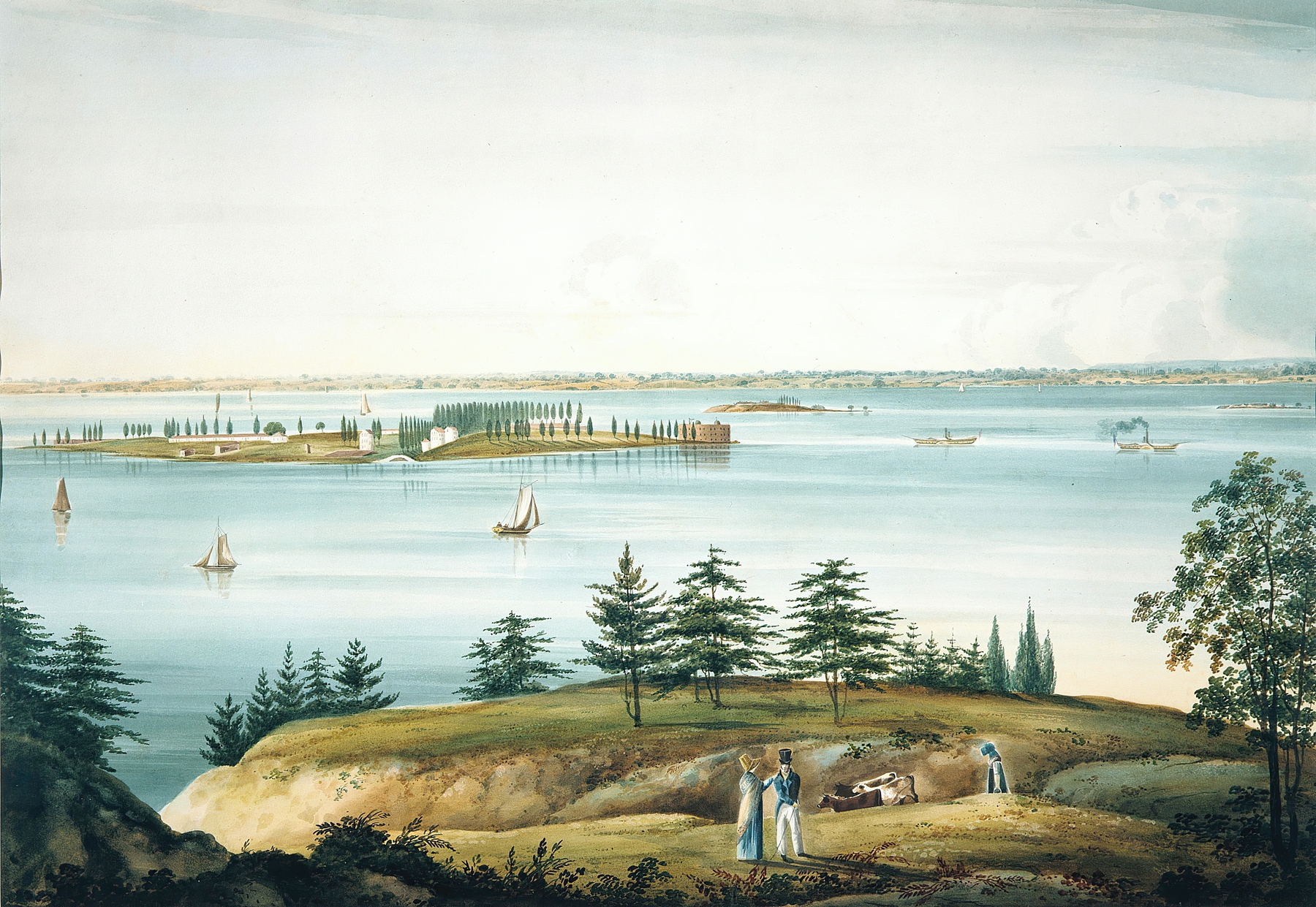
The careful arrangement of elements invites contemplation on the cyclical nature of life and the intertwining of past and present. William Guy Wall created this work between 1821 and 1822 while residing in the United States, a time when artists were beginning to explore themes of American identity and landscape. The romantic movement was gaining momentum, and this piece reflects a broader fascination with the classical world, marrying it to the burgeoning appreciation for the natural beauty of the American landscape.