New York from Weehawk — History & Analysis
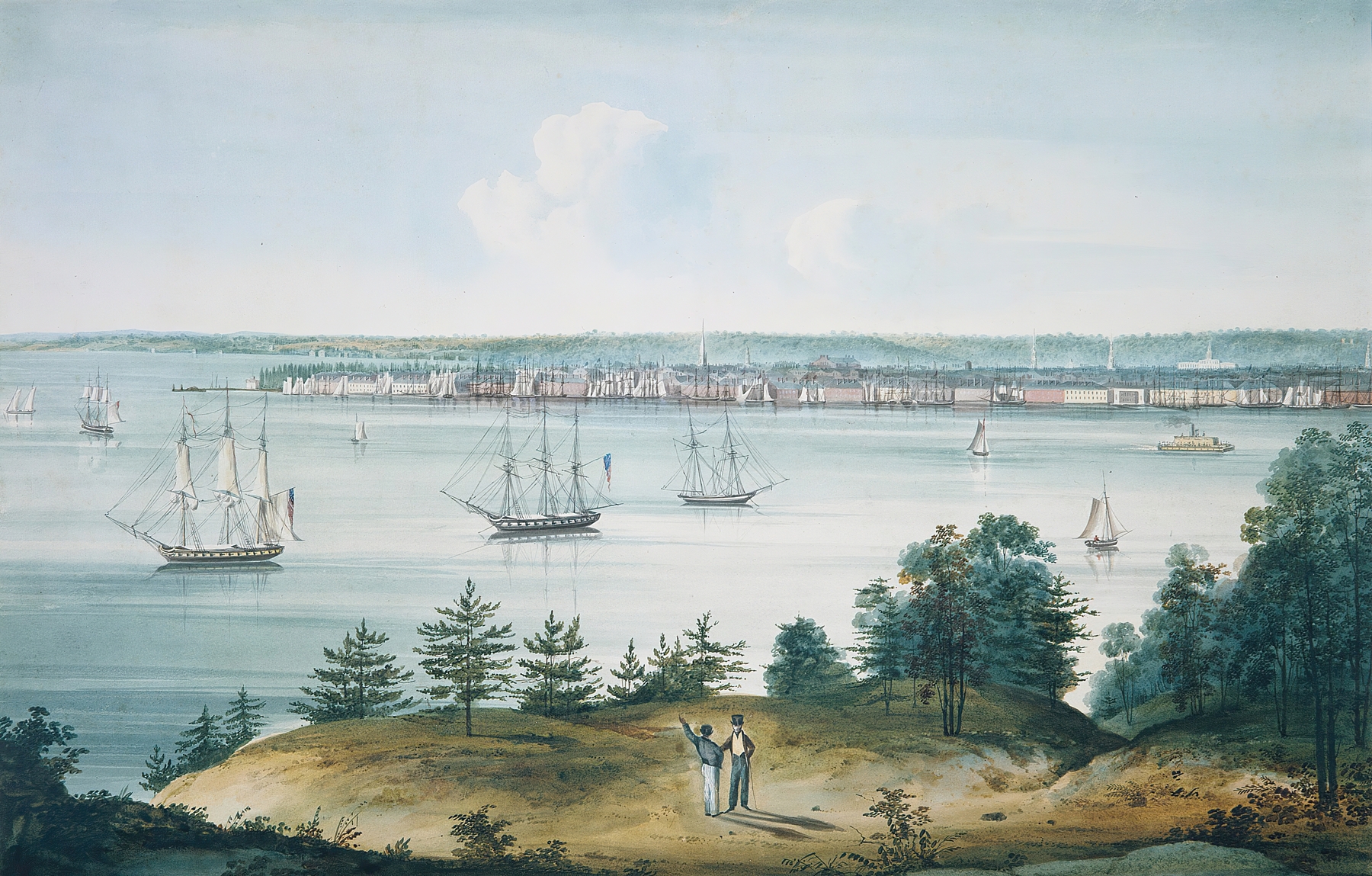
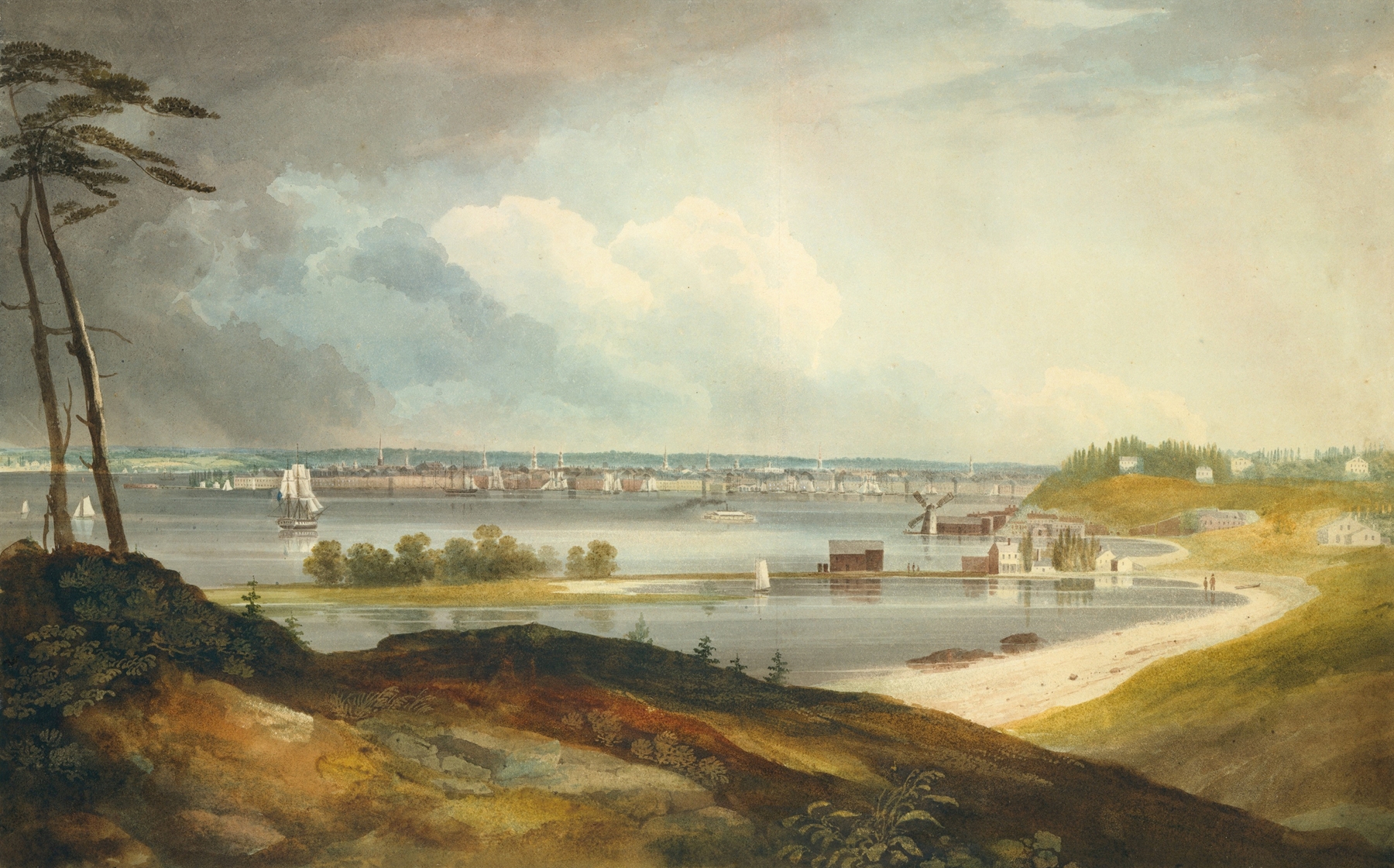
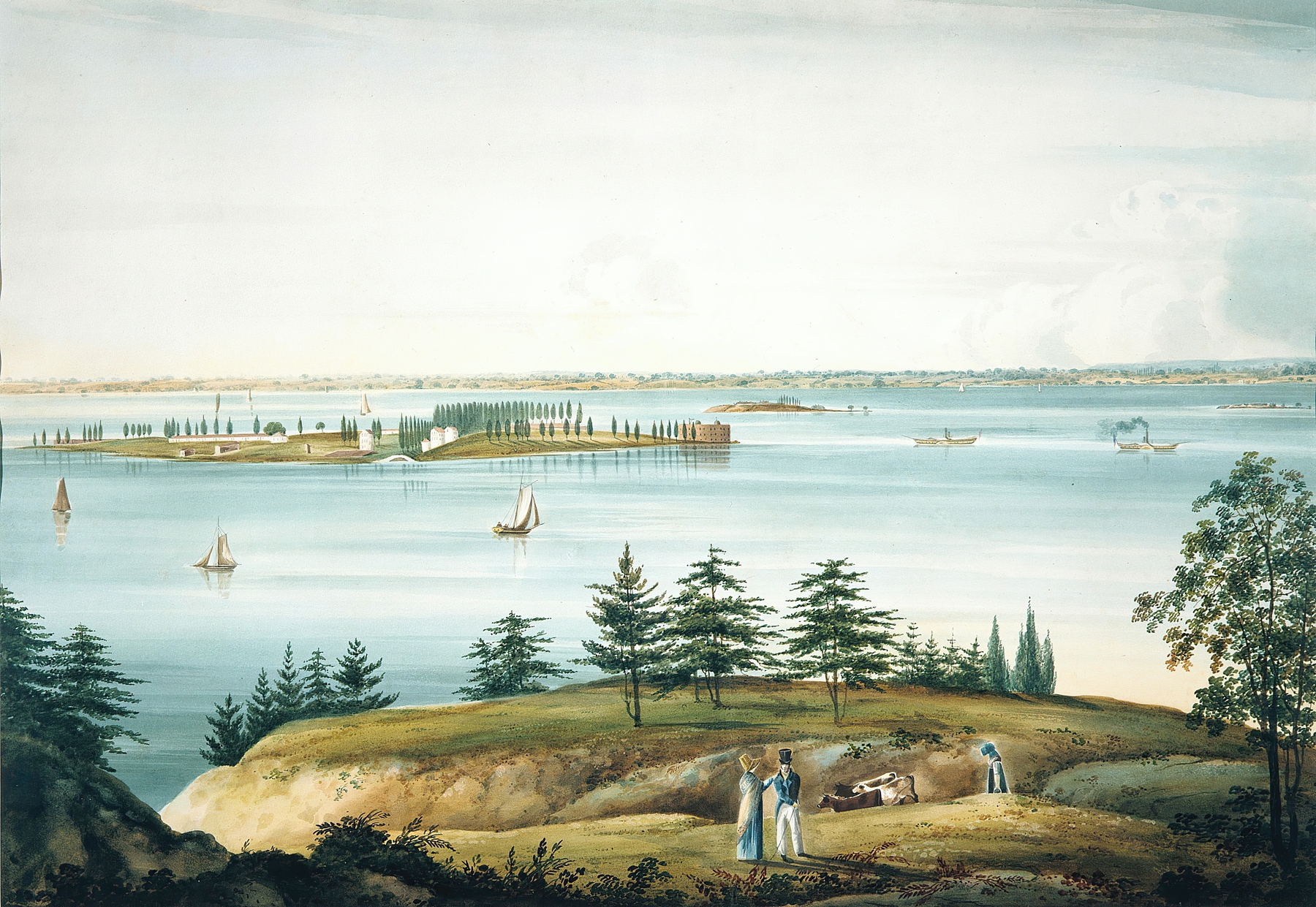
Who listens when art speaks of silence? In New York from Weehawk, that silence is palpable, a haunting whisper capturing both the promise and the trepidation of a burgeoning city. Look to the left where the horizon gently cradles the skyline; the delicate interplay of light and shadow reveals an early morning glow that bathes New York in orange and gold. The soft, muted colors contrast sharply with the deep, almost foreboding hues of the foreground.
The painter's meticulous attention to detail invites you to trace the contours of the land, the rippling water, and the distant structures—each stroke a testament to the artist's reverence for the landscape and his nuanced understanding of atmospheric perspective. Within this tranquil vista lie underlying tensions; the shimmering water reflects not just the city’s promise but also the fear of the unknown. The unresolved edges of the city’s silhouette hint at the transient nature of progress, while the juxtaposition of calm waters and the bustling metropolis evokes a sense of duality—the peace of nature against the march of industry.
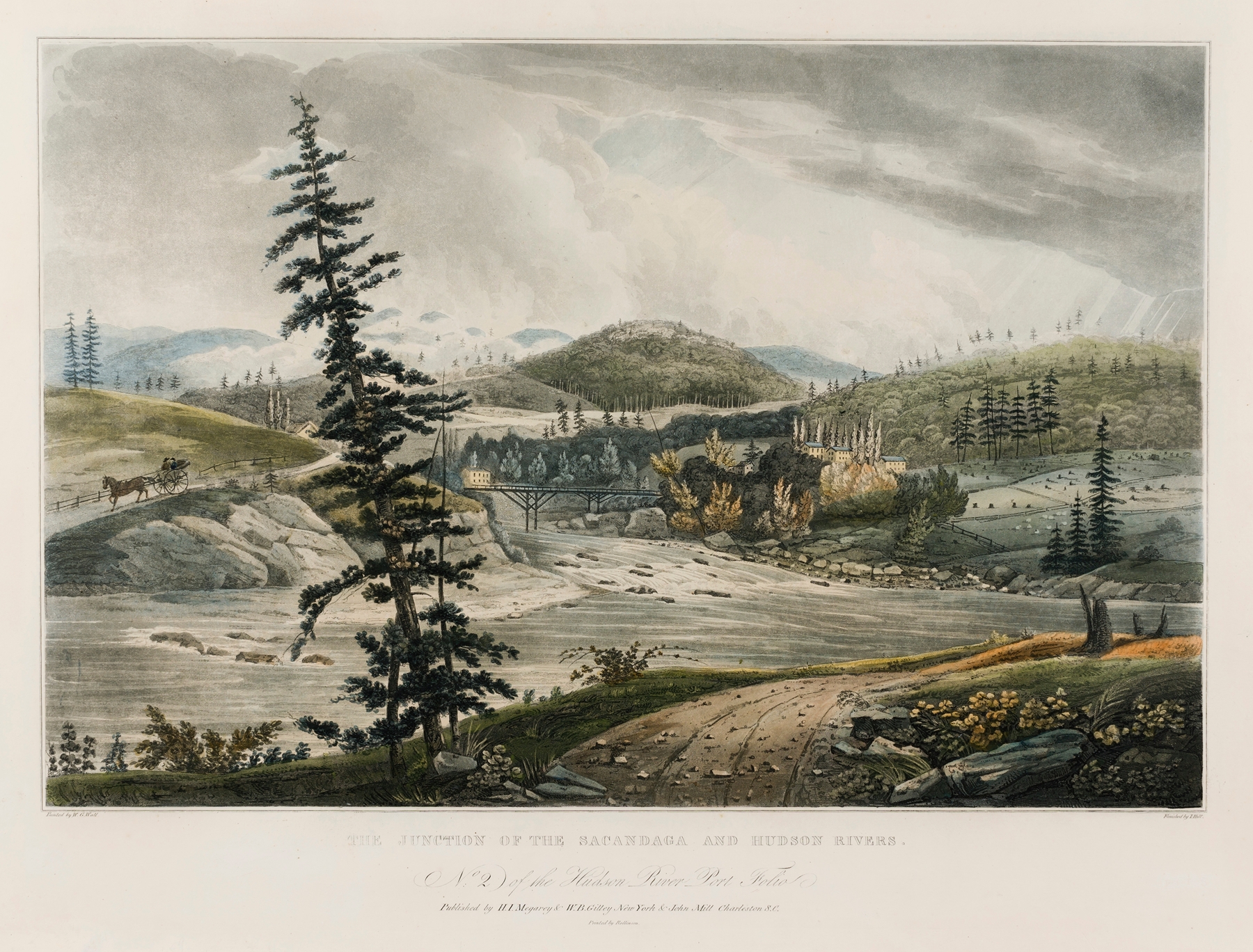
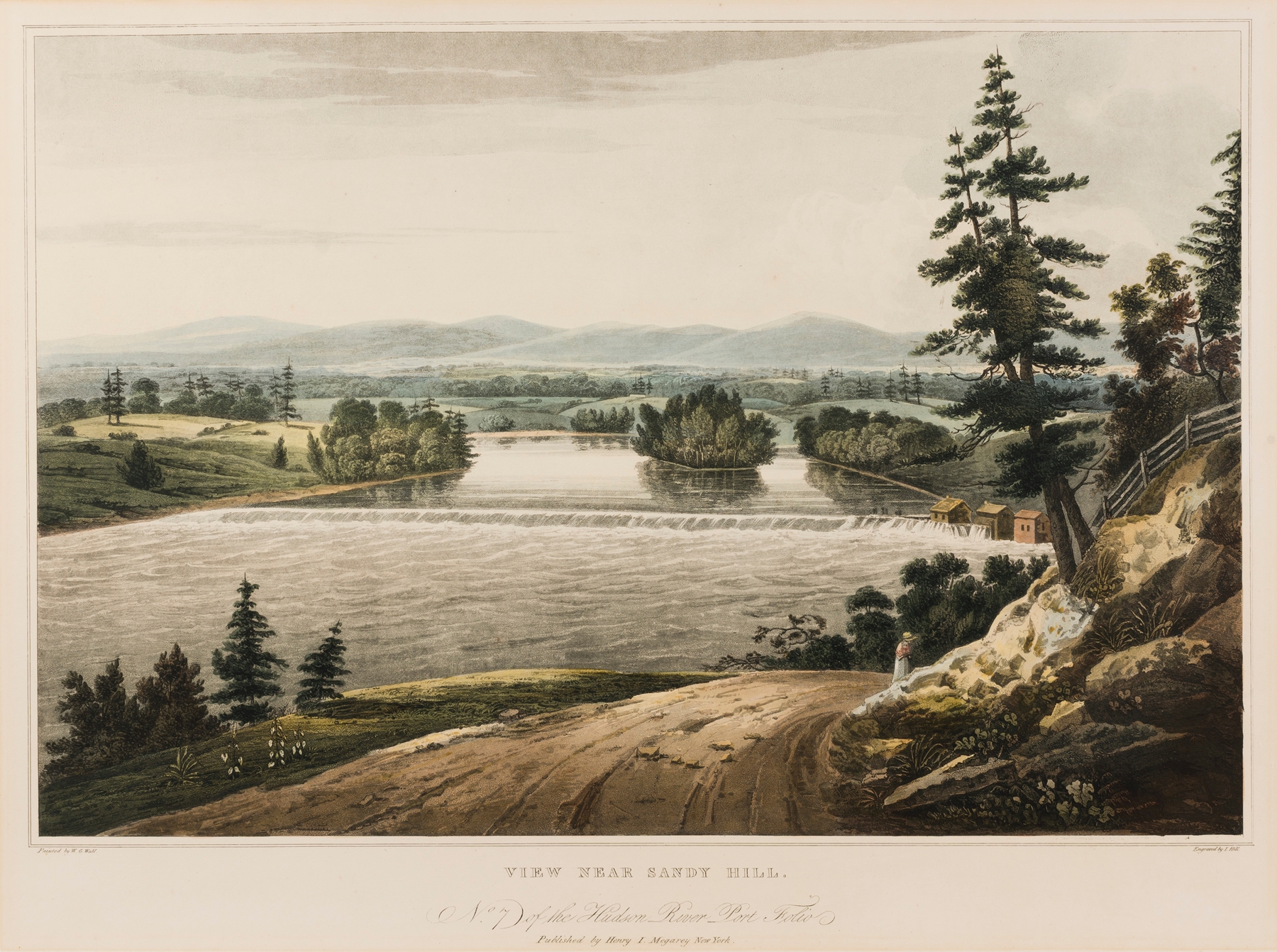
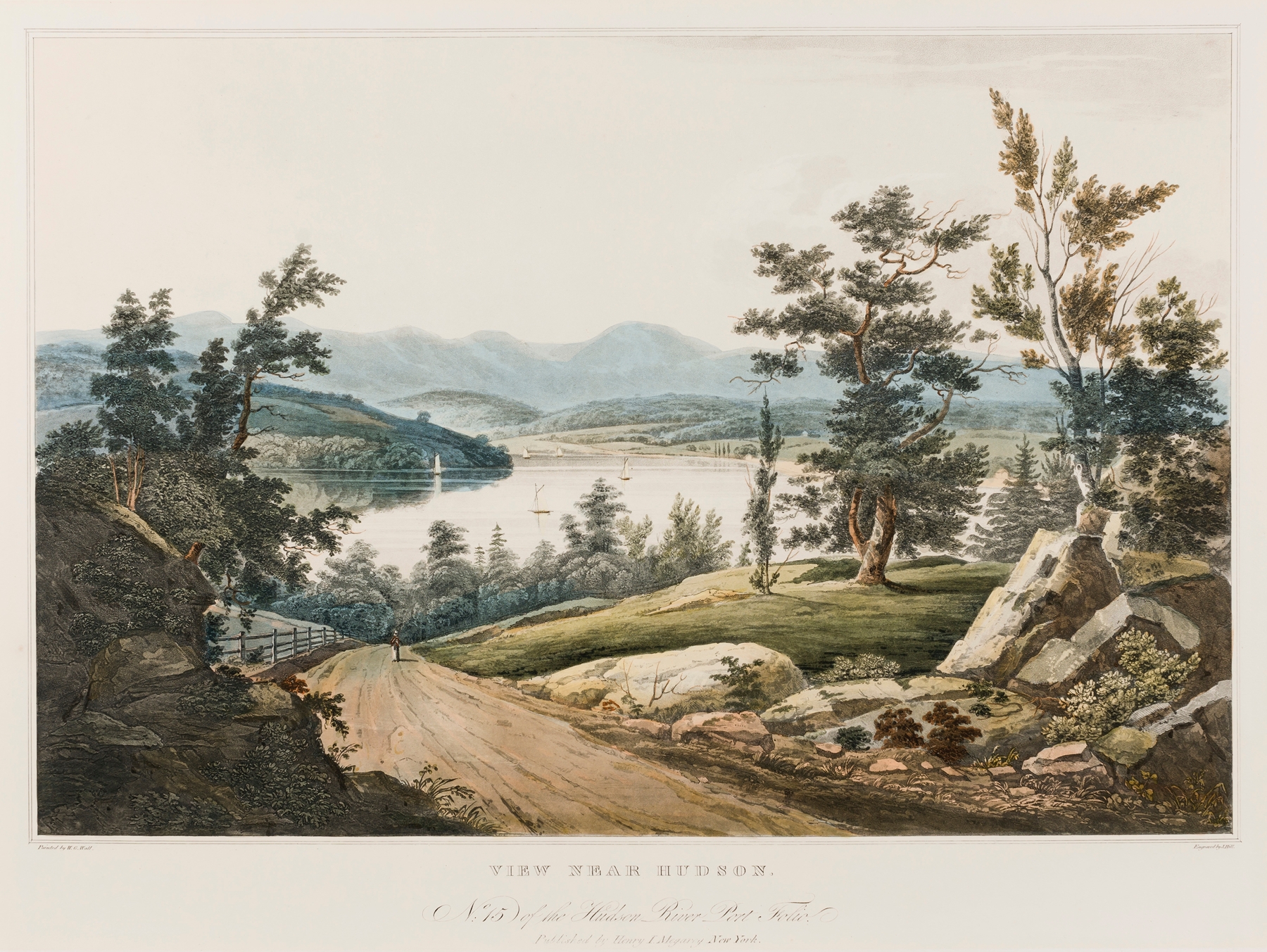
It’s a meditation on the human condition, caught between aspiration and anxiety. William Guy Wall painted this work between 1820 and 1823 while living in America, during a period when the nation was grappling with its identity and the consequences of rapid urbanization. In a time when landscapes were celebrated for their beauty, Wall sought to capture the transformation of a young America, reflecting both the optimism of growth and the subtle fear that accompanies such profound change.