Newburryport Marshes, Approaching Storm — History & Analysis
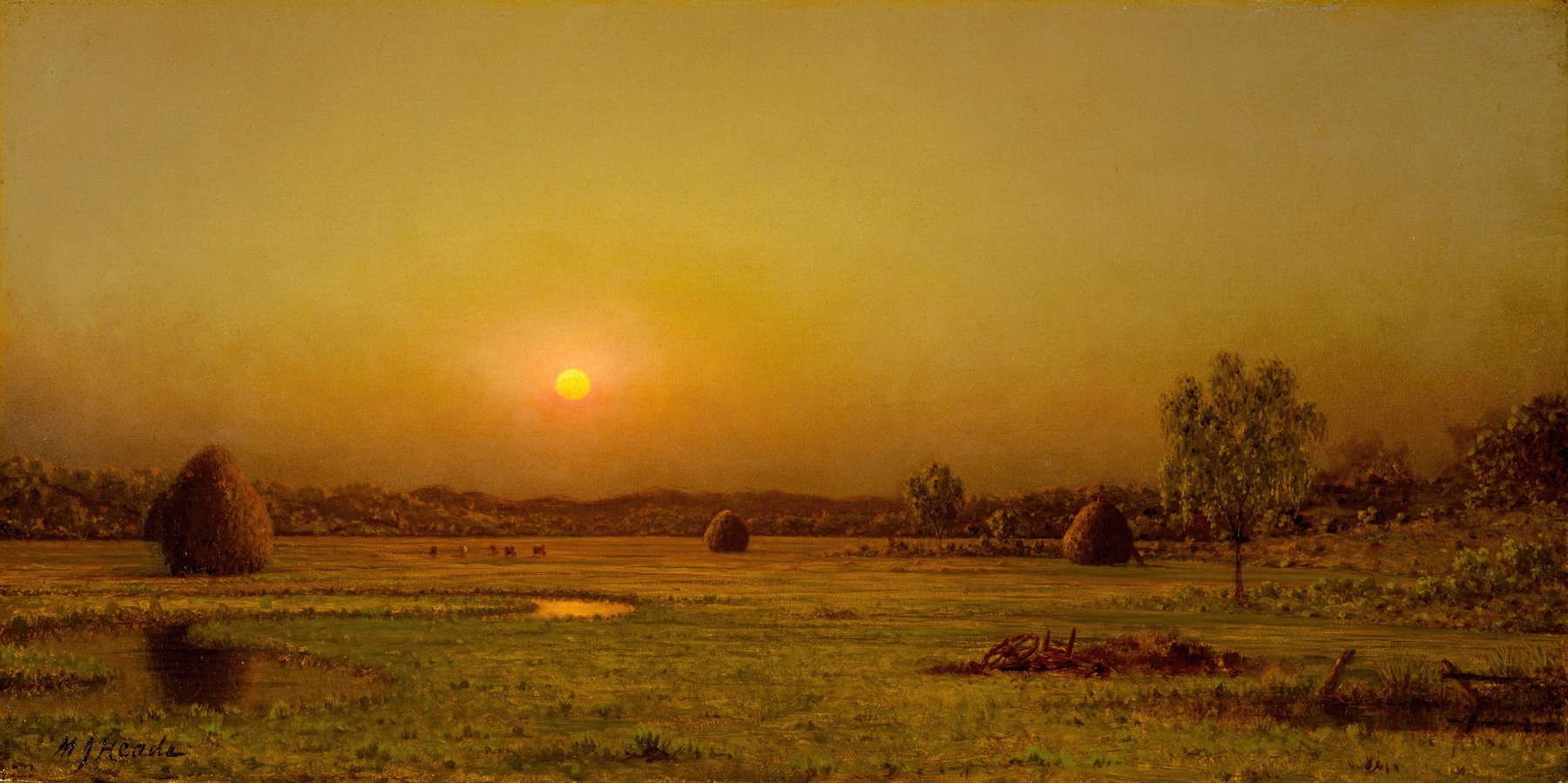
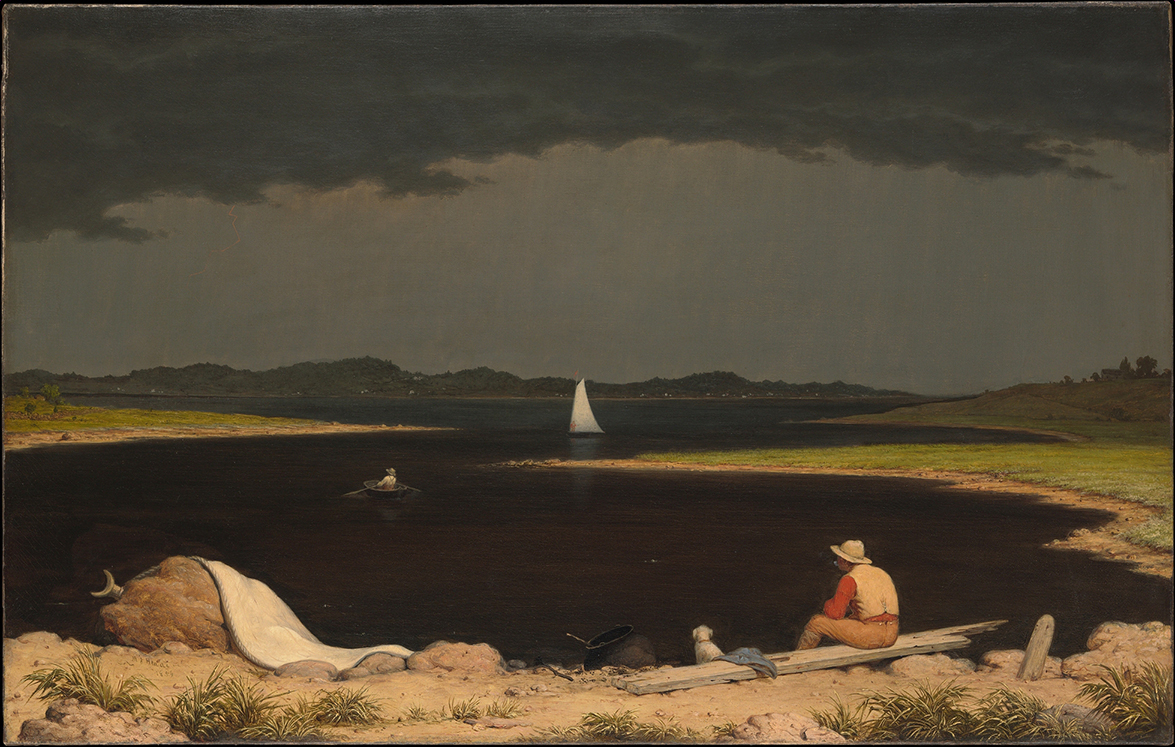
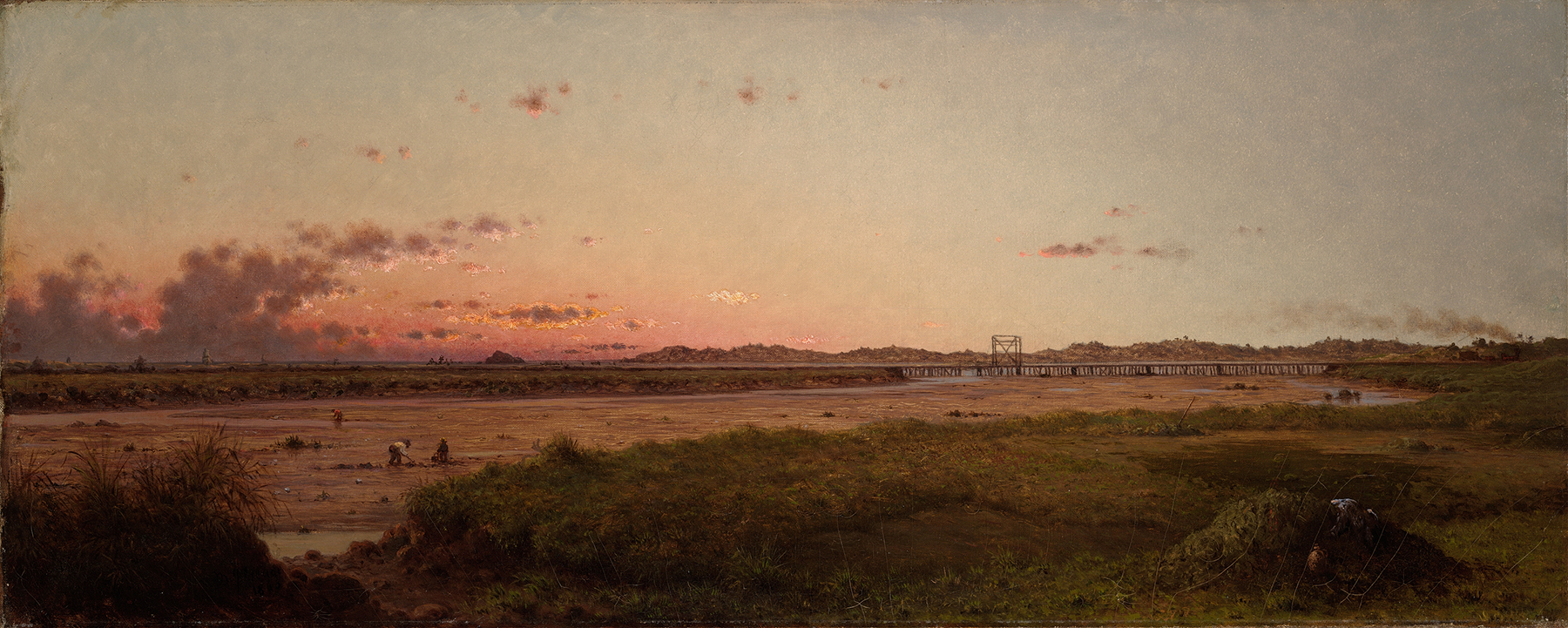
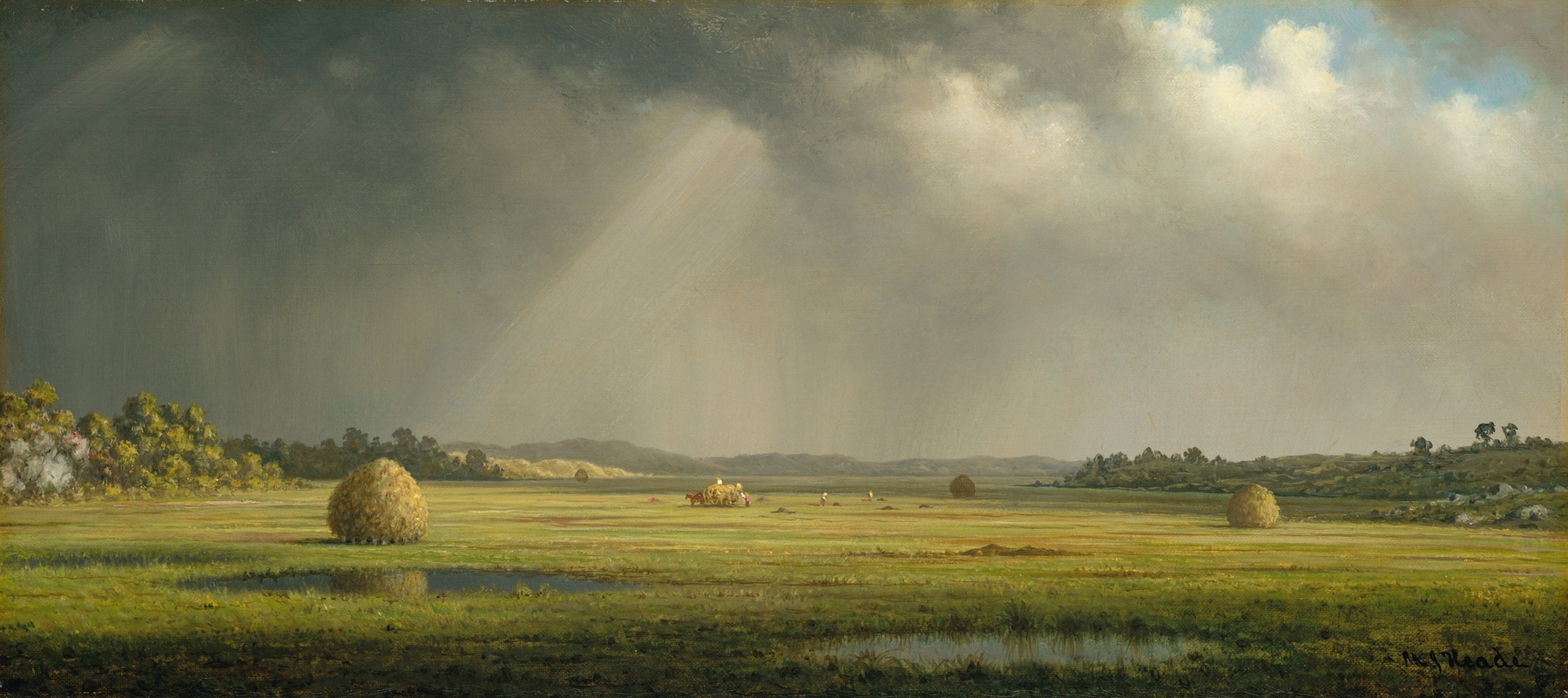
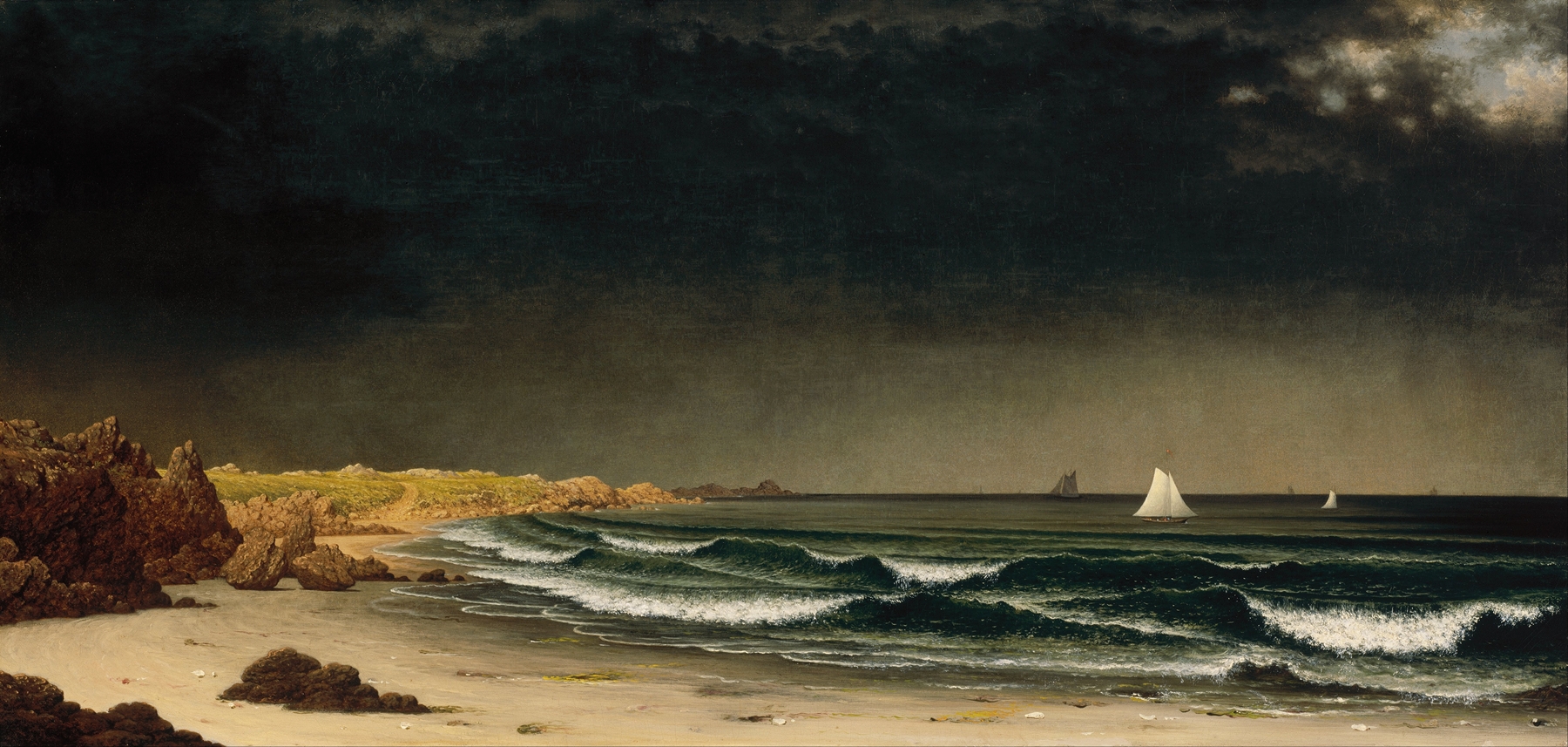
“Every brushstroke is a heartbeat remembered.” In Newburyport Marshes, Approaching Storm, the weight of what is unsaid hangs heavy in the air, much like the impending storm that looms over the landscape. The marshes whisper of serenity, but the encroaching darkness hints at a betrayal of tranquility, an inevitable clash between calm and chaos. Look to the left, where the soft ripples of water reflect the muted hues of an overcast sky. The artist masterfully blends earthy greens and browns with deep blues and greys, capturing a moment suspended between light and shadow. Notice how the horizon line softly cradles the marshes, drawing your gaze toward a distant storm that seems to breathe against the stillness, creating a tension that permeates the canvas.
The brushwork varies in its intensity, evoking both the gentleness of nature and the ferocity of the approaching tempest. Hidden within the layers of paint lies a poignant narrative of conflict. The tranquil waters, now darkening, symbolize the fragility of peace that can easily shatter; they evoke the idea of betrayal, perhaps of expectations versus reality in both nature and life. The looming storm serves as a reminder that change is often violent, that beauty can harbor chaos beneath its surface.
Each element in the composition mirrors the fragile emotions inherent in human experience, prompting a reflection on the nature of our own storms. Created in 1871, Newburyport Marshes, Approaching Storm was painted during a time when Heade was deeply immersed in the exploration of atmospheric effects and the relationship between light and nature. Living and working in New England, he was influenced by both the Romantic movement's fascination with nature and the emerging Realism of his contemporaries. This period marked a shift toward capturing not just beauty but the complex emotions intertwined with landscapes, indicating a broader transformation in the art world.