Niagara Falls in Winter — History & Analysis
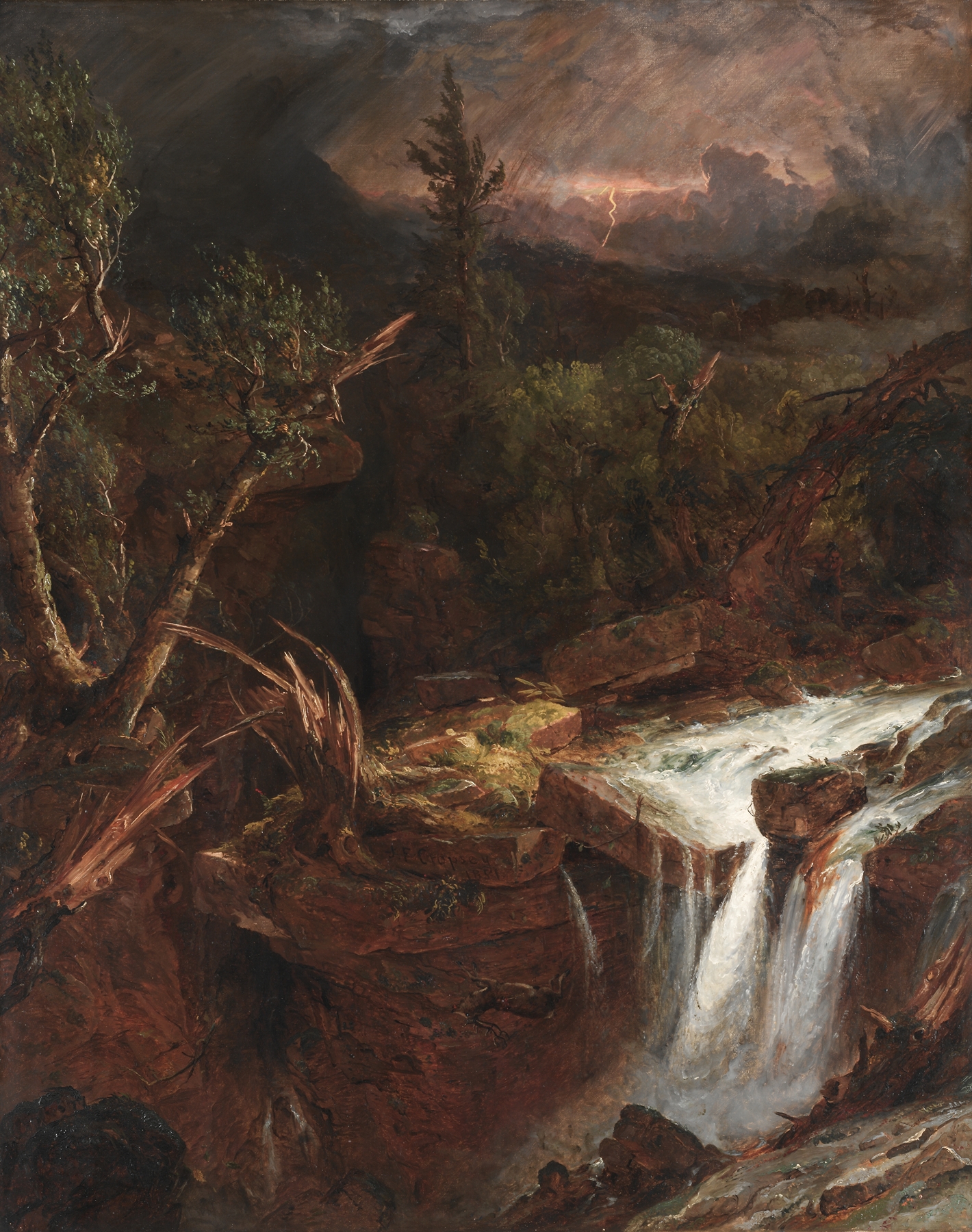
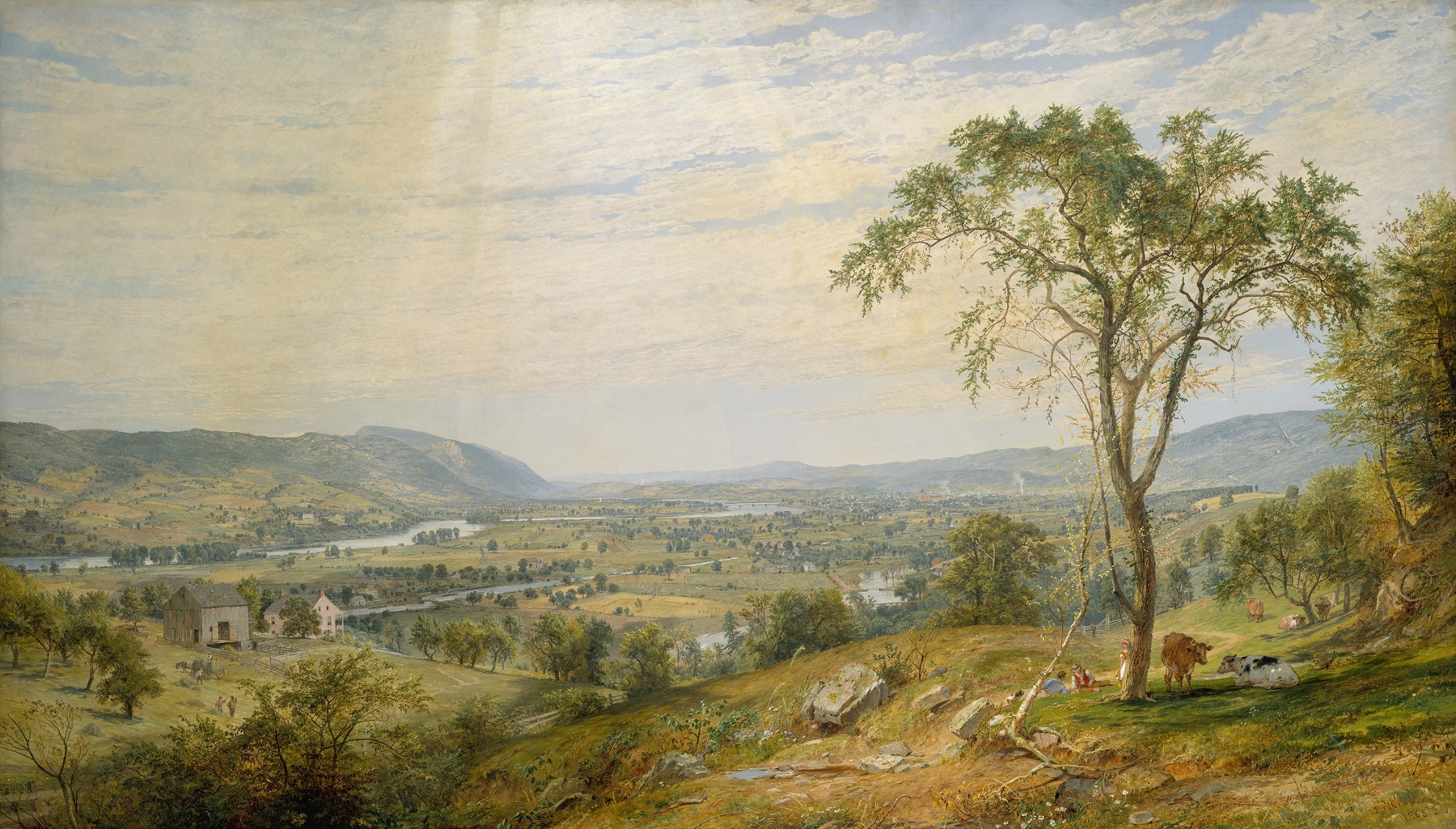
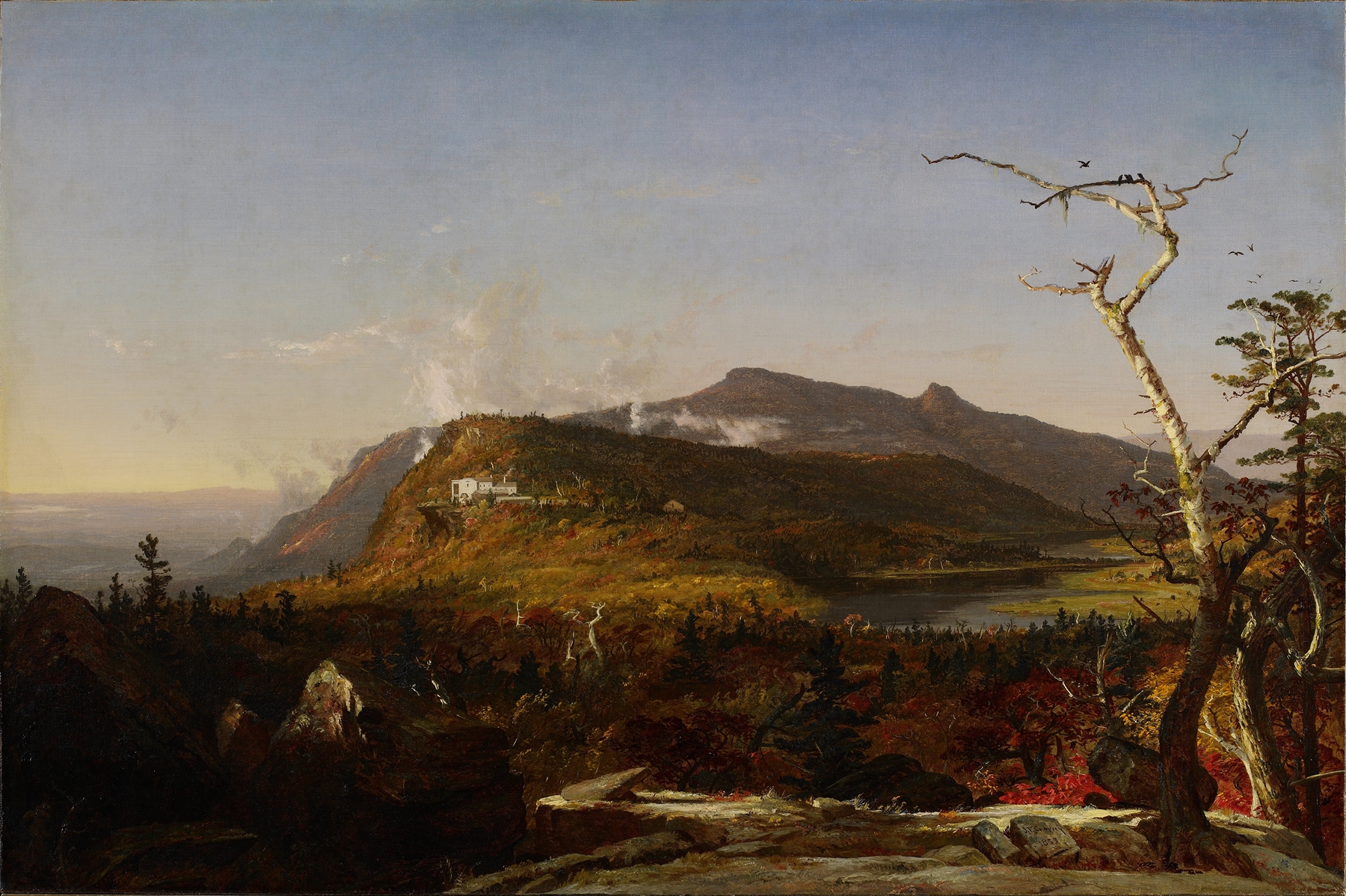
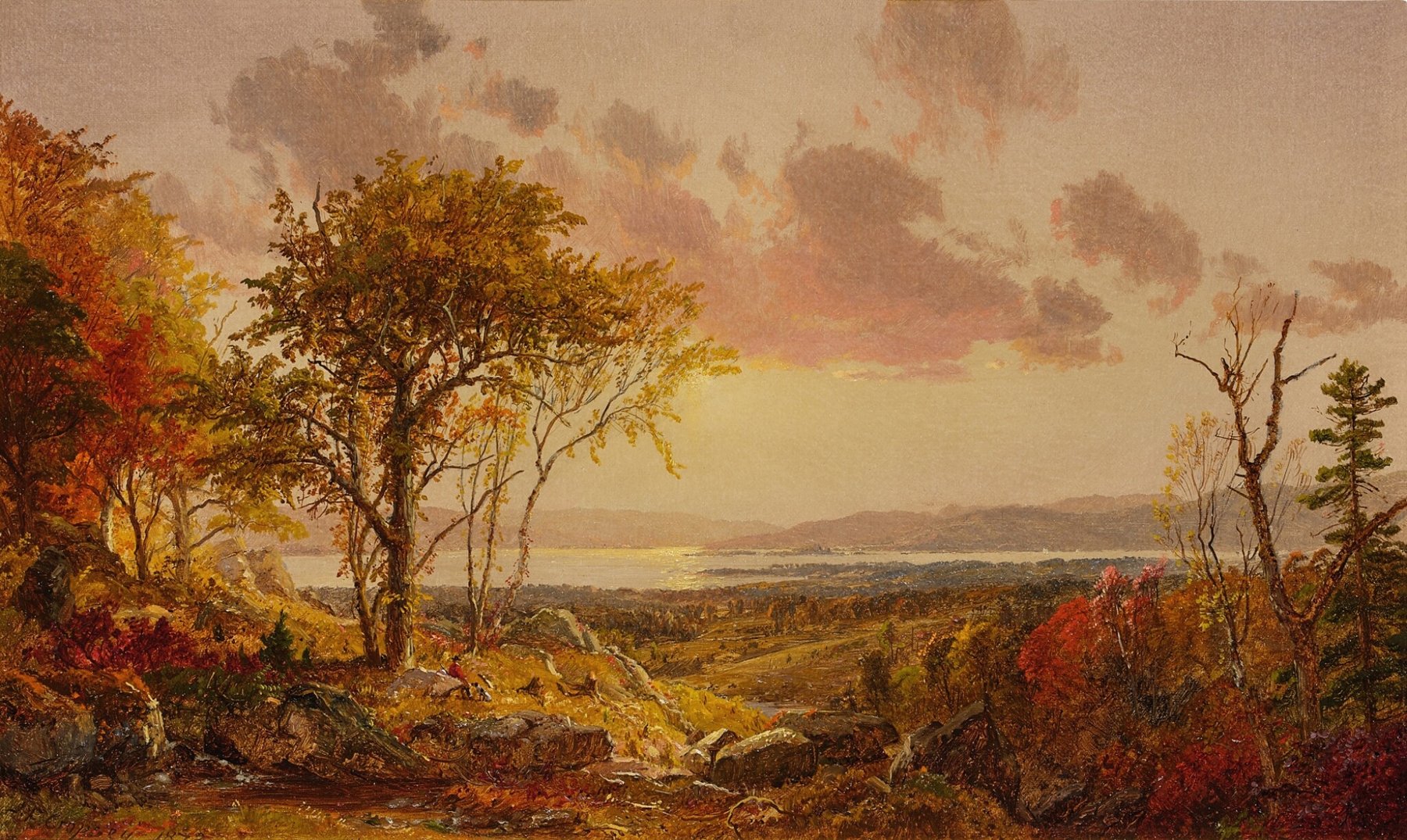
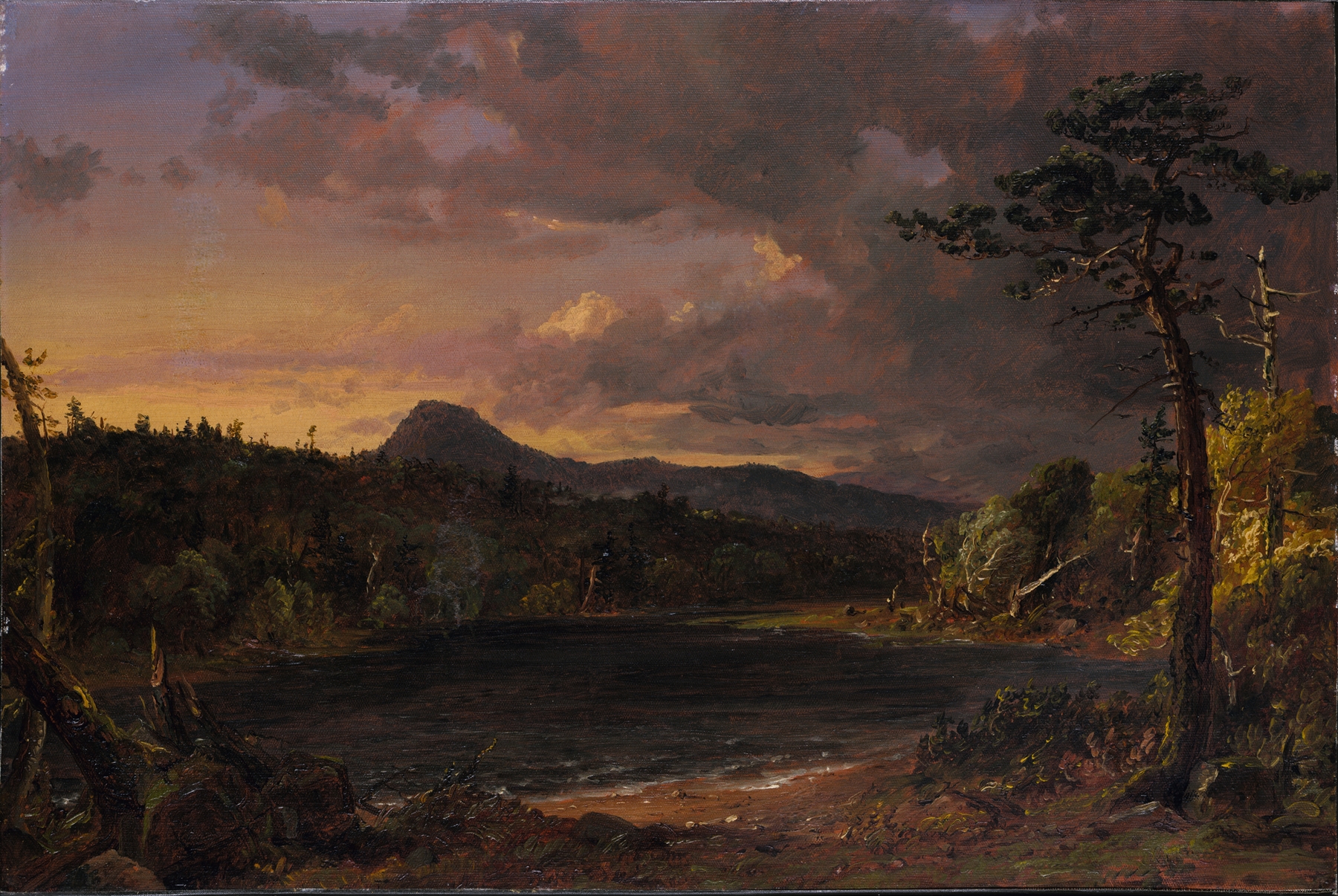
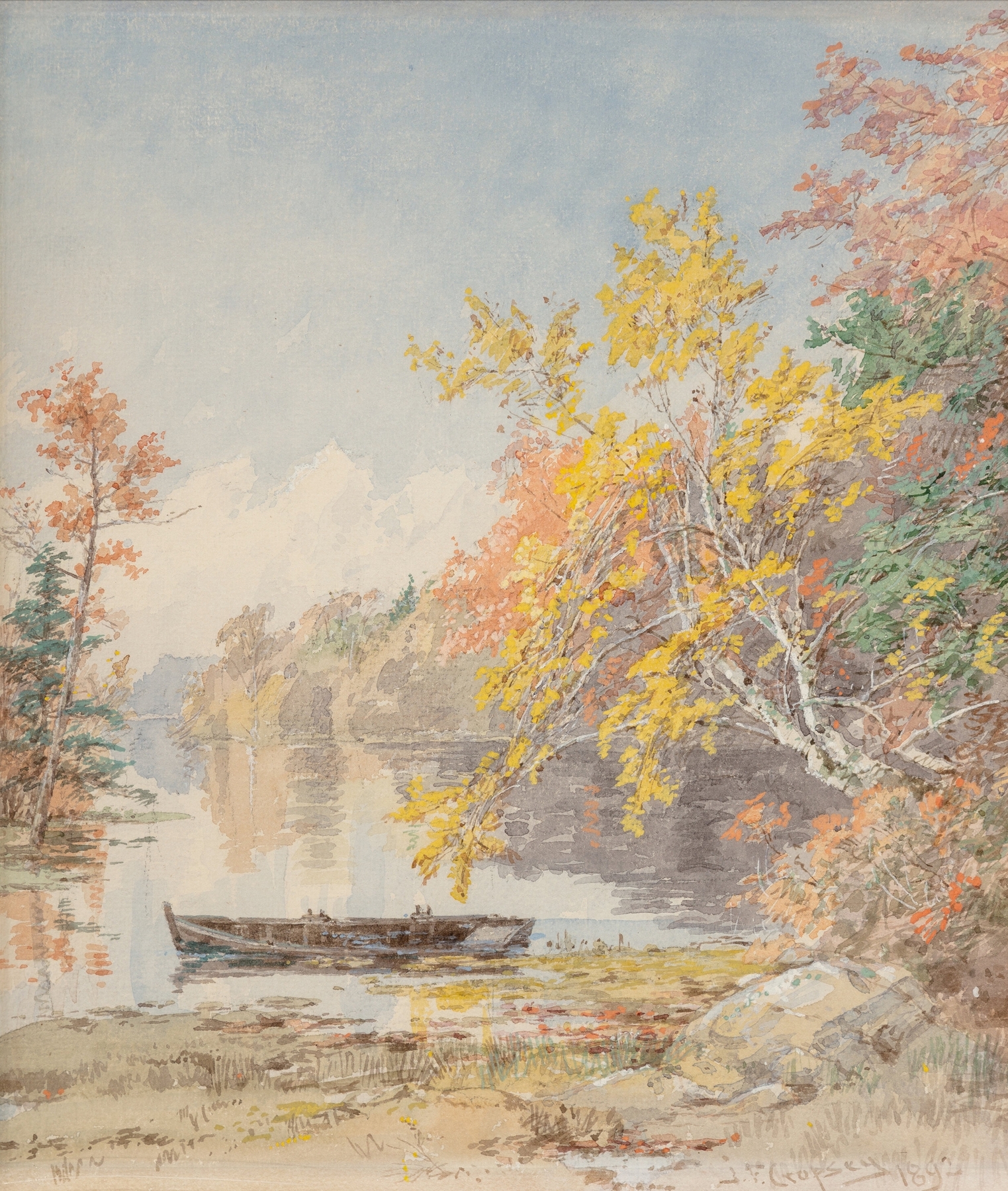
Could a single brushstroke hold eternity? The painting of a wintery Niagara Falls invites contemplation, echoing the profound shifts that art can embody in the face of nature's timeless power. Focus on the cascading water tumbling down the massive cliffs, its frosty edges glistening in the pale light. The icy blues and whites contrast starkly with the deep, rich greens of the surrounding pines, immersing the viewer in a world where nature reigns supreme.
Notice how the gentle play of light reflects off the water, creating a shimmering veil that seems to dance with life, even in the cold embrace of winter. Each brushstroke captures not just the scene, but the essence of movement and emotion, pulling you toward the frozen roar of the falls. Hidden within this majestic landscape lies an exploration of contrasts: the eternal force of the falls juxtaposed against the stillness of winter, the warmth of earth tones battling the chill of the icy blues. Each element signifies the revolutionary changes occurring in society and art as the 19th century drew to a close—an era of expanding horizons, both physically and metaphorically.
The quiet strength of the falls suggests resilience, while the frost hints at the fleeting beauty of life, urging viewers to ponder the balance of power and vulnerability. In 1868, Cropsey created this work during a period of personal and artistic transition, as he embraced the American landscape tradition while grappling with the implications of industrial expansion. At this time, the artistic movement was shifting, influenced by the advent of ideas like the Hudson River School, which celebrated the majesty of nature as a symbol of national identity. Cropsey's depiction of the falls resonates with an awareness of these transformations, capturing not just a scene, but a pivotal moment in both nature and art history.