Autumn on the Lake — History & Analysis
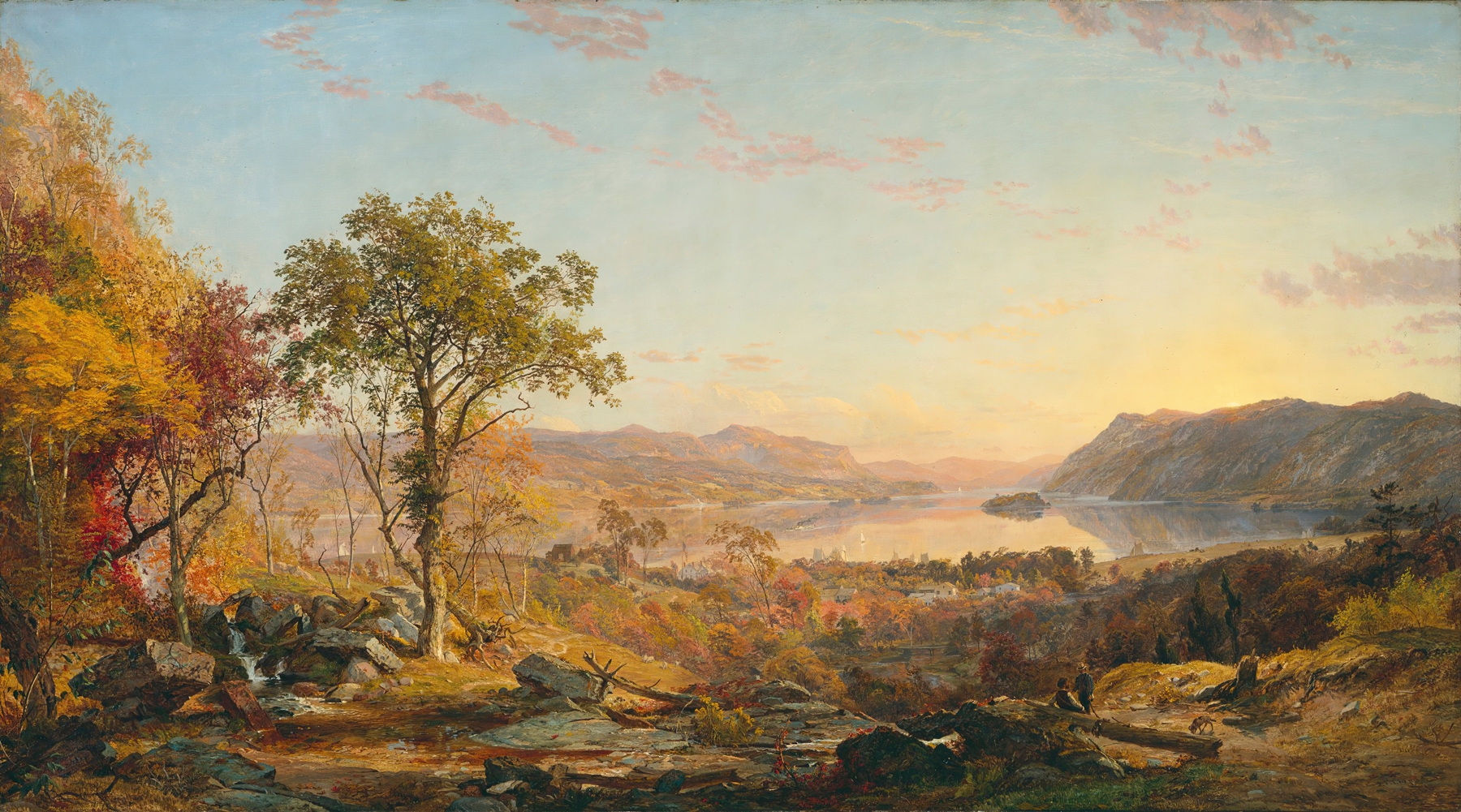
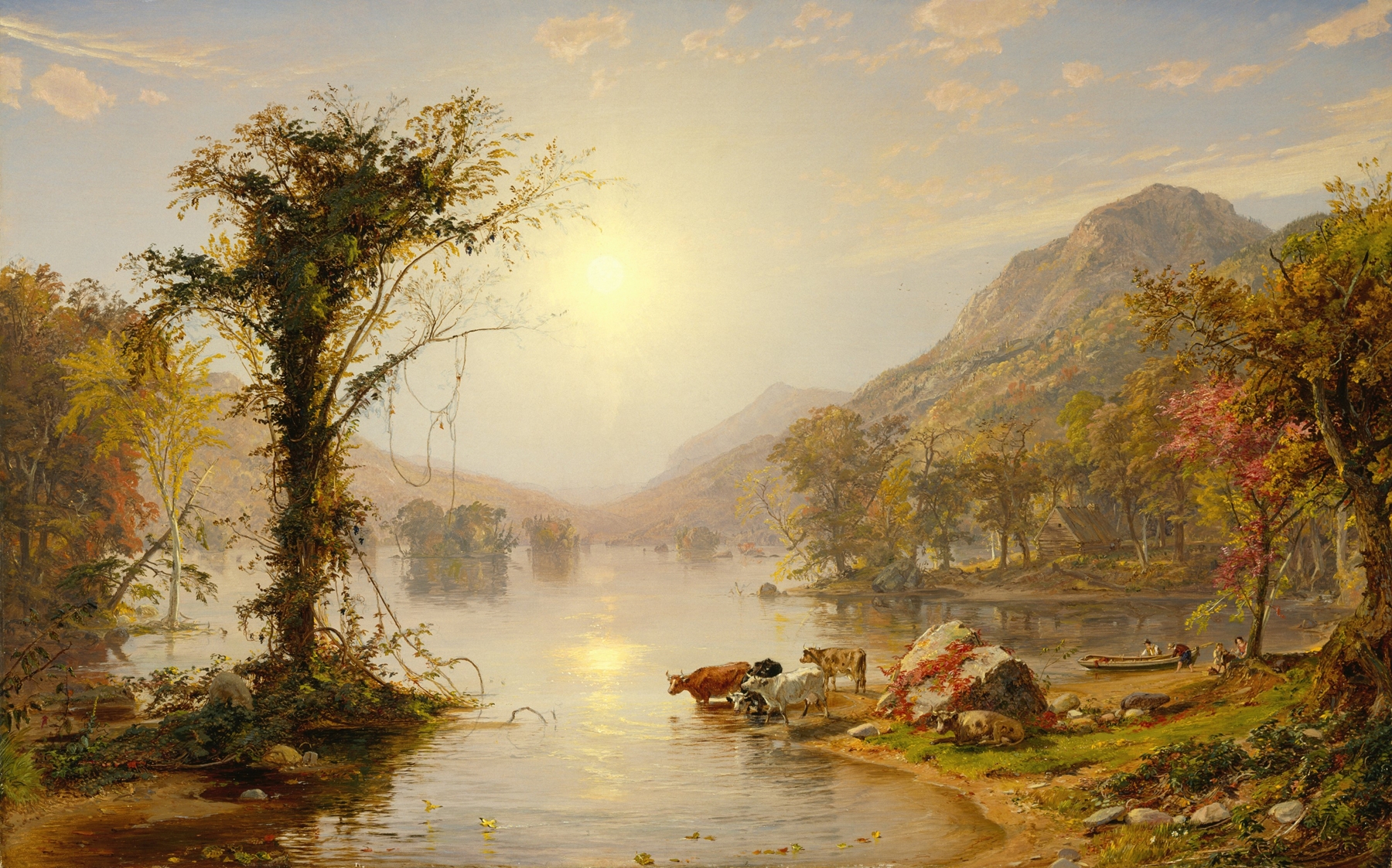
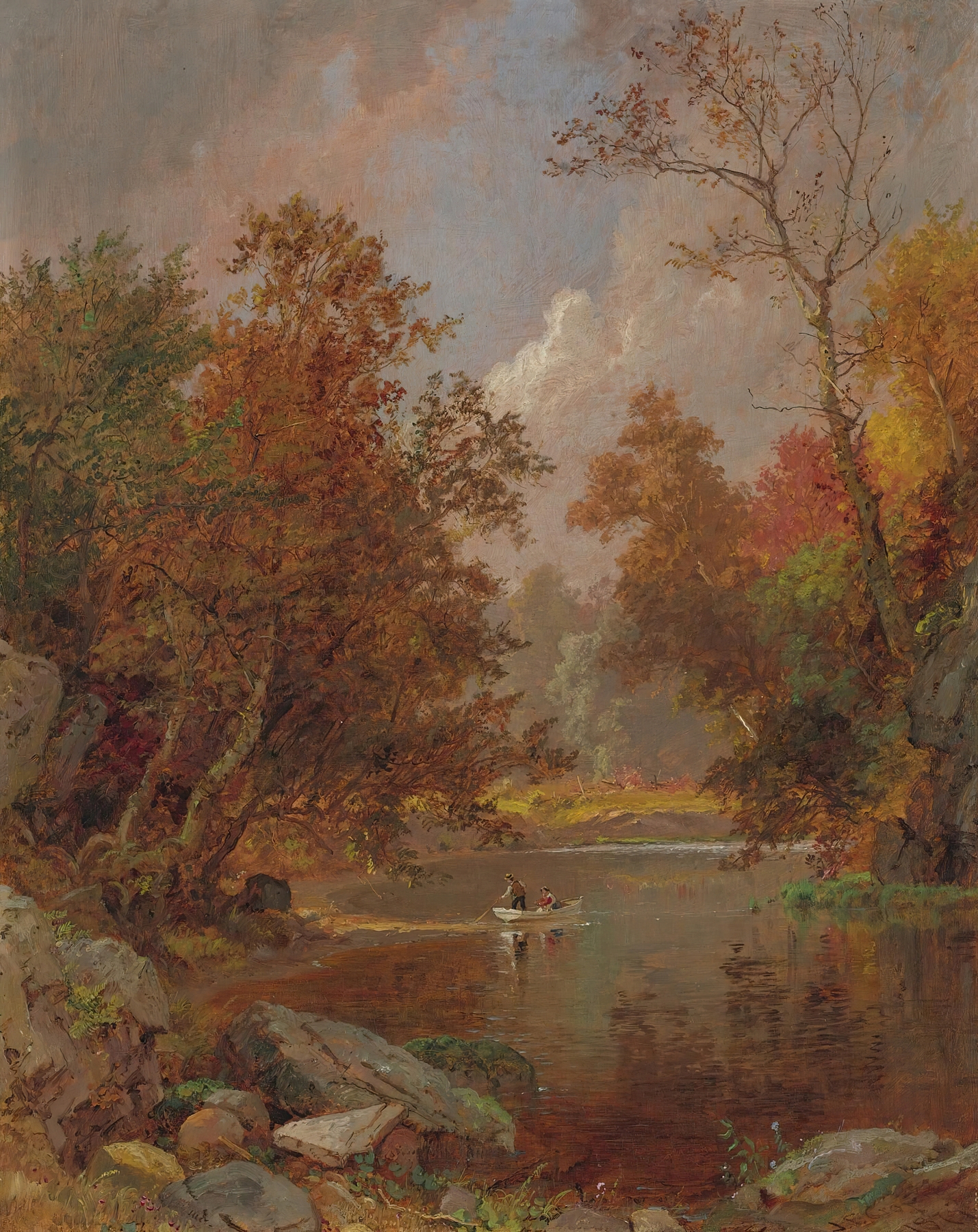
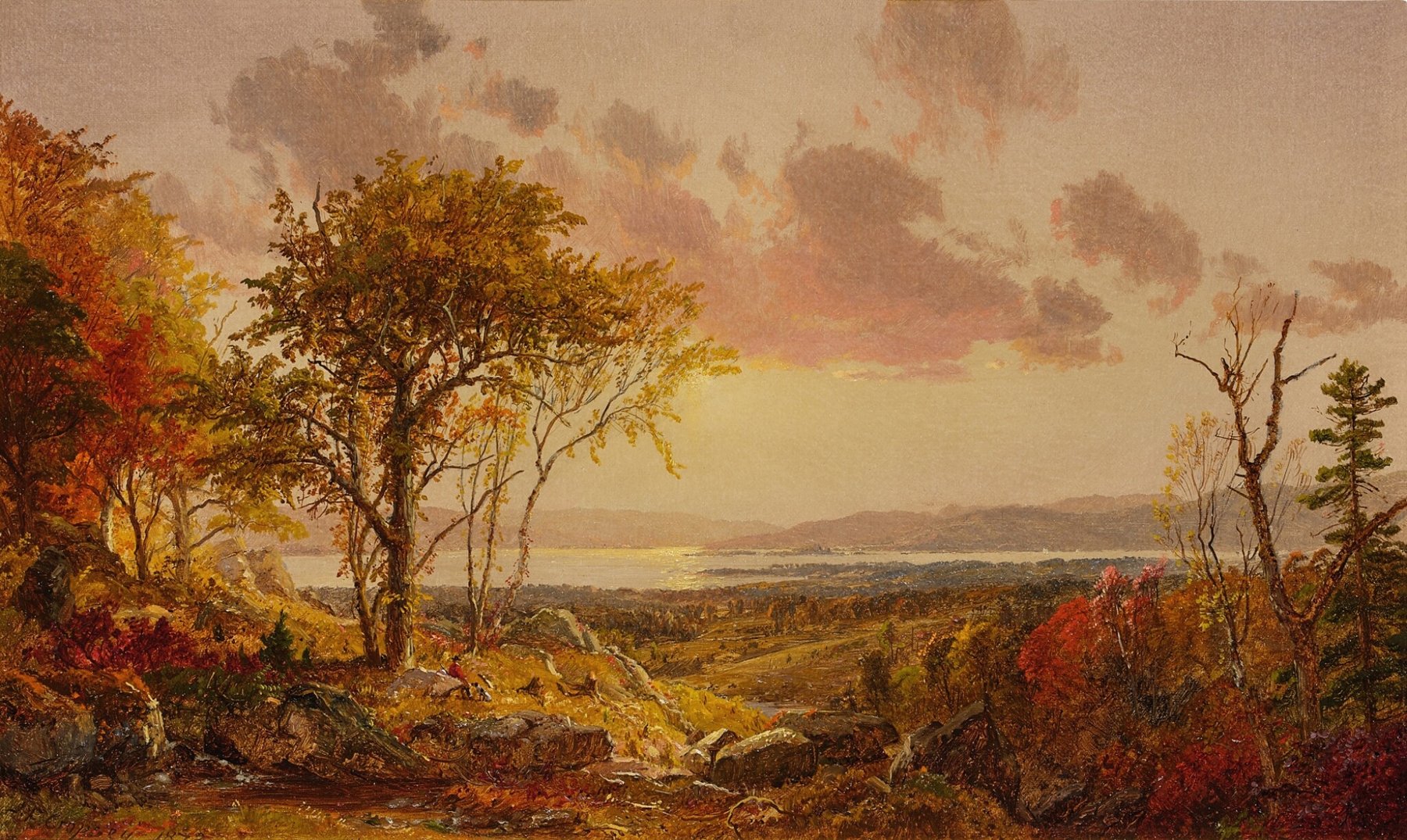
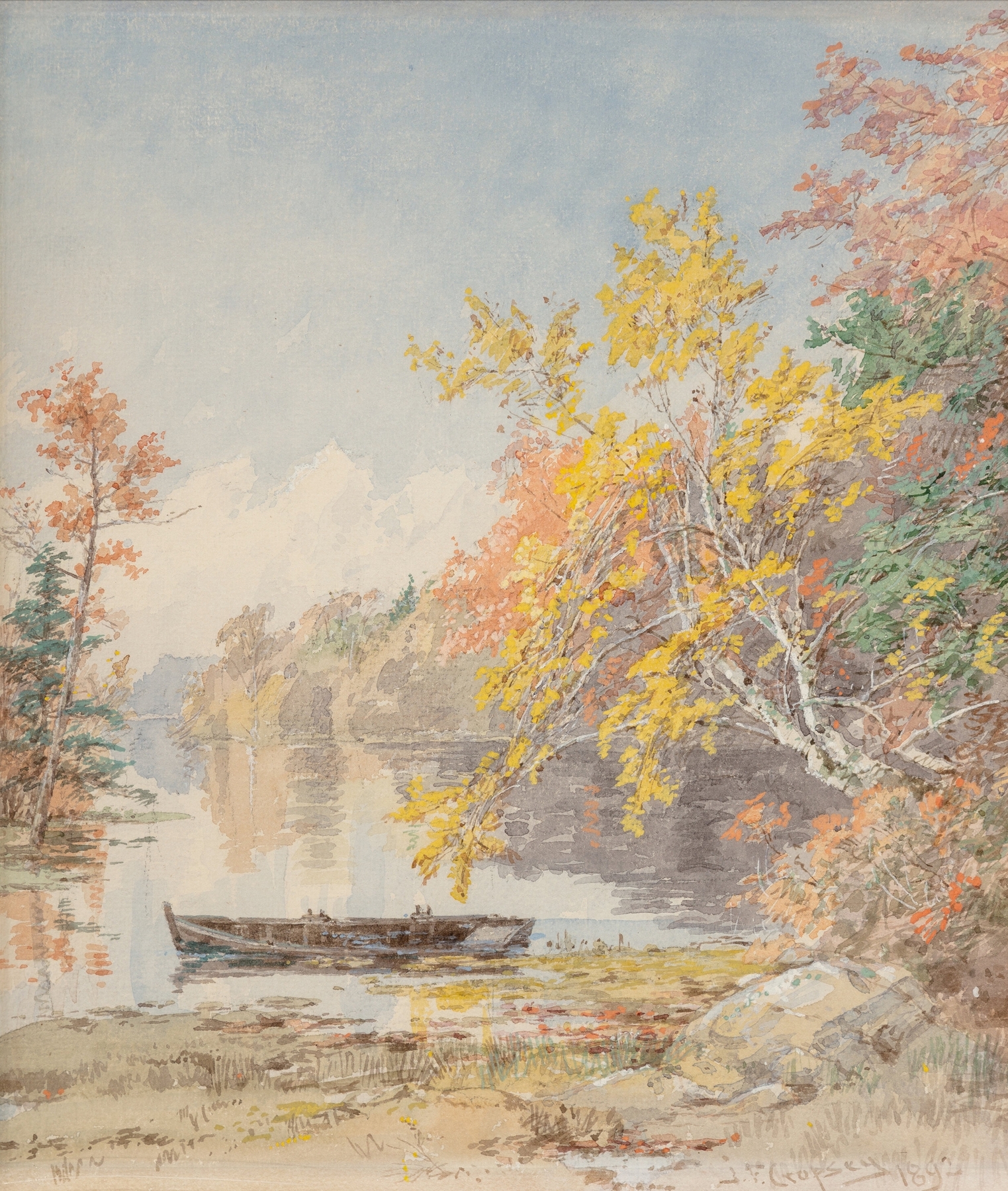
Could beauty survive in a century of chaos? As the world teetered on the brink of change in the late 19th century, a fragile innocence quietly unfolded in nature’s embrace. Look to the left to find a tranquil lake, its surface mirroring the vibrant hues of autumn leaves. Notice how the fiery oranges and deep reds of the foliage contrast sharply with the soft blues of the sky, creating a harmonious balance that draws the viewer’s eye across the canvas.
The brushstrokes are delicate yet purposeful, capturing both the stillness of the water and the rustling whispers of the trees, inviting a sense of peace amidst the vivid colors of the season. Beneath the surface beauty lies a deeper tension. The serene landscape serves as a reminder of transient moments, reflecting a world where innocence is often overshadowed by the impending industrial transformations of the era. The interplay of light and shadow throughout the composition suggests an emotional depth, portraying not just a season but a fleeting state of harmony that may soon be disrupted.
Here, the essence of nature can be seen as a sanctuary, a resistance against the chaotic forces looming on the horizon. During the creation of this piece in 1892, the artist was immersed in the American landscape movement, capturing the beauty of nature at a time when the nation was grappling with rapid industrialization and urban expansion. Cropsey, a prominent figure among the Hudson River School painters, sought to evoke a sense of nostalgia for the pristine wilderness as it began to fade. In Autumn on the Lake, he not only immortalizes a moment in time but also serves as a poignant commentary on the innocence that is often lost in the wake of progress.