Nocturne — History & Analysis
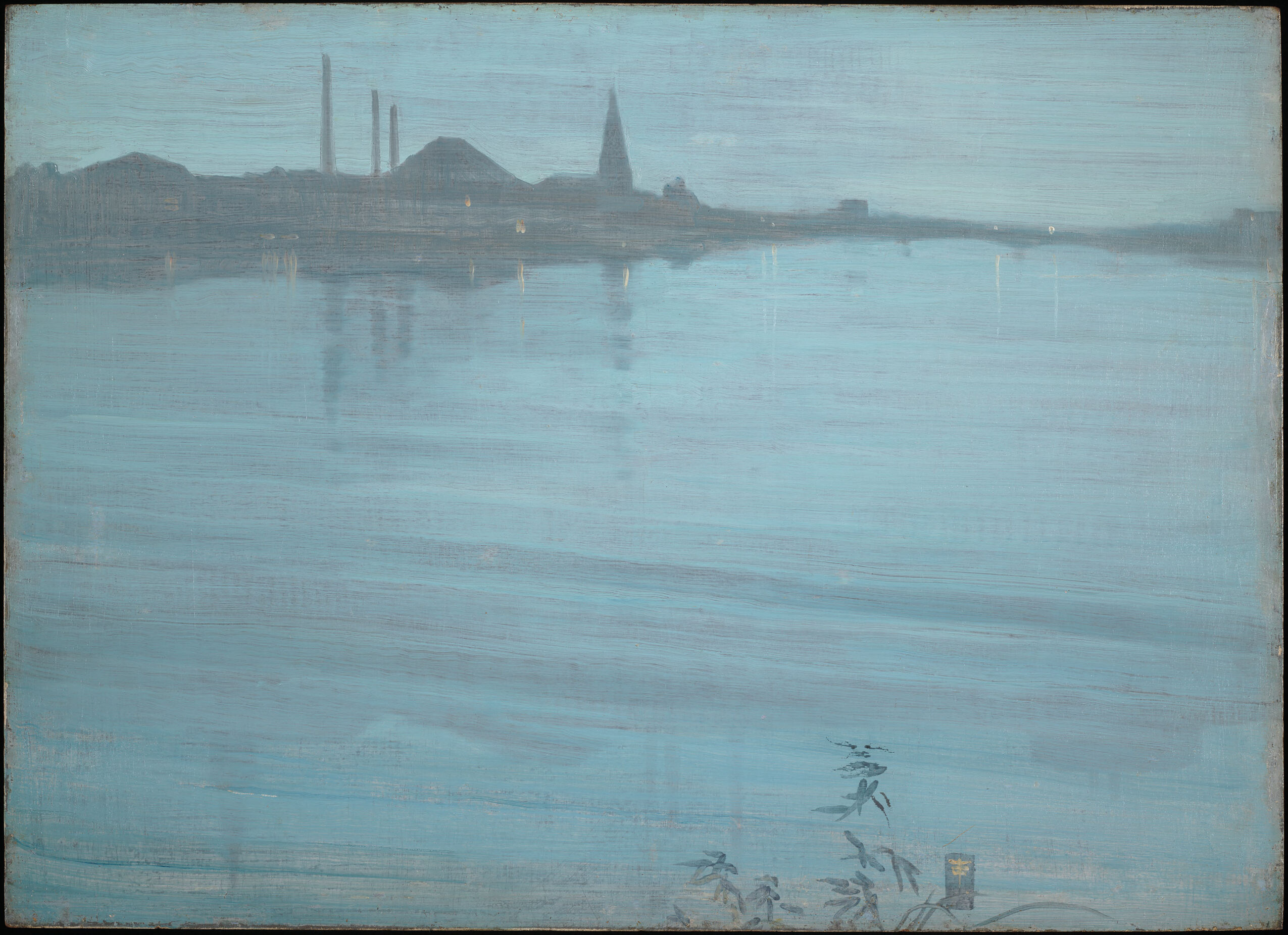
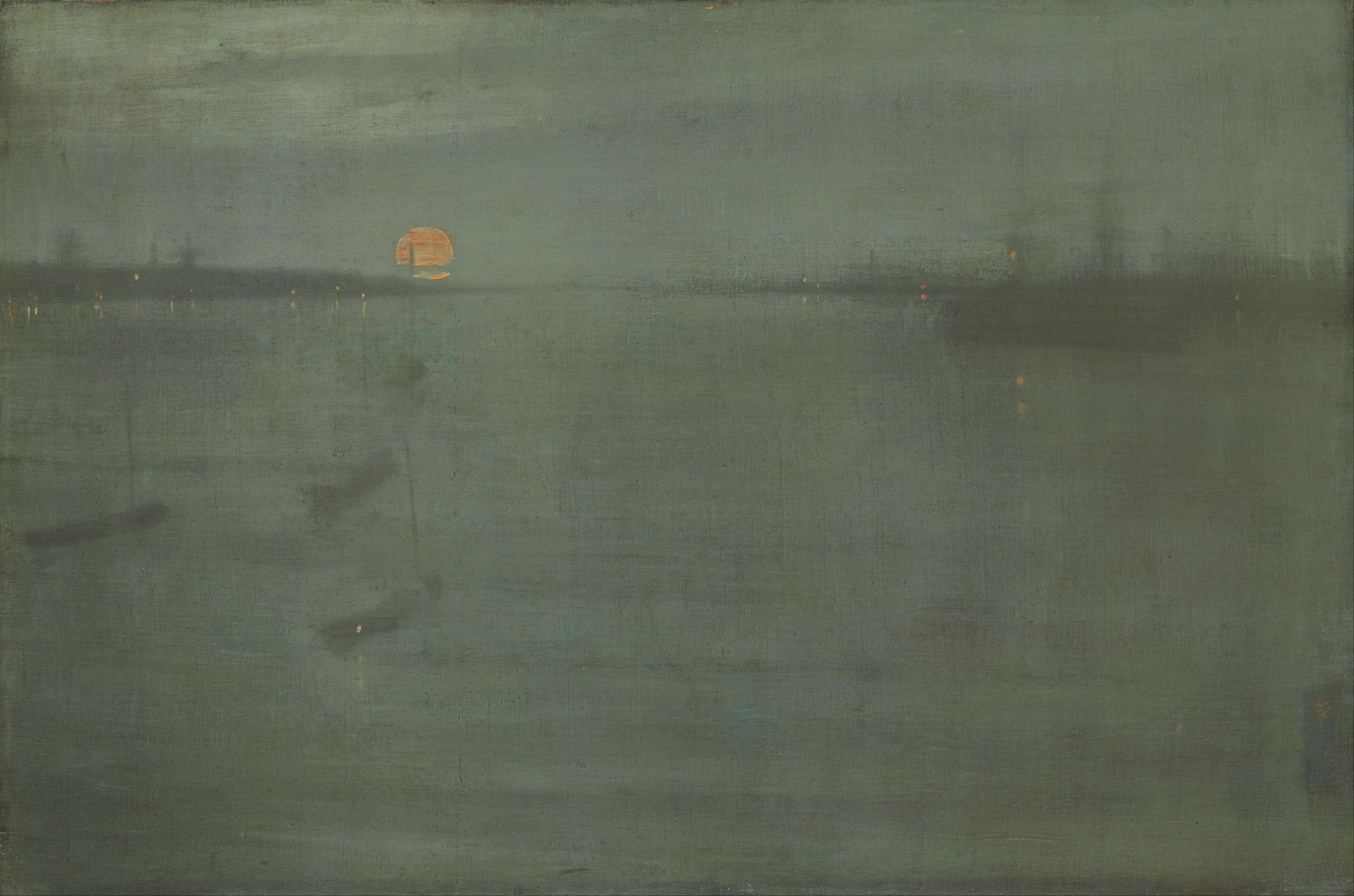
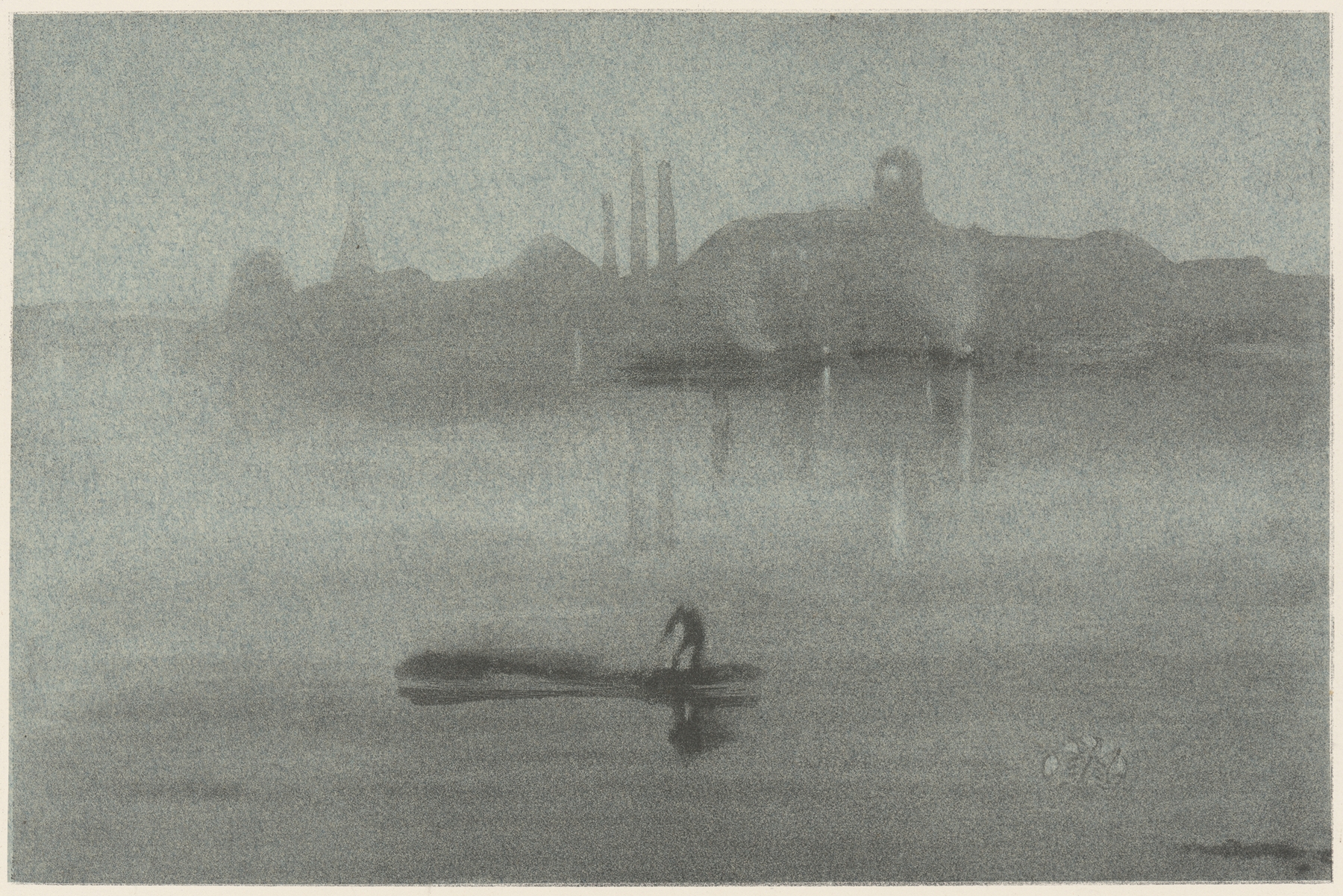
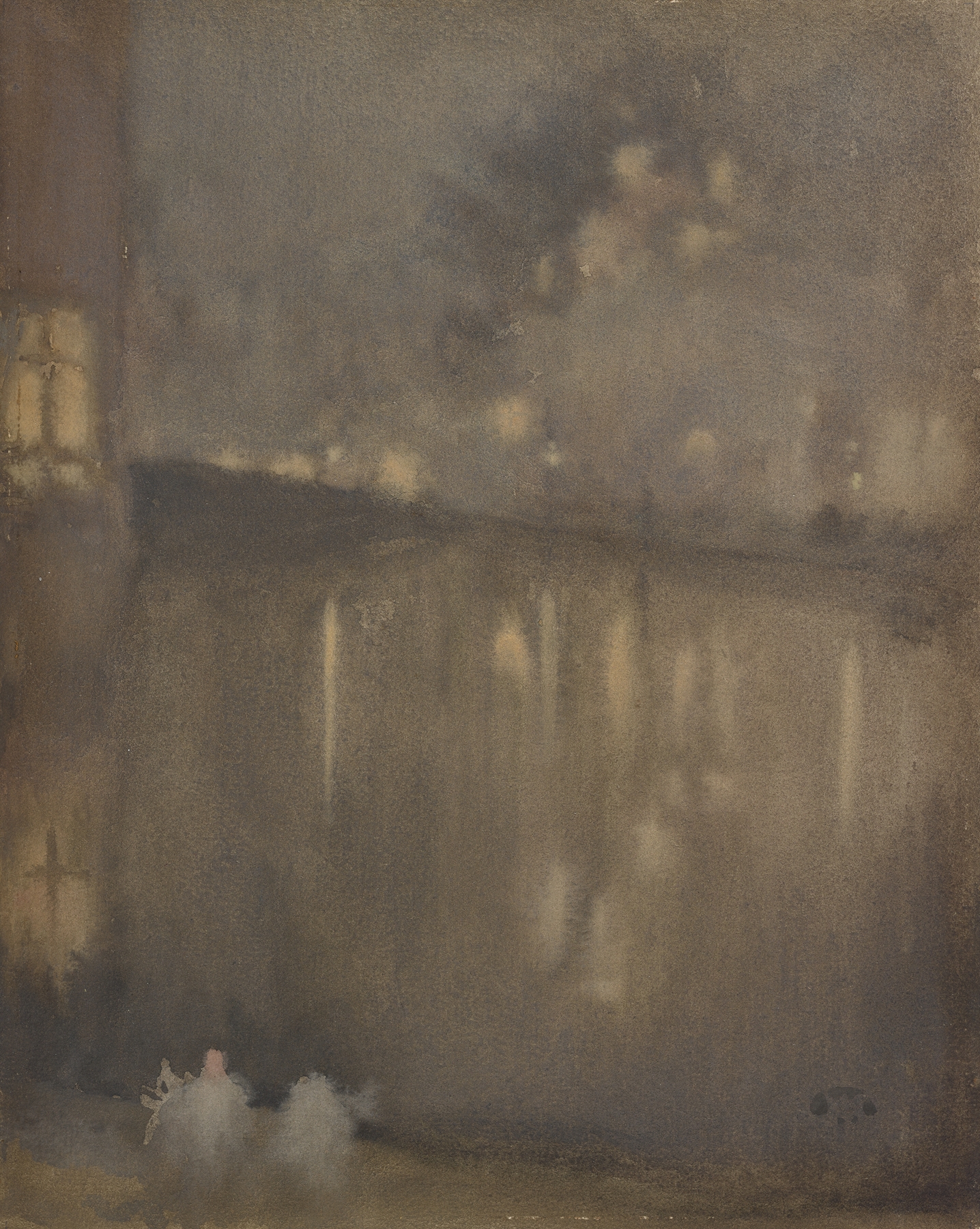
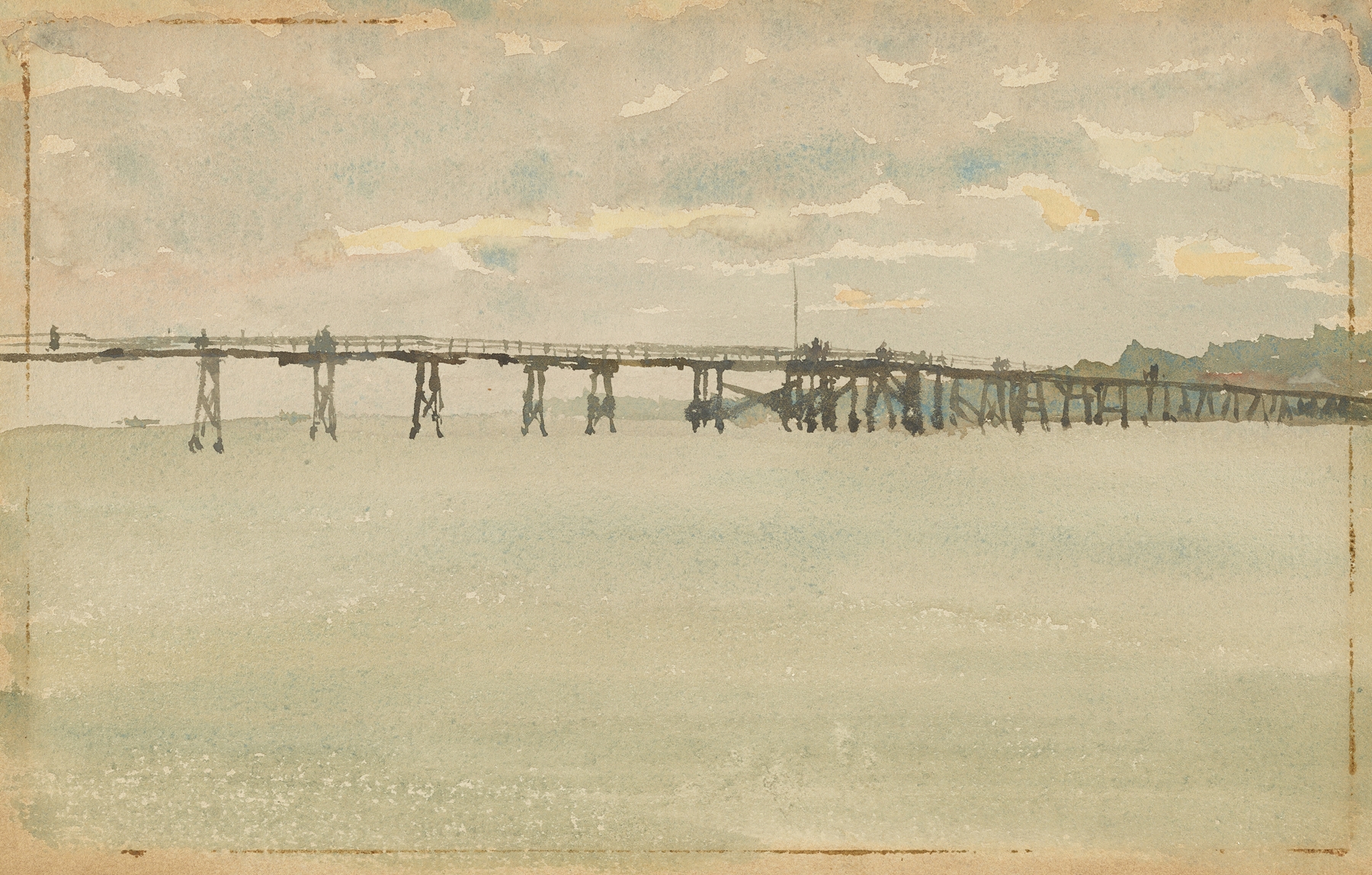
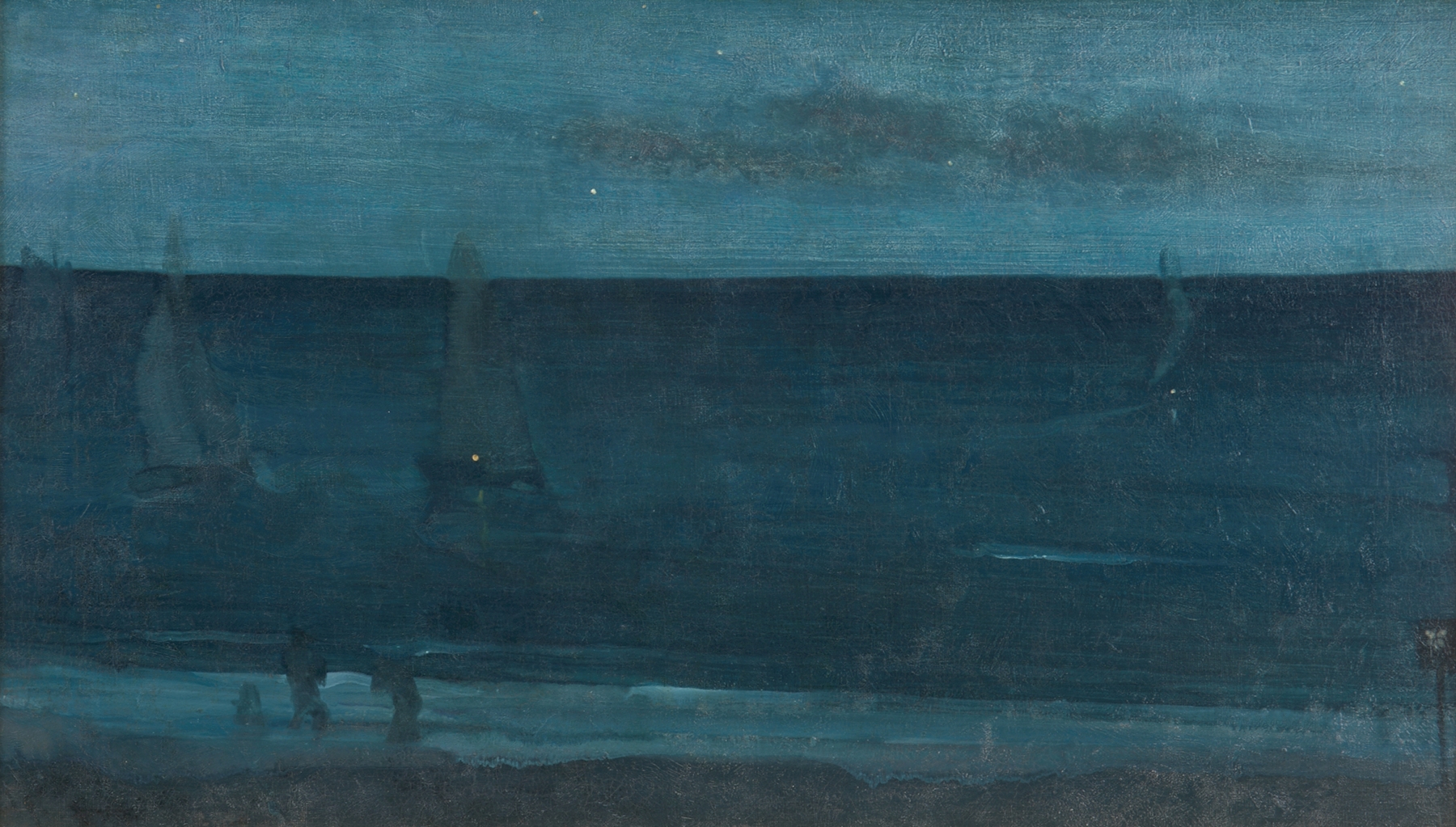
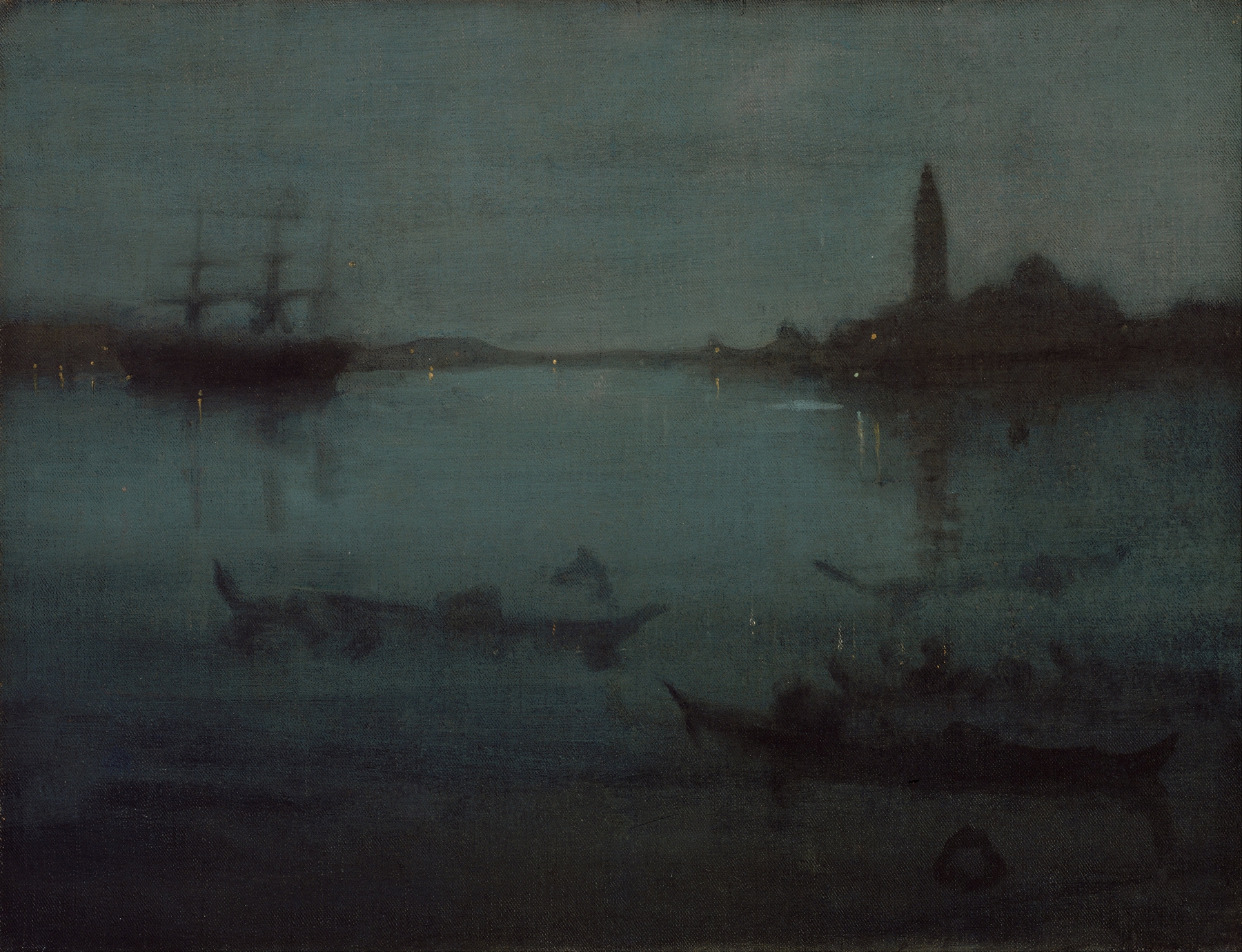
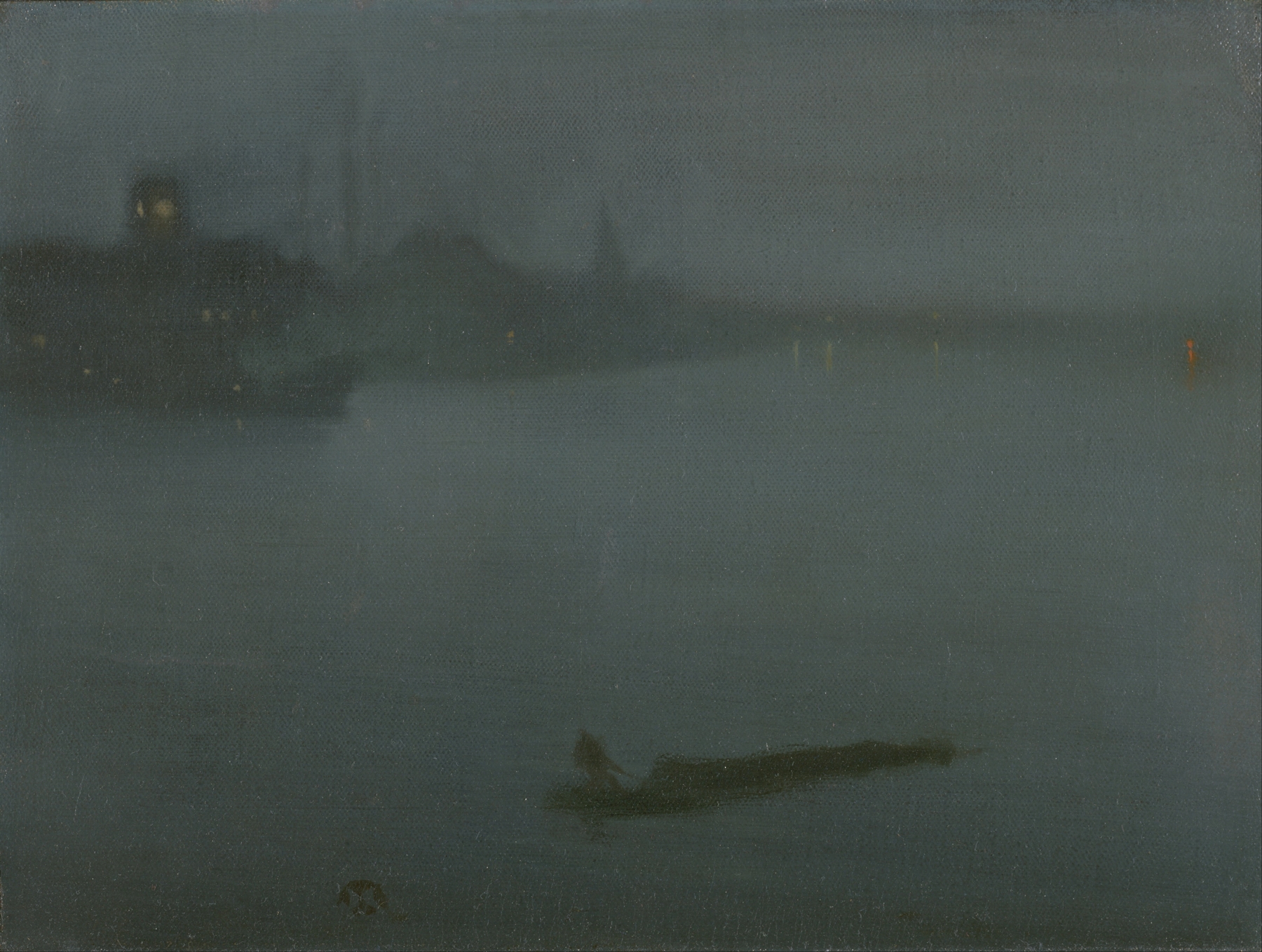
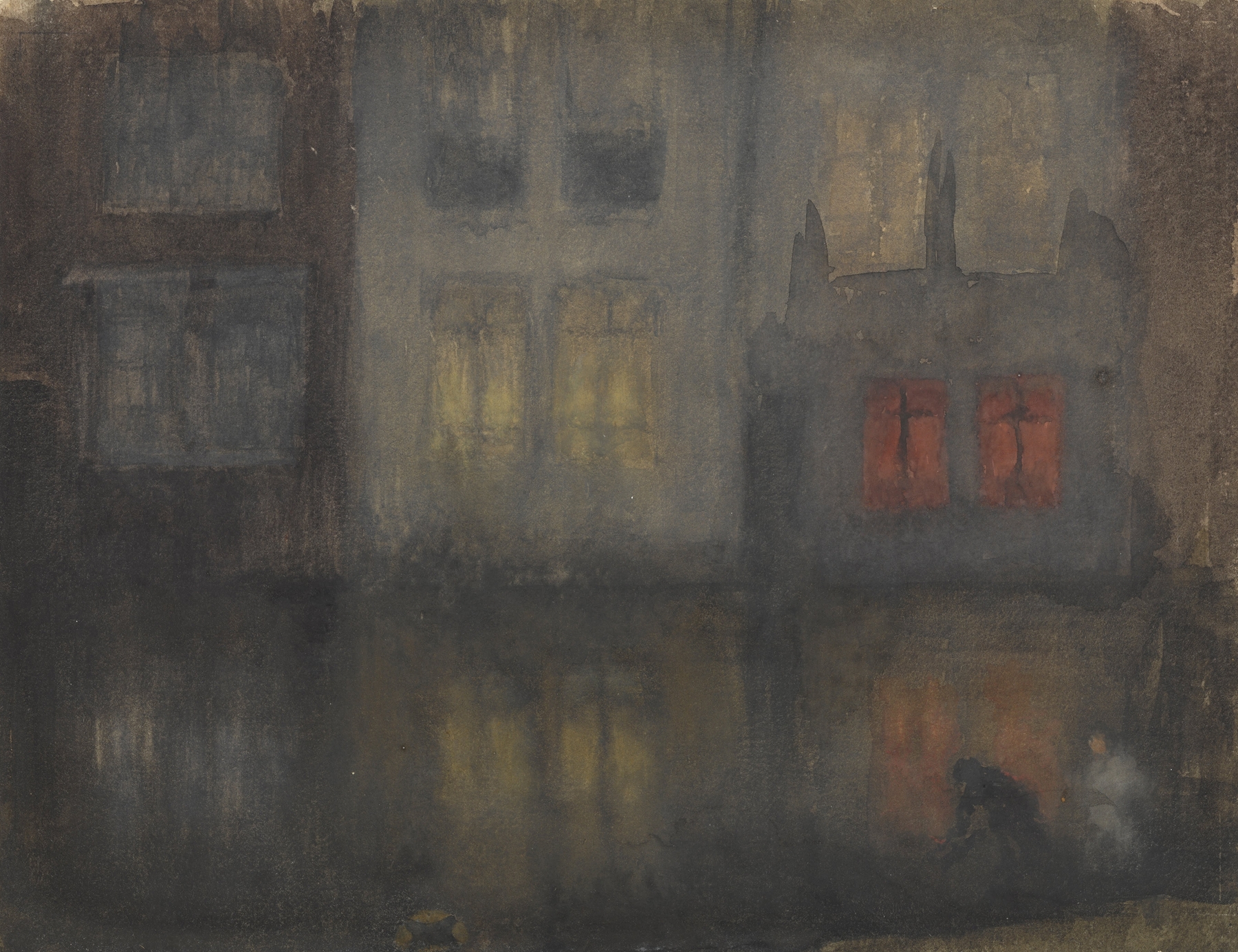
What secret hides in the quiet of the canvas? In the stillness of night, it is often in the shadows that the heart reveals its most profound betrayals. Look to the center of the composition, where the tranquil waters reflect an ethereal glow, capturing the elusive interplay of light and dark. The delicate brushstrokes create an atmospheric haze that envelops the scene, inviting the viewer to lose themselves in the depths of color.
Notice how the muted blues and grays harmonize, blending seamlessly to envelop the entire tableau in a dreamlike quality, while a faint luminosity emanates from a distant source, hinting at the unseen world beyond the margins. Yet beneath this serene exterior lies an undercurrent of tension. The horizontal line of the horizon barely divides the canvas, suggesting an ambiguous boundary between stability and uncertainty. The solitary figure, almost ghostlike, stands removed from the surrounding beauty, reinforcing a sense of isolation.
What is left unsaid in this moment echoes loudly; betrayal lurks in the silence, a whisper of discontent as the stillness suggests a deeper narrative of longing and estrangement. Created between 1879 and 1880, this piece arose during a transformative period for Whistler, who was grappling with personal conflicts and artistic ambitions. Working in London, he was at the forefront of the Aesthetic movement, championing art for art’s sake. This era was marked by his innovative explorations of light and color, pushing the boundaries of traditional representation, all while navigating the tumult of his public reputation and personal relationships.