Nocturne in Black and Gold: Rag Shop, Chelsea — History & Analysis
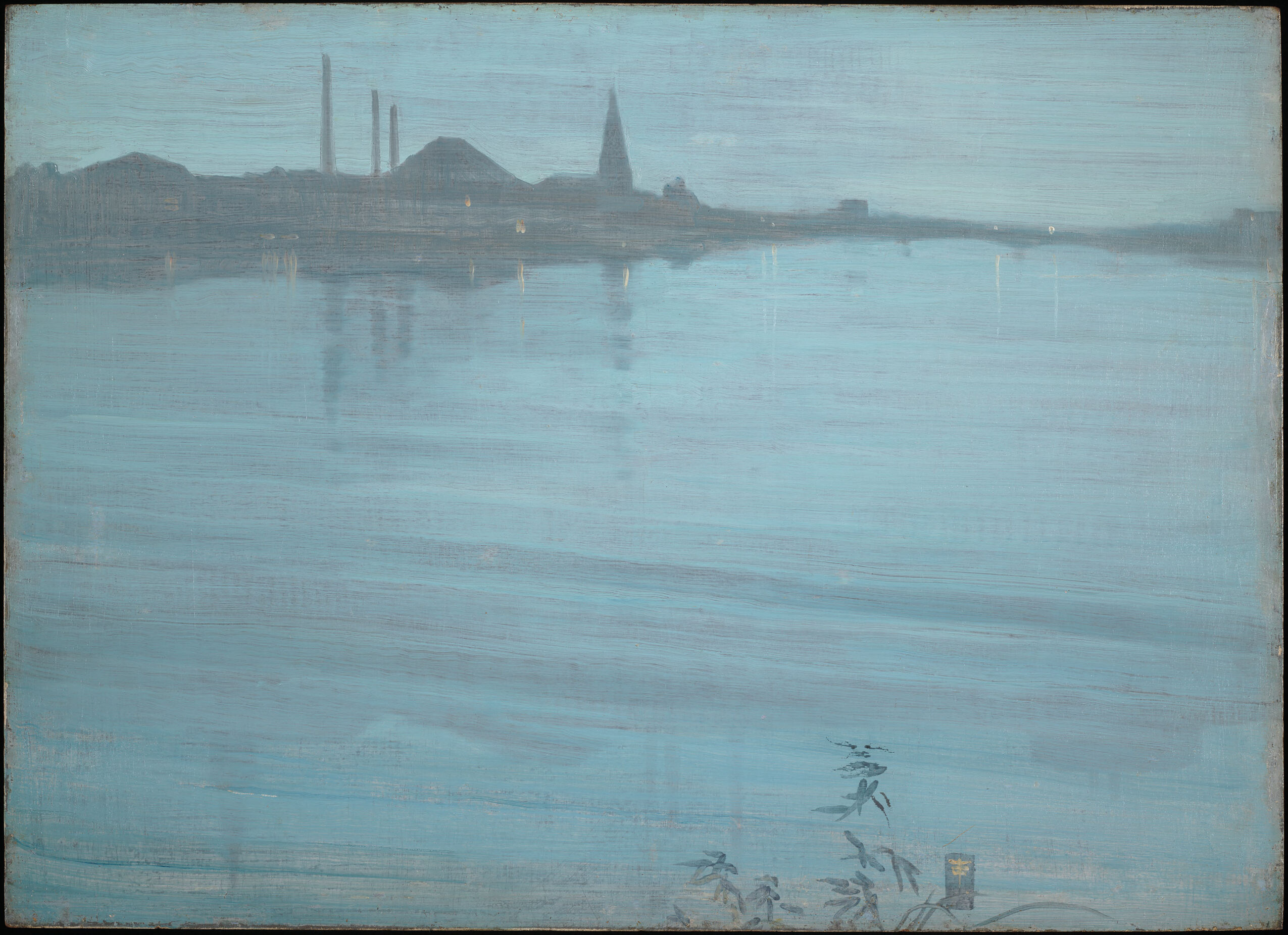
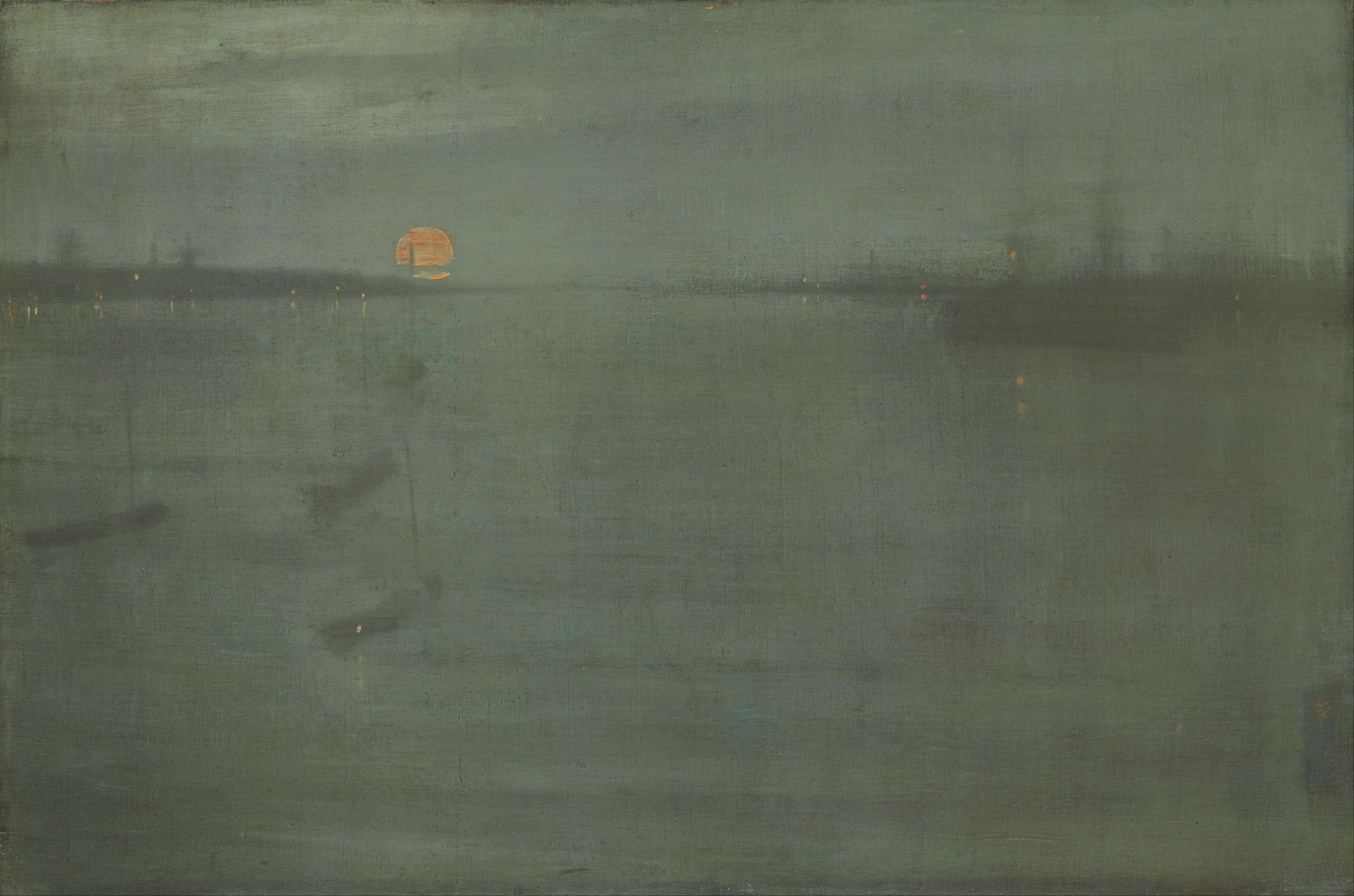
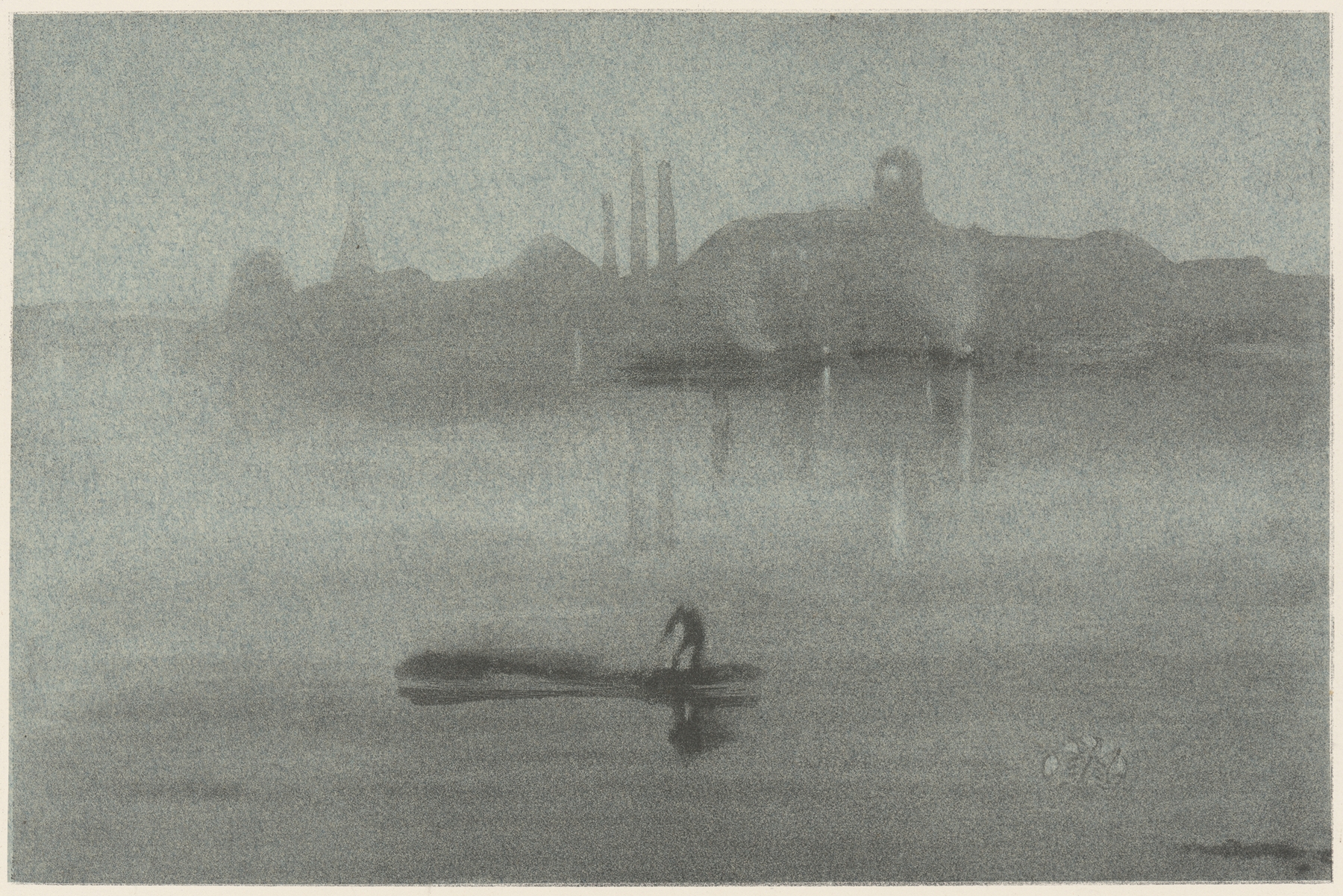
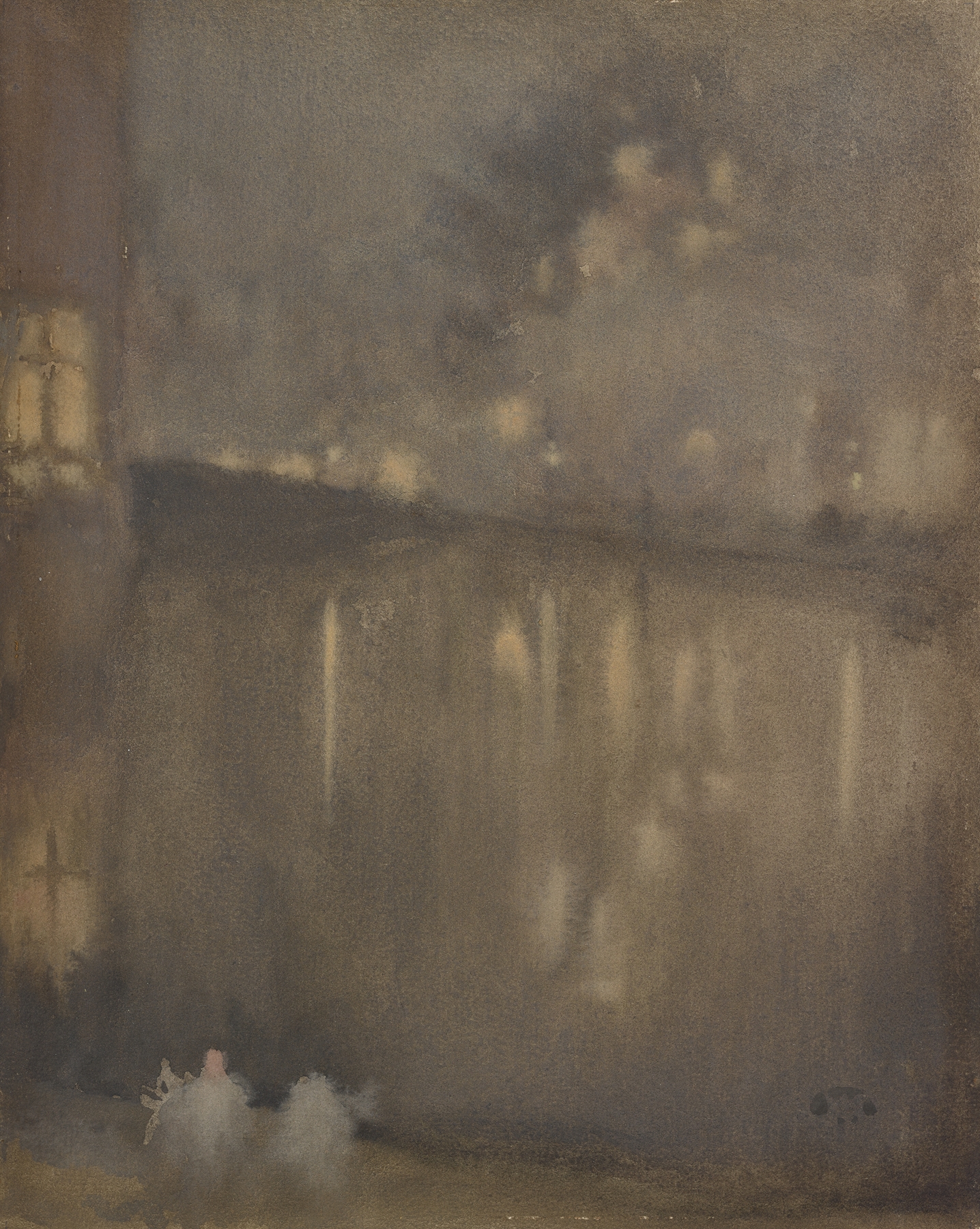
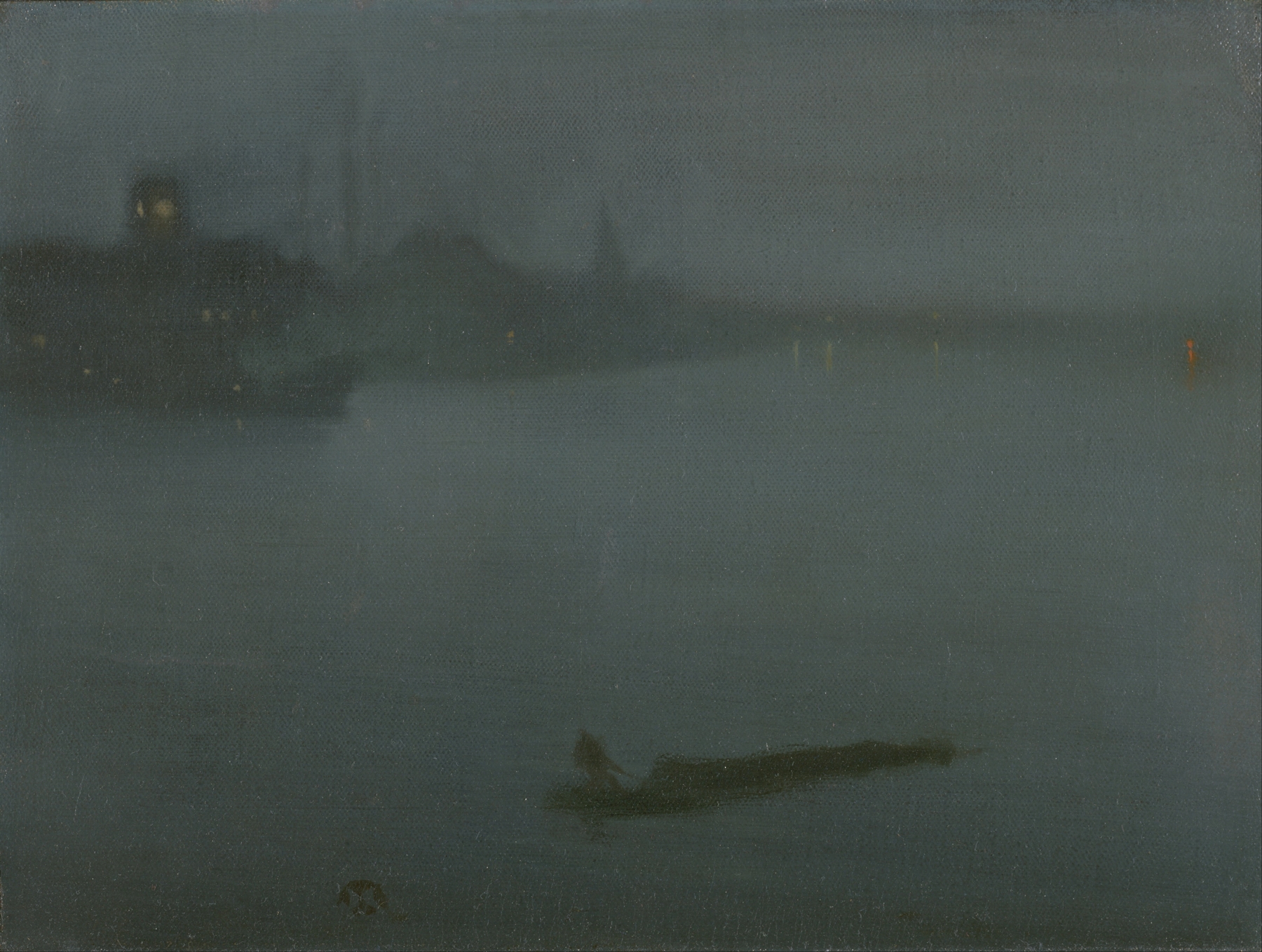
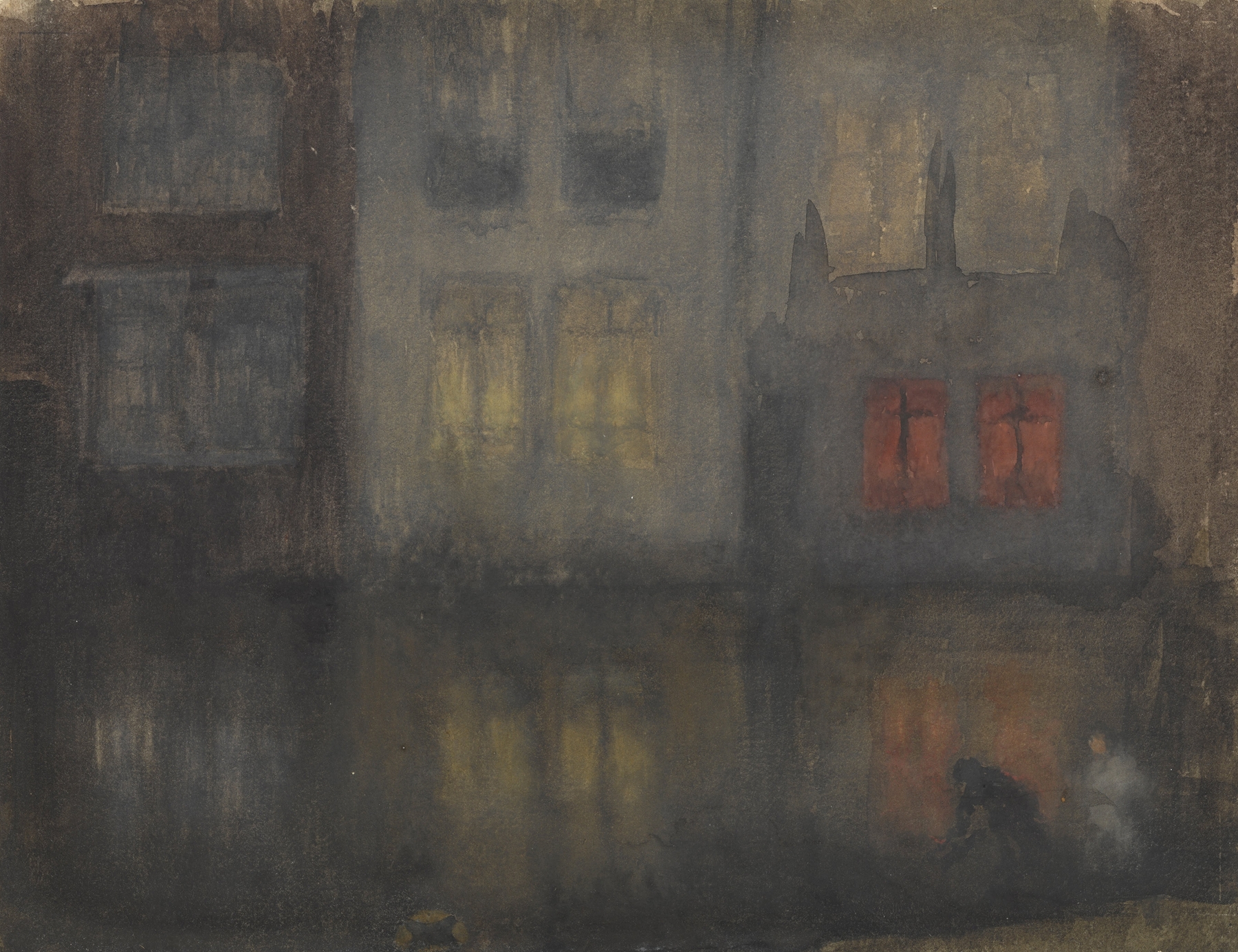
“To paint is to remember what time wants us to forget.” In a world teetering on the edge of memory and oblivion, the void emerges as both a haunting expanse and a canvas for contemplative reflection. Look closely at the swirling darkness that envelops the scene, where hints of gold punctuate the deep shadows. The almost ethereal light seems to float rather than illuminate, illuminating the rag shop in an unearthly glow. This contrast between the muted palette and the subtle glimmers of light creates a tension that pulls you into the composition, compelling your gaze to wander through the layers of fabric and texture.
Each brushstroke conveys a delicate balance between chaos and order, inviting a deeper exploration of the space. Within the seemingly mundane, there lies a profound commentary on the passage of time and the ephemerality of material possessions. The rich textures of the rags symbolize the transient nature of life, while the ghostly figures suggest the specters of memory etched into the fabric of existence. Whistler's choice to eschew bold colors emphasizes a sense of void—both a literal emptiness and an emotional resonance that speaks to loss and nostalgia.
The interplay of light and dark embodies the complexity of human experience, as fleeting moments are caught in the twilight of recollection. Created around 1878, this piece marks a pivotal moment in Whistler's career, reflecting his shift toward a more abstract form of art. Living in Chelsea, he was deeply influenced by the Impressionist movement, focusing on atmospheric effects and emotional evocations rather than strict representation. This period also coincided with his growing interest in musicality within art, as he sought to blend visual and auditory sensations, ultimately shaping a legacy that would resonate through the ages.