Nordic Landscape with a dead Tree — History & Analysis
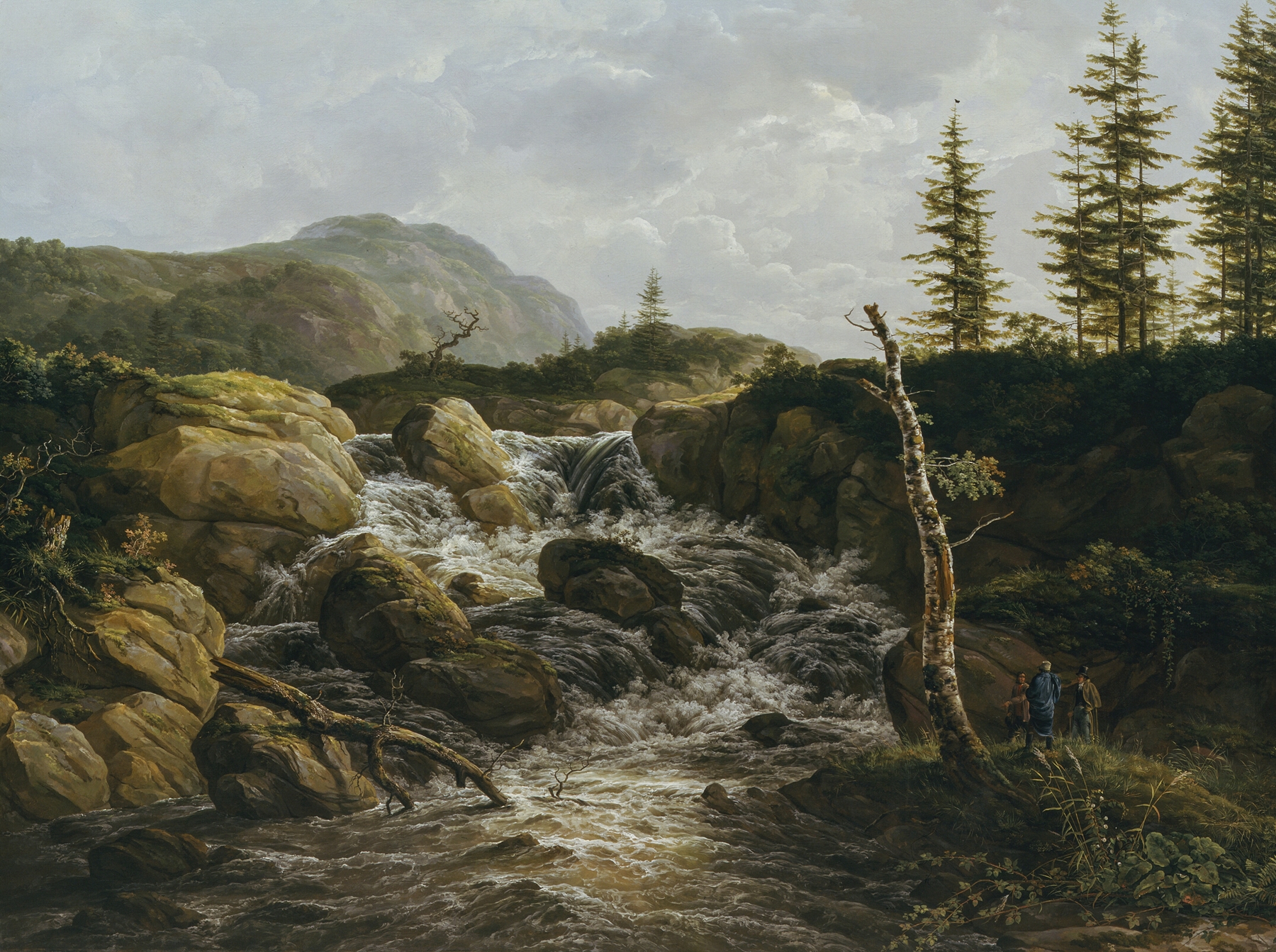
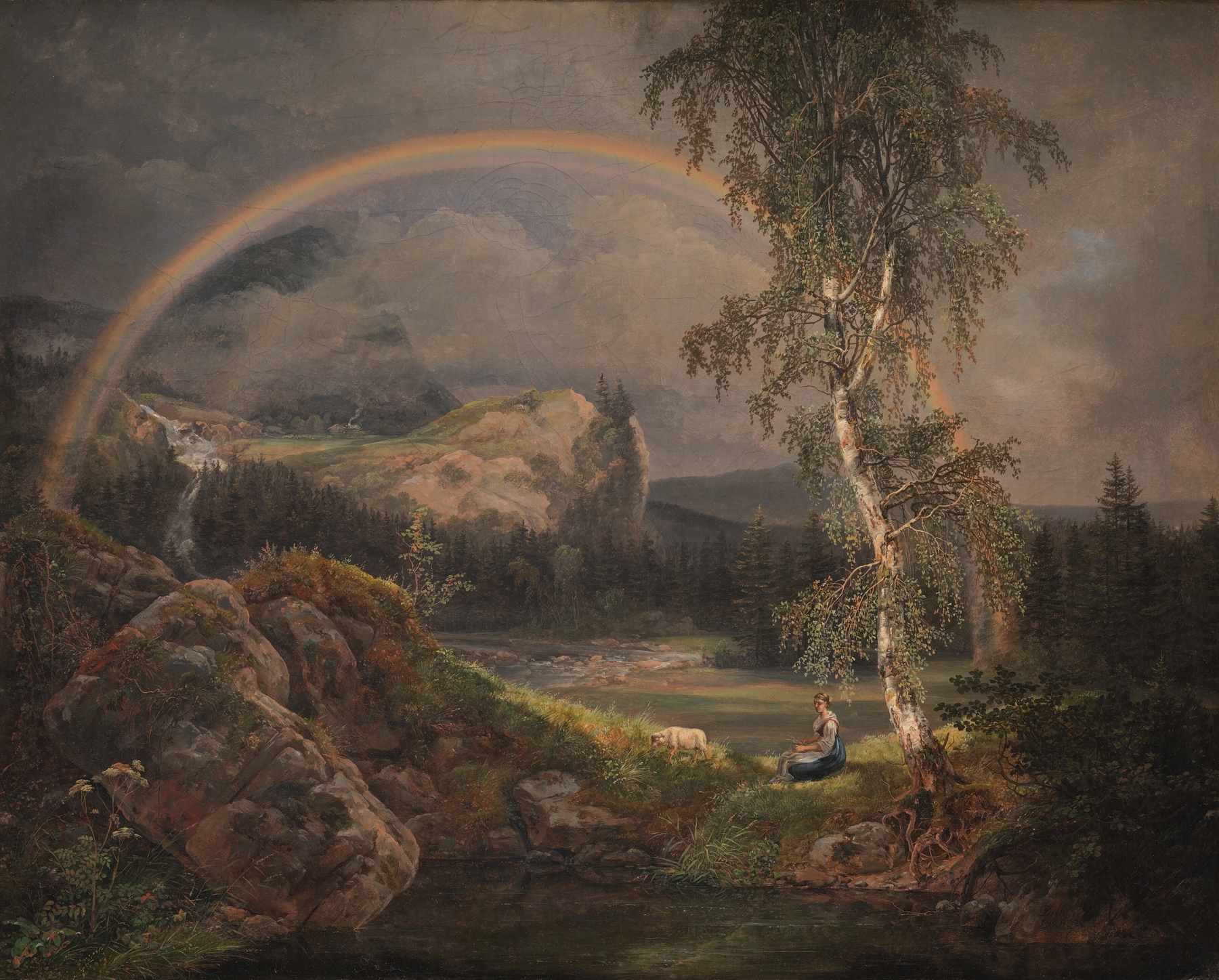
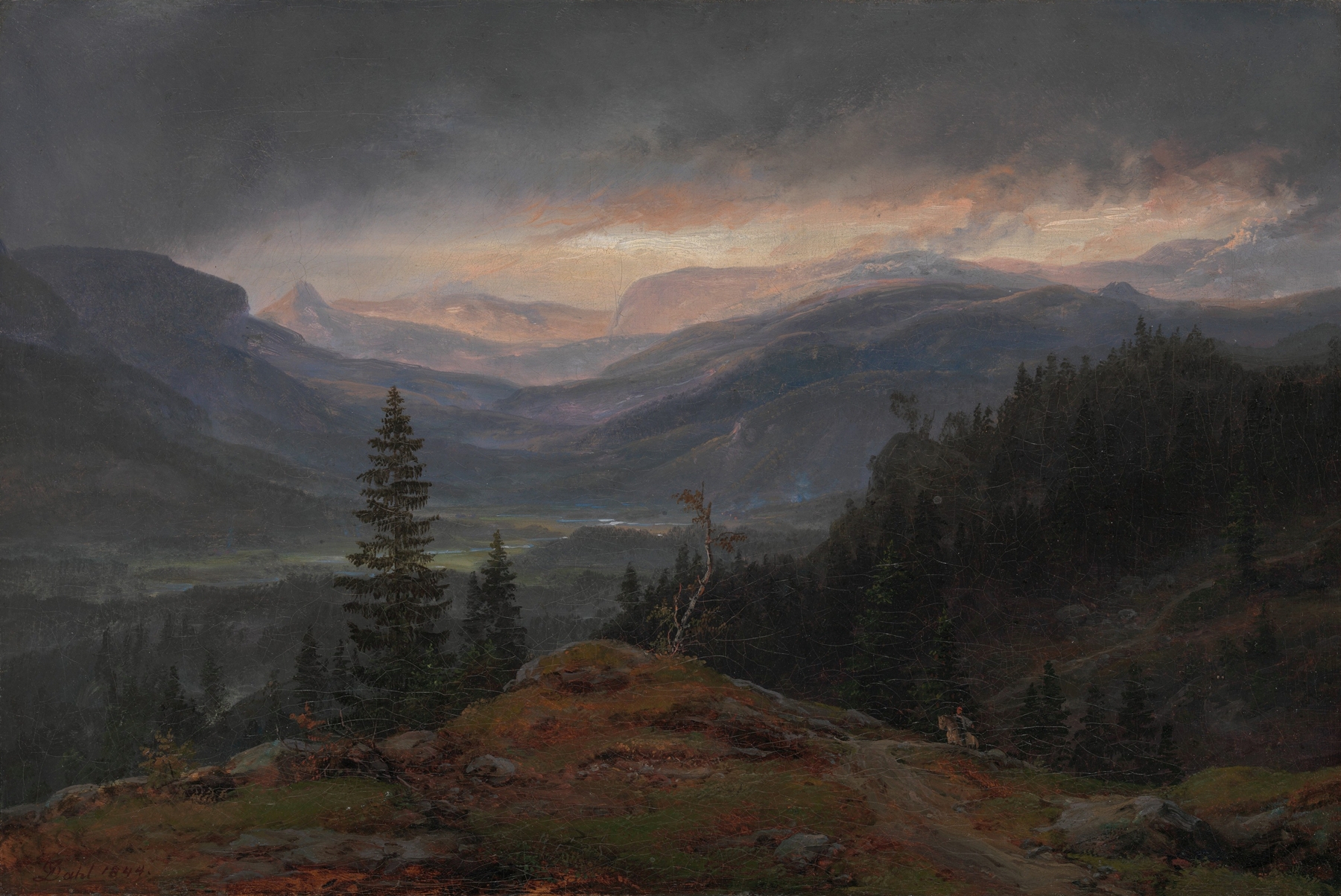
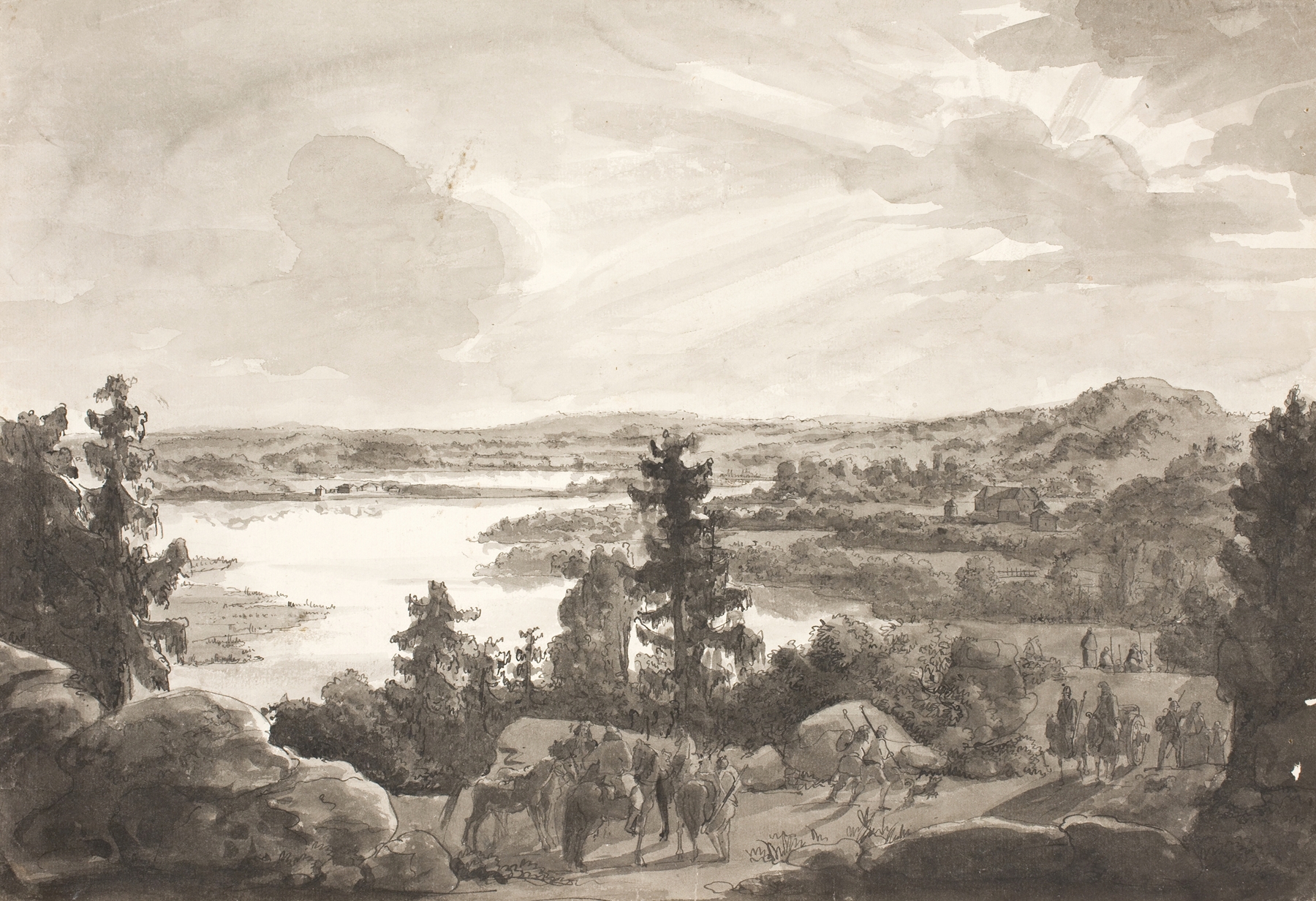
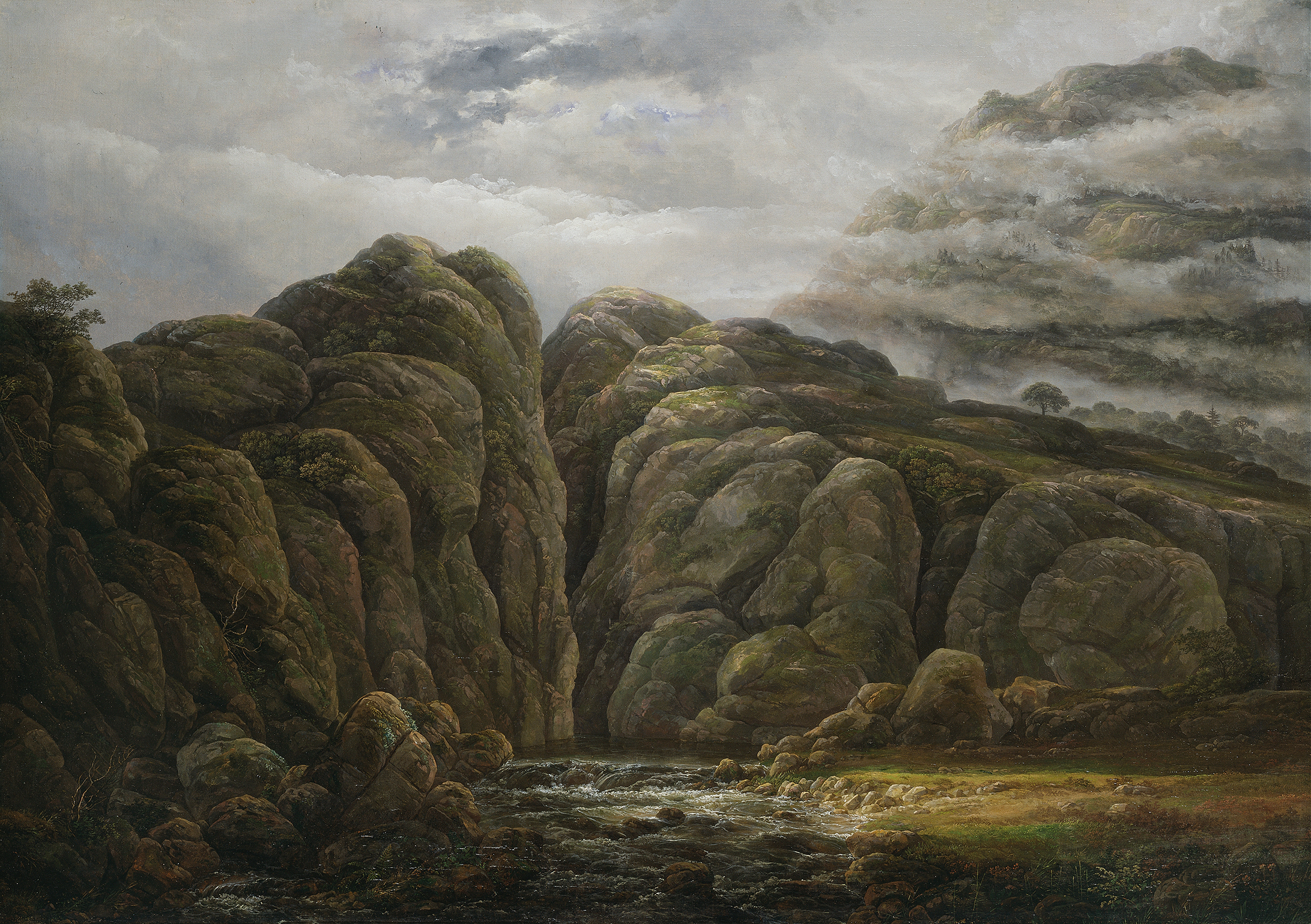
“Art reveals the soul when the world turns away.” In the quiet stillness of a Nordic landscape, where nature and life unfurl anew, a dead tree stands solemnly, whispering stories of rebirth. Look to the right at the skeletal form of the tree, its gnarled branches reaching toward an expansive sky painted in soft pastels. The contrast between the lifeless trunk and the vibrant hues of dawn creates a palpable tension, a reminder of life’s fragility amidst the beauty of existence. Notice how the light bathes the scene, illuminating patches of grass and the distant hills, inviting the viewer into an emotional embrace of hope and melancholy.
Upon closer inspection, the dead tree becomes a poignant symbol of resilience. Surrounding it, the lush greenery suggests a cycle of renewal, where life persists even in the shadow of death. The painter's brush has captured not just the landscape, but also the interplay of despair and hope, urging the viewer to reflect on the inevitable passage of time and the beauty that can arise from decay.
In 1814, when this piece was created, Johan Christian Dahl was in Norway, deeply influenced by the Romantic movement, which sought to emphasize nature's sublime power. This period was marked by a growing interest in national identity and the natural world following the Napoleonic Wars. Dahl's work, a blend of meticulous detail and emotional depth, mirrored the broader artistic exploration of humanity’s connection to nature, as well as the personal shifts he experienced during his artistic journey.