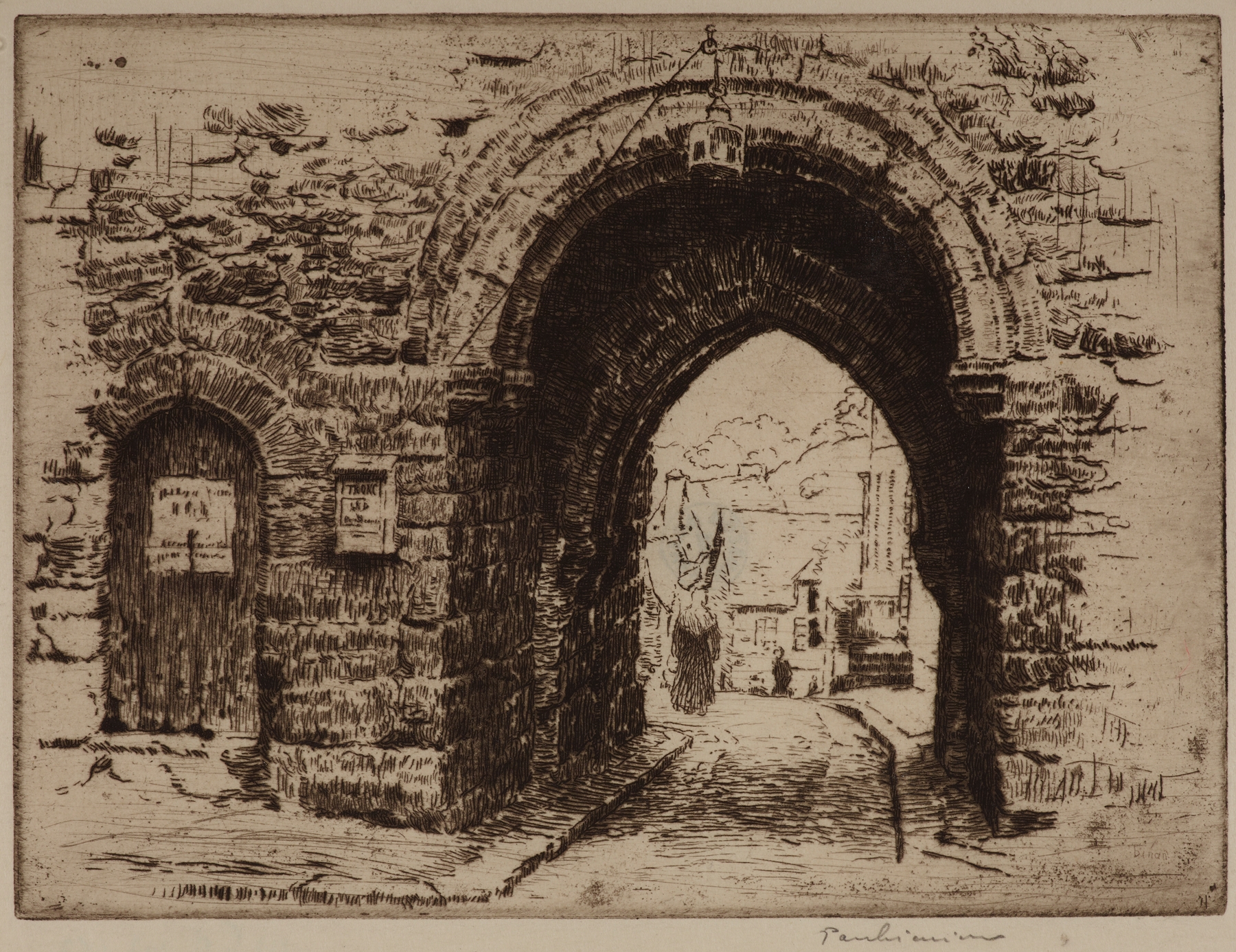
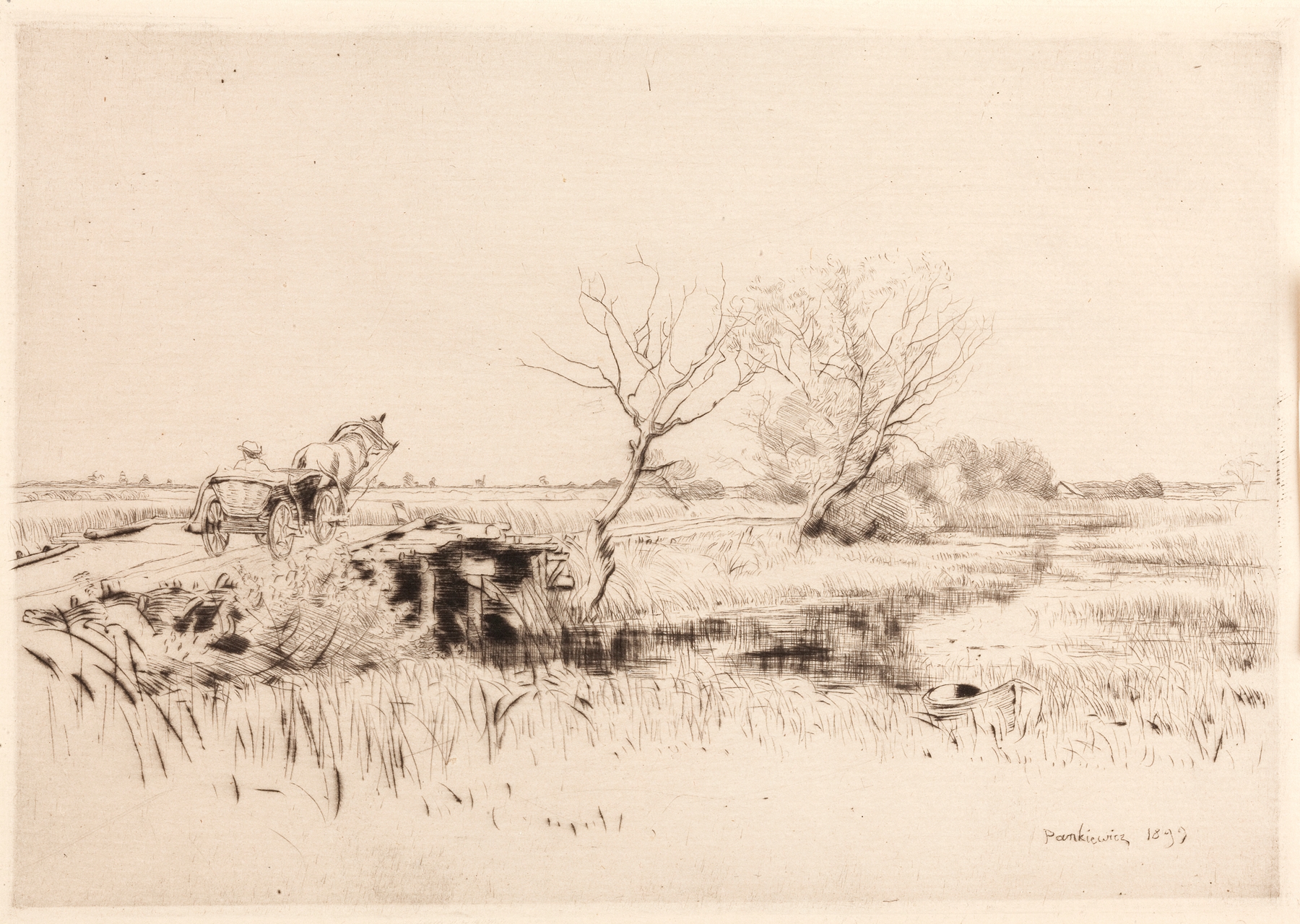
Nôtre-Dame de Paris Cathedral — History & Analysis
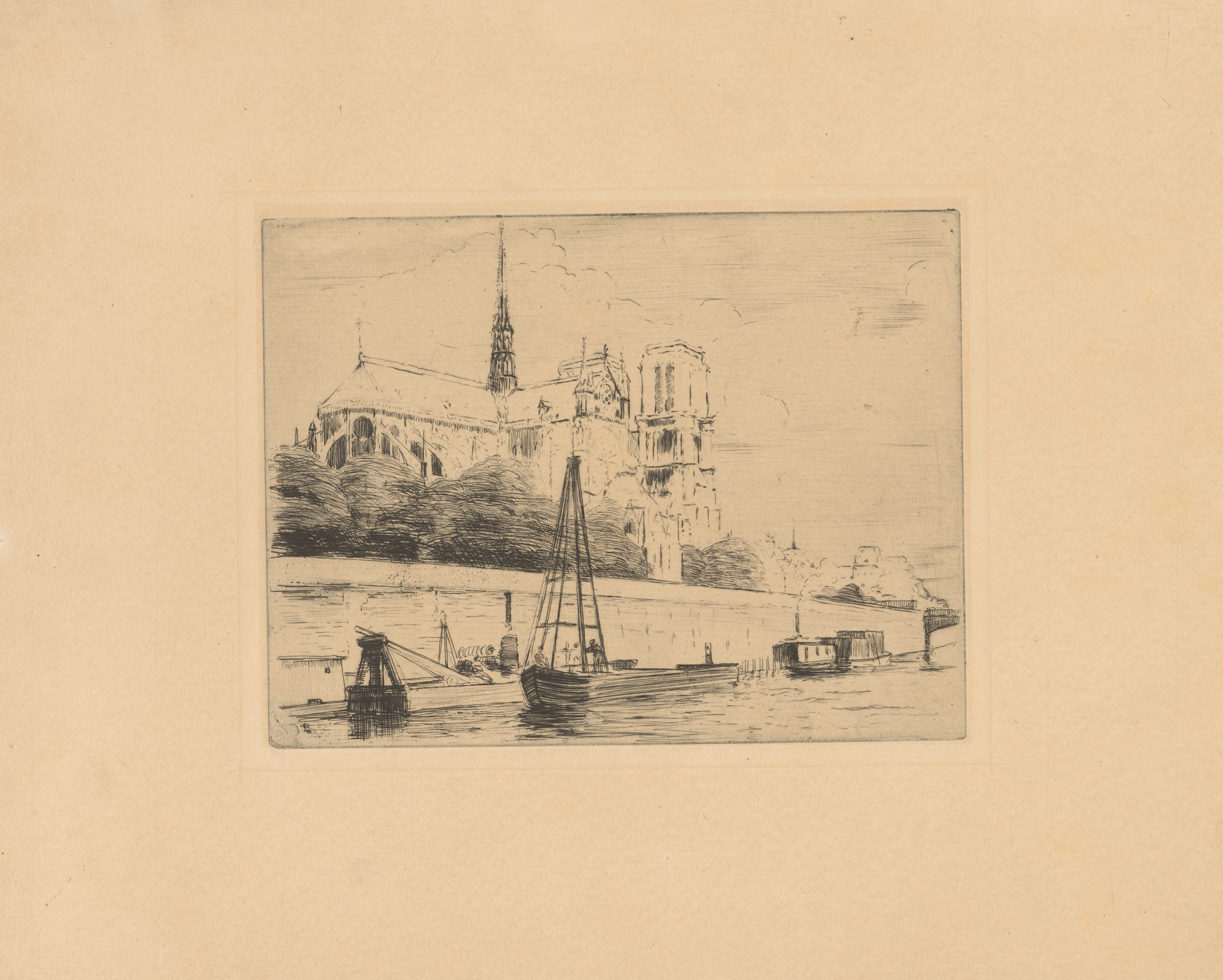
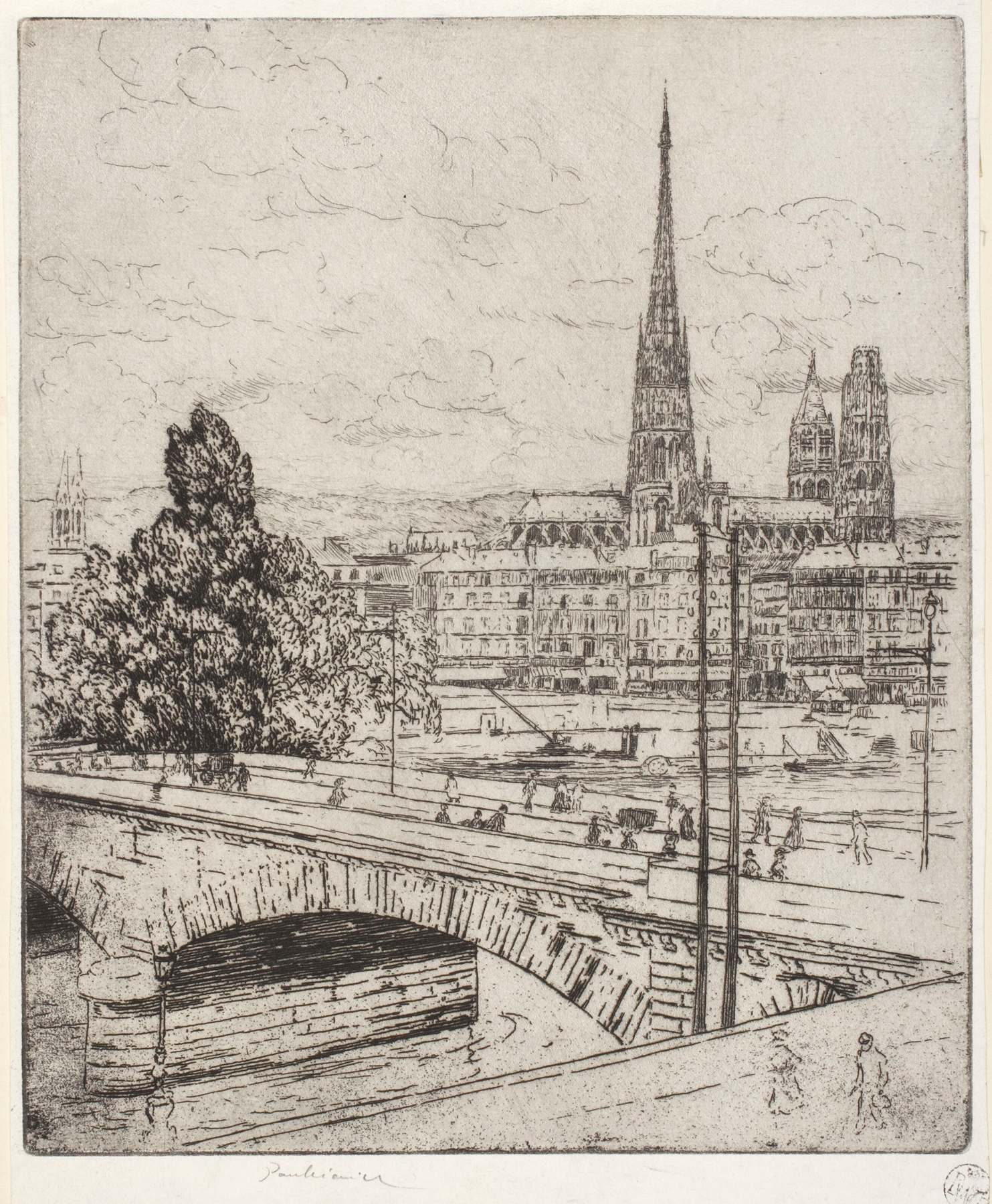
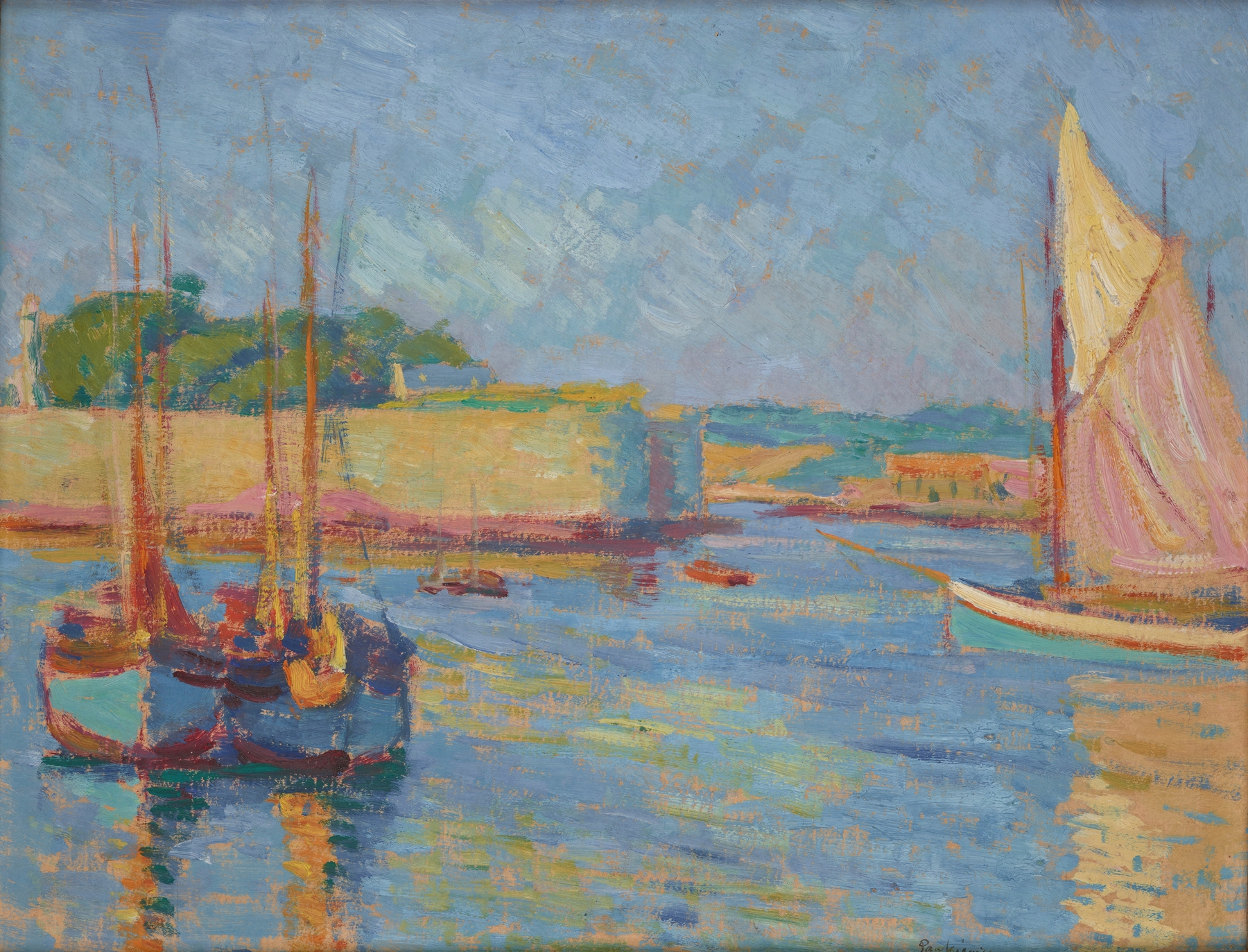
“Sometimes beauty is just pain, disguised in gold.” In the delicate nuances of Nôtre-Dame de Paris Cathedral, a landscape emerges steeped in both grandeur and sorrow, challenging viewers to confront the hidden shadows within its brilliance. Look to the left at the dramatic play of light spilling over the intricate stone façade, illuminating the cathedral’s gothic details. Notice how Pankiewicz’s brushwork captures the essence of Parisian light, creating a vibrant contrast between warm yellows and deep blues that envelop the historic structure. The composition draws your eye upward, toward the soaring spires, while the surrounding trees create a protective frame, suggesting a sanctuary amidst the bustling city.
Yet, beneath this idyllic tableau lies a deeper narrative of betrayal. The towering cathedral, symbolizing stability and faith, stands in stark contrast to the fleeting nature of beauty, as the surrounding landscape hints at the relentless march of time. The interplay between light and shadow evokes an emotional tension, as if the very stones whisper secrets of the past and unfulfilled promises that linger in the air. Each brushstroke speaks to a truth that beauty can mask pain, echoing the complexities of human experience.
In 1903, Pankiewicz captured Nôtre-Dame de Paris Cathedral during a time when the Impressionist movement had already begun reshaping the art world, merging realism with emotional expression. Living in Paris, he found inspiration in the changing urban landscape, his works reflecting both personal and societal transformations. This period marked a tumultuous chapter in art history, as artists navigated between tradition and modernity, amid rising tensions within French society.