Oboźna Street in Warsaw — History & Analysis
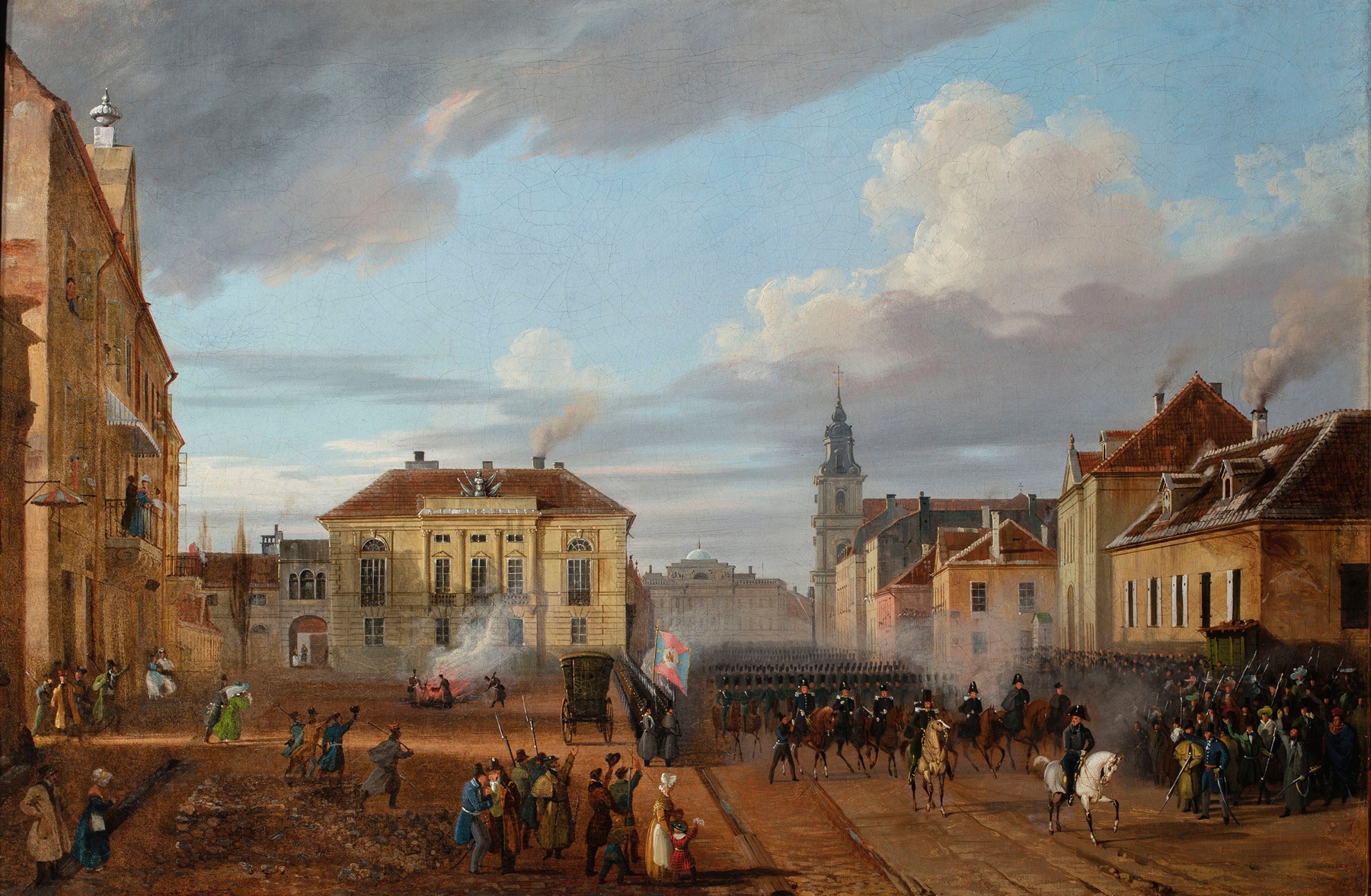
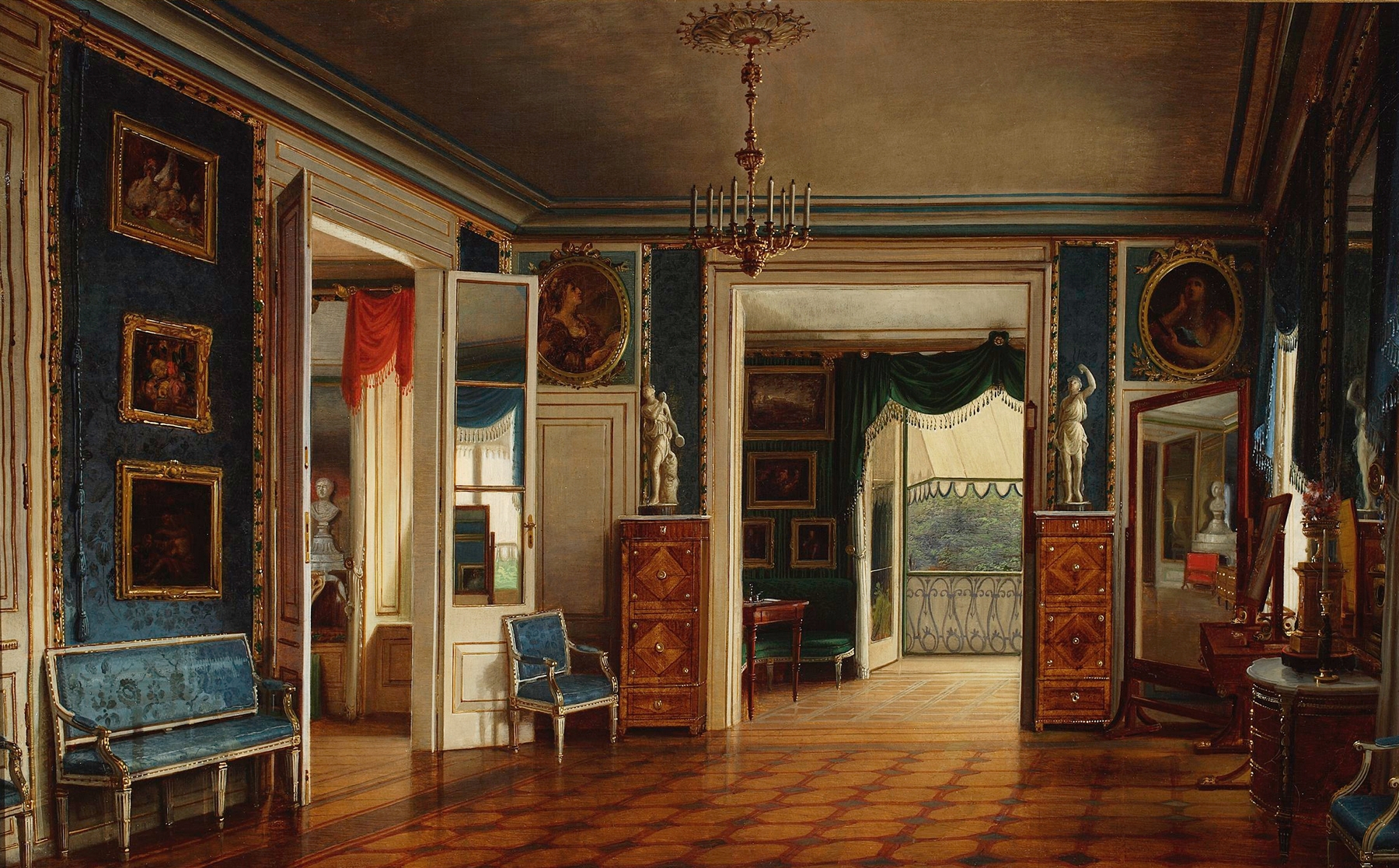
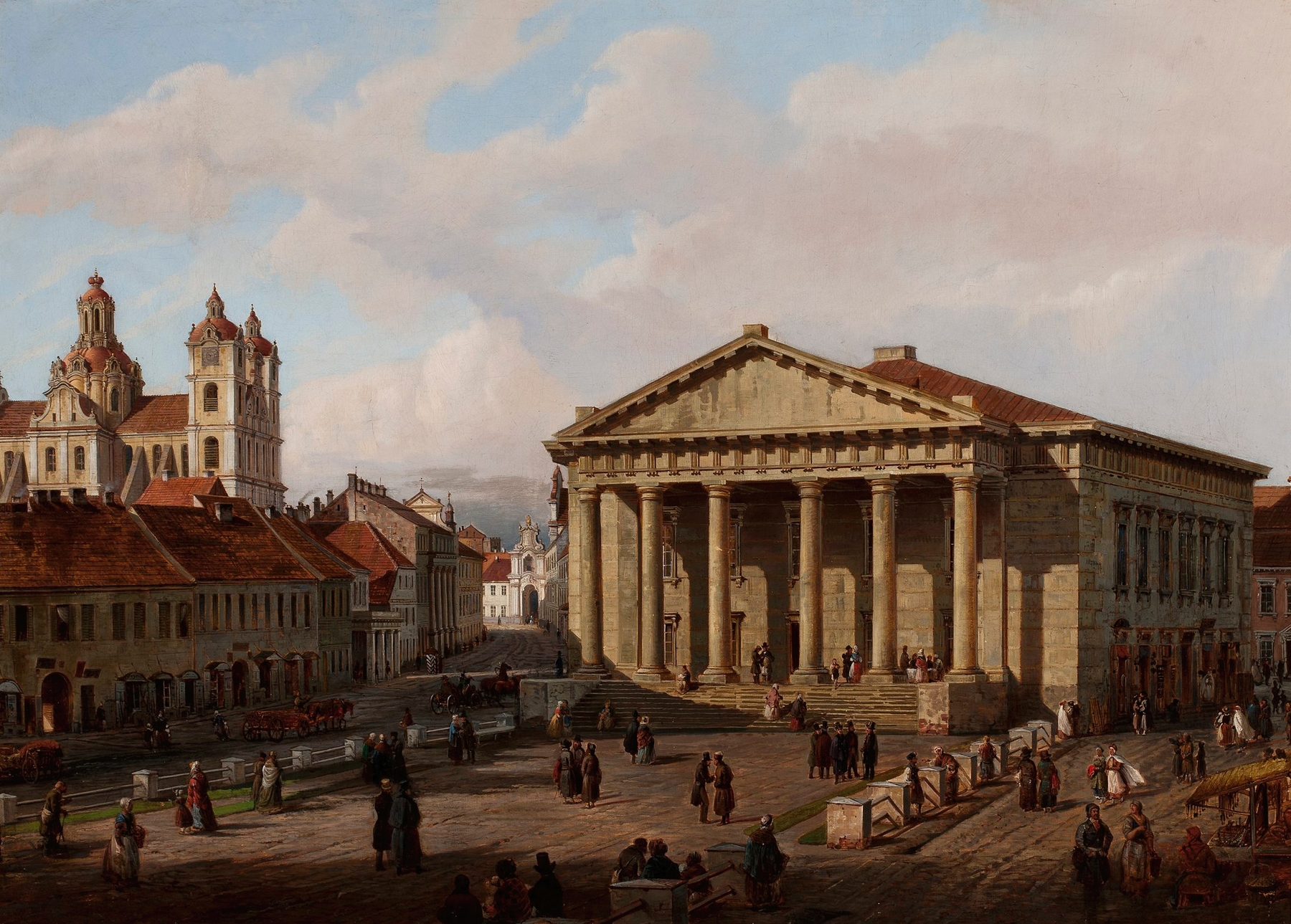
Can paint confess what words never could? In the hushed corners of Oboźna Street in Warsaw, an ineffable sorrow lingers, captured not in the overt but in the subtle – a testament to loss and memory. Look to the center, where the cobblestones shimmer with a damp sheen that suggests recent rain, each stone a silent witness to the passage of time. The buildings, rendered in muted tones of gray and ochre, rise like sentinels, their facades layered with history and untold stories.
The delicate interplay of light and shadow dances across the street, inviting the viewer to explore the nuances that linger in the air, while the sparse figures, almost ghostly, meander through the scene, underscoring an undeniable sense of solitude. Within this urban landscape, the emotional weight of the artwork reveals itself through contrasts: the vibrancy of life against the backdrop of decay, the bustling energy of a city tinged with melancholy. The absence of vibrant colors may evoke the fading memories of a once-thriving community, while the quietude of the street whispers tales of those who traversed its path, now echoes of a bygone era.
Each detail serves to deepen the viewer's connection to the past, prompting reflection on the threads that bind us to places we may never return. Created during a time of introspection and artistic evolution, Oboźna Street in Warsaw emerged from Zaleski’s studio without a definitive date, reflecting an artist deeply engaged with the emotional landscapes of his surroundings. Living in a rapidly changing Poland that bore the scars of conflict, Zaleski's work captures a profound sense of place, revealing not just the physicality of the street but the palpable grief woven into its very fabric.